
Coffee shop vs. café (in Zagreb terms)
Zagreb is famous for long sit-down cafés, but “coffee shops” are a slightly different vibe: quicker stops, more focus on the cup, and often a modern, minimalist feel.
Use this guide when you want better coffee with less ceremony — or when you want to string together multiple stops in one afternoon.
Real specialty stops (start here)
These are widely known specialty-style stops (or coffee-first places) where the cup is the point. Pair two in one afternoon with a walk through parks or street-life zones.
How to build a coffee walk
- Start central with a first espresso (keep it quick).
- Walk 15–25 minutes through parks or street-life zones.
- Do a second stop as a “slow” coffee with a pastry.
- Finish with a final terrace sit (Zagreb-style) if you want the full ritual.
When this guide is perfect
- You have limited time and want quality coffee quickly.
- It’s rainy and you want short walks between indoor stops.
- You’re pairing coffee with a museum day or a photo walk.
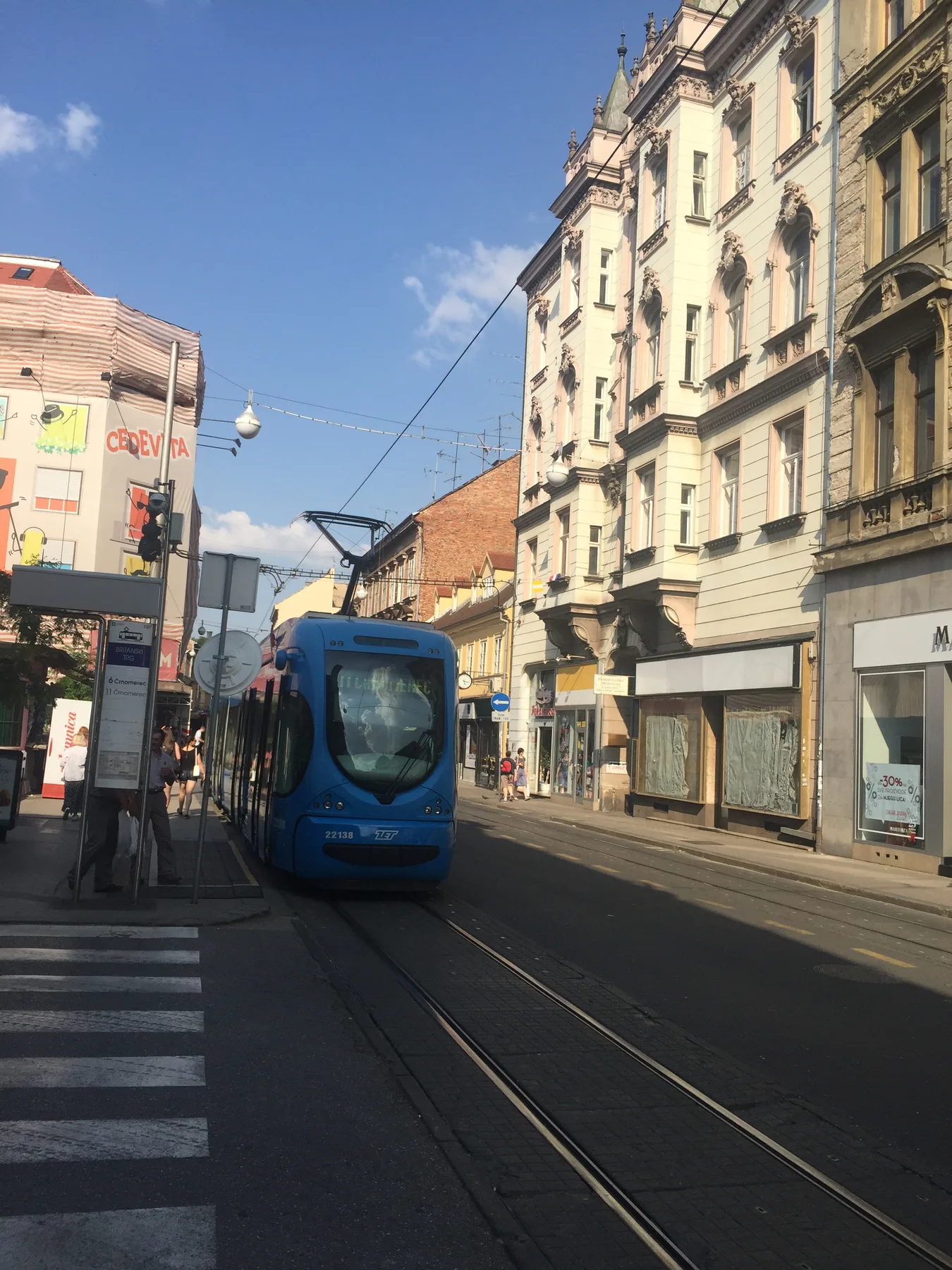
What specialty coffee in Zagreb should add to the trip
A specialty-coffee plan should prioritise the cup, roaster or brewing approach rather than generic terrace atmosphere. One focused visit can complement Zagreb’s broader slow-café culture.
A route and pace that make specialty coffee in Zagreb work
Place a coffee-first shop at the start of a Lower Town or Martićeva walk, then let a social terrace hold another day’s long pause. This avoids comparing two different café purposes as though they were identical.
The choices, trade-offs and common mistake
Choose a shop whose current beans, brew options and service style match your interest. Non-coffee drinkers need a real alternative, not an obligation to admire equipment.
Opening days, roasters and menus change quickly. Verify the current location and avoid claiming one shop permanently superior based on a single past coffee or old award.
Weather, current information and the fallback plan
If the destination shop is closed, preserve the morning route and use the nearest well-reviewed current option. The city has enough coffee that one locked door should not consume the first hour.
Define specialty by evidence in the cup
A specialty-coffee shop should be chosen for current beans, roasting, brewing and service, not exposed brick, a small cup or the word artisan. Cogito’s own current account identifies a Zagreb café founded in 2011 and roastery added in 2014, with an emphasis on seasonal, transparently sourced, terroir-driven coffee. That is useful operator evidence; it does not make every coffee or branch permanently superior.
Ask what is being served today, who roasted it and which brew best expresses it. Staff may recommend espresso, filter or milk based on the coffee and your taste. A visitor who prefers a darker profile, decaf or a large milk drink is not failing a test. The point is a drink you can understand and enjoy.
Keep the shortlist current and modest
Cogito, Quahwa, Eli’s Caffe and Kavantura remain useful names to verify because each maintains some form of operator web presence, while the depth of live location and menu information varies. Kavantura’s site currently places its operation at Horvaćanska 23A, well outside a casual central coffee walk. Quahwa’s site confirms the brand and shop, but the visitor still needs a current address and opening check.
Do not copy a Google Maps list into an editorial recommendation. A business can move, change hours, change concept or retain an old page. Confirm the exact branch directly on the visit day, especially on Sunday or a holiday. If the shop cannot be verified, describe it as an unconfirmed lead or omit it rather than sending readers to a locked door.
Taste one coffee as it changes
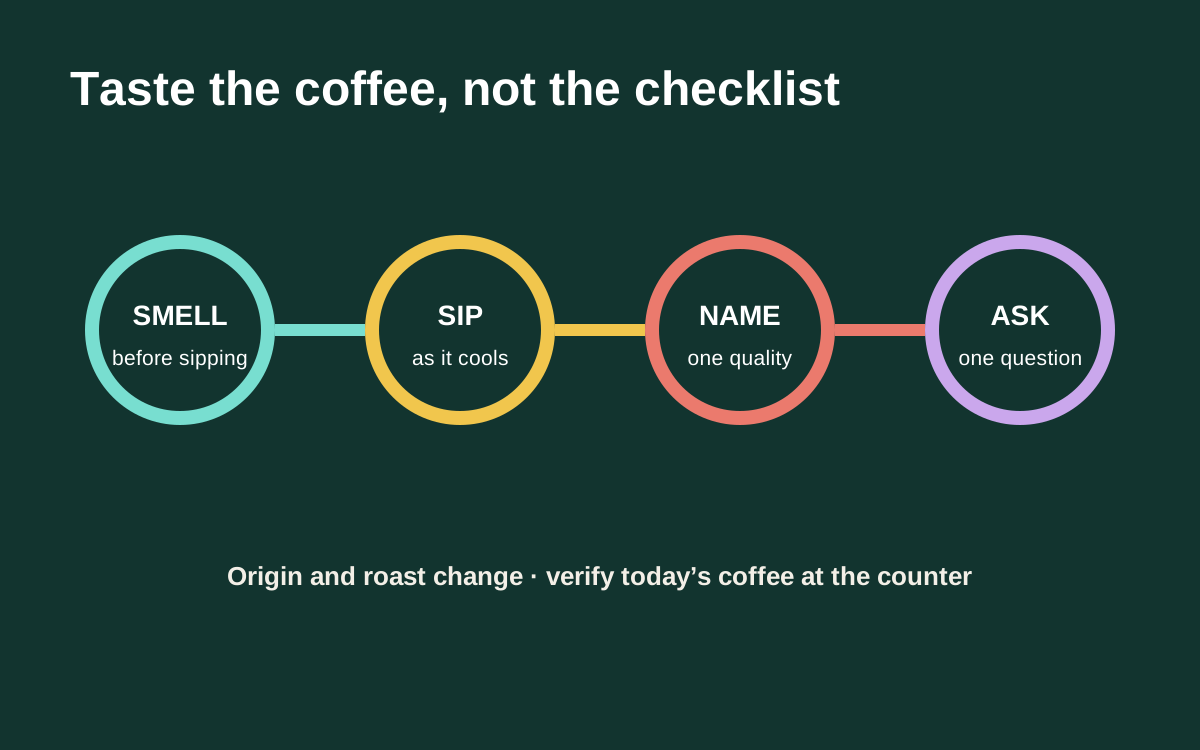
Smell the cup before the first sip, taste it at service temperature and again as it cools, then name one quality: sweetness, acidity, bitterness, body or finish. Compare only one variable at a time. Two different beans brewed two different ways cannot reveal which change produced the result.
Ask one informed question instead of demanding a performance: where is the coffee from, how was it processed, why was this recipe chosen, or what changes in milk? Accept that staff may be busy. Drink water, avoid perfume directly before tasting and share observations without announcing a universal score to the room.
Order with enough information
For espresso, say whether you enjoy bright fruit, chocolate-and-nut profiles or low perceived acidity; for filter, ask what is available rather than assuming a full menu all day. Milk changes sweetness, temperature and texture. Plant drinks can behave differently and may carry ingredients or cross-contact relevant to allergies. Decaf availability and method also change.
If caffeine affects sleep, anxiety, pregnancy guidance or medication, make the safe health choice before chasing another tasting. A coffee crawl can quietly become four double shots. Use smaller or shared servings, alternate water and stop when the experience stops being pleasant. Medical advice belongs with a clinician, not a barista or travel guide.
Make a two-stop route with two different purposes
Pair one coffee-first counter with one social café, not four near-identical espresso stops. A central route can link a verified shop with Cvjetni or Zrinjevac; an Ilica route can connect Britanski trg with Upper Town; a Martićeva route can add design, architecture and a park. Horvaćanska requires a deliberate western journey and should match another reason to be there.
Check live tram service and the shop’s last-order time before crossing town. Preserve the walk when a destination is closed: use the nearest credible alternative and keep the museum, market or park that made the route coherent. Coffee should sharpen attention to the neighbourhood, not erase it.
Handle laptops, photography and small rooms well
Many coffee-first rooms have few seats and depend on turnover. Ask before using a laptop, avoid occupying a four-person table alone, hide calls and confidential material, and keep bags out of circulation. Buy according to the time and space used. A power socket is not a promise that remote work is welcome.
Ask before photographing staff, roasting areas or other customers. Do not move service tools for a flat lay or hold a hot cup above someone’s device. Take the picture quickly, then taste the drink before it cools. A café’s visual identity remains copyrighted even when personal photography is allowed.
Buy beans that will survive the journey
Ask roast date, recommended rest, brew method and recipe, then buy an amount that will be used fresh. Keep the sealed bag away from heat and moisture. Whole beans normally preserve quality better, but correct grinding at the shop can be more useful than an unsuitable grinder at home. Check airline and destination agriculture rules before travelling with any food product.
A bag is a good souvenir when it records roaster, coffee, origin, process and date; it is a poor one when bought only for packaging. Do not imply that direct-trade or sustainable language guarantees a standard without transparent evidence. Use the operator’s sourcing explanation and ask respectfully where detail matters.
Choose the hotel base by the rest of the day
Hotel Jagerhorn is convenient for an Ilica-and-Britanski coffee route; Hotel Capital supports a compact central comparison; Canopy works with the station, Branimir and eastern Lower Town; Zonar reduces the penalty of a deliberate western stop such as Kavantura. None should be booked solely for coffee proximity.
For an early tasting, verify the shop opens before the day’s first fixed attraction. Hotel breakfast may be the more reliable choice on a departure morning. Leave luggage at the property rather than carrying it into a small shop, and keep the return route simple after a late arrival.

Researched stay
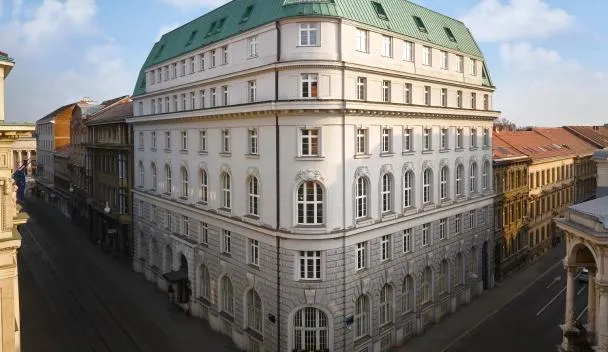
Hotel Jagerhorn
Useful Ilica base for Britanski-side coffee.
Researched stay
Hotel Capital
Compact central coffee and culture route.
Researched stay
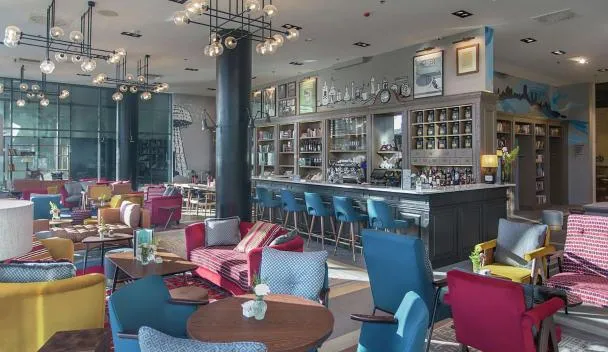
Canopy by Hilton Zagreb
Eastern Lower Town route without a central detour.

Researched stay
Zonar Zagreb
Western base for a west-side coffee itinerary.
Use a closure as a quality filter
When the intended shop is closed, first verify that the pin and branch are correct. Then choose a nearby operator whose current information is visible, ask what it serves and enjoy one drink. Do not spend an hour travelling to preserve a ranking. Record the closure only with date and branch; one shut door does not prove the business has permanently closed.
If the coffee disappoints, describe what you perceived rather than attacking staff or declaring Zagreb overrated. Recipe, grinder, bean age, water, service pressure and personal preference all affect the cup. Give the venue a fair chance to correct an obvious error, then move on without turning one purchase into a citywide verdict.