
The short answer: Lower Town is the easiest first base
For most visitors, the best area is central Zagreb: Lower Town, close to Ban Jelačić Square, the Green Horseshoe and a tram stop. It keeps museums, cafés, evening walks and the station within an easy orbit.
Zagreb is compact enough that this is a mood decision more than a logistics problem. Choose Lower Town for the straightforward first visit; move toward Upper Town for historic atmosphere, or out along a tram line for more space and a local rhythm.
Choose in 30 seconds
- First visit or a short weekend: Lower Town / the centre.
- A romantic, atmospheric stay: the Upper Town edge or Kaptol.
- Good value with a local feel: Trešnjevka, provided you are near a direct tram.
- Park mornings or a family pace: Maksimir; lake evenings in summer: Jarun.
- Modern architecture and the Museum of Contemporary Art: Novi Zagreb.
Lower Town: the default that makes a weekend effortless
Lower Town is the practical heart of a first trip: park-and-museum walks by day, café terraces at dusk, then a simple walk home. Choose a street near the main square or the Green Horseshoe rather than paying extra simply to be on the square itself. Jägerhorn is the character choice close to the action; Amadria Park Hotel Capital suits travellers who want a more polished, grander central stay.
Upper Town & Kaptol: for old-street atmosphere
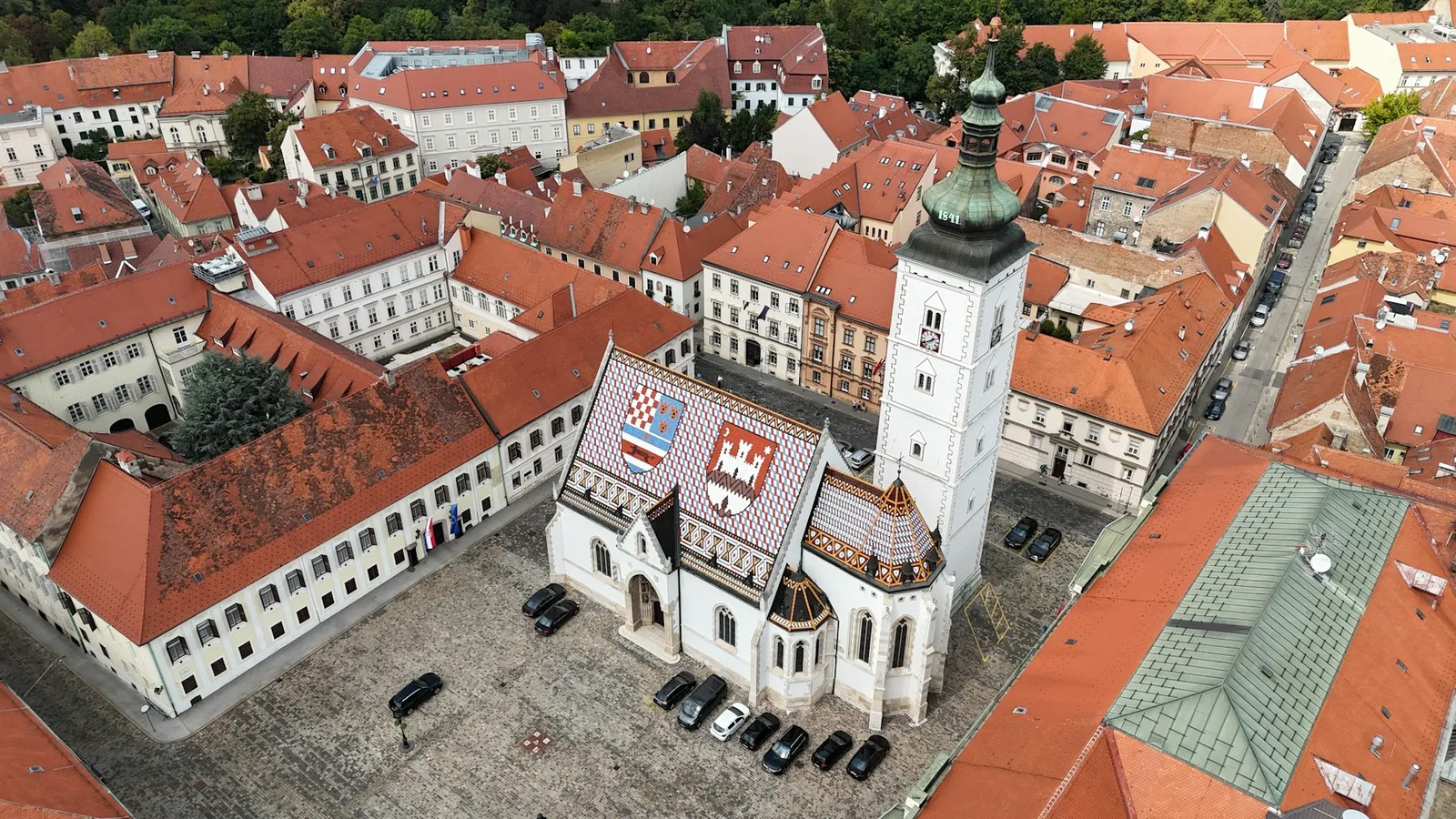
The Upper Town edge and Kaptol earn their keep with stone lanes, views and an after-dark calm that Lower Town does not always have. The trade-off is verticality: this is less forgiving with wheeled luggage or limited mobility. Hotel Le Premier gives you period character on the central side of that decision; Boutique Hotel HOH is for travellers who want a smaller, more intimate base.
Station side & tram-connected local areas: for value and easy arrivals
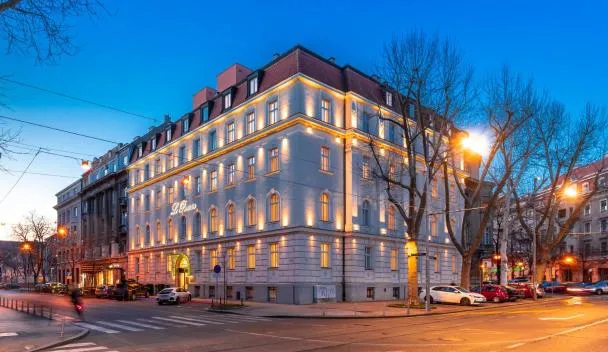
The station side and the first tram-connected residential districts are the sensible answer when arrivals, departures or nightly cost matter. You lose some instant postcard atmosphere, but gain easier rail connections and often more modern rooms. Esplanade is the special-occasion landmark beside the station; Canopy is the polished contemporary alternative. For a social budget, Swanky Mint keeps you central enough without pretending to be a hotel.

Small details that decide whether a stay works
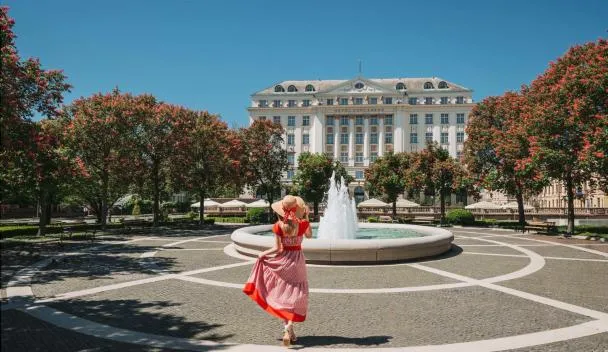
For a lively central street, ask for a courtyard-facing room if you sleep lightly. In Upper Town, check the approach and stairs before booking. Air-conditioning makes a bigger difference in summer than it sounds, especially in older buildings. And for any place beyond the centre, confirm that the tram is direct rather than merely nearby on a map.
Understand the centre before paying a premium for it
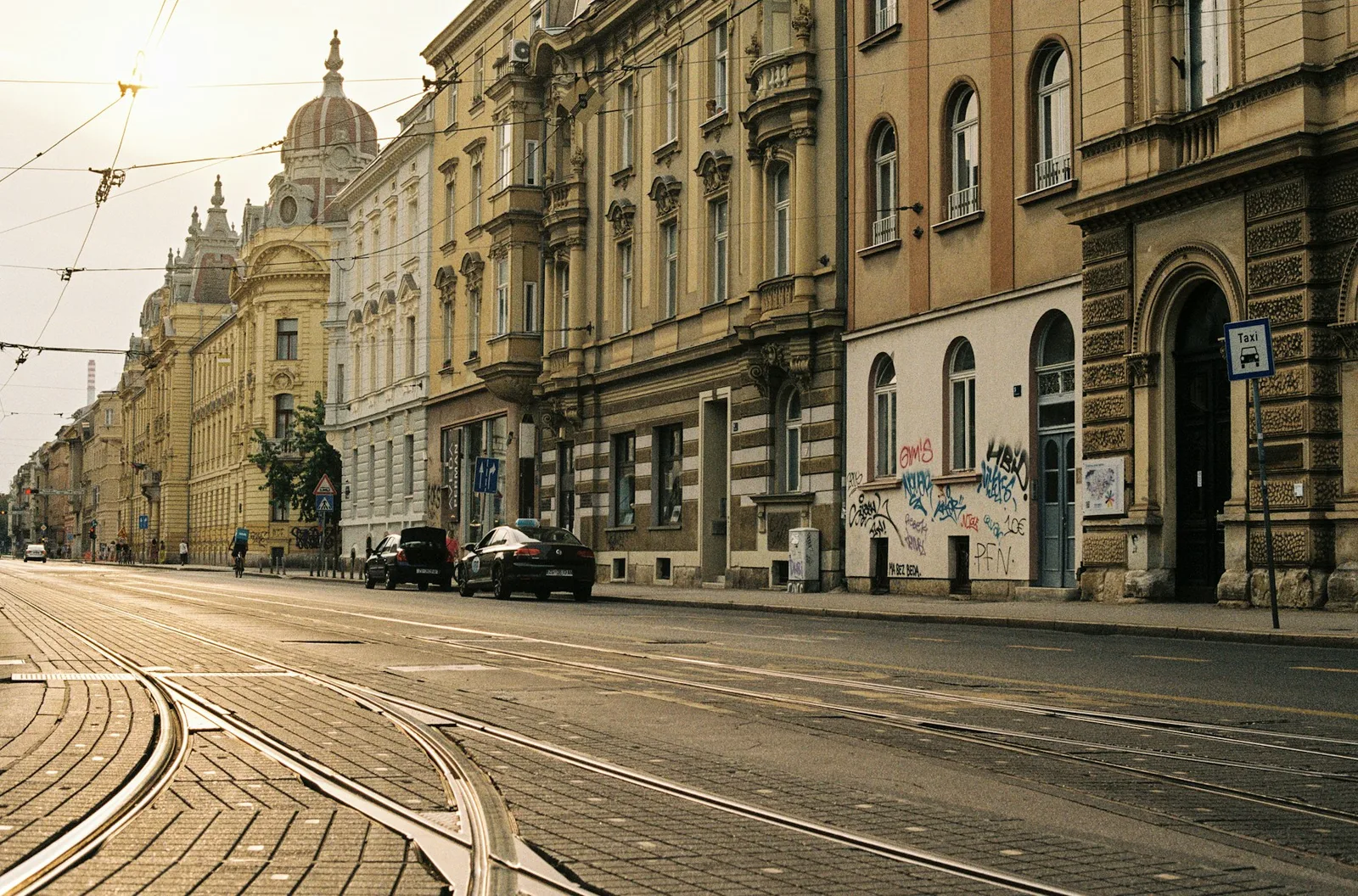
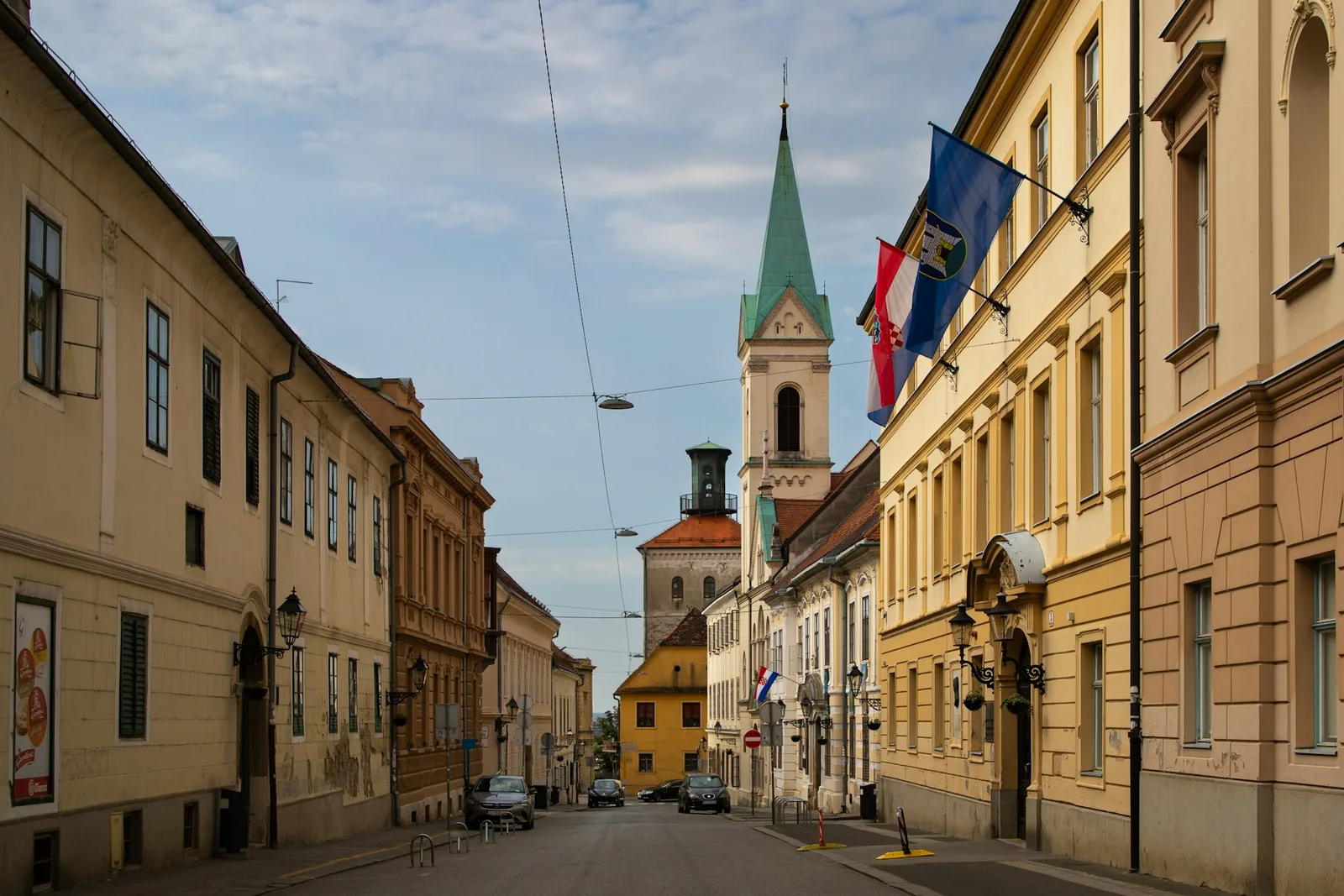
‘Central Zagreb’ is not one exact block. Ban Jelačić Square is the navigational centre, Lower Town spreads south and west through parks and museum streets, and the old core rises north toward Kaptol and Upper Town. On a map, several of these areas look interchangeable. On foot, they feel different: a room near the square gives immediate access to cafés and late walks; a room by the station gives simpler arrivals; a room on the Upper Town edge trades a little convenience for a more residential evening atmosphere.
For a two-night city break, draw a ten-to-fifteen-minute walking circle around the main square and the Green Horseshoe. That is usually the sweet spot. You do not need to be directly on the square—side streets are often more peaceful—but you do want the first walk of the morning and the last walk after dinner to be effortless. The savings from sleeping farther out can be worth it on a longer trip; on a quick visit, they can turn into unnecessary tram decisions.
Treat the main station as central-adjacent rather than remote. It is a useful base when you are arriving by rail, taking an airport transfer, or leaving early, and it still connects naturally to Lower Town. The area becomes a particularly good compromise when a special hotel matters: Esplanade Zagreb Hotel sits beside the station, while Canopy by Hilton Zagreb City Centre is a contemporary option in the same broad side of town.
Lower Town, in more detail: best for first-timers who want options
Lower Town works because it gives you choices without requiring a plan. You can take breakfast near the centre, walk through a park toward a museum, come back for a late afternoon coffee and still be close enough to reset before dinner. It is the correct default for solo visitors, first trips, short weekends and anyone who wants to feel that Zagreb is a walkable city rather than a set of tram journeys.
The main trade-off is sound and street activity. Ilica and Tkalčićeva are useful reference points for location, but a room immediately above a lively terrace is not ideal for everyone. If sleep matters, look for a courtyard-facing room or a side street, then read the room descriptions rather than assuming a central address is quiet. Hotel Jägerhorn is useful precisely because it combines an Ilica address with its tucked-away courtyard; Manda Heritage Hotel is another centre-side option with soundproofed rooms in its researched description.
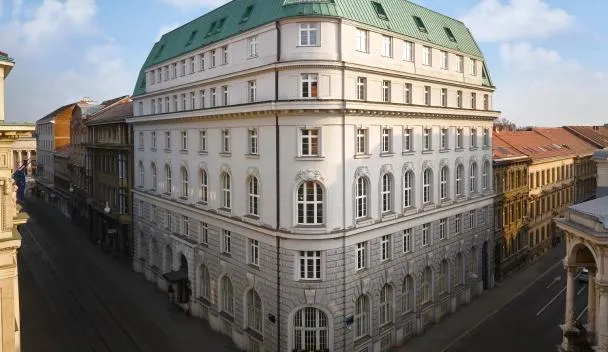
For a more designed, occasion-led Lower Town stay, Amadria Park Hotel Capital occupies a former early-twentieth-century bank building, while MET Boutique Hotel is a compact design retreat close to the main square. Neither is automatically ‘better’ than a simpler room nearby; choose them when the building, room and hotel experience are part of the trip, not simply a place to sleep between walks.
Upper Town and Kaptol: choose them for mood, not maximum efficiency
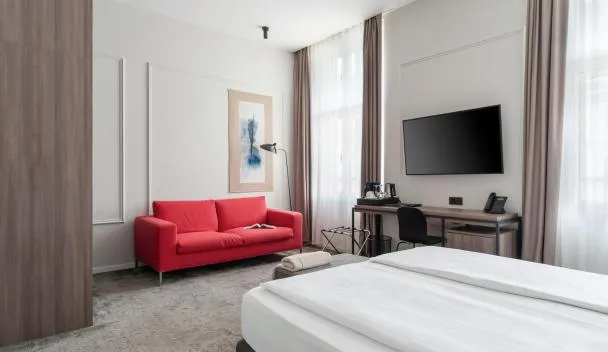
Upper Town is the right answer when you want the old-city feeling to be part of the accommodation itself. Early mornings are quieter, the stone lanes make an evening walk feel special, and you are close to the views and landmarks that visitors usually save for the end of the day. It is especially good for a couple’s trip, a slower return visit, or anyone who prefers a distinctive address over a hotel surrounded by the busiest café streets.
The honest trade-off is terrain. There are stairs, slopes and cobbled stretches; a suitcase with small wheels will notice them. It is also less convenient for a traveller who wants to pop in and out of the room between every stop. If mobility, luggage or a very late arrival is part of the picture, stay on the Lower Town side of the slope and walk up when you want the atmosphere.
Boutique Hotel HOH is the most literal fit for this choice: a small Upper Town property with individually themed rooms and a garden terrace. Hotel Le Premier sits on the more central side of the decision, in a 1920s palace with spa facilities, making it useful for travellers who want historic character without committing to the steepest streets.
If arrival or departure drives the trip, use the station side intelligently
A hotel near the main station is not a compromise if your itinerary begins or ends with rail travel, an airport transfer or a very early departure. You can drop bags, get oriented through Lower Town, and avoid the slightly awkward final cross-city journey on departure day. It is also the sensible part of town to choose when you want classic hotel service rather than a small apartment-style base.
Esplanade Zagreb Hotel is the landmark option here, built in 1925 for Orient Express passengers and still a strong choice when the building is part of the occasion. Canopy by Hilton Zagreb City Centre brings a more contemporary, neighbourhood-inspired design language, while art'otel Zagreb is worth considering if an art-led hotel, rooftop bar and central address appeal more than railway-era grandeur.
For a bus-station arrival, do not confuse the main rail station with the autobusni kolodvor farther east. Hotel Sliško is close to the bus station and has a practical rather than postcard location; that makes it an honest choice for travellers who value an easy arrival, generous room basics and a straightforward connection over being steps from Upper Town.
Beyond the postcard core: when a tram-connected base is the better call
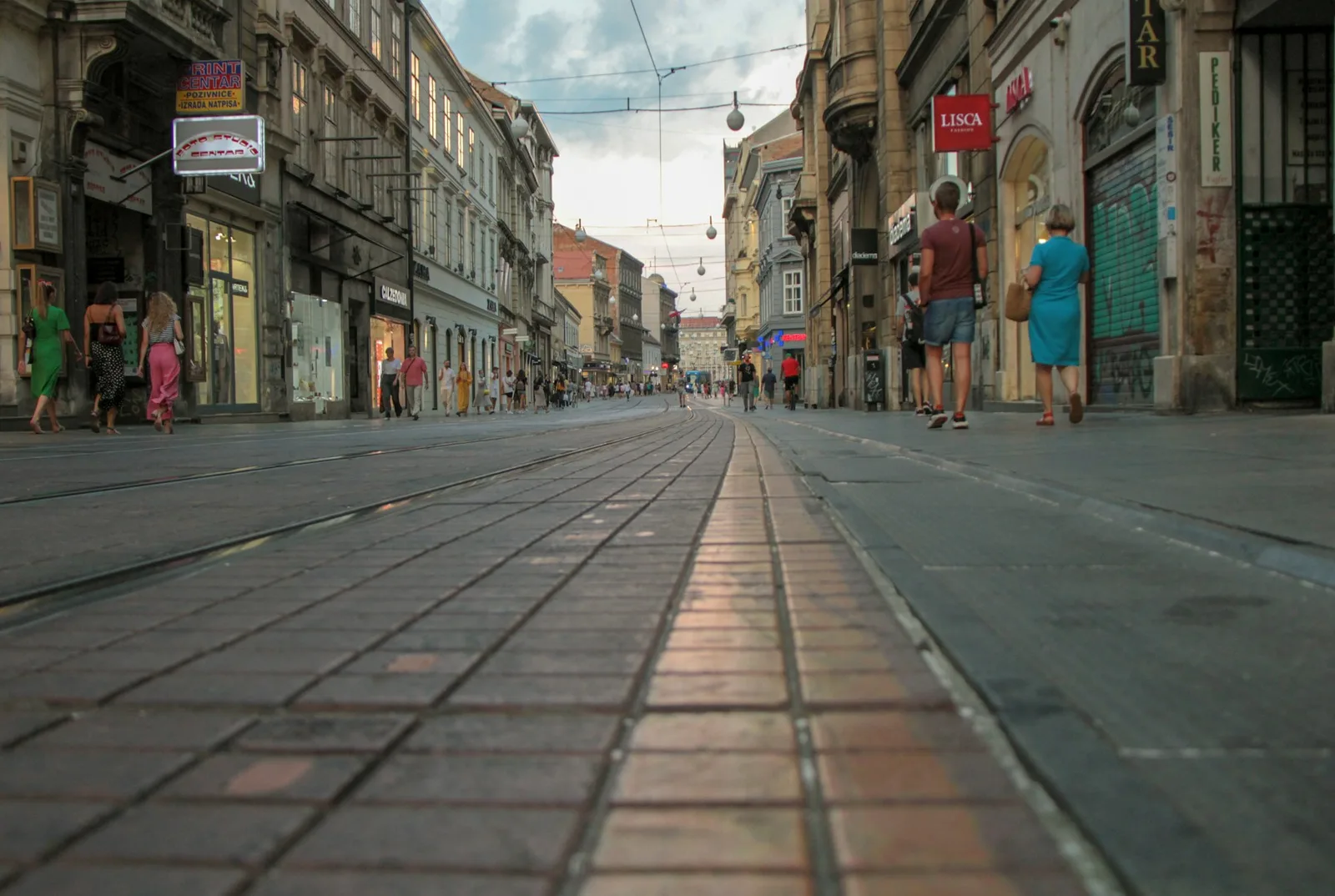
Trešnjevka and similar tram-connected residential areas suit travellers who have three or more nights, are watching the total accommodation cost, or prefer ordinary neighbourhood mornings to all-day central activity. The city centre remains close enough for dinner and museums, but your immediate surroundings will be more useful for bakeries, supermarkets and the everyday rhythm of Zagreb. Choose this option only after checking the actual tram route from the door; ‘near public transport’ is not the same thing as a simple direct ride.
Maksimir is a better fit for people who want green space in the day rather than nightlife at the door. It can work well for families and repeat visitors, especially when the plan already includes the park or zoo, but it is not the default for a first-time weekend. Jarun makes more sense in summer or on a longer stay when lakeside walks matter; do not choose it purely because it looks close on a city-wide map.
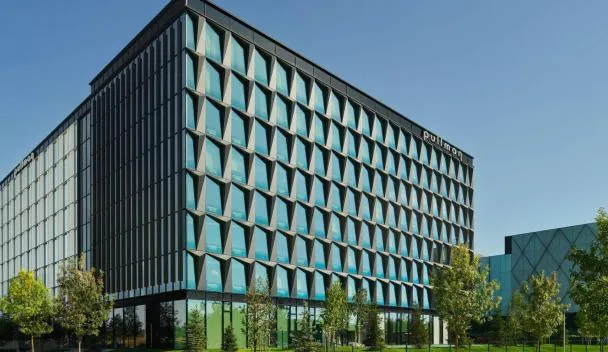
Novi Zagreb is the modern, across-the-river choice. It is useful for business travel, the Museum of Contemporary Art and a less historic urban setting. Pullman Zagreb and Novotel Zagreb are both positioned outside the traditional core with contemporary business-oriented facilities, so they suit a different trip than a romantic old-town weekend. Zonar Zagreb is a livelier design-led city option with a rooftop pool if you want a social hotel atmosphere without staying in Upper Town.
Hotels, hostels and apartment-style stays: match the format to your trip
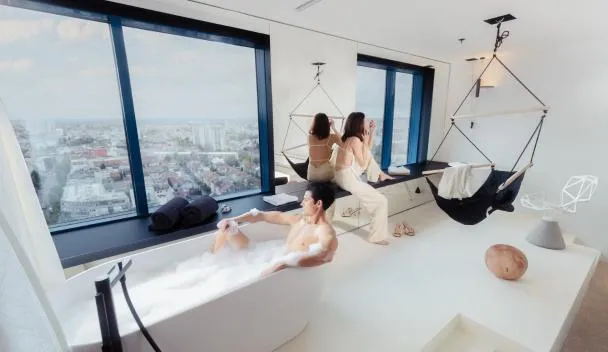
A hotel is often the calmest option for a short stay: easier check-in, a clear front desk and no need to decode a residential building after a late arrival. An apartment-style room becomes more compelling on a longer visit, when a kitchenette, parking or a quieter residential street matters. Rooms 23 – FLOK Petrova, for example, has Scandinavian-style apartments with kitchenettes and on-site parking in a quieter area east of the centre.
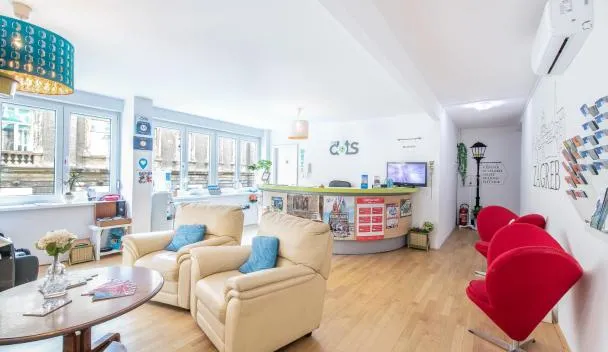
Hostels are not interchangeable, either. Swanky Mint Hostel is a central social stay in a refurbished former factory, with a bar and seasonal pool; Main Square Hostel puts you directly on Tkalčićeva with pod-style dorm beds; The Dots Hostel is positioned as the quieter, minimalist shared-lounge alternative. Read these as descriptions of rhythm, not quality rankings. The right one depends on whether you want to meet people, sleep early or spend the budget on the rest of the trip.
When comparing any format, look beyond the thumbnail: check the room category, lift or stair access, air-conditioning if visiting in warm weather, the exact cancellation policy and whether the location is on the street you actually want. A lower headline rate can disappear once breakfast, parking, luggage storage or a non-refundable condition is added.
A booking checklist that prevents the common regrets
First, decide what you want to walk to after dinner. If the answer is Upper Town, the parks and the central café streets, keep the address central. Second, decide how you are arriving. A late flight, a rail trip or a heavy suitcase can make a station-side hotel the better choice even when a more romantic address is tempting. Third, decide whether quiet is a preference or a requirement; that answer changes the street and room type you should book.
Then check the property page for the details that do not show in a neighbourhood guide: current availability, the specific room’s bed configuration, accessible entrance information, breakfast times, air-conditioning and cancellation conditions. We link only to researched properties and do not publish ratings or invented price comparisons; live availability belongs with the booking provider.
Finally, resist trying to solve every possible Zagreb trip with one accommodation choice. A centre hotel can be ideal for a culture-heavy weekend and wrong for a conference in Novi Zagreb; a quiet apartment can be excellent for a family and inconvenient for a one-night arrival. Name the two or three things that matter most to this trip, use the sections above to narrow the area, and let the individual property pages settle the final comparison without second-guessing the neighbourhood choice.
Three hotel moods inside the central map
For heritage character, compare Hotel Jägerhorn, Amadria Park Hotel Capital and Boutique Hotel HOH rather than treating ‘historic centre’ as one product. Jägerhorn’s researched identity comes from its long history and tucked-away courtyard off Ilica; Capital uses the grandeur of a former bank close to the main square; HOH is a nine-room Upper Town house with a garden terrace. The decision is courtyard retreat, formal central landmark or intimate old-town base—and each creates a different morning and evening.
For contemporary design, Met Boutique Hotel, Stellar Boutique Modules and art’otel Zagreb keep the stay central while making the building visually assertive. Met and Stellar both use Cathedral views as part of their researched character, while Stellar adds a secluded garden and art-led room concept; art’otel combines a restored building with contemporary design and a rooftop-led social side. Couples and design travellers should choose the atmosphere they will actually use, then verify the live room outlook and current rooftop access.
For transport-led practicality, Canopy by Hilton Zagreb City Centre and Hotel Sliško solve different journeys. Canopy is a lifestyle hotel on the Lower Town and station side of the centre; Sliško is researched as a bus-station base. Neither should be dismissed as less experiential. A smooth early departure, luggage-friendly arrival and quiet reset can improve a short trip more than paying to sleep beside a square that the itinerary visits only once.

Researched stay
Hotel Jägerhorn
Historic Ilica address with a courtyard-led sense of retreat.
Researched stay
Amadria Park Hotel Capital
A grand former-bank setting close to the main square.
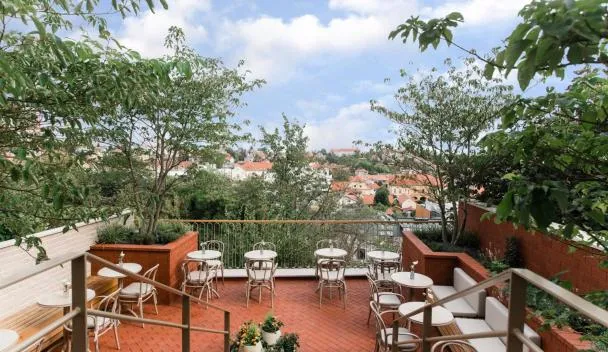
Researched stay
Boutique Hotel HOH
An intimate Upper Town stay with only nine researched rooms.
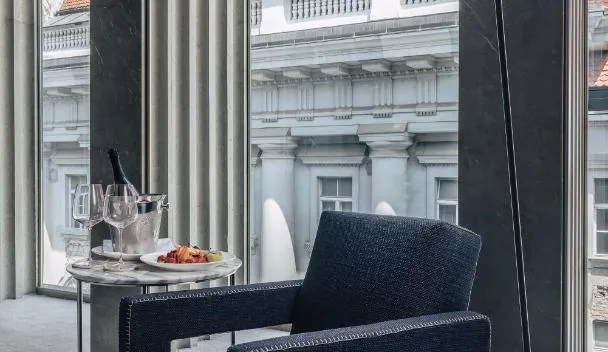
Researched stay
Met Boutique Hotel
Central contemporary design with a rooftop restaurant in the research record.
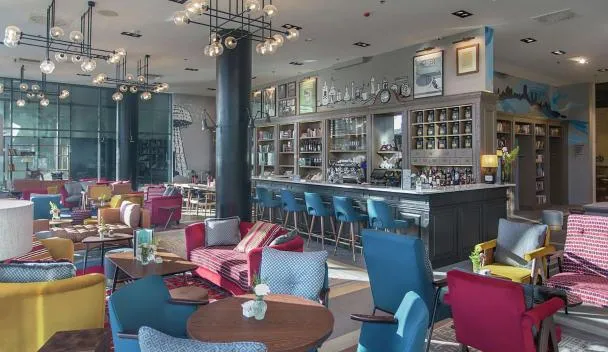
Researched stay
Canopy by Hilton Zagreb City Centre
A station-side lifestyle base for Lower Town itineraries.
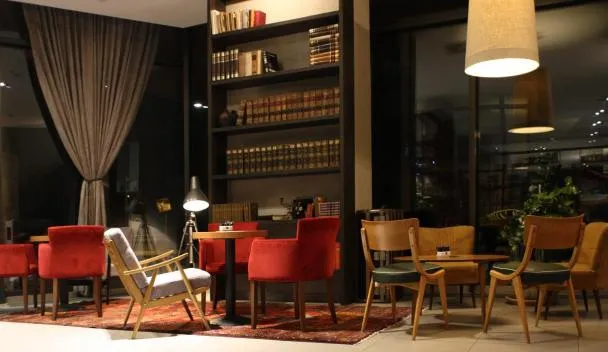
Researched stay
Hotel Sliško
The practical choice for a bus-led arrival or departure.
The room can matter more than the district
Once the shortlist is inside the right area, stop comparing district descriptions and examine the exact stay. Room orientation, lift access, entry route, stairs, late-night street use and the distance from reception to the room can change comfort more than another two minutes on the map. A hotel on a lively street may also contain a calm courtyard; a beautiful Upper Town address may add a luggage climb; a station-side property may feel effortless on arrival but place dinner in a different direction.
Use the hotel detail pages to understand the researched character, then use the live booking page to verify what that character means for the available room. Do not assume that a rooftop view belongs to every category, that a spa feature is always included, or that a historic building has uniform access. The editorial recommendation explains why the property entered the shortlist; the final room choice decides whether that reason applies to this booking.
This is also why the cheapest room in a favourite hotel can be the wrong choice, while a better-oriented room in the second-choice property can be exactly right. Compare the live room, not only the logo.
Related reads
Questions people actually ask
What’s the best area to stay in Zagreb for first-timers?
Center / Lower Town is the best base: walkable, museum-and-park dense, and perfect for evening street-life without relying on transport.
Is Upper Town a good place to stay?
Upper Town edges can be great for romance and quiet nights, but expect more stairs and slower logistics. For a first trip, central Lower Town is usually easier.
Where should budget travelers stay?
Look just outside the center along a tram line (Trešnjevka is a strong candidate). You’ll often get better value while staying connected to the core in minutes.