
Why visit Novi Zagreb
Most visitors stay in the historic center — but Novi Zagreb shows a modern, spacious side of the city. It’s a great contrast day, especially if you like contemporary culture.
If Zagreb feels like “Upper Town texture + Lower Town parks,” Novi Zagreb is the third chapter: wide avenues, modern buildings, and a different pace across the river.
A simple Novi Zagreb plan
- Go midday → visit one modern-culture anchor (MSU) → coffee break → Bundek lakeside walk → return for dinner in the center.
What to do (beyond the obvious)
- Do one “big museum” (MSU) and keep the rest of the day light and outdoors.
- Treat it as a contrast day: modern architecture, open space, and a different city rhythm.
- If the weather is great, stay longer — Novi Zagreb is better when you don’t rush back immediately.
How to fit it into your trip
- On a 2-day weekend: do Novi Zagreb on Day 2 afternoon.
- On a 3-day trip: make it your “contrast day” before a day trip.
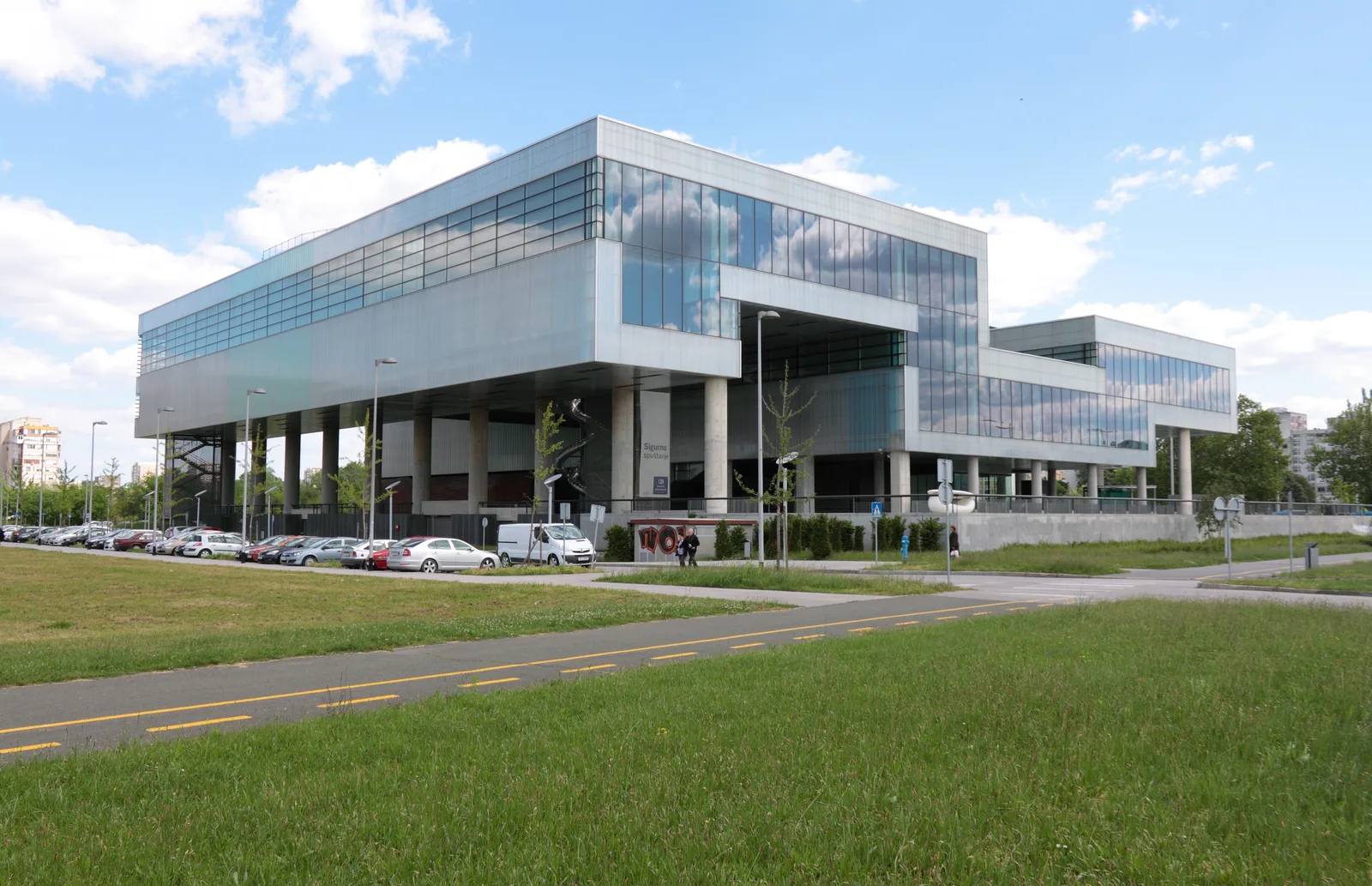
What a Novi Zagreb day should add to the trip
Novi Zagreb provides the deliberate modern contrast to the historic centre: larger urban scale, post-war planning, contemporary culture and cross-river parks. Go to understand that contrast, not to hunt an old-town substitute.
A route and pace that make a Novi Zagreb day work
Make MSU the cultural anchor and add Bundek or a focused residential walk according to weather. Cross the river once, keep lunch in the area and return centrally for dinner.
The choices, trade-offs and common mistake
Prioritise modern architecture, contemporary art or open green space. Travellers with only one day should stay central; repeat visitors and longer stays gain more from the change in city scale.
Distances look simple on a broad map but walking routes, crossings and transport stops matter. Check the exact connection and avoid photographing residential life as an exotic backdrop.
Weather, current information and the fallback plan
If MSU access changes, retain Bundek in good weather or choose a modern-architecture route with a clear transport exit. In sustained rain, use a central cultural alternative rather than wandering without an anchor.
Crossing the Sava: why the scale changes
The river isn't just a geographic boundary — it's the point where Zagreb's tight historic grain gives way to a completely different urban rhythm. Streets widen, buildings grow taller and more spaced out, and the pedestrian experience shifts from close, layered facades to open sightlines and generous green buffers. Visitors who only know the centre often find the change disorienting at first, then oddly refreshing: it's a reminder that Zagreb is a working modern capital as well as a historic one, and Novi Zagreb is where that modern identity is most visible.
That scale shift is the whole point of going. If you cross expecting a smaller, quieter version of the old town, the district will feel empty or purposeless. Go instead expecting open space, modern architecture, and a slower, wider kind of walking — and it reads very differently.
MSU as the anchor for the day
MSU works best as the single organising stop for a Novi Zagreb visit rather than one item on a longer list. Build the rest of the day loosely around it — arrive with enough time to actually take in the collection, then let the afternoon open up from there rather than trying to squeeze in several other sights. Check current opening arrangements before you go, since access and hours for any major museum can shift.
Bundek as an optional second half
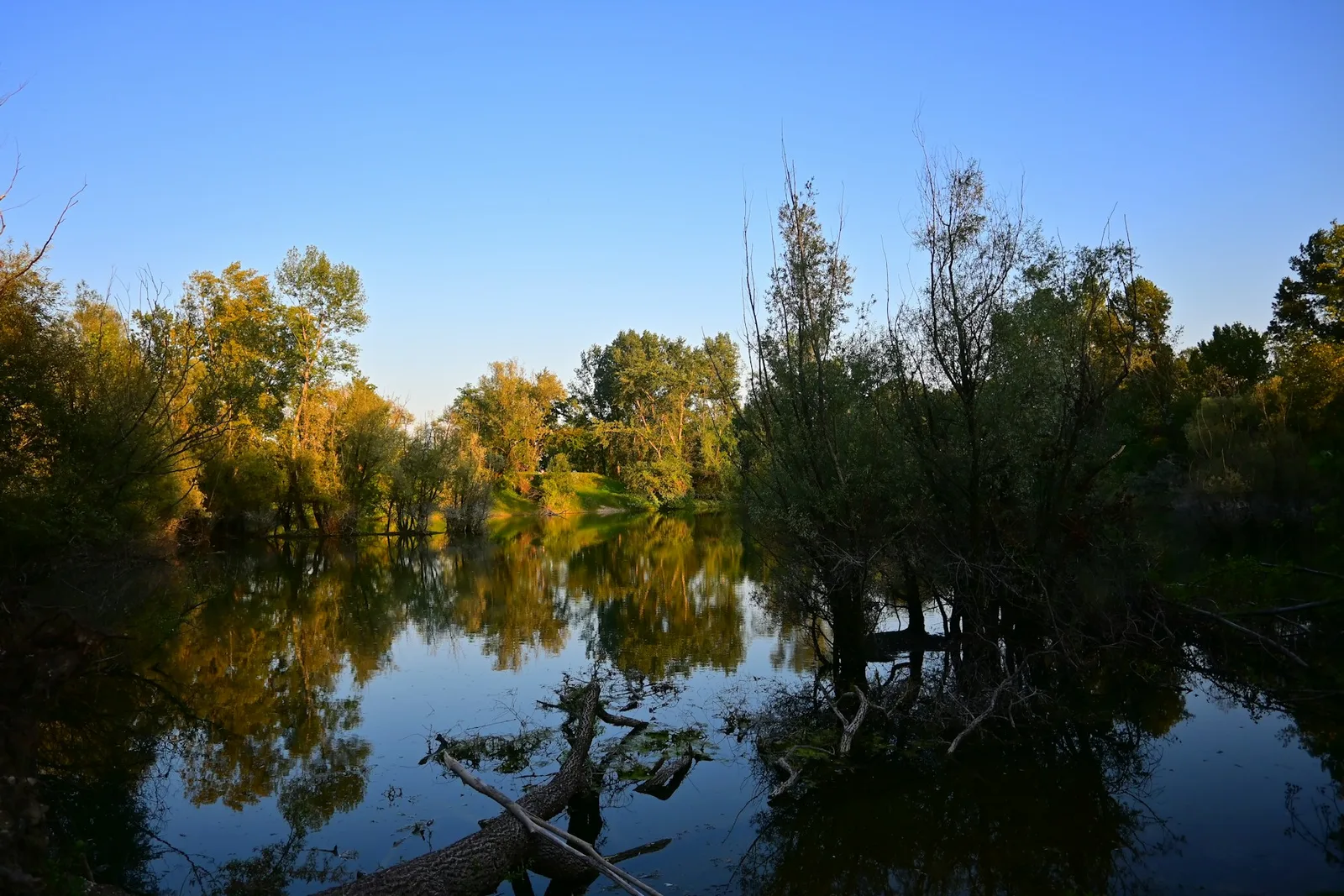
Bundek pairs naturally with MSU because it asks nothing of you — no ticket, no schedule, just a lakeside walk at whatever pace suits the weather and your energy after a museum visit. Treat it as optional rather than compulsory: on a cold or wet day, a shorter loop or a straight return to the centre is a perfectly good call. On a clear afternoon, though, it's the easiest way to stretch a Novi Zagreb visit from a couple of hours into a genuinely relaxed half-day.
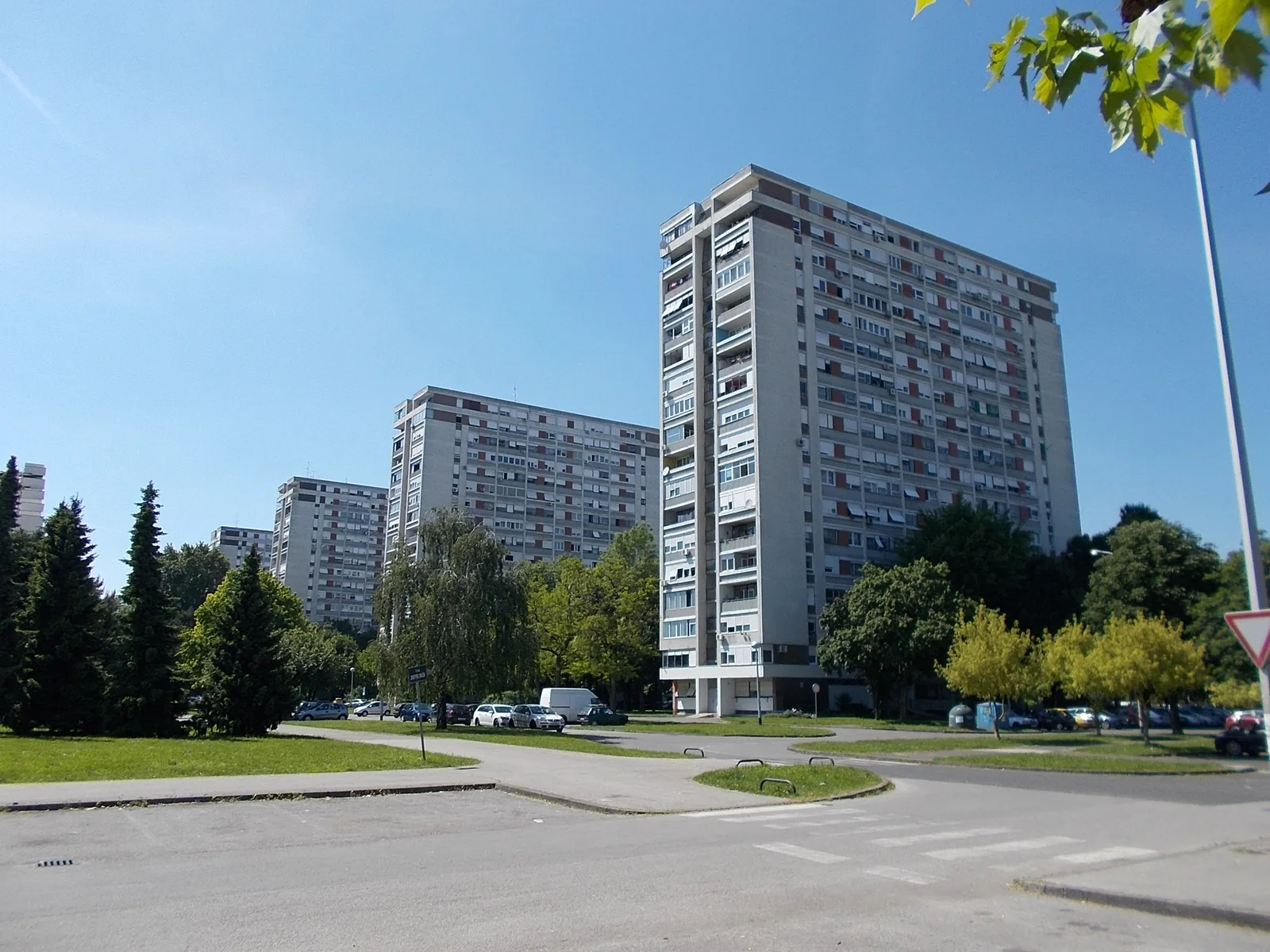
Reading the post-war planning without the clichés
It is easy to describe Novi Zagreb’s post-war residential blocks through a dismissive visual shorthand. Look instead at what is physically present: wider spaces between buildings, large green areas, broad roads and a scale designed very differently from the old centre. Whether every part works well is a separate question. Reading those relationships makes the district a legible piece of twentieth-century urban form rather than a backdrop measured only against Upper Town’s medieval streets.
This isn't a call to romanticise the area — it's a call to look at it on its own terms rather than measuring it against Upper Town's medieval scale, which was never the goal in the first place.
Getting there and moving around on foot
Novi Zagreb is built at a scale that assumes public transport and longer walking stretches between destinations, not the short hops that work in the centre. Plan your route before you leave rather than improvising once you're there — distances that look short on a map often involve a specific bridge crossing or transport stop that isn't obvious from a casual glance. Check the transport guide for how to move around without a car, and build a little extra time into your plan for the walk between stops.
Walking through residential Novi Zagreb
Much of Novi Zagreb is simply where people live, and it's worth remembering that as you walk through it. The wide courtyards and green spaces between residential blocks aren't installations for visitors — they're everyday neighbourhood space, and treating them as an exotic backdrop for photos misreads the district. A respectful pace, and a willingness to see the area as a functioning part of the city rather than an attraction, makes for a better visit and a more honest one.
- Avoid photographing residents or private courtyards as scenery.
- Keep to a normal, unhurried walking pace through residential stretches.
- Remember the area's primary purpose is housing, not tourism.
Who gets the most from a Novi Zagreb day
Novi Zagreb suits repeat visitors, longer stays, and anyone genuinely curious about contemporary art or twentieth-century urban planning more than it suits a first-time, one-day visitor. If you only have a single day in Zagreb, the historic centre gives you a far higher concentration of what most people come for, and Novi Zagreb is better saved for a second visit or a longer trip where a contrast day adds value rather than crowding out the essentials.
Half-day versus full-day versions
A half-day version keeps one strong cultural anchor: MSU, a nearby pause and a focused walk that reveals the district’s scale before returning. A full-day version can add Bundek at a relaxed pace, more time for architecture or residential context, and a later return to the centre for dinner. Choose by how much open-ended walking the group actually enjoys. Novi Zagreb rewards attention to space and transitions, but it does not need to consume a full day to make its contrast clear.
- Half-day: MSU, coffee, short walk, return.
- Full-day: MSU, lunch nearby, Bundek at a relaxed pace, evening return to the centre.
Weather calls and what to skip
Novi Zagreb leans heavily on outdoor space, so weather should genuinely shape the plan rather than being an afterthought. On a wet or bitterly cold day, keep the visit to MSU and skip the Bundek walk and the longer residential wander — there's no need to force an outdoor stretch that won't be enjoyable. On a clear day, the reverse is true: let the outdoor portion run longer and treat the museum as the anchor rather than the whole visit.
MSU is the cultural reason, not a token museum stop
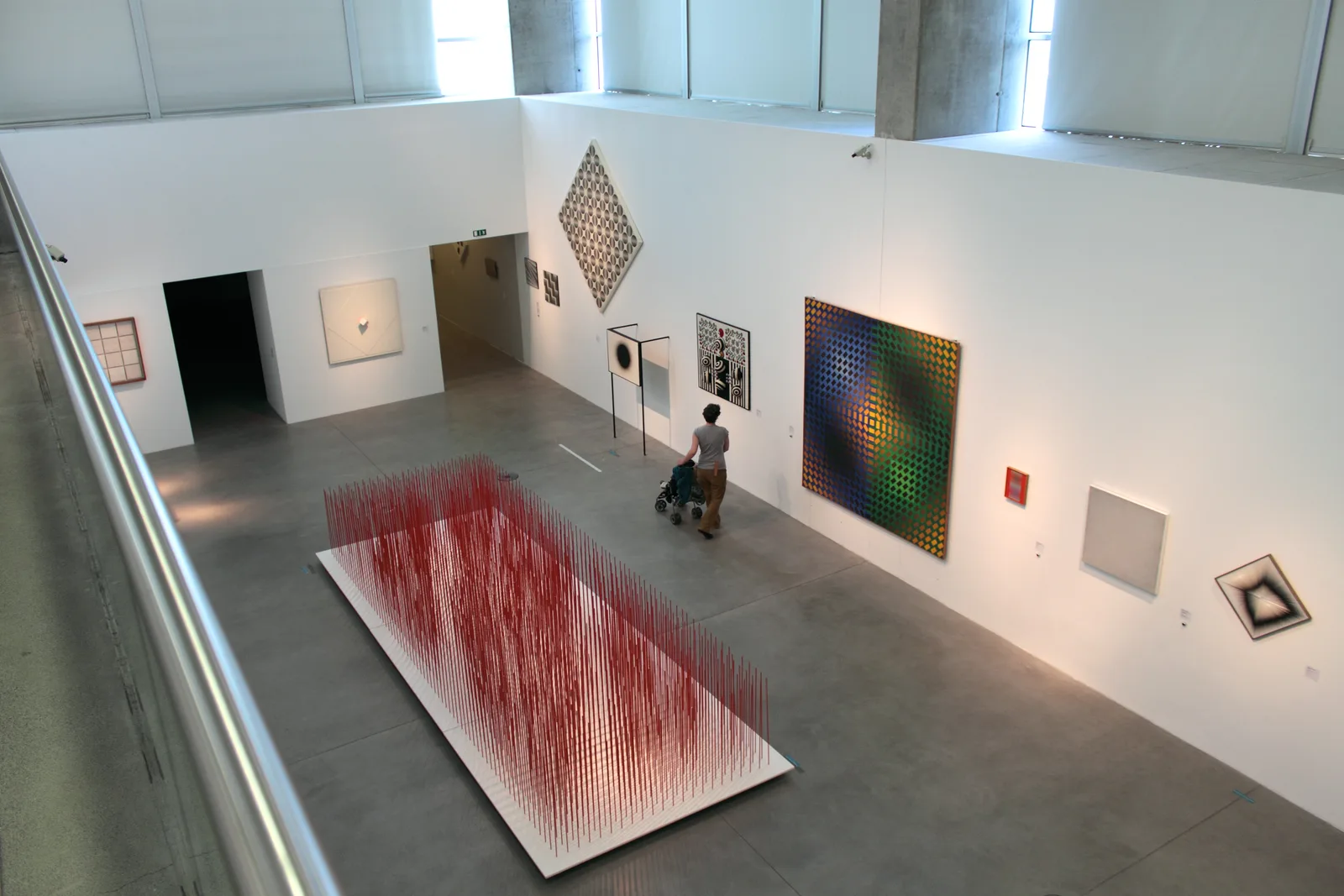
MSU’s own institutional history says the museum began in 1954 as the City Gallery of Contemporary Art and moved to its Novi Zagreb building in 2009. That move matters to the itinerary: the collection and programme are encountered inside the part of the city whose modern scale the visit is trying to understand. The museum is not simply a central attraction placed across the river; its location and building make it the most coherent starting point for reading Novi Zagreb through culture.
Choose the active exhibition or a collection theme before arriving, then give it enough attention that Bundek remains genuinely optional. Large contemporary museums can produce fatigue through scale even when individual works are engaging. A café or outdoor pause after the museum allows the group to decide whether curiosity remains for the wider district. Adding Bundek from obligation defeats the point of the flexible cross-river day.
The current visitor page is the authority for hours, tickets, exhibition access and any temporary change. Save that link rather than copying a schedule into the itinerary. When the programme does not suit the group, a Novi Zagreb architecture-and-park walk can still be meaningful, but it should be chosen knowingly; the museum name alone is not a reason to cross the Sava.
A base in Novi Zagreb is a different trip decision
Staying in Novi Zagreb suits travellers whose work, event or main interest is already across the river, repeat visitors who do not need Upper Town outside the door, and people who prefer contemporary hotels or more space to an old-centre address. It is less convenient for a first two-night visit built around Dolac, Kaptol and repeated central dinners. Authenticity is not the issue. The question is which side of the river contains the journeys the stay will repeat.
Trace the actual morning and evening connections before booking. A hotel near a useful tram or direct route can make the centre straightforward; an address that looks close on a broad map can still add a walk, crossing or transfer. Check the last approach, luggage journey and the return after dinner, not only the distance to MSU. The advantage of a larger-scale district disappears if every city-centre chapter begins with uncertainty.
For visitors staying centrally, Novi Zagreb works best as one deliberate outing. Cross once, keep lunch or a pause in the area, and return after the chosen museum, park or architecture route. Repeated back-and-forth on the same day makes the river feel like an obstacle; a coherent block makes the change in scale the subject. Families can let Bundek provide the unstructured part of the outing, while architecture-focused visitors may prefer a slower residential walk. Neither needs to be added when weather or energy argues for a direct return after MSU. Before crossing, decide what will count as the day’s finish: a full museum visit, a park circuit or an architecture walk. That decision prevents the broad map from turning every green patch and residential block into an implied attraction. Carry enough drinking water for the exposed sections, keep the return stop saved and use the museum’s facilities before the outdoor continuation. At Bundek, follow current local signage around events, water access and temporary works rather than assuming every path or shoreline section is available in the same way year-round. If a programmed event changes the park’s atmosphere, join it intentionally or shorten the loop; do not force the quiet lakeside version promised by an evergreen guide.