
Zagreb, in a sentence
Zagreb is a capital that feels human-sized: café terraces, leafy parks, and a historic Upper Town that rewards slow wandering — with a modern arts scene and a weekend rhythm locals protect fiercely.
If you only have one day, anchor it around Upper Town (Gornji Grad), then drift downhill into the Lower Town parks (Donji Grad), and finish with dinner and a long walk.
Top sights (you can’t skip these)
- Upper Town (Gornji Grad): St. Mark’s Church, the Stone Gate, and the views from Strossmayer Promenade.
- Ban Jelačić Square: the city’s central meeting point — perfect to start any route.
- Dolac Market: a morning ritual and one of the best places to feel Zagreb’s everyday life.
- Museum of Broken Relationships: quirky, moving, and uniquely Zagreb.
- Grič Tunnel: a historic underground passage that’s also a practical shortcut (great in rain or heat).
- Mirogoj: monumental arcades, quiet paths, and one of Europe’s most atmospheric cemeteries.
How the city fits together
The simplest way to understand Zagreb is as two connected walks. Upper Town holds the older, steeper and more theatrical side of the city: stone lanes, St. Mark’s, the Stone Gate and the view from Strossmayer Promenade. Lower Town opens out below it into nineteenth-century streets, parks, museums and café life. Ban Jelačić Square is the seam between them, not a destination that needs much time in itself.
Do not try to complete both halves in one hard march. Use the square to decide what the day needs next. If you have energy and good light, go up toward Upper Town. If you want a gentler afternoon, turn south through the parks. The city becomes much easier once you stop treating every landmark as a separate journey and start reading it as one compact sequence of neighbourhoods.
Ban Jelačić Square
Manduševac Fountain
Cvjetni Square (Flower Square)
Ilica Street
Zagreb 360 viewpoint
Zagreb Cathedral
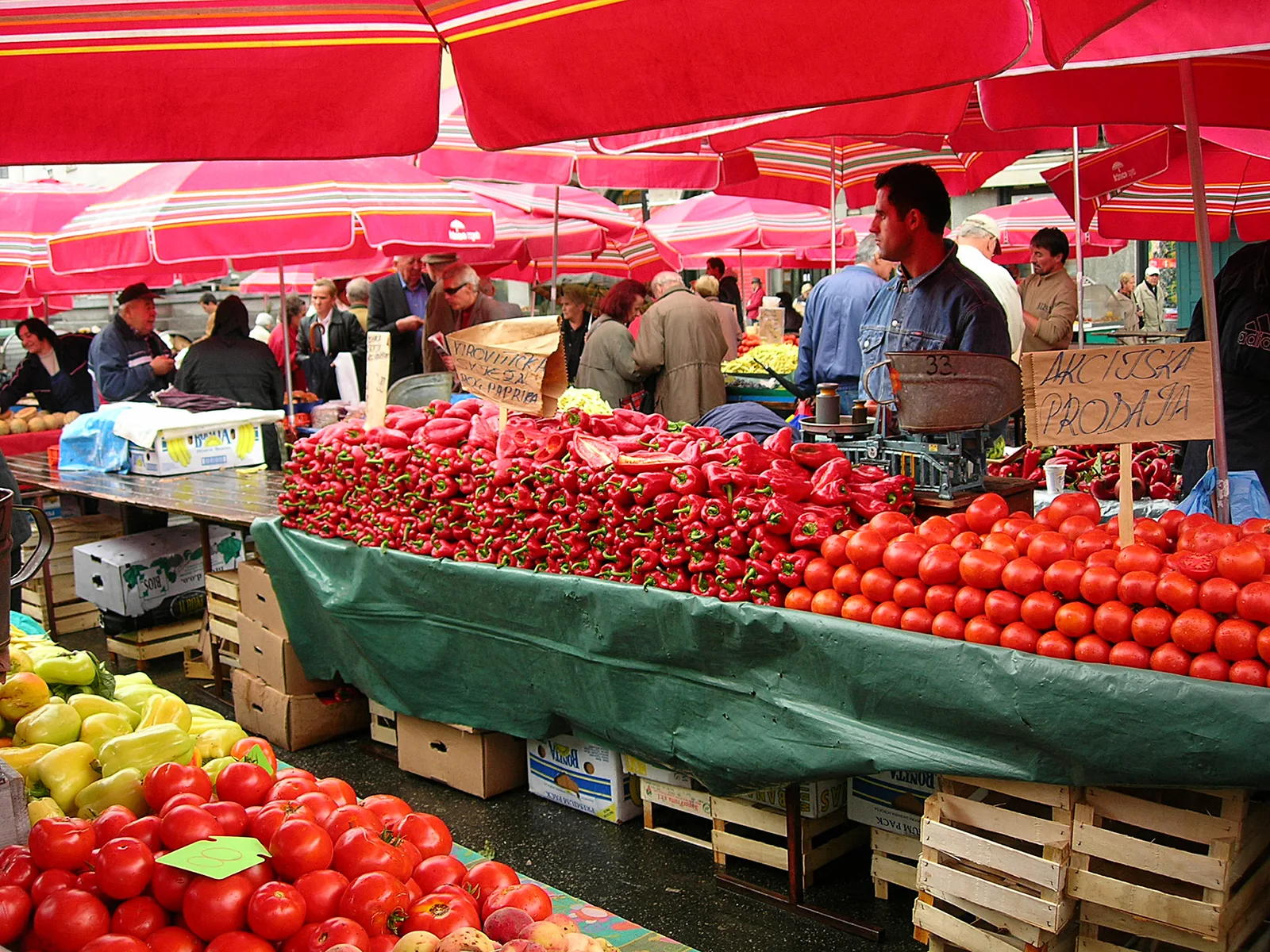
Dolac Market
Upper Town
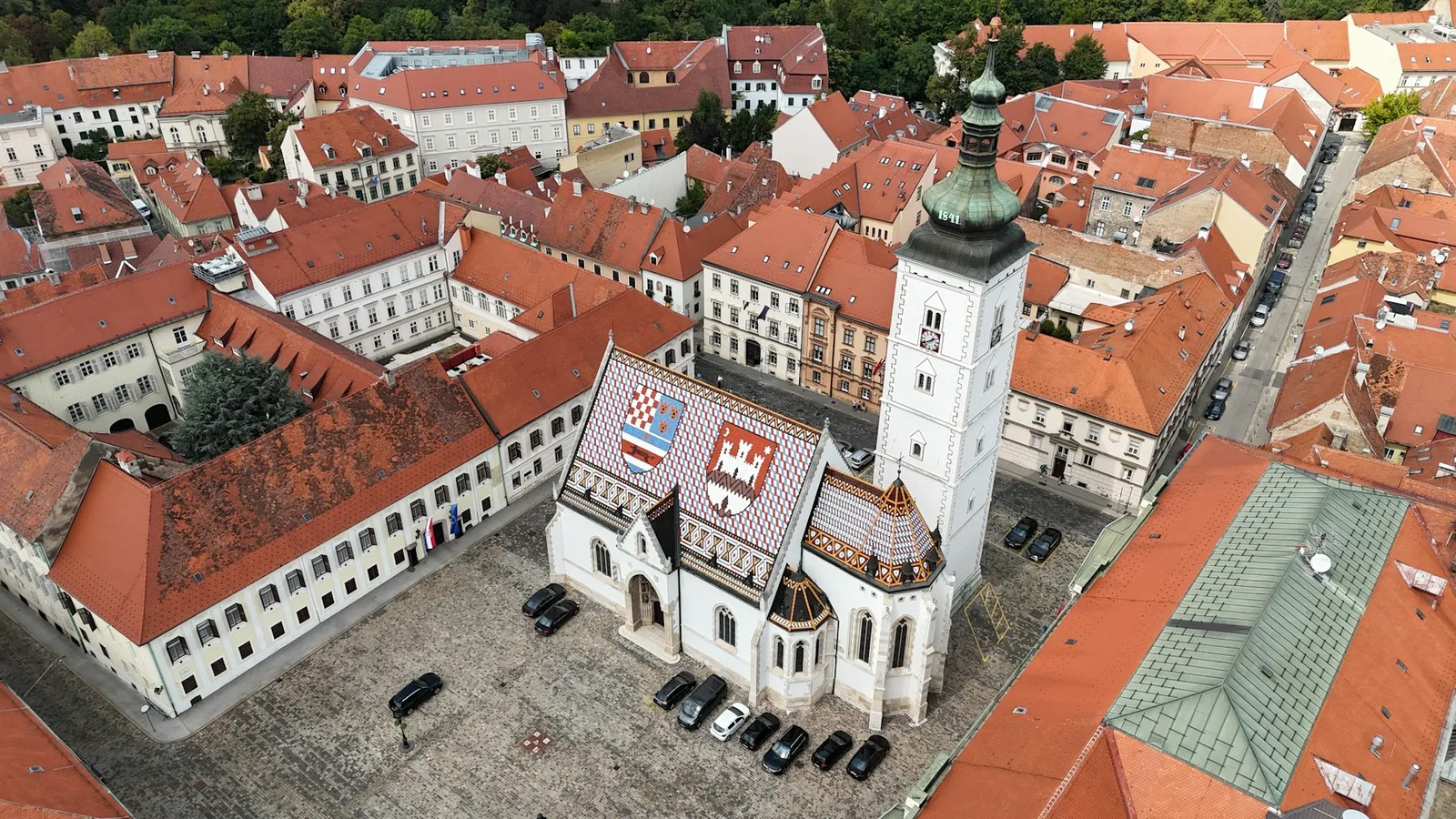
St. Mark’s Church
Stone Gate
Strossmayer Promenade
Lotrščak Tower
Museum of Broken Relationships
Lenuci’s Horseshoe (Green Horseshoe)
Grič Tunnel
Art Park (street art)
Museum of Illusions
Chocolate Museum
Atelier Meštrović
Lauba (House for People and Art)
Croatian Natural History Museum (HPM)
Ethnographic Museum
Britanski trg antique market
A first morning that feels like Zagreb
Begin at Dolac rather than beginning with a monument. The market gives you the rhythm of the centre in a single stop: fruit and bread stalls, people moving through the city, and the easy transition toward the Cathedral and Ban Jelačić Square. Buy a small snack if it appeals, but do not make it a mission to taste everything; the real value is that the morning starts with a place that still belongs to daily life.
From Dolac, choose coffee before or after Upper Town depending on the weather and your pace. A long coffee is not dead time in Zagreb; it is the pause that makes a walking day feel civilised. If you arrive early, take the centre slowly and reserve the viewpoint for later. If you arrive late, use the market-and-coffee sequence as an introduction and move the larger loop to the following morning.
Choose museums for the mood of the day
Zagreb is unusually good at museums with a clear point of view, so the best choice is rarely the biggest list of highlights. The Museum of Broken Relationships works when you want a compact, conversation-starting visit. The Technical Museum is better for a curious, weather-proof afternoon. The City Museum gives first-timers more context. A gallery day makes sense only if art is already the anchor; otherwise, one museum is usually enough.
Let the museum determine the walk around it. Pair an Upper Town museum with the Stone Gate and a view, or a Lower Town collection with the Green Horseshoe and a café. This prevents the familiar mistake of spending the brightest part of the day indoors and then attempting three unrelated stops because the ticket seemed to demand a longer commitment.
Use green space as part of the plan, not a break from it
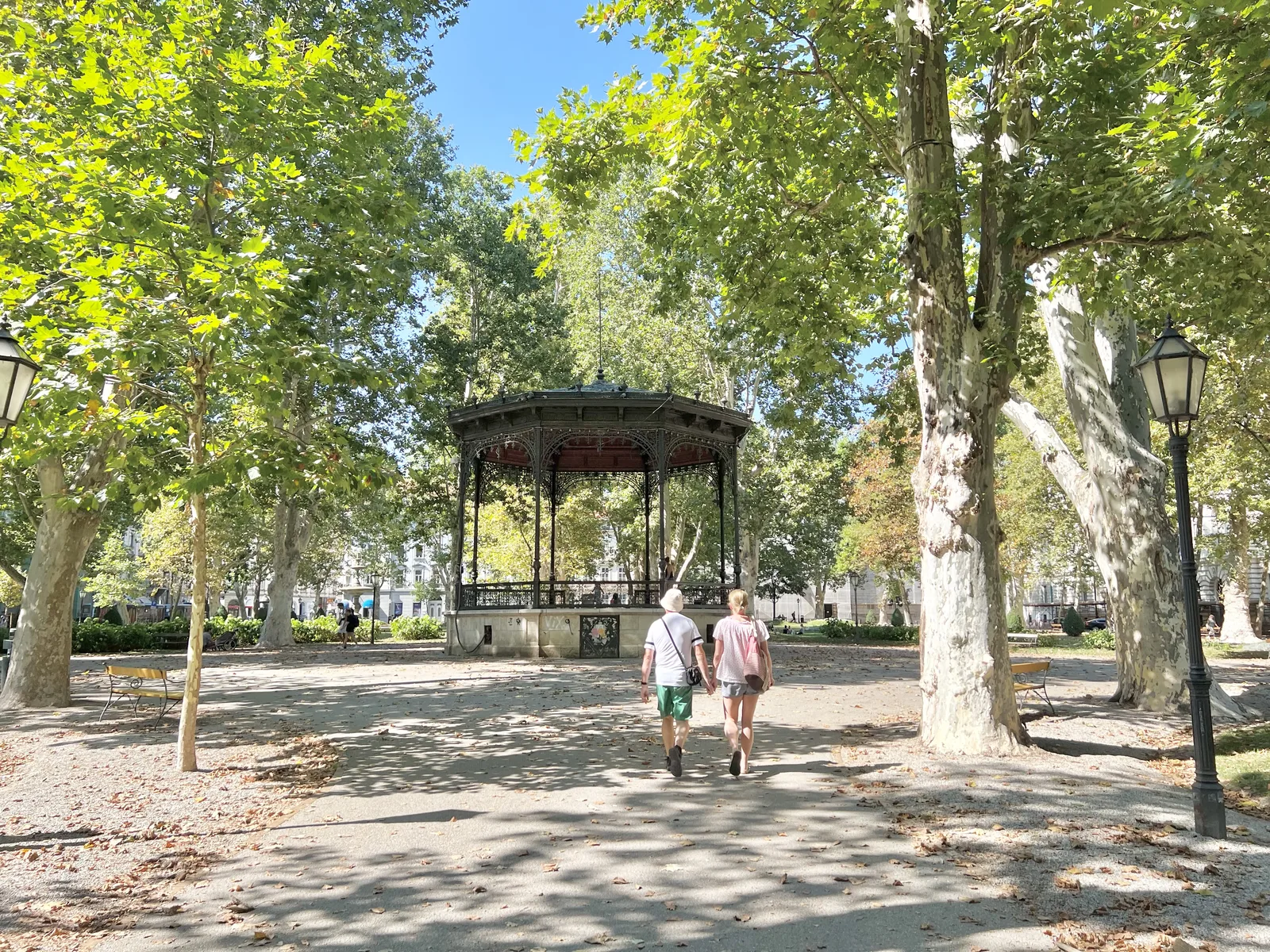
The parks are not filler between attractions. Lower Town’s linked parks let you turn a museum day into a walk with changing textures, and they are especially useful when the centre feels crowded. Zrinjevac is the most convenient pause; the wider Green Horseshoe gives the whole afternoon a graceful route without any need for a formal tour.
For a larger reset, choose Maksimir when you want trees, paths and an unhurried morning, or Jarun when a lakeside loop and a later sunset are the point. Both are better when you have time than when you are trying to squeeze them into a one-day visit. If the city only gives you a few hours, the Lower Town parks are enough—and they keep you close to dinner and the evening walk.
Eat and drink by building in time, not by chasing a list
Food in Zagreb works best when it follows the day rather than interrupting it. Start with a bakery or market snack, use coffee as a real pause, then choose one meal that you are happy to linger over. Tkalčićeva is useful for central energy and a late stroll; the streets beyond the immediate postcard core are often better for a calmer lunch or a more local-feeling evening.
Avoid trying to visit a famous café, a specialist coffee shop, a full restaurant and a bar in the same day. Pick the part that matters to you—coffee, Croatian food, wine, craft beer, dessert—and let the rest remain optional. The city is more enjoyable when you leave an evening with enough time to walk home rather than treating dinner as a timed reservation between two attractions.
Where you sleep changes the day more than you expect
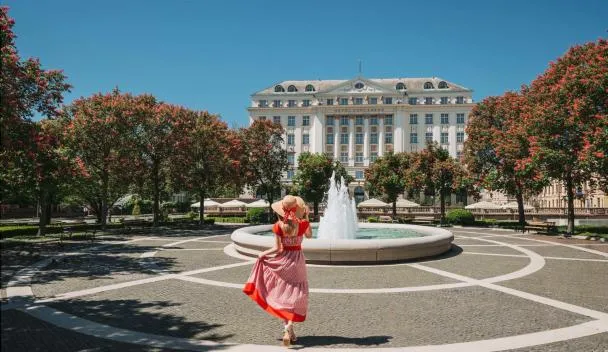
For a first or short visit, stay around Lower Town, the main square or the station side so you can walk home after dinner and reset between outings. Hotel Jägerhorn is a historic central option with a courtyard; Esplanade Zagreb Hotel is the station-side landmark; art'otel Zagreb offers a more contemporary design-led base. The right choice is about the route you want, not a generic ranking.
Upper Town is the moodier alternative for people who actively want old streets and quieter late evenings, with stairs and slopes as the trade-off. For a longer stay, tram-connected residential areas can offer more space or a different rhythm, but only if the actual route into the centre is simple. Use the dedicated area guide to make this decision before comparing individual rooms.

Save something for after dark
Zagreb changes gear after dinner. The centre is not a late-night spectacle in the way some capitals are, but that is part of its appeal: streets soften, terrace conversations stretch out, and the route between Upper Town, Tkalčićeva and Lower Town becomes a pleasant final activity in itself. Plan one evening with no more ambition than a good meal and a walk.
The most satisfying version is usually simple. Walk up to a viewpoint before dinner, eat within walking distance of the centre, then take the longer route back through a park or quiet street. In summer, delay the walk until the heat has gone; in winter, make a warm stop part of the route. If rain arrives, trade the walk for a bar or café and keep the mood rather than the itinerary.
This is also why a crowded daytime plan can feel disappointing in Zagreb. Leave one evening unclaimed. It gives you room for a second coffee, an unplanned dessert, a favourite street revisited in different light, or simply a direct walk back to the hotel when the day has already been enough.
The city’s best memories are often exactly these small transitions: market to coffee, museum to park, dinner to the route home. Give them enough time to happen, and do not mistake unhurried time for an empty plan, a wasted afternoon, or a missed opportunity at all.
Parks, viewpoints, and easy outdoor wins
Zagreb’s green spaces aren’t filler — they’re the city’s identity. Even a short visit feels calmer if you build in a park hour.
- Maksimir Park: old-growth-feeling paths, pavilions, and a classic “escape the city” mood without leaving town.
- Jarun Lake: sunset loops, water views, and summer energy — great if you want movement after a museum-heavy day.
- The Lower Town parks (“Green Horseshoe” vibe): stitch together mini-gardens, fountains, and museums with zero planning.
For a bigger nature reset, Medvednica (Sljeme) is your go-to mountain backdrop for hikes, viewpoints, and winter air.
Small rituals that feel like Zagreb
If you do just a few “local rhythm” moments, the trip instantly feels less touristy.
- Start at Ban Jelačić Square, then choose a direction (market, parks, or Upper Town).
- A Dolac morning: market walk + one small snack + coffee terrace.
- A slow park loop in the Lower Town (Green Horseshoe vibe) between meals.
- A dusk viewpoint in Upper Town (Strossmayer Promenade is the classic), then a walk back down through quiet streets.
- A quiet pause at the Stone Gate as you move through Upper Town.
- A night walk after dinner (Zagreb is softer after dark).
- If you’re nearby at noon: Lotrščak Tower area for the famous cannon moment.
A simple 1-day route (works year-round)
- Morning: Dolac Market → Cathedral area → coffee near the center.
- Late morning: Walk or ride up to Upper Town → St. Mark’s → Stone Gate → views.
- Afternoon: Museums (pick 1–2) → stroll the Lower Town parks.
- Evening: Tkalčićeva-area street-life → dinner → a slow night walk back through the center.
Want it mapped into a full schedule? Use the Weekend and First-Time guides and treat this as the “spine” of your trip.
If you have 2 days (weekend pacing that feels perfect)
Two days is a sweet spot. The goal is not more sights — it’s more time to let Zagreb feel like itself.
- Day 1: market morning → Upper Town loop → one museum → dinner + night walk.
- Day 2: Lower Town parks + one major museum → Maksimir or Jarun → relaxed evening drinks.
Pick your ‘Zagreb style’ (choose 2–3 and call it a plan)
Zagreb gets better when the plan is light. Pick a few themes and let the city fill the gaps.
- Classic landmarks + views: Upper Town, Stone Gate, Strossmayer Promenade.
- Café city: terrace sits, people-watching, and a slow coffee loop.
- Museums with personality: quirky, playful, and story-driven stops.
- Green city: parks, horseshoe loop, Maksimir, Jarun sunsets.
- Local mornings: markets, bakeries, and neighborhood streets (Trešnjevka/Kvatrić area).
- Romantic evenings: dusk viewpoints + lantern-lit walks + a long dinner.
Seasonal highlights (what’s actually different)
- Winter: Advent lights + cozy cafés + museum days (shorter walks, better evenings).
- Spring: parks at their best + the Festival of Lights mood for evenings.
- Summer: late sunsets + Jarun nights + terrace culture (do big walks early/late).
- Autumn: golden parks + quieter streets + great photo light.
Common mistakes (and how to avoid them)
- Over-scheduling museums: pick 1–2 great ones per day and let parks + cafés balance the rest.
- Skipping parks: Zagreb’s center is unusually green — use it to reset your pace.
- Treating coffee like a quick drink: one long café sit per day is the easiest way to ‘get’ the city.
- Missing the night walk: the center after dark is a signature Zagreb experience.
- Trying to force a long day trip on a short visit: choose an easy escape (Samobor/Sljeme) unless you have time for a big headline (Plitvice).
Practical notes (short and useful)
- Zagreb is walkable, but trams make it effortless to connect neighborhoods fast.
- Most museums and cafés are easy without reservations; for special restaurants, book ahead on weekends.
- Winter is cozy and atmospheric (Advent), summer is lively and late — plan for the city’s rhythm to shift by season.
Next reads (build your plan)
How to choose your first ten Zagreb experiences
A first visit needs breadth, but breadth does not mean ten unrelated pins. Start with three experiences that explain Zagreb’s shape: Dolac and Kaptol in the morning, an Upper Town loop through the Stone Gate and St. Mark’s Square, and a Lower Town walk organised by Zrinjevac and the Green Horseshoe. Those three reveal the market city, the historic ridge and the planned nineteenth-century centre. They also sit close enough together that the day still contains coffee, lunch and time to look up.
Choose two museums by contrast. One should add Zagreb or Croatian context—the City Museum, Croatian Museum of Naive Art or another collection whose current display answers a question about the place. The other can follow personal interest: broken relationships, contemporary art, technology, archaeology or design. Do not select both because they are famous, and do not put two label-heavy institutions back to back. A park, meal or neighbourhood walk between them keeps attention available for the second.
Add one substantial green space only when the stay is long enough. Maksimir is the wooded half-day choice; Jarun is the open, lake-led movement choice; Bundek makes most sense with Novi Zagreb. Lower Town’s parks remain the correct answer when the trip is short or the forecast uncertain. The same selection rule applies to neighbourhoods: Trešnjevka or Martićeva should replace another half-day plan, not appear as a token ‘local’ detour after every central sight.
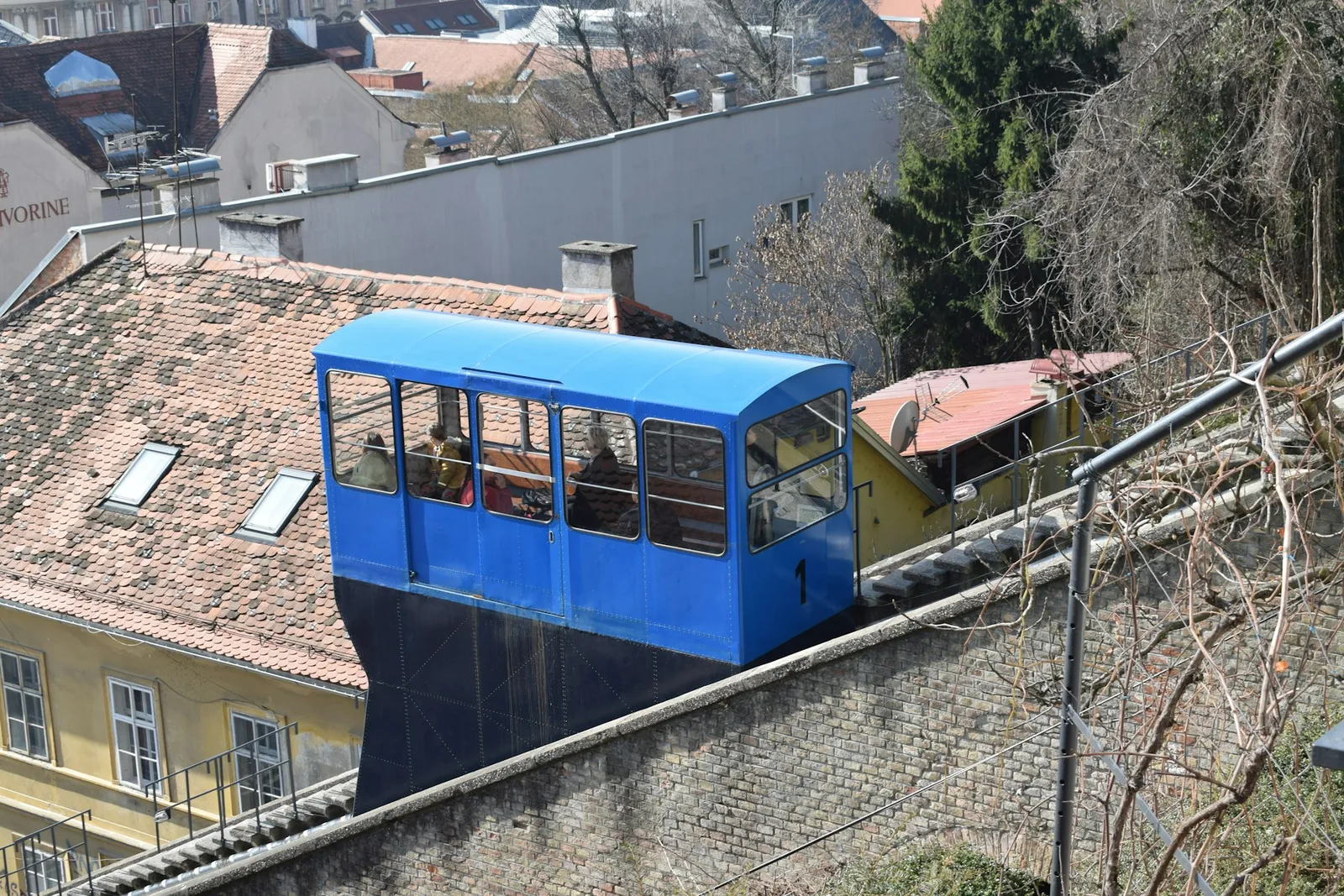
The final places should come from the trip’s purpose. Couples can reserve a dusk promenade and one hotel or restaurant-led evening. Families can make the funicular, zoo or Technical Museum the tangible anchor. Art travellers can give MSU the cross-river half day it deserves. Food travellers can compare Dolac with one residential market. The best-things list becomes useful only when it helps a visitor remove recommendations as confidently as it adds them.
Leave one slot deliberately unassigned until the first day. Zagreb is small enough that weather, a current exhibition, a market conversation or the simple desire to sit longer can improve the plan more than another preselected attraction. Use the open slot close to wherever the day already is. If Upper Town holds attention, stay on the ridge; if Lower Town feels right, extend the parks; if everyone is tired, make the unplanned experience dinner and a night walk. Flexibility is not missing research here—it is the final thing to do well.
This framework also protects the city from the weakest kind of sightseeing: arriving at a living market after it has wound down, entering a church during worship only for a picture, or crossing a residential district without a reason to stop. The best things to do are partly about timing and conduct. Check the current access that matters, arrive when the place can show its real function, and leave without demanding that every part of Zagreb perform for the itinerary.
Questions people actually ask
Is Zagreb worth visiting if I’ve already been to the Croatian coast?
Yes — it’s a different Croatia: cafés, parks, museums, and a Central European feel. Think “city break” more than “beach trip.”
How many days do I need?
Two full days is a sweet spot. One day covers essentials; three days adds day trips, slower meals, and deeper neighborhoods.
What’s the single best ‘Zagreb’ experience?
A market morning + a long coffee + an Upper Town dusk walk + a night stroll after dinner. That rhythm is the city in miniature.
Is Zagreb walkable?
Yes. The core is compact. Trams are best for longer hops (like to Maksimir or Jarun) and for saving energy when you’ve walked a lot.