
What it is (in one sentence)
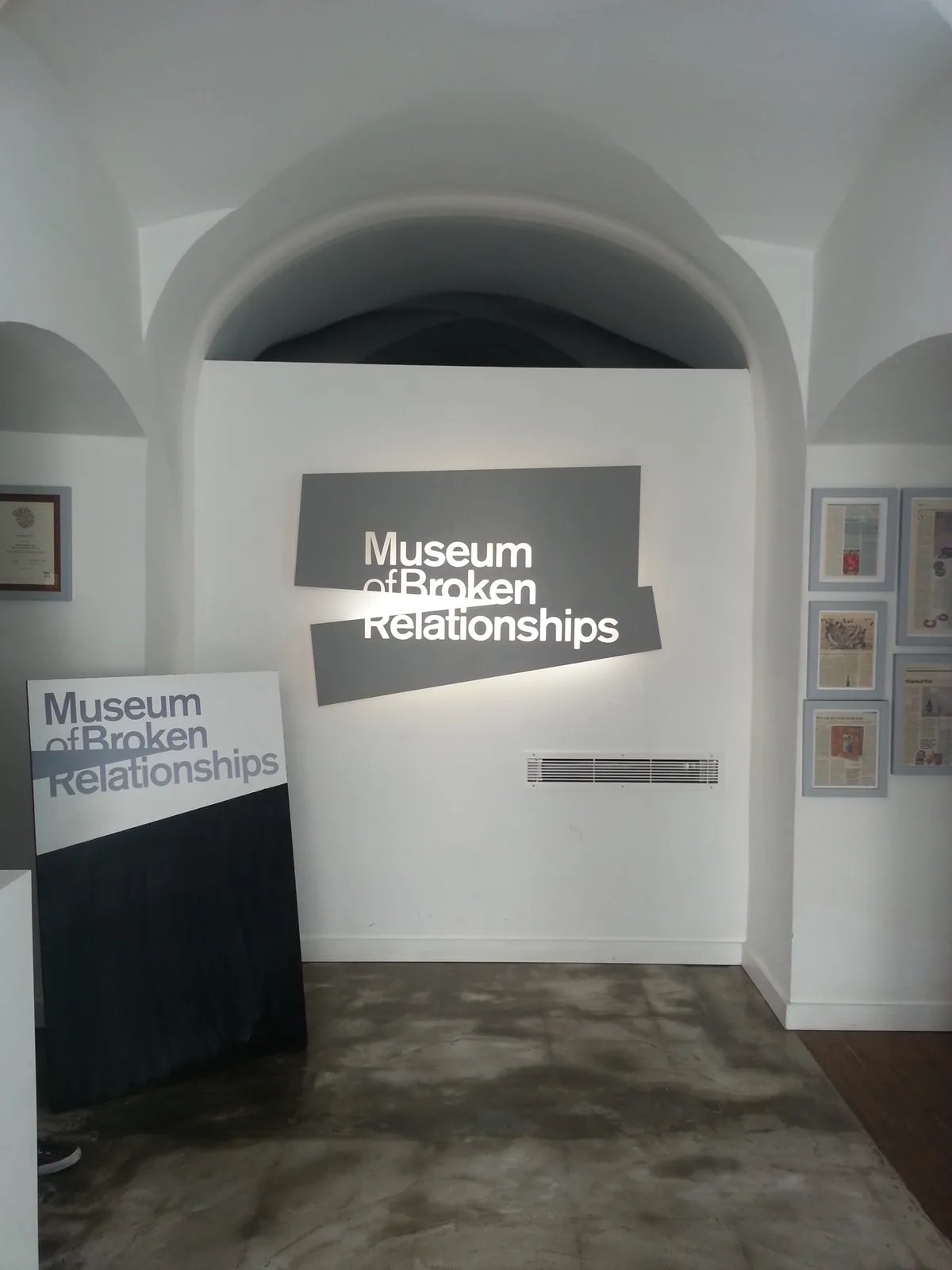
The Museum of Broken Relationships is a collection of objects and stories donated from around the world — a surprisingly human, sometimes funny, sometimes heavy museum that feels uniquely “Zagreb.”
How long to plan (and when it’s perfect)
- Plan 60–90 minutes for a comfortable visit (more if you read everything).
- Perfect on rainy days or when you want one “story museum” without committing to a full museum day.
- Great as a couples visit — but also surprisingly good solo.
- Leave a few minutes for the gift shop — its themed, tongue-in-cheek keepsakes (the museum’s wry take on love and loss) are among the more original souvenirs in Zagreb.
Pair it with a classic Upper Town loop
- Museum → Strossmayer Promenade viewpoint pause → Stone Gate → coffee/dinner.
Why the Museum of Broken Relationships belongs in the day
The Museum of Broken Relationships offers a human-scale counterpoint to Zagreb’s historic architecture. Personal objects and their stories turn an abstract theme into many small encounters, so the museum works through emotional attention rather than the chronological sweep expected from a conventional city collection.
Place it inside an Upper Town half day, ideally after the main outdoor loop and before a café or descent. That sequence lets the museum become the reflective interior chapter of the district rather than a separate journey. Avoid stacking it beside several other text-heavy museums.
What to notice and how to decide
Read selectively but carefully. The collection is strongest when a handful of stories receive real attention; trying to absorb every label can flatten their differences. Notice how ordinary objects gain meaning through the account beside them and give companions room to move at their own emotional pace.
The experience depends on current access, ticketing and crowd levels, so consult the museum’s official information. A quieter visit allows more space around the texts. Visitors sensitive to themes of loss may prefer to know the premise clearly before committing to the full collection.
Prioritise it if personal storytelling, unusual museums or relationship history genuinely interests you. It can be meaningful for couples, solo travellers and friends, but it is not required simply because it is famous. Choose another Upper Town cultural stop when the theme feels emotionally wrong for the day.
Choose it for object-led human stories, not novelty
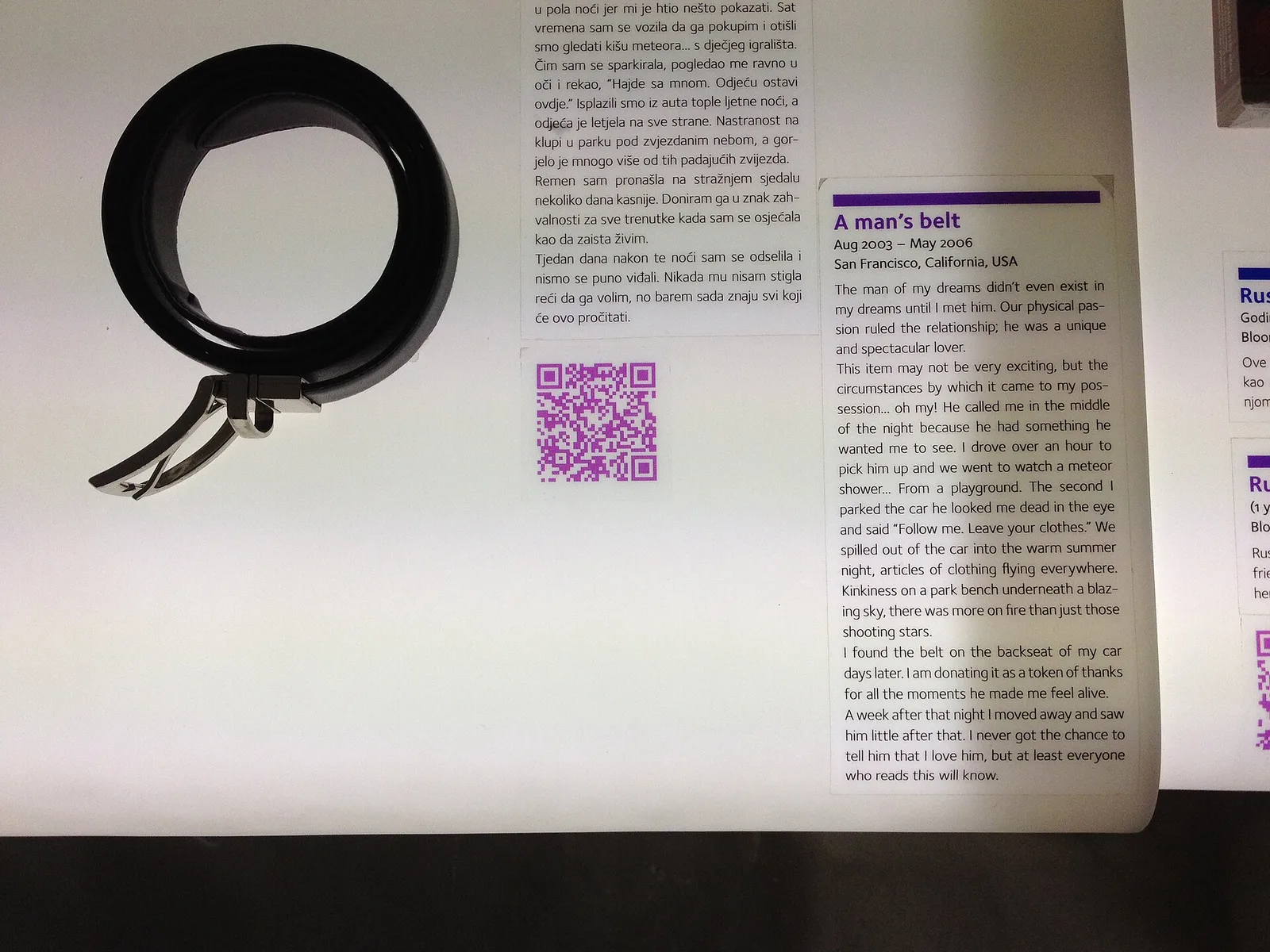
The museum is strongest for a visitor willing to read short personal narratives and consider how an ordinary object carries memory. A belt, pin or item of clothing has little art-market importance; its meaning comes from the anonymous donor’s account and the relationship between text and thing. Choose it when that interpretive method sounds compelling. Skip or shorten it when the group wants a broad history museum, large visual collection or emotionally neutral family activity.
The title can sound playful, but the stories can involve grief, betrayal, death, family separation and trauma as well as humour or relief. Visitors should enter with emotional choice. A recent breakup, bereavement or difficult family situation can make the material more intense than expected. It is acceptable to leave a room, skip a label or end the visit. No admission ticket requires a person to process every donated story.
Read one object, story and curatorial decision together
Begin by looking at the object before the full label. Notice its scale, wear and apparent ordinariness, then read the donor’s story and return to the object. Ask what changed: did the text make a generic item specific, did it create sympathy, or did it reveal how little can be known from material alone? This two-step reading is more productive than scanning labels only or photographing objects as curiosities.
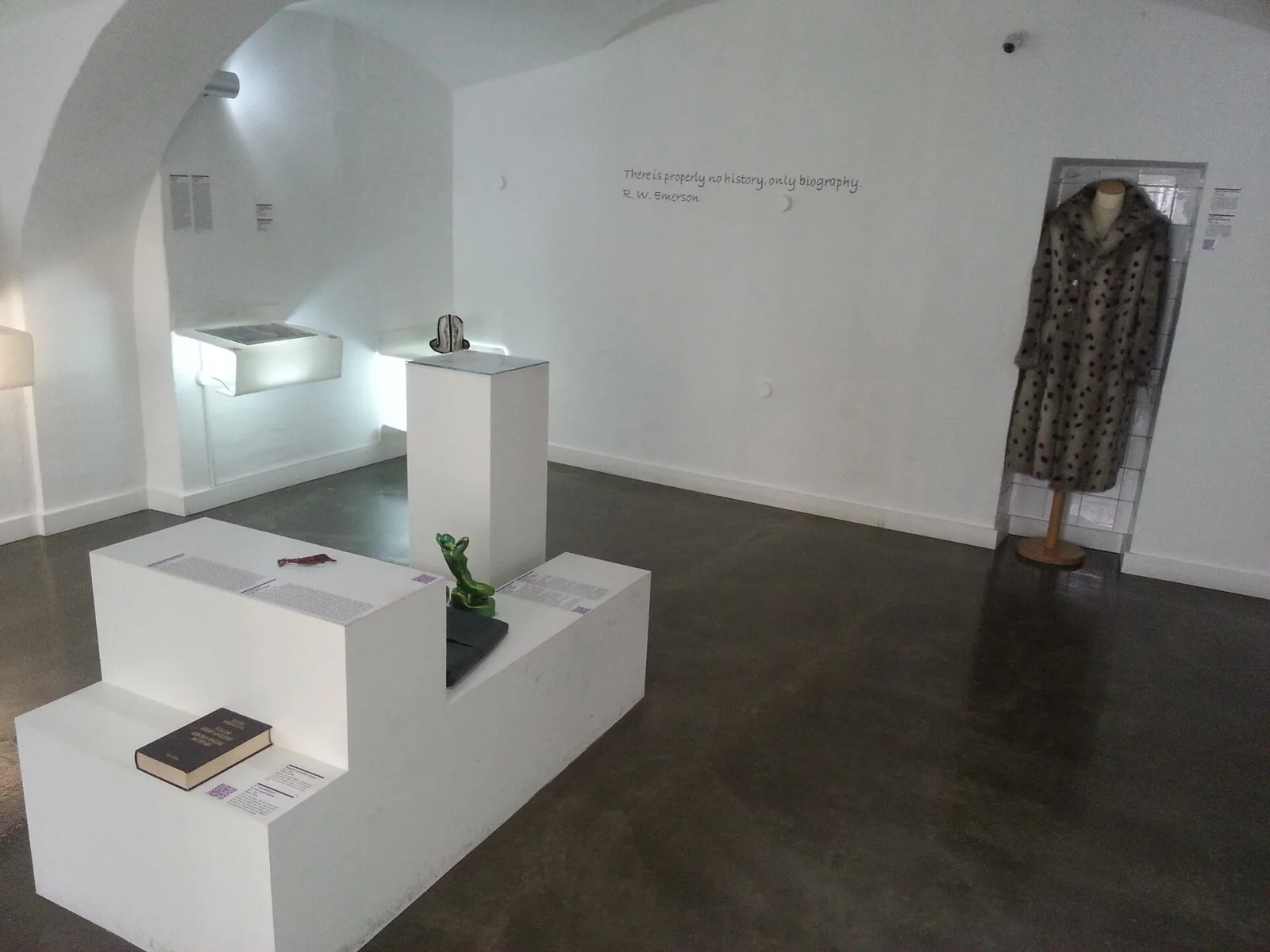
The museum’s white rooms and spaced plinths give small objects the authority of a conventional collection while the writing resists a single official history. Notice sequencing and distance between stories. Anonymous donation protects a person while still asking the visitor to take testimony seriously. Do not argue with a donor’s emotion because the object seems trivial; the institution is examining attachment, not authenticating the market value of a relic.
Use current visitor information, not an old long-hours claim
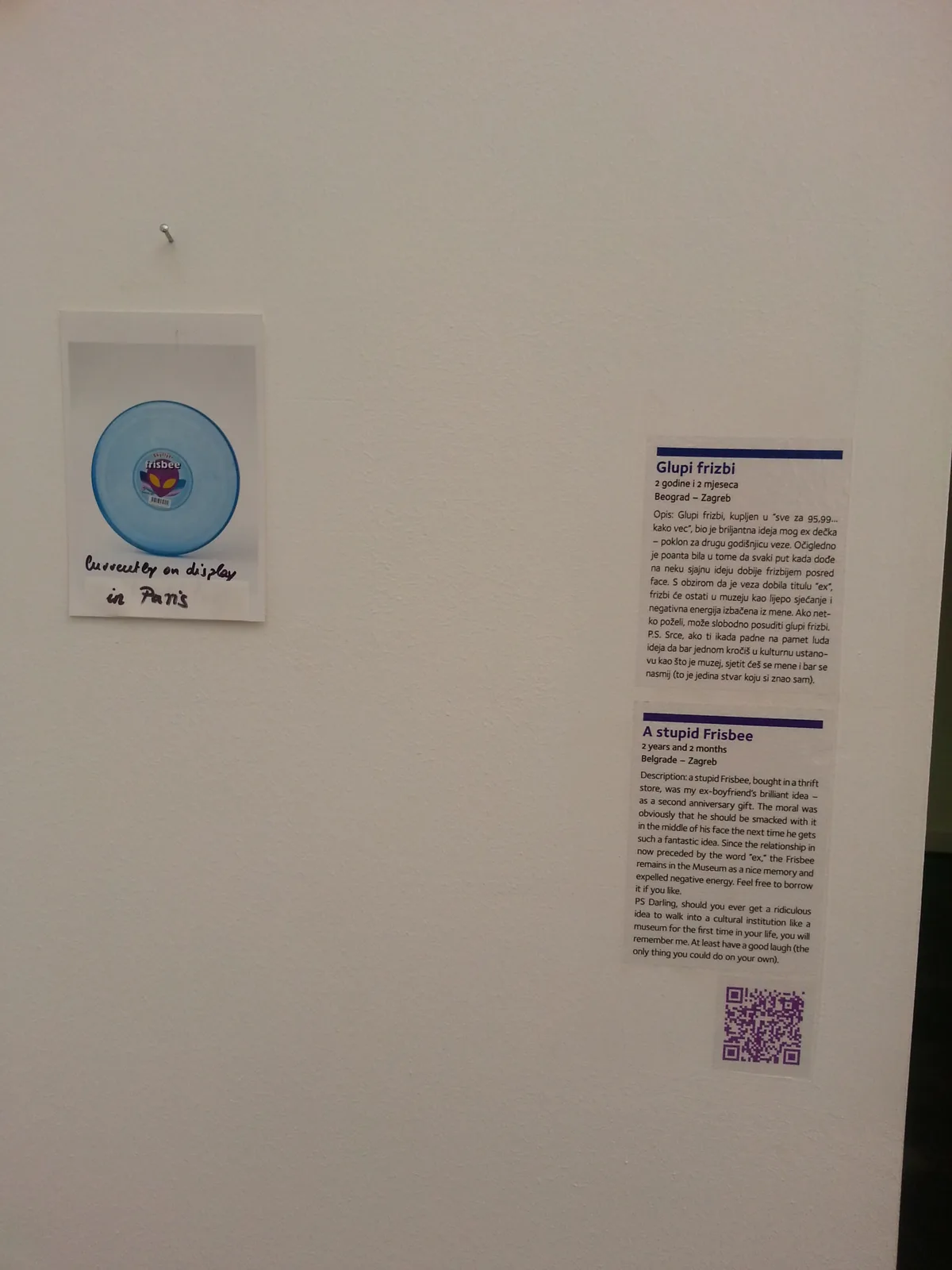
Check the official museum site for the date’s hours, last entry, admission, holiday closures and temporary programme. Tourist listings and older guides can disagree or retain obsolete currency and seasonal schedules. The collection also evolves through donations and travelling projects, so no article can promise that a photographed object remains on view. Treat the images here as documented examples of the museum’s method.
Save the exact Upper Town address and ticket offline. Ask about bags, lockers, toilets, languages, guided visits and accessibility before arriving when they matter. A compact floor area can feel crowded at peak times because visitors stop to read. If the entrance queue or rooms are dense, return at another verified time rather than forcing the group through other readers’ space.
Photography should not interrupt reading or expose strangers
Follow the current photography rules for every display. Disable flash when required, keep the phone close and never block a label while composing. Do not record another visitor’s reaction or conversation without consent. A person crying or laughing in front of a story is not part of the exhibition for social media. Credit the museum and describe the documented date when sharing an allowed object image.
Read a story before photographing it, then decide whether a photograph adds anything. QR codes, labels and personal text may have their own reuse limits; an admission ticket does not transfer copyright or a donor’s dignity. Keep doorways and narrow circulation open, lower screen brightness and silence the phone. The most respectful record may be a note about the question raised rather than a copy of the story.
Pair the museum with a quiet Upper Town route
The museum’s Cirilo-Metodska location fits St Mark’s Square, the Stone Gate, Klovicevi Dvori or a short Gradec walk. Choose one surrounding chapter and leave space after the collection rather than rushing into another emotionally dense museum. A viewpoint or café can provide time to talk. Government security, worship, weather or events can alter nearby access, so follow live signs instead of relying on the most direct map line.
Slopes, cobbles and steps make the approach part of the access decision. Research a continuous route and the museum entrance rather than assuming the central location is effortless. In rain or ice, shorten the street loop. A funicular status or taxi drop-off can change; verify current transport and keep a walking alternative only when it suits the group.
Choose a stay that allows an unhurried emotional visit
Boutique Hotel HOH is the researched Upper Town option when intimate atmosphere and a short old-street relationship matter more than flat terrain. Hotel Jagerhorn provides a central historic base near the Lower-to-Upper Town transition, while Amadria Park Hotel Capital offers a grander Lower Town position. We picked them for different routes, not because romance branding makes the museum suitable for every couple.
Check the exact room, access path, noise, cancellation and live walking route. Couples should agree that different stories may land differently and avoid using the collection as a test of the relationship. Solo visitors can plan a public, comfortable pause afterward. If the material becomes overwhelming, return to accommodation or a familiar central space rather than filling the day with more emotionally charged attractions.

Donation is part of the museum’s ethics, not a visitor stunt
The collection grew through donated objects and stories, but a visitor should not arrive with an item expecting immediate acceptance or public display. Read the museum’s current donation process, consent terms and curatorial requirements. Consider the privacy and safety of other people named or implied by a story. Emotional ownership of an object does not automatically grant the right to publish another person’s identifiable life.
Donation can be meaningful, therapeutic, performative or regretted; the museum is not a substitute for counselling, legal advice or crisis support. Keep a copy only when the official process recommends it, understand whether an accepted object can travel and ask how withdrawal or anonymity works. Never leave an unsolicited object at reception or turn another person’s belonging into a surprise donation.
After the visit, discuss one story that changed the meaning of its object and one curatorial choice that raised a question. Do not rank the donors’ pain or use the funniest story to dismiss the serious rooms. If material connects to a current unsafe relationship or mental-health crisis, seek appropriate local or professional support. A museum can open reflection; it cannot carry responsibility for what happens next.