
Why it’s one of Zagreb’s best walks
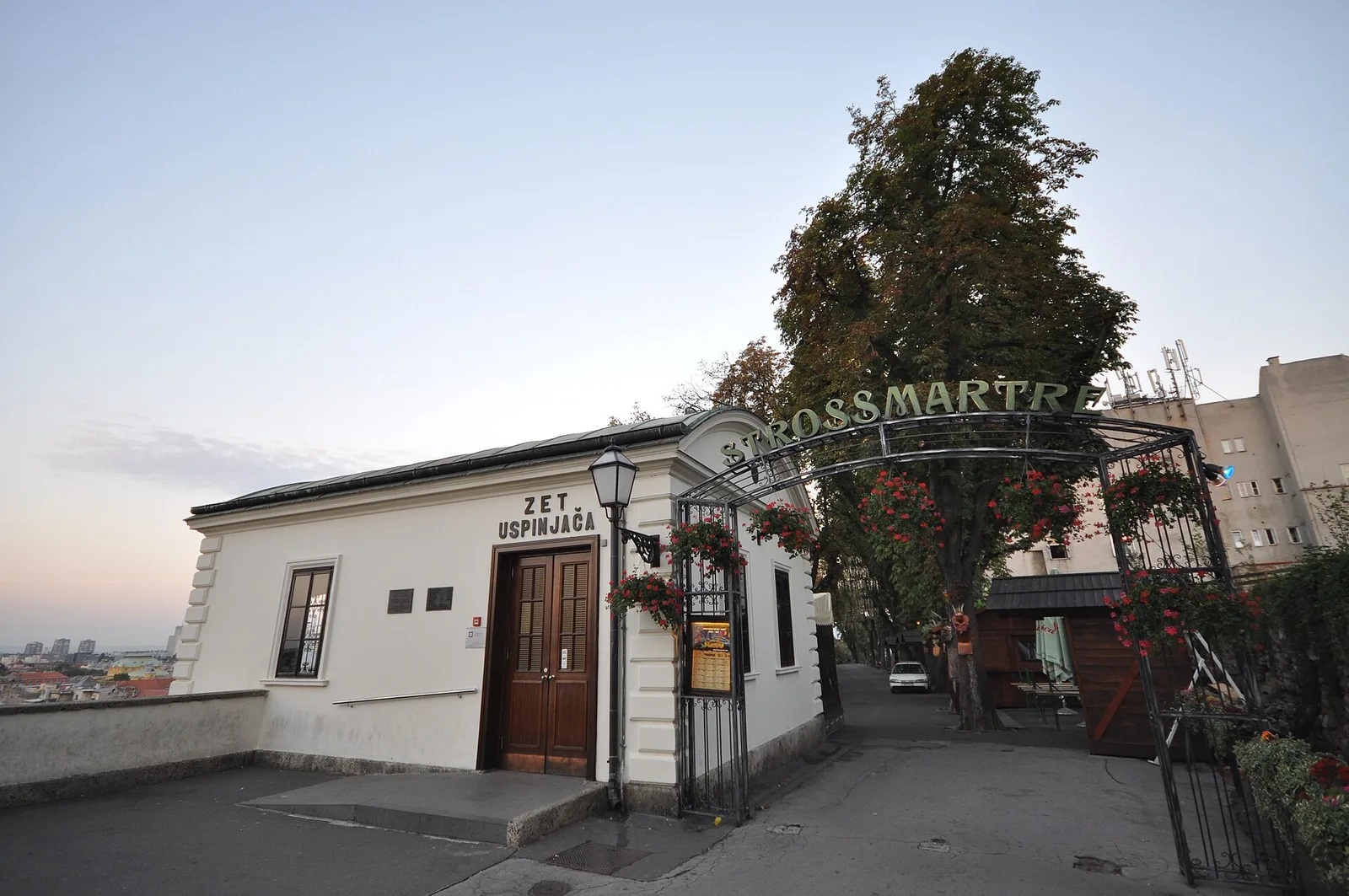
Strossmayer Promenade (Štros / Stross) is the easy Upper Town “view walk”: a tree-lined stretch where you can sit, watch the rooftops of the Lower Town, and let the city feel soft for a moment.
It’s less about a single viewpoint platform and more about a slow drift: benches, light, and the feeling that you don’t need to do anything besides look.
What you’ll see (and why it’s special)
- Panoramic views over the Lower Town rooftops and streets.
- A classic Upper Town atmosphere: chestnut trees, benches, and calm.
- The Antun Gustav Matoš statue — a small Zagreb icon to find on the promenade.
Best time to go
- Golden hour → dusk: the most romantic, cinematic version of Zagreb.
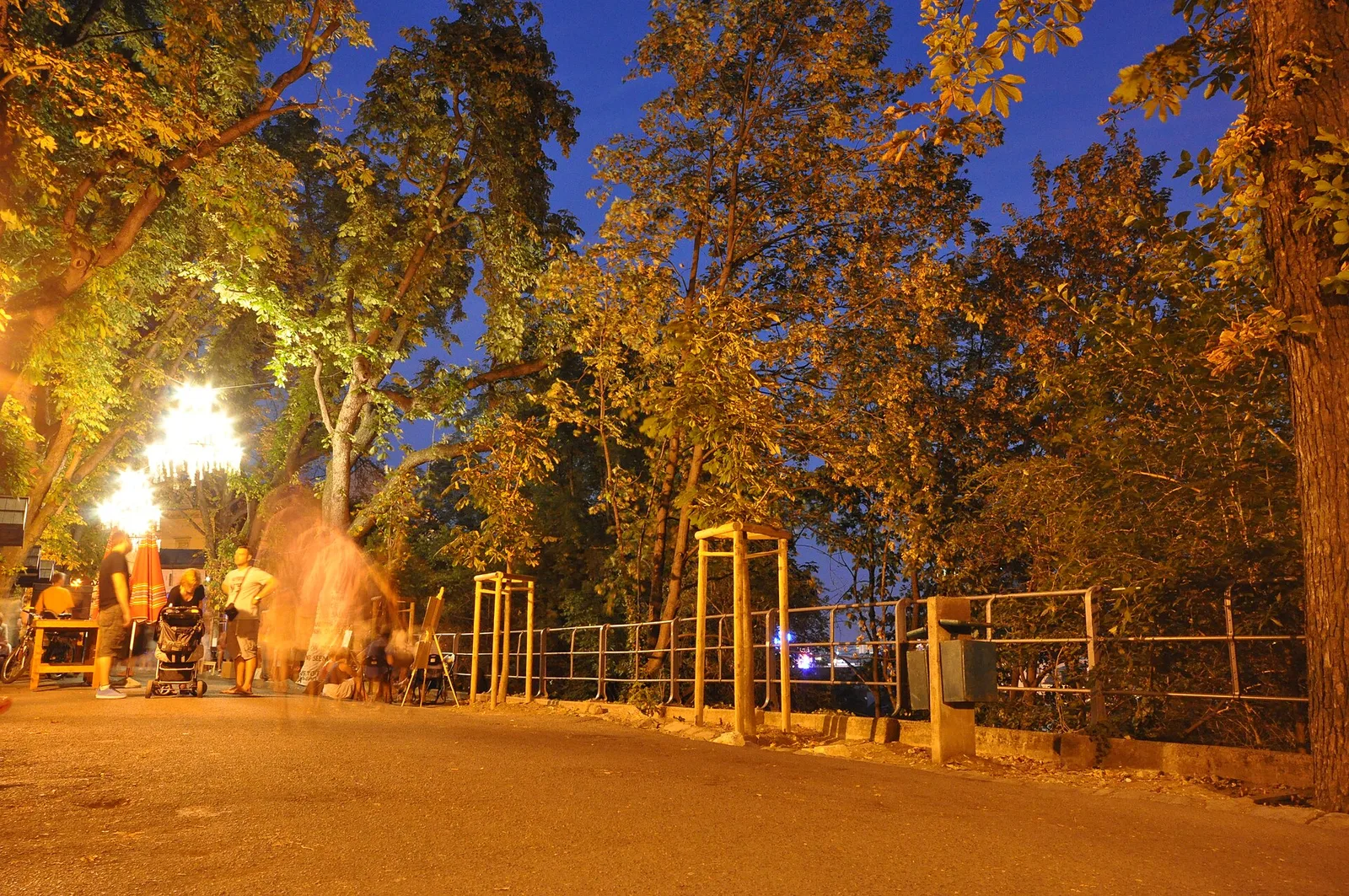
- Night: quieter, lantern-lit, and surprisingly peaceful.
- During seasonal events: it can become part of Advent or summer programs — check official listings if you want that vibe.
The easiest loop to combine with it
- Start at Ban Jelačić Square → walk up into Upper Town → Strossmayer Promenade pause → Stone Gate → back down toward cafés.
Why Strossmayer Promenade belongs in the day
Strossmayer Promenade is Upper Town’s natural breathing space: trees, views and a linear walk release the density of stone lanes and civic squares. It works as a transition and pause, giving the historic district an outward-looking finish rather than another enclosed monument.
Reach the promenade after St. Mark’s Square and the Upper Town lanes, then follow it toward the funicular side. The reverse direction is equally useful when ascending from Lower Town. Build it into a loop with the Stone Gate so the same streets are not repeated unnecessarily.
What to notice and how to decide
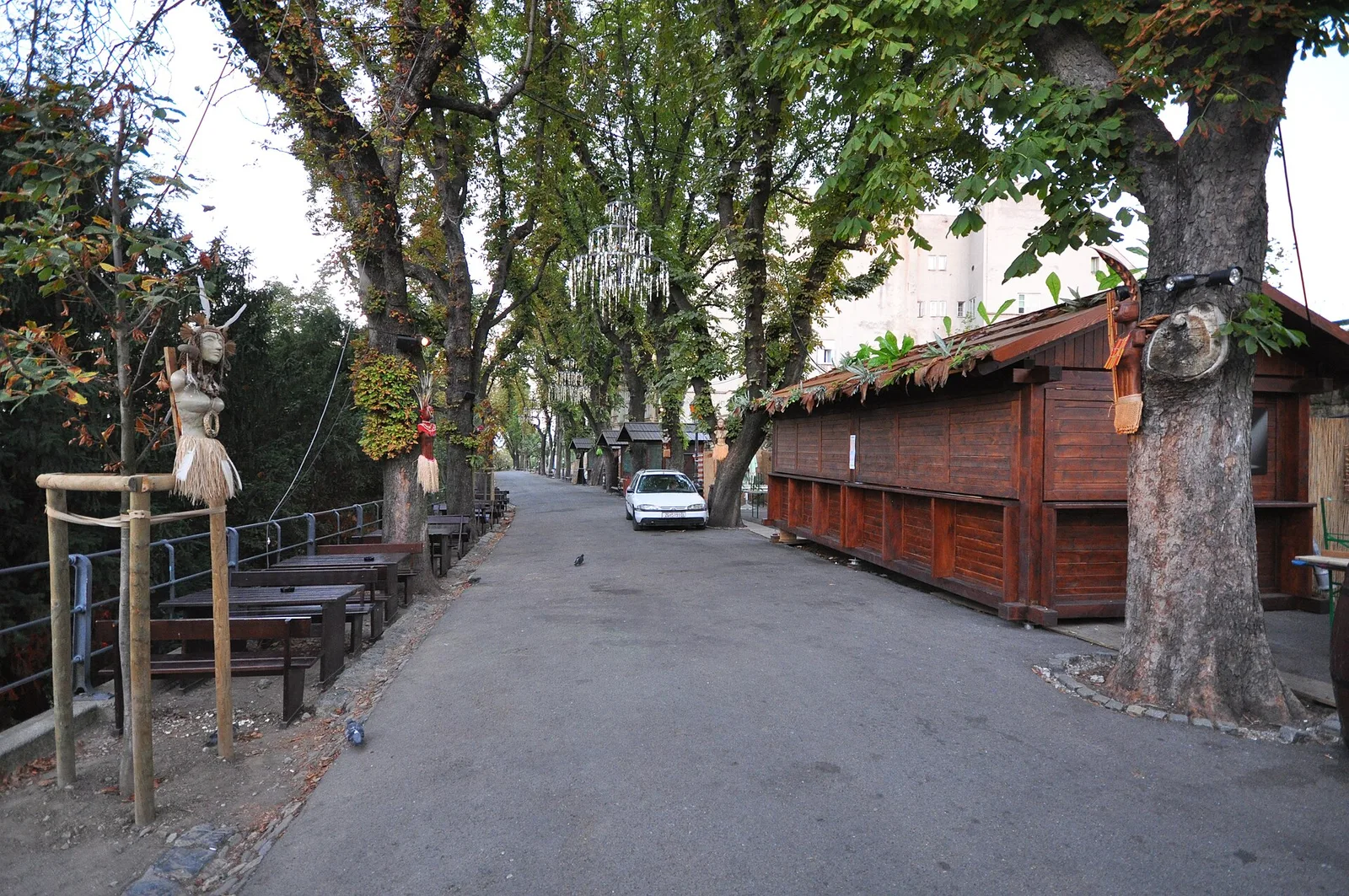
Look outward to understand Lower Town’s grid and inward to notice how the promenade sits against the historic ridge. Benches, trees and changing sight lines matter as much as one famous viewpoint. Pause long enough for the elevation change to become legible on the city map in your head.
Views depend on weather and seasonal foliage, while events or temporary installations can change the atmosphere. Slopes and nearby steps still matter even though the promenade itself feels gentle. At dusk, plan the descent and dinner direction before lingering beyond the light.
Prioritise the promenade on every unhurried Upper Town visit, especially for couples, photographers and first-timers who want geographical context. Shorten it in severe weather or when mobility makes the connecting terrain difficult. Its strength is the way it completes the district, not a separate list of attractions.
Separate the permanent promenade from Strossmartre
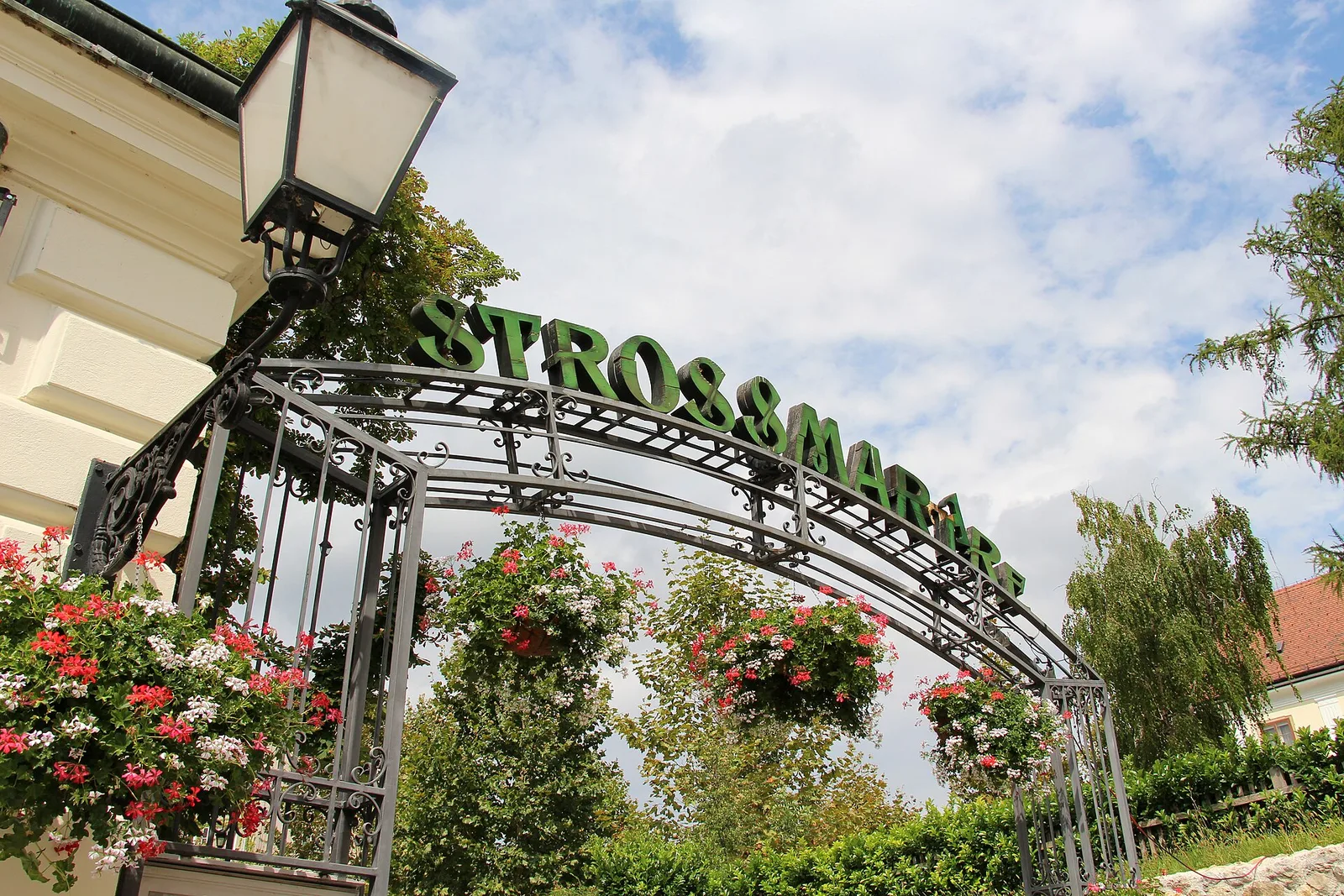
Strossmayer Promenade is a permanent Upper Town path and viewpoint. Strossmartre and other markets, lighting, stalls, music or decorations are temporary programmes layered onto it. The sourced images show ordinary paths, closed stalls, chandeliers and event arches at different moments. Check the current organiser or tourist-board calendar before promising food, music or decoration. The walk remains valid when every stall is shut.
This distinction changes timing. A quiet morning serves architecture, trees and orientation; an event evening serves social atmosphere but may reduce sightlines, seating and easy circulation. Choose the condition that fits the group. Do not call a normal empty promenade disappointing or describe an old event photograph as the current setup.
Walk west to east or east to west with an endpoint
The upper funicular station and Lotrscak form the obvious western anchor. From there, follow the path along the Gradec edge, pause at legal outlooks and continue only as far as the chosen Upper Town route requires. In the other direction, use the promenade as the final city-view chapter before descending. A defined endpoint prevents the group from retracing the same edge after fatigue.
Save the descent or hotel route before dusk. Stairs, cobbles and slopes outside the promenade can be harder than the mostly level visual impression along the railing. Government security, construction, events or weather can close a preferred continuation. Use the open signed route and avoid creating shortcuts through planting, residential access or staff areas.
Read the view instead of collecting one panorama
Use the outlook to connect Upper Town’s edge with Lower Town roofs, park axes and the larger city. Identify where the funicular descends and how the slope separates street levels. The view is lower and more lateral than Lotrscak’s tower panorama, which can make building relationships easier to understand. Haze, foliage and construction change what is visible, so no landmark list should be guaranteed.
At the Matoš statue, recognise a specific public artwork and the writer’s relationship with Zagreb rather than using the bench only as a prop. Leave space for other visitors and do not climb or add objects. Love locks, stickers and unofficial additions should not be encouraged; adding metal to public railings creates maintenance and heritage impacts even when older guides romanticise it.
Events change sound, access and neighbour impact
A programme can bring music, food, craft stalls, lighting and queues into a narrow residential heritage edge. Check dates, hours, payment, weather notices and any bag or access conditions with the organiser. Keep emergency and residential routes open, follow sound and alcohol rules and carry rubbish to a proper bin. A free public event is still shared space rather than a private terrace.
Families should set a fixed meeting point before crowds form. Visitors needing reduced sensory load can use a quieter time or a short non-event section. Temporary cables, ramps and stalls can alter step-free circulation. Ask event staff about the current route rather than relying on the ordinary promenade description. When weather cancels a programme, do not approach equipment or staff zones to see what remains.
Weather and photography require edge awareness
Tree shade can make the path pleasant in heat, but it is not safe shelter during lightning or strong wind. Rain and leaves reduce grip, while ice can make the descent hazardous. Follow DHMZ warnings and local closures. At night, carry a light for connecting streets without shining it into homes or other visitors’ eyes. Turn back before the route becomes an unfamiliar dark descent.
Photograph from the side of circulation, keep tripods and bags away from the path and never sit or stand on the railing. Do not push a phone or camera over another person. Commercial, drone and staged work can require permission. Date event images and credit artists or organisers; chandeliers or arches photographed in one year should not become an undated permanent description.
Pair the promenade with one tower, museum or hotel route
Combine Strossmayer Promenade with Lotrscak Tower when the climb and opening suit, or with one Upper Town museum and a descent. Do not make it a separate return journey between St Mark’s Square and dinner. The promenade works as connective tissue: view, pause and orientation inside a larger Gradec loop. Keep Stone Gate worship and government-space etiquette distinct from event atmosphere.
Hotel Jagerhorn makes the lower transition and Ilica return compact; Boutique Hotel HOH supports an Upper Town stay; Hotel Capital suits a broader central base. Verify the exact room, slope, noise and live event route. During Strossmartre, nearby atmosphere can be appealing without promising silence. Choose the property for the whole night, not an event arch.

Treat the promenade as a working urban edge
The path occupies a former defensive edge but now works as everyday public space between homes, institutions, the funicular and visitor routes. Read both layers. The retaining wall, changing level and long outward sightline explain the old boundary; benches, bins, lighting and ordinary foot traffic explain the present promenade. Neither layer requires a festival. Pause where the path widens, then leave the main line open for people moving through rather than sightseeing.
Gradec is not an outdoor museum sealed around visitors. Residents receive deliveries, workers maintain the landscape and emergency services need access. Keep voices low near homes, do not enter doorways for a photograph and never move barriers or furniture. When an official diversion interrupts the ideal route, accept the detour. The quality of the walk comes from understanding a shared city edge, not claiming uninterrupted control of every viewpoint.
Notice how the experience changes over a short distance: enclosed tree cover gives way to an opening, the Lower Town grid appears below, and Lotrscak provides a vertical landmark behind. Record those transitions in notes or photographs instead of producing four nearly identical panoramas. A careful sequence of path, edge, view and onward route tells the promenade’s story more accurately than an isolated sunset image. It also remains useful in flat light, when the city is visible but no dramatic photograph appears.