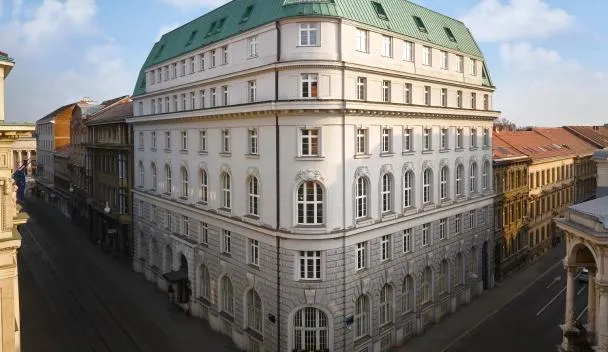
Why this square matters
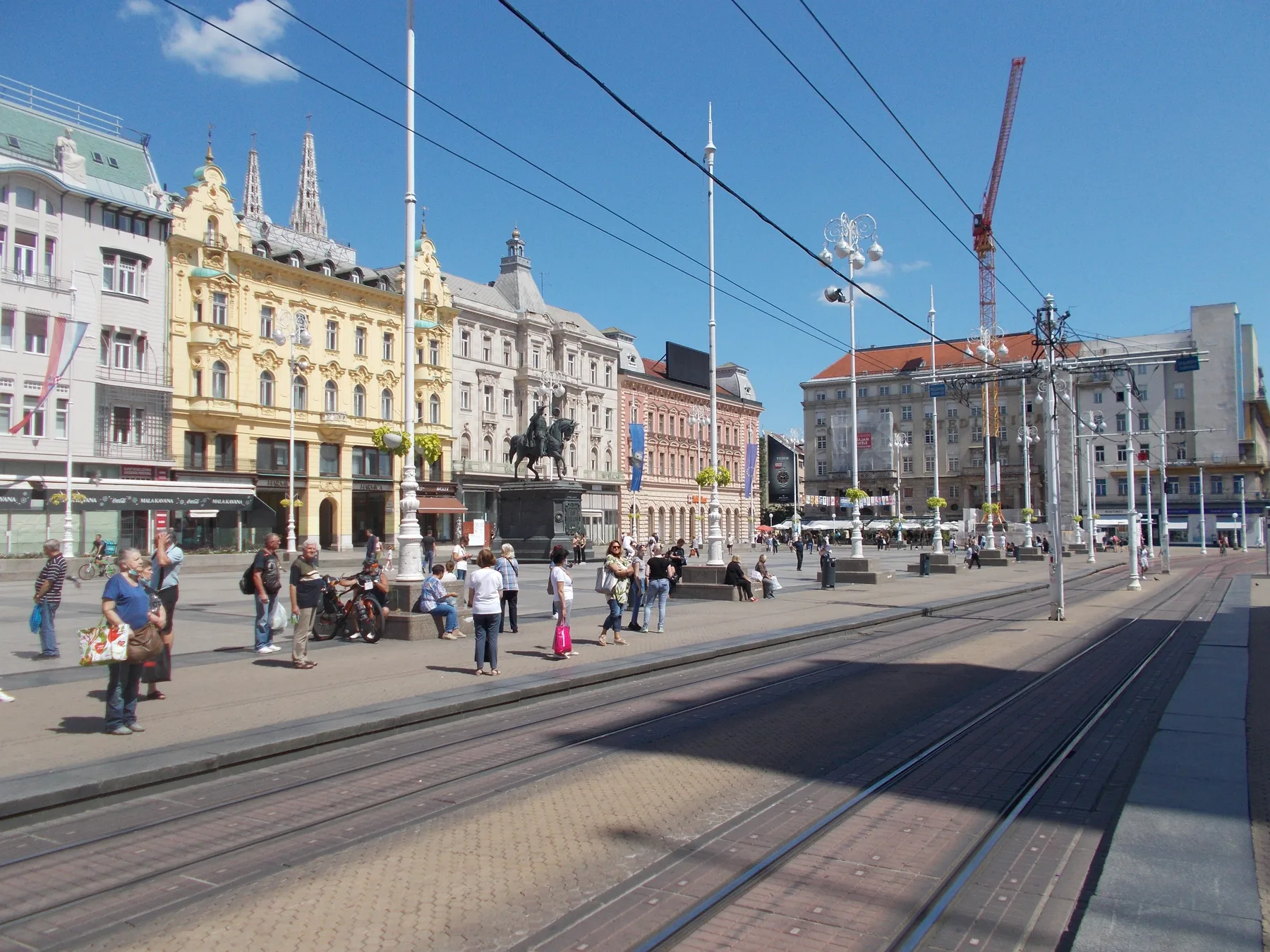
Ban Jelačić Square is the “front door” of Zagreb: the place where routes begin, trams pass through, and friends meet before a coffee that lasts longer than planned.
If you’re only in Zagreb for a short trip, treat this square as your orientation point. From here, you can reach Dolac Market, the cathedral area, Upper Town stair routes, and the Lower Town parks in minutes.
What to notice in 10 minutes
- The Manduševac fountain and spring: a classic Zagreb story and an easy “pause point.”
- The statue of Ban Josip Jelačić: the city’s most referenced meeting landmark (“under the horse’s tail”).
- The view lines: Dolac Market uphill, Ilica stretching west, and the café streets branching off nearby.
- Tram rhythm: this is where the city feels most “alive,” especially in late afternoon.
Best nearby directions (pick one)
- Uphill morning: Dolac Market → cathedral area → Upper Town viewpoints.
- Green reset: Lower Town parks loop (Zrinjevac and the Green Horseshoe vibe).
- Street-life evening: Tkalčićeva for cafés and casual nightlife.
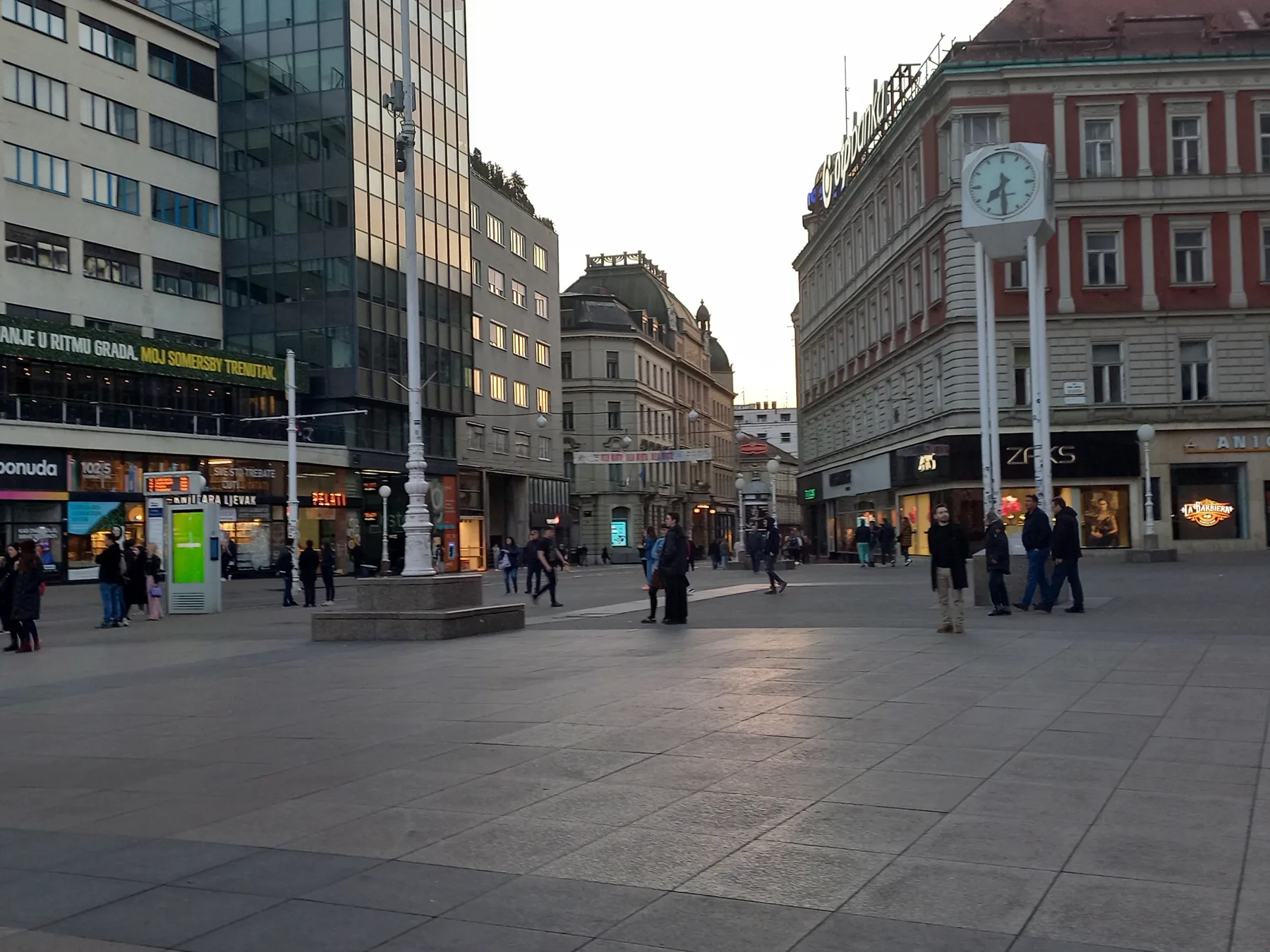
Local meeting points (you’ll hear these)
- “Under the clock”: a classic meetup spot on the west side of the square.
- “Under the horse’s tail”: the informal meetup reference to the equestrian statue.
If you want to feel instantly local, use one of these phrases once — it’s a Zagreb cliché for a reason.
Why Ban Jelačić Square belongs in the day
Ban Jelačić Square is Zagreb’s central meeting point and the hinge between Lower Town, Dolac, Kaptol and Ilica. Its importance comes from movement and orientation as much as monuments: trams, rendezvous and changing crowds show the centre functioning in real time.
Use the square at the start of a first-day route, then leave it with purpose toward Dolac or Lower Town. Return after dark to compare the atmosphere. Repeated crossings are natural, but a well-planned itinerary should not bounce through the square between every unrelated stop.
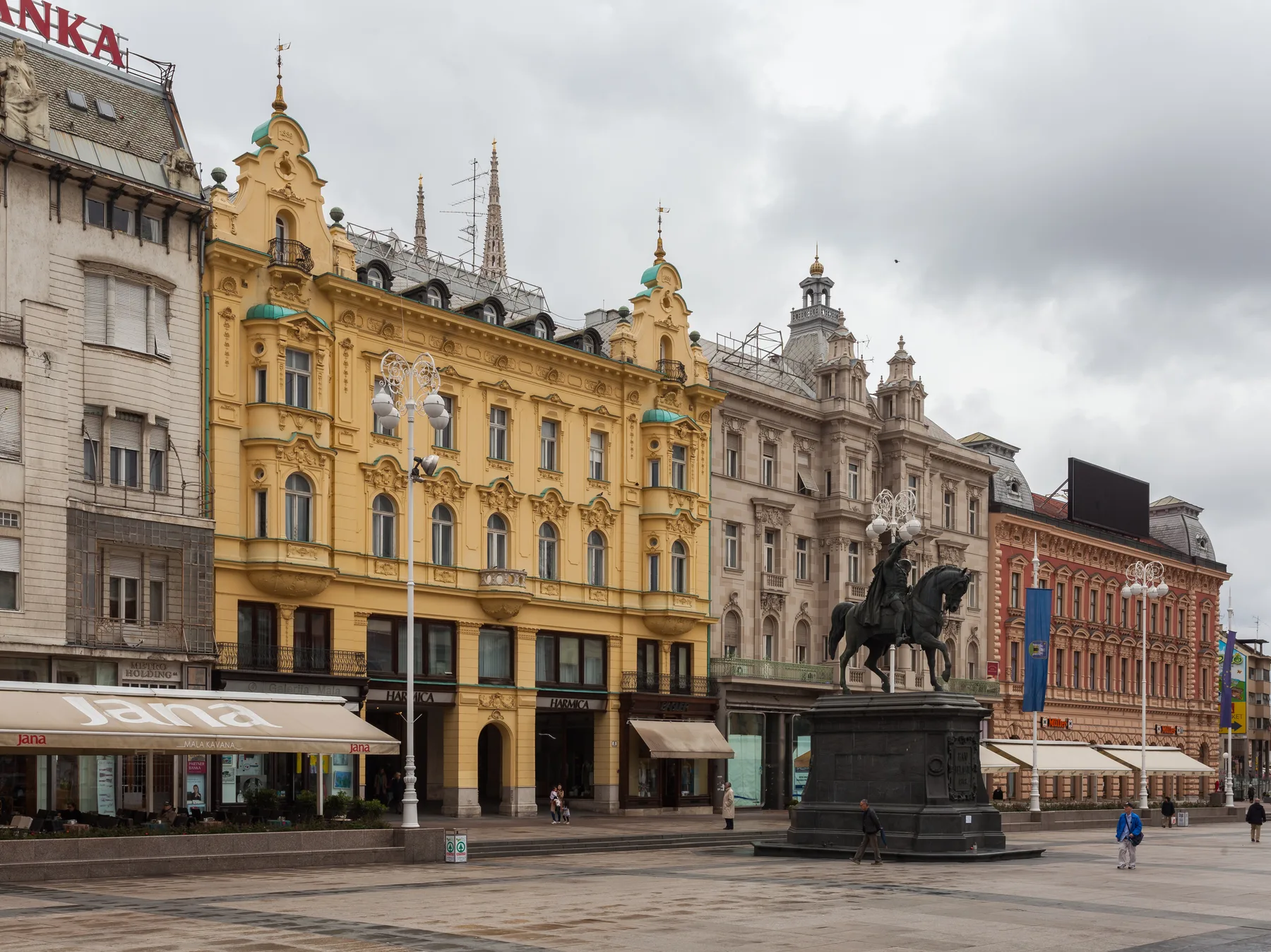
What to notice and how to decide
Read the whole space before focusing on the statue or Manduševac Fountain. Watch how tram corridors, façades and pedestrian routes define the square. Stand clear of commuter flow and choose a safe edge for orientation instead of stopping abruptly in the busiest crossing line.
Public events, seasonal installations, demonstrations or works can change circulation and noise. Keep belongings secure in dense crowds and follow temporary transport directions. A square-facing hotel room may trade convenience for sound, so recent reviews and room orientation matter.
Every first-time visitor should pass through the square, but few need to schedule a long standalone visit. Its value is geographical and social. Pair it with the market, Cathedral quarter, Ilica or a Lower Town walk and let the changing city provide the detail.
Use the square as an interchange before an attraction
Ban Jelacic Square is the central hinge between Ilica, Lower Town, Dolac, Kaptol and the approaches to Gradec. Begin by identifying the tram corridor, the west-side clock, the equestrian statue and the uphill market route. Those anchors make the square useful even when an event, construction site or crowd interrupts the classic postcard view. Decide the next direction before joining the busiest crossing line.
Do not spend an hour circling a space whose main value is orientation and city life. Ten attentive minutes can reveal public transport, nineteenth-century facades, meeting customs and the transition between lower and upper Zagreb. Return at another time only when a market morning, public event or evening atmosphere creates a genuinely different chapter. The square should simplify the itinerary, not repeatedly reset it.
Meet under the clock or under the horse with precision
InfoZagreb identifies two established meeting references: under the clock on the west side and under the horse’s tail at the Jelačić statue. Use the phrase together with a map pin and a time. A large demonstration, festival stage or tram disruption can make the familiar landmark inaccessible, while a first-time visitor may stand on the wrong side of the statue. Share a backup point beyond the event footprint.
Families should choose a fixed edge away from rails and agree what happens if phones fail. Do not wait in the tram path, on a tactile route or across a shop entrance. If police or stewards establish a cordon, move the meeting rather than negotiating through it. Local shorthand is useful because it coordinates movement; repeating it as trivia without an exact location misses the practical value.
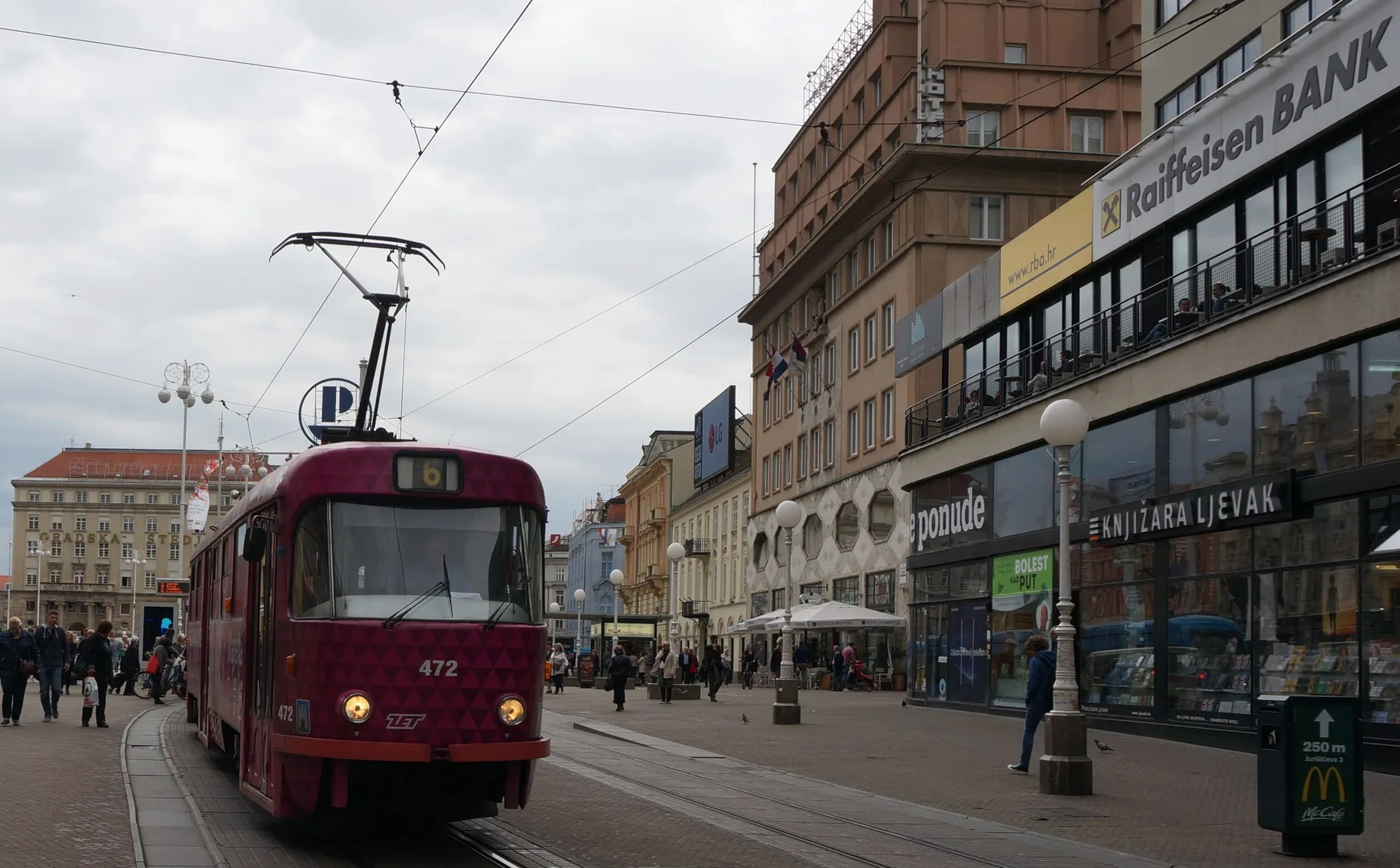
Read the tram corridor before crossing it
Trams make the square feel pedestrian while remaining moving rail vehicles. Cross only at the intended route, look in both directions and keep headphones low. Rails can be slippery when wet and can trap narrow wheels. Never step backward into the track for a photograph or assume a quiet moment means service has stopped. Follow ZET and on-site traffic instructions during diversions.
Board at the correct signed platform, let passengers leave and keep the doorway clear. A group should know its destination and ticket before the tram arrives. If people become separated, meet at the pre-agreed point rather than holding a door. Travellers using wheelchairs, strollers or other mobility aids should verify the current accessible vehicle and stop conditions; a level-looking square does not prove the complete journey.
Separate the square’s history from the statue’s changing position
The tourist board describes the square as a commercial centre from the seventeenth century and notes the nineteenth- and later-century architecture around it. Read the facades as a sequence rather than labelling every building with one style. The space has carried different names and political meanings while continuing to host trade, transit and assembly. That continuity is more informative than a compressed list of dates.
Anton Dominik Fernkorn’s monument to Ban Josip Jelacic was installed in 1866, removed in 1947 and returned in 1990 with a changed orientation. State those well-sourced facts without turning the figure into a neutral mascot. Visitors interested in the Ban’s political role should use a museum or scholarly history; the square guide can explain how public monuments are placed, removed and reinterpreted as regimes and urban layouts change.
Treat Mandusevac as one layer, not the whole square
The Mandusevac fountain marks a spring associated with the city’s water history and name legend. Look at its low basin, surrounding chain and position inside the open square, then keep the pedestrian line clear. The familiar story of Manda and the verb zagrabiti belongs to Zagreb folklore; present it as a legend rather than proven etymology. The separate fountain guide develops that distinction.
Do not drink from the basin, enter it or encourage children to touch water and coins. Seasonal decoration can cover or visually transform the fountain, as the dated Advent image shows. Verify the live installation instead of promising an unobstructed view. When maintenance turns the water off, the spring story and square relationship remain; a working jet is not the only evidence of the place.
Public events can replace the normal square
Concerts, demonstrations, sports celebrations, Advent installations and official ceremonies can introduce stages, barriers, amplified sound and transport changes. Check the City, ZET, police and organiser for the relevant date. An archive photograph does not establish today’s layout. Keep emergency corridors open, respect security instructions and do not cross a demonstration simply to reproduce a viewpoint.
People with crowd or sensory concerns should approach from an edge with a known exit and leave before density becomes uncomfortable. Families need a meeting point outside the stage perimeter. Commercial filming, drones and large tripods may require permission even though handheld public-space photography is usually ordinary. Do not photograph a distressed person or identifiable protest participant as generic travel atmosphere.
Choose one onward route and a hotel that supports it
For a market morning, go uphill to Dolac and Kaptol; for Upper Town, continue through the appropriate signed route; for Lower Town, walk towards Zrinjevac and the station axis; for evening street life, use Tkalciceva deliberately rather than drifting between terraces. Check cathedral, market, funicular and church access separately. The square’s openness guarantees none of them.
Amadria Park Hotel Capital provides a researched central base near the eastern approach, while Hotel Jagerhorn supports Ilica and the lower Upper Town transition. Esplanade suits a station-and-Lower-Town route, not immediate square access. Verify the exact room, tram noise, pedestrian approach and event calendar. A very central pin can reduce transfers while increasing sound and crowd exposure.