
Start with the market
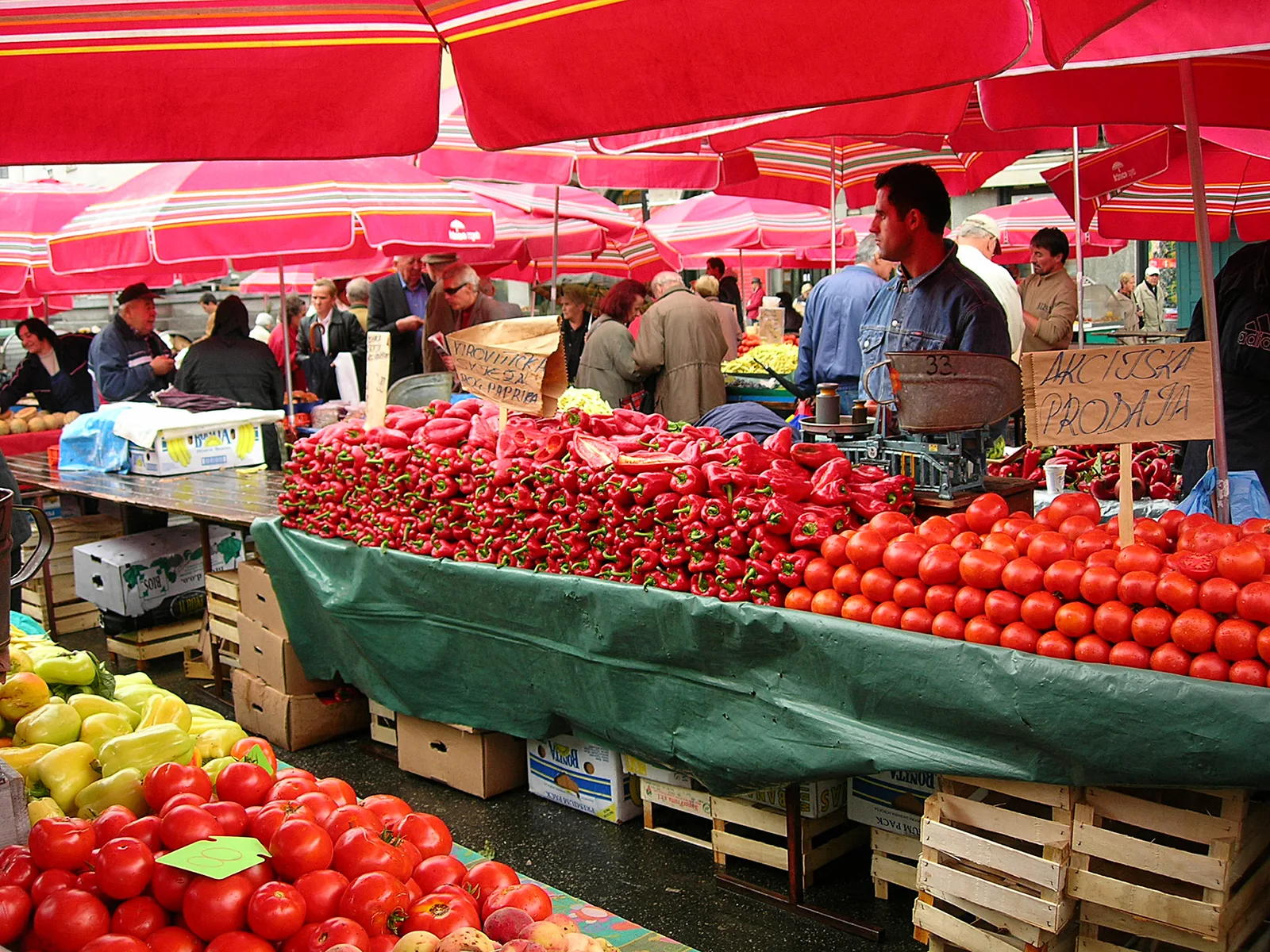
If you want to understand Zagreb quickly, go to Dolac Market. Even if you don’t buy much, you’ll feel the city’s everyday rhythm — and you’ll find easy snack inspiration.
If you love markets, add one neighborhood market to your trip. You’ll see a different, more everyday version of the city — and the food shopping feels less like sightseeing and more like real life.
What to try (Zagreb classics)
- Štrukli: baked or boiled, savory or sweet — a comfort-food icon around Zagreb and the region.
- Zagrebački odrezak: a Zagreb-style schnitzel that’s hearty and satisfying.
- Market snacks: simple produce, pastries, and whatever looks best that morning.
- Coffee culture: less “grab and go,” more “sit and stay.”
What to eat (more specific, still practical)
Think of Zagreb food as “warm and Central-European-leaning” — the kind of meals you want after a walk. Here are a few more concrete targets that show up across the city.
- Štrukli (again): if you only try one local comfort dish, make it this one.
- Burek and savory pastries: best as a fast lunch before a museum or walking loop.
- Kremšnita (cream cake): a classic treat — especially if you do a Samobor day trip.
- Seasonal market fruit: buy what looks perfect and eat it immediately (it’s the most Zagreb snack possible).
- Local beer night: Zagreb has an easy craft-beer culture if you want a relaxed evening.
Café culture (yes, it’s part of the food story)
In Zagreb, coffee is not a quick drink — it’s a ritual. Even if your main goal is food, one long coffee sit per day is part of how the city tastes and feels.
- Do one terrace coffee for people-watching (the full ‘Zagreb pause’).
- Do one coffee-first stop if you care about the cup (specialty vibe).
- Pair coffee with a short walk: parks, viewpoints, or a market loop.
Fast lunches that make sense in a walking itinerary
The best Zagreb lunches often look like ‘quick + satisfying’ so you can keep walking.
- Savory pastries (including burek): perfect between museums and viewpoints.
- Market-style snacks: fruit, cheese, bread — simple and surprisingly satisfying.
- A warm comfort-food plate when it’s cold or rainy (then walk it off).
Vegetarian & vegan travelers (easy win)
Zagreb is friendly for vegetarian and vegan eating — especially if you use cafés, bakeries, and modern bistros as your base.
A delicious day in Zagreb (template)
- Morning: Dolac + pastry + coffee.
- Lunch: something classic and local (hearty, warm).
- Afternoon: café stop + dessert.
- Evening: dinner + a good glass of wine + a walk.
A 2-day food plan (weekend-friendly, no stress)
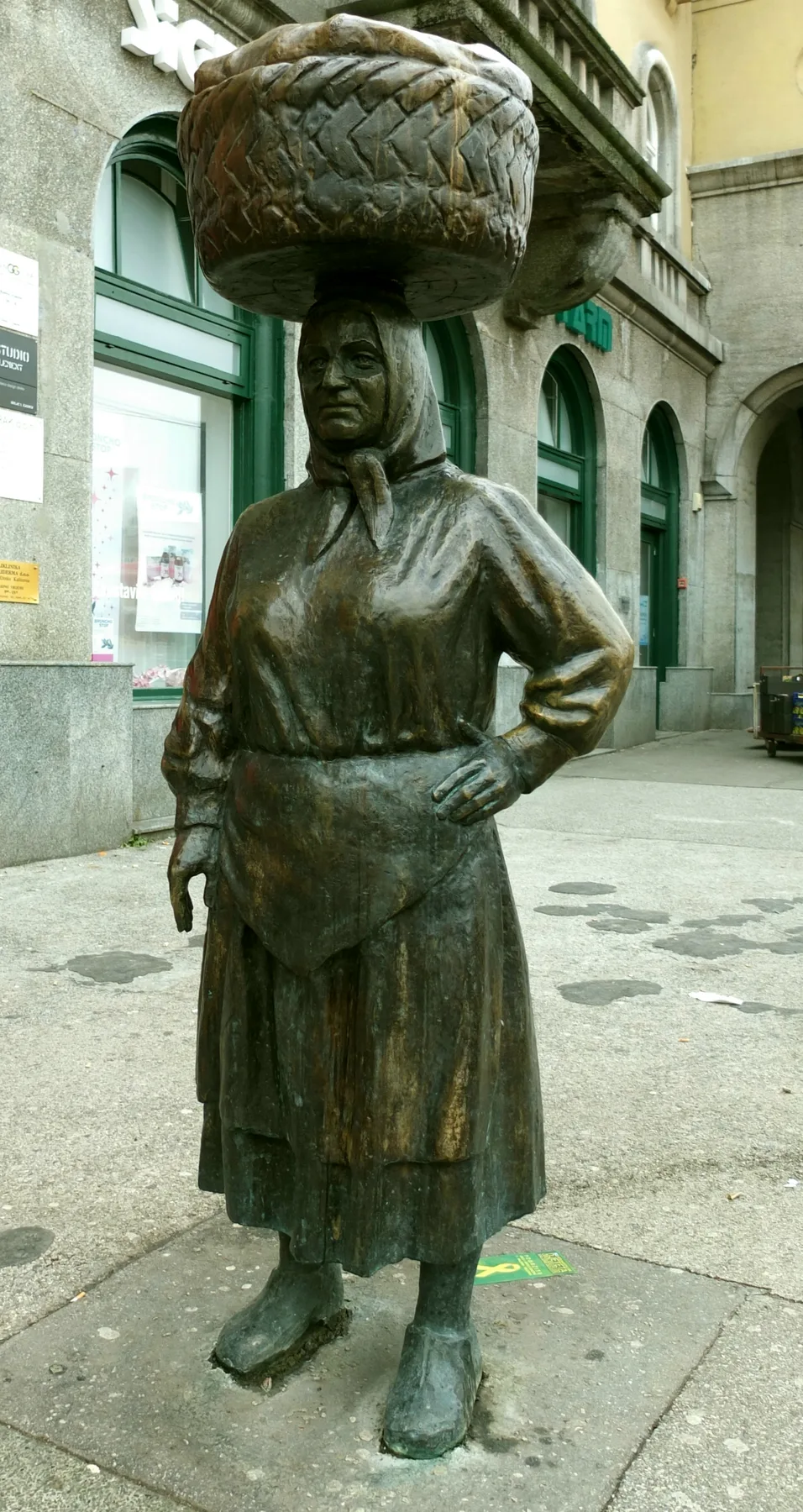
This is designed to match the city’s natural rhythm: market mornings, calm afternoons, and great evenings.
- Day 1: Dolac morning → one comfort-food lunch → special dinner + night walk.
- Day 2: neighborhood market or bakery morning → casual lunch → bar night or dessert crawl.
Budget tips (eat well without overthinking it)
- Use markets for snacks and casual lunches.
- Do one special dinner, then keep other meals simple (bakeries + cafés).
- Save money on transport by walking the core — it also improves appetite.
Read Zagreb through three kinds of meal
A useful Zagreb food plan has three layers: something everyday, something rooted in the city or region, and something that reflects contemporary Zagreb. The everyday layer is a market breakfast, bakery stop or simple lunch. The traditional layer might be štrukli, a Zagreb-style cutlet or a seasonal dish built for a colder Central European table. The contemporary layer is where newer bistros, specialty coffee, wine bars and craft beer show how the city eats now.
Trying all three does not require three expensive reservations. In fact, the contrast is clearer when one meal is deliberately casual. A pastry eaten before an Upper Town climb tells you something different from a formal dinner, and a slow terrace coffee is not wasted time between food stops. It is part of Zagreb’s social rhythm and often the moment when an overfilled itinerary becomes a city break again.
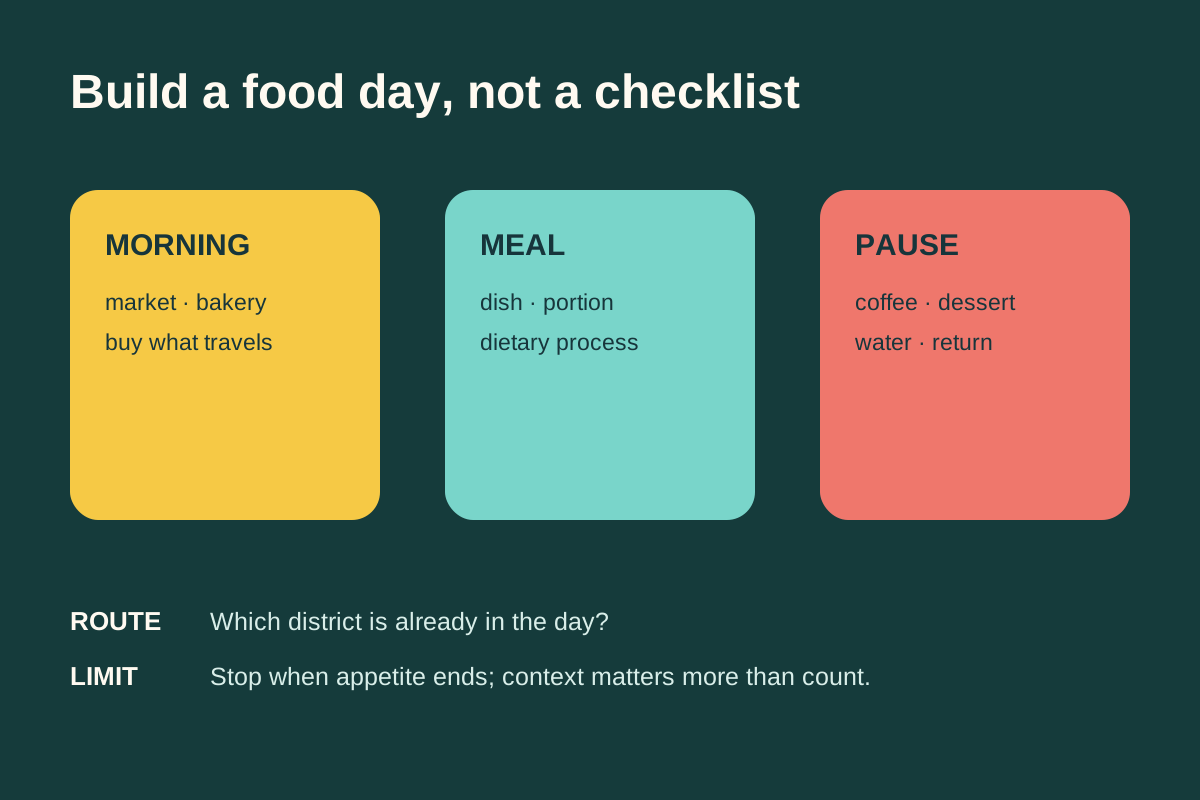
Use appetite to edit the list. Hearty dishes make more sense after a long walk or on a cool evening; a market-and-bakery morning supports an active sightseeing day; dessert can be the destination of a café pause rather than another course after lunch. The aim is not to consume every local name but to build meals that belong to the day around them.
How to use Dolac without making it a photo stop
Dolac works best early in the trip because it gives context to ingredients, seasonality and the city’s morning movement. Arrive with curiosity but without a rigid shopping list. Notice what appears repeatedly, compare the outdoor and covered areas, and buy only what you can use or eat. Travellers in a hotel need a different market strategy from apartment guests with a kitchen.
For a hotel stay, fruit, a small snack or a bakery pairing is enough. For a self-catering stay, the market can shape a simple dinner, but ask what storage and preparation the apartment actually supports before buying. Keep cash and card options available, carry a reusable bag, and avoid handling produce unless the seller’s setup clearly invites it. Courtesy matters more than performing expertise.
Then let the market lead somewhere. Continue through Kaptol and Upper Town, sit for coffee nearby, or use the visit to decide what you want for lunch. A neighbourhood market on another day—Trešnjevka or Kvatrić—adds contrast because it is embedded in a different daily geography. Visiting multiple markets back-to-back rarely teaches more than seeing one central and one residential market at their natural hours.
Traditional dishes: choose context, not a checklist
Štrukli is the easiest Zagreb-region comfort dish to place in a short trip because it can be the focus of a casual meal rather than a banquet. Baked and boiled versions create different textures, while savoury and sweet preparations change its role. Try one good version when you are actually hungry enough to enjoy it, then move on; repeating it at every restaurant is less revealing than comparing it with another style of local cooking.
Zagrebački odrezak is a richer commitment. It suits a proper lunch or dinner after walking, especially when the group wants a recognisable, substantial plate. Traditional menus may also lean into roast meats, stews, dumpling-like sides and seasonal ingredients. Ask about portion size and consider sharing starters rather than discovering too late that every person ordered the heaviest option on the same table.
Desserts and bakery food provide the lighter route into tradition. A pastry breakfast, a cream cake on a Samobor outing or a sweet café pause can carry local character without structuring an entire meal. Season matters too: the food that feels right in winter may be excessive on a hot afternoon. Let weather, walking and appetite decide which traditional dish earns the slot.
Coffee, wine and beer each need a different pace
Coffee is the daytime pause that holds a Zagreb itinerary together. Choose a people-watching terrace when the social scene matters, and a specialty shop when the cup itself is the destination. Those are different experiences, so a list that ranks them together is less useful than deciding what the pause should do. One long coffee often adds more to the day than two hurried recommended counters.
Wine works best with conversation and some guidance. A focused bar can help you move beyond ordering the most familiar international grape, but you do not need a tasting flight every night. Ask for a style, region or pairing that fits the meal, and keep water on the table. If a serious dinner is planned, let wine support it rather than creating a separate pre-dinner marathon.
Craft beer fits Zagreb’s casual evening side. A taproom or beer-focused bar can anchor an uncomplicated night after a day trip, while a pub meal may be exactly what a tired group wants. Check current opening information and do not build a cross-city crawl around old recommendations. One venue with the right atmosphere, followed by a walk or an easy return to the hotel, is usually the stronger plan.
Eating well with dietary requirements
Vegetarian travellers can usually build good meals from modern bistros, markets, bakeries and dishes that were not designed as substitutes. Vegan and gluten-free planning benefits from more preparation because ingredients, cross-contact and menu interpretation matter. Save current venue options before the trip, but keep a backup near the hotel so one closure does not turn dinner into a long search.
State the requirement clearly and distinguish preference from medical necessity. If cross-contact would be dangerous, confirm directly with the venue and do not infer safety from a menu symbol alone. Translation tools can help explain, but staff guidance and the restaurant’s actual process are what matter. Carry an appropriate snack on day trips or long museum routes, where the nearest suitable option may not match the schedule.
Mixed groups should choose places where the dietary option is a real meal, not a side salad assembled under pressure. This keeps the evening shared and avoids making one person manage everyone’s logistics. Markets can support daytime flexibility; a researched dinner gives the day a reliable endpoint. Recheck current menus because venue concepts and dishes change faster than a city’s culinary traditions.
A realistic food weekend
On the first morning, use Dolac and one coffee stop to learn the centre, then keep lunch casual before the Upper Town walk. Make the first dinner the traditional anchor: choose the dish and atmosphere you most want, reserve if appropriate, and leave room for a post-dinner stroll. This gives the local meal context without putting a heavy lunch in front of the trip’s biggest climb.
On day two, move beyond the central market. A bakery or neighbourhood café can begin the morning; lunch can be contemporary, vegetarian or street-food-led; the evening can focus on wine, craft beer or a special restaurant. Do not schedule a full brunch, tasting lunch and elaborate dinner merely because all three appear in separate guides. Zagreb’s food culture reads better when the table still has appetite and time.
Use the final morning to repeat what genuinely worked. Return for the coffee style you preferred, buy a travel-friendly food souvenir or choose one dessert you skipped. The repeat is valuable editorial information for your own trip: it reveals which part of Zagreb’s food rhythm felt natural rather than novel. Leave chilled, fragile or restricted products behind unless you know how they will travel.
Reservations, service rhythm and the final check
Reserve the meal that would be difficult to replace: a celebratory dinner, a specific chef-led restaurant, a large-group table or the evening tied to a theatre performance. Leave ordinary lunches and most café stops open. This creates certainty where it matters without forcing a late lunch when the market morning ran long or holding the group to a heavy dinner after an unexpectedly substantial afternoon.
Allow meals to take the time the venue suggests. Zagreb is not a city where every coffee and dinner benefits from a request for speed. If a timed event follows, say so politely and arrive with enough margin; otherwise, let the table be part of the evening. Check the bill, current payment options and any service charge rather than importing a tipping rule from another country.
Venue details change, so confirm the current menu, opening day and reservation channel directly before relying on an older list. The stable part of this guide is the planning logic: market plus neighbourhood, traditional plus contemporary, and one food anchor per half day. Apply that structure to the restaurants that are operating when you travel.
For a group, make the reservation under one reachable name and share dietary needs before arrival. Confirm whether outdoor seating depends on weather and whether a late arrival affects the table. These small checks protect the meal while leaving the rest of the day flexible.
Finally, keep one unplanned meal. It creates room for the bakery you noticed, the neighbourhood recommendation that fits the route or the evening when everybody wants something simple. Editorial research should improve judgment on the ground, not prevent it.
A flexible table also leaves space to return somewhere excellent, which is often a better travel memory than completing another list.
Choose a hotel by the food routes you will repeat
Hotel Capital supports Dolac, central cafés and short dinner returns; Hotel Jägerhorn suits Ilica, Upper Town and a meal built around the historic core; Canopy by Hilton Zagreb City Centre supports Martićeva, Kvatrić and eastern Lower Town; Zonar Zagreb supports Trešnjevka and western neighbourhood routes; Pullman Zagreb is the practical base when Novi Zagreb and MSU already shape the stay. None of these locations proves a particular restaurant is open, available or suitable today.
Use breakfast, refrigeration, luggage and the return route as real selection criteria. Confirm an early breakfast before a market or day trip, ask before storing a food purchase, and do not send a delivery to reception without agreement. A well-placed room makes it easier to eat one substantial meal, walk, rest and return for the evening instead of crossing Zagreb to complete a list.
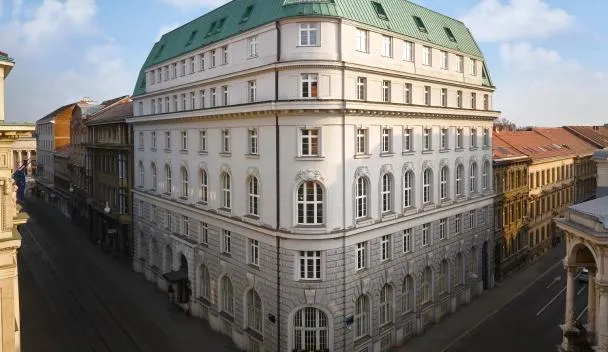
Researched stay
Hotel Capital
Dolac and compact central food-route base.

Researched stay
Hotel Jägerhorn
Ilica and Upper Town food-route base.
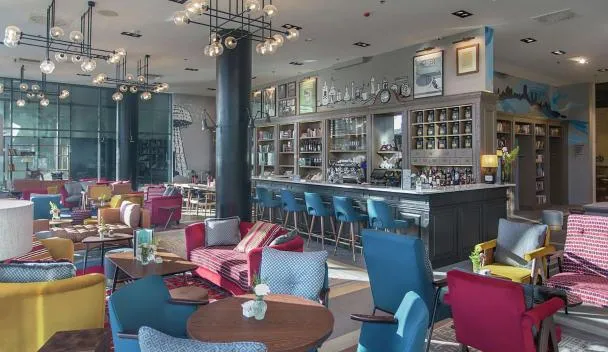
Researched stay
Canopy by Hilton Zagreb
Martićeva and eastern Lower Town base.

Researched stay
Zonar Zagreb
Trešnjevka and western Zagreb base.
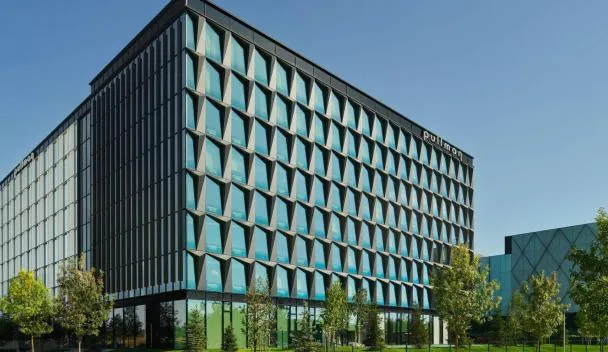
Researched stay
Pullman Zagreb
Novi Zagreb and MSU-side base.
Questions people actually ask
What’s the one Zagreb food you should try?
Štrukli is the classic comfort pick. Pair it with a market morning and a long coffee sit for the most ‘Zagreb’ food day.
Is Zagreb a good city for food?
Yes — especially if you like café culture, comfort dishes, bakeries, and modern bistros. It’s less about flashy ‘food tourism’ and more about daily rituals that taste good.
How should a weekend visitor plan meals?
One special dinner, one comfort-food meal, and the rest as markets, bakeries, and cafés. Add a night walk after dinner both nights.