
The short answer
In Zagreb, cards are widely accepted — especially in restaurants, cafés, museums, and most shops. But having some cash makes the trip smoother for small purchases, market snacks, and easy rounding tips.
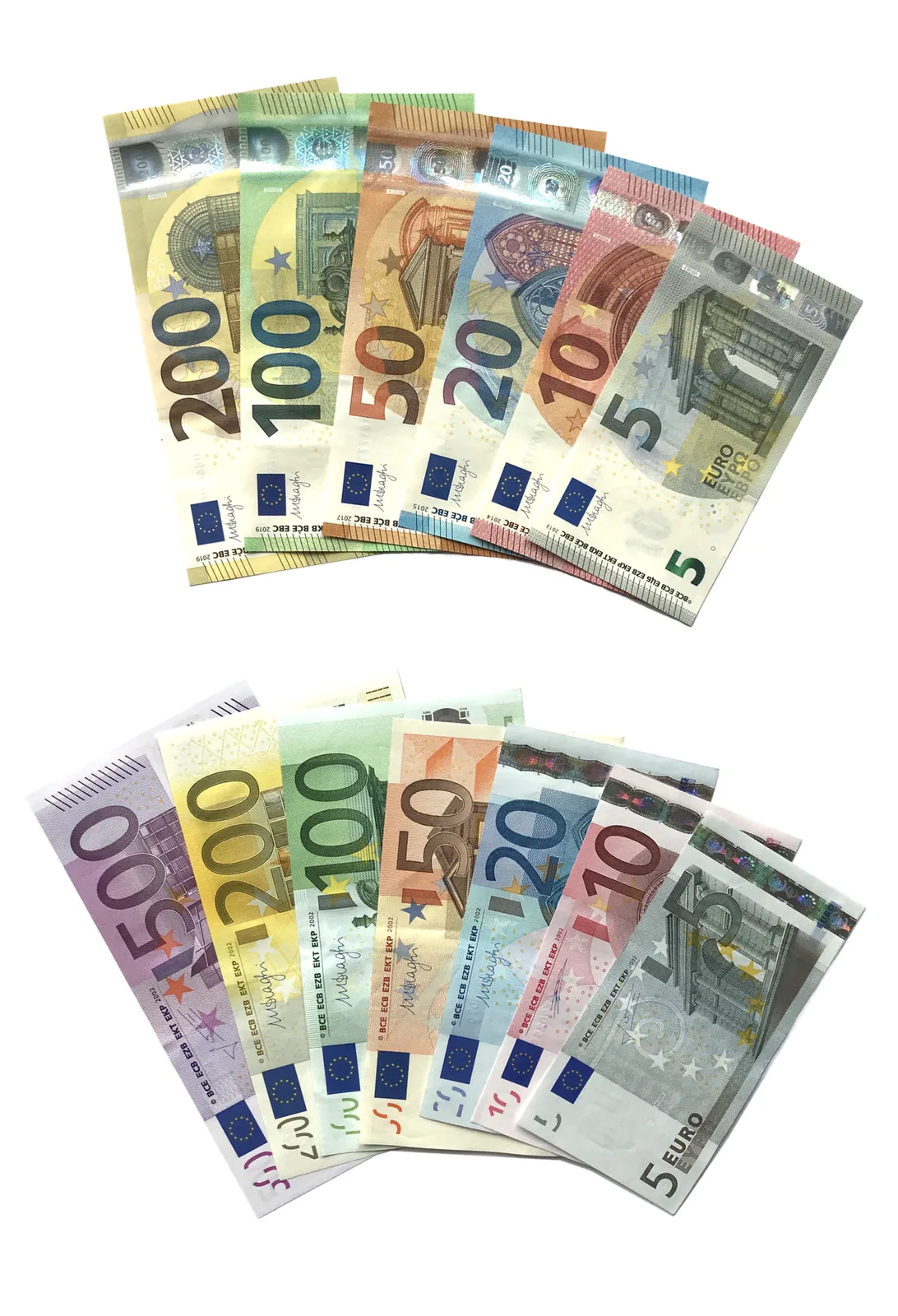
Croatia uses the euro (EUR)
Croatia’s currency is the euro. Most pricing, terminals, and receipts in Zagreb will be straightforward — but there’s one thing to watch for: how your card is charged.
Where card is easiest
- Restaurants and most cafés (especially central).
- Museums and ticketed attractions.
- Grocery stores and larger shops.
- Hotels and most accommodation payments.
When cash helps (even if you love cards)
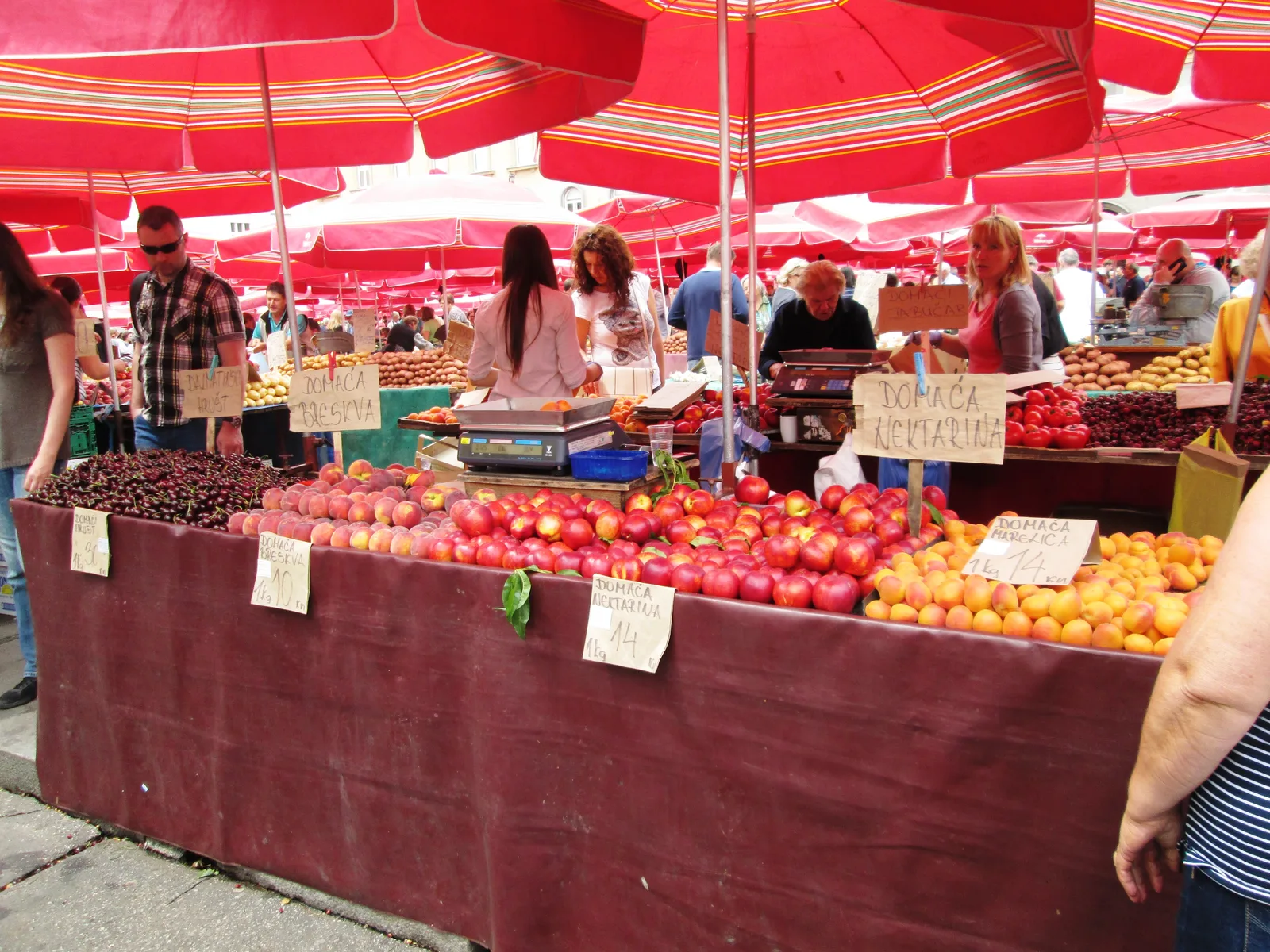
- Market mornings (small snack buys feel easier with cash).
- Small rounding tips at cafés and casual meals.
- Tiny purchases where splitting payment feels awkward.
- A ‘backup’ if a terminal is temporarily down.
Dynamic Currency Conversion (DCC): the one rule to remember
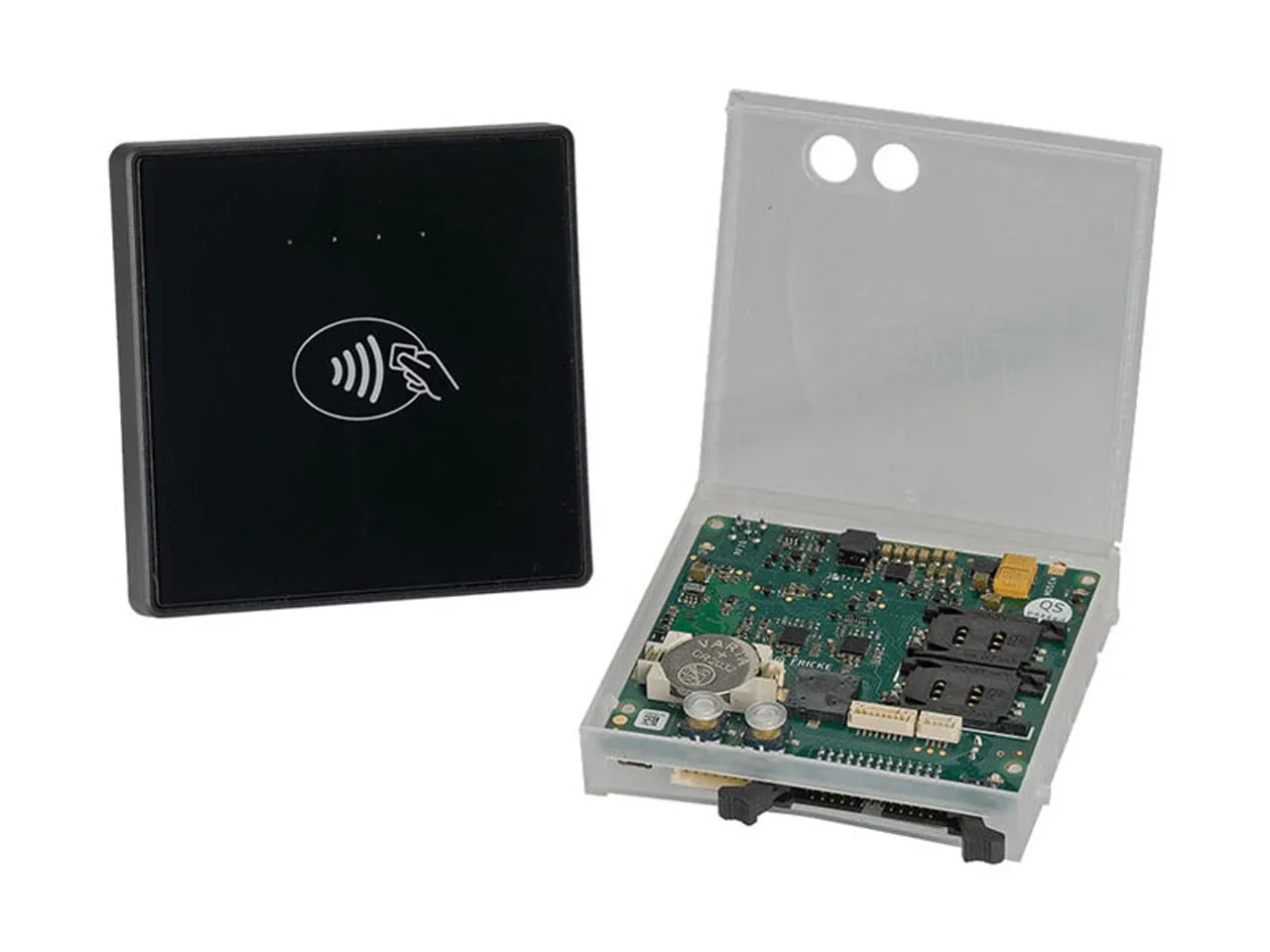
Sometimes a terminal or ATM will offer to charge you in your home currency instead of euros. That option is usually called Dynamic Currency Conversion (DCC). It’s often a worse exchange rate.
- If you see a choice: choose to pay in EUR (euros).
- If a machine suggests your home currency is ‘guaranteed’: treat that as a warning sign, not a benefit.
How much cash to carry
- For most travelers: enough for a day of small spending (snacks, a couple of coffees, small tips).
- If you prefer simplicity: keep a bit more for markets and quick purchases.
- Avoid carrying a lot: it’s rarely needed in Zagreb and adds unnecessary risk.
Cash and card payments: the decision before you leave
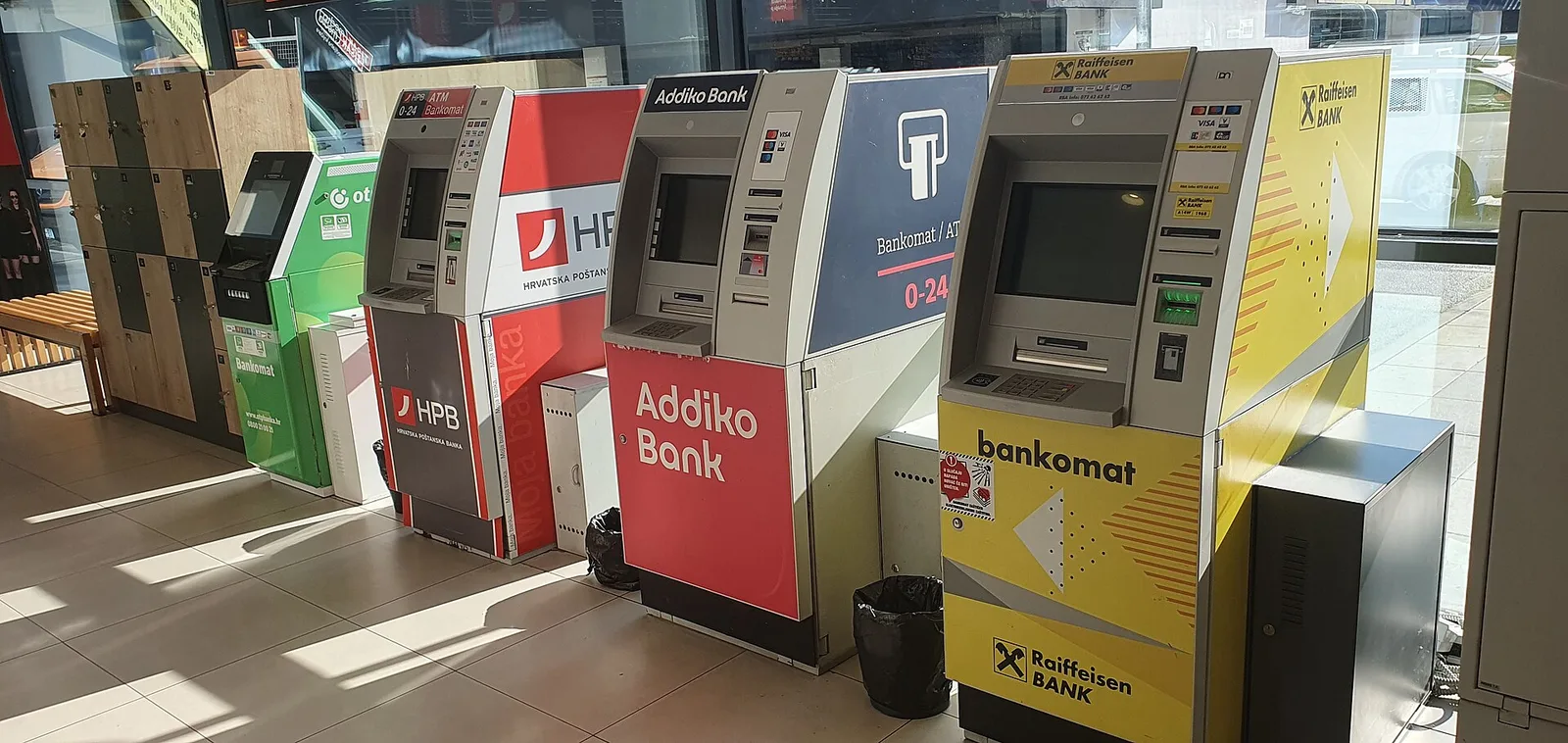
A mixed payment setup is the calm choice in Zagreb: use a card where accepted and carry a modest euro cash reserve for small purchases, markets or an unexpected terminal problem. Do not depend on one phone wallet, one physical card or a large amount of cash.
Tell the bank about travel only if its current process requires it, enable transaction alerts and know the card’s foreign-use terms. Store the backup card separately from the primary one. Bring a payment method in the name of the traveller responsible for hotel incidentals or car rental.
How to handle cash and card payments on the ground
Check the displayed amount and currency before approving, keep the card in sight and decline unnecessary dynamic currency conversion when the home-currency offer obscures the true rate. At markets or small venues, ask whether cards are accepted before ordering or selecting goods.
Edge cases, current checks and the calm fallback
Offline terminals, minimum spends, deposits and preauthorisations can create exceptions. A hotel may accept cards but hold funds temporarily; a small seller may accept only cash. Couples should ensure both people can pay independently if a wallet or phone is lost.
When a card fails, do not repeat it across several unknown terminals while under pressure. Use the backup, contact the issuer through a trusted channel and obtain cash from a bank-linked ATM if appropriate. Keep enough for transport and a simple meal, not the whole stay.
Use a two-rail payment plan
Treat card as the main rail and a small euro reserve as the backup. Split cash between two secure places and keep only the day’s small notes and coins accessible. That reserve is for a market seller, a terminal failure, a small café minimum or the moment a card issuer blocks an unfamiliar transaction—not an argument for carrying the whole trip budget. A second card on a different network gives better resilience than a thick wallet of cash.
At a terminal or ATM, choose to be charged in euros when your own bank offers the conversion alternative. A displayed home-currency total is a conversion service with its own markup, not protection from exchange-rate movement. European consumer rules require the currency-conversion cost to be disclosed, but the traveller still needs to compare it. Keep the receipt until the pending card transaction settles and check the amount in the banking app before walking away from an unattended terminal.
- Tell your bank about travel only if its current guidance asks you to.
- Carry one backup card separately from the primary card.
- Confirm the amount and currency before tapping or entering a PIN.
- Use an ATM guide rather than exchanging money at the first high-friction counter.
Questions people actually ask
Do places in Zagreb accept cards?
Most do, especially in the center. Restaurants, cafés, museums, and shops commonly accept cards.
Do I need cash in Zagreb?
It’s smart to have a small amount for markets, snacks, and rounding tips — but you won’t need much if you’re staying central.
What currency should I choose on card terminals?
Choose EUR whenever you’re given the choice.