
The ATM reality (quick and honest)
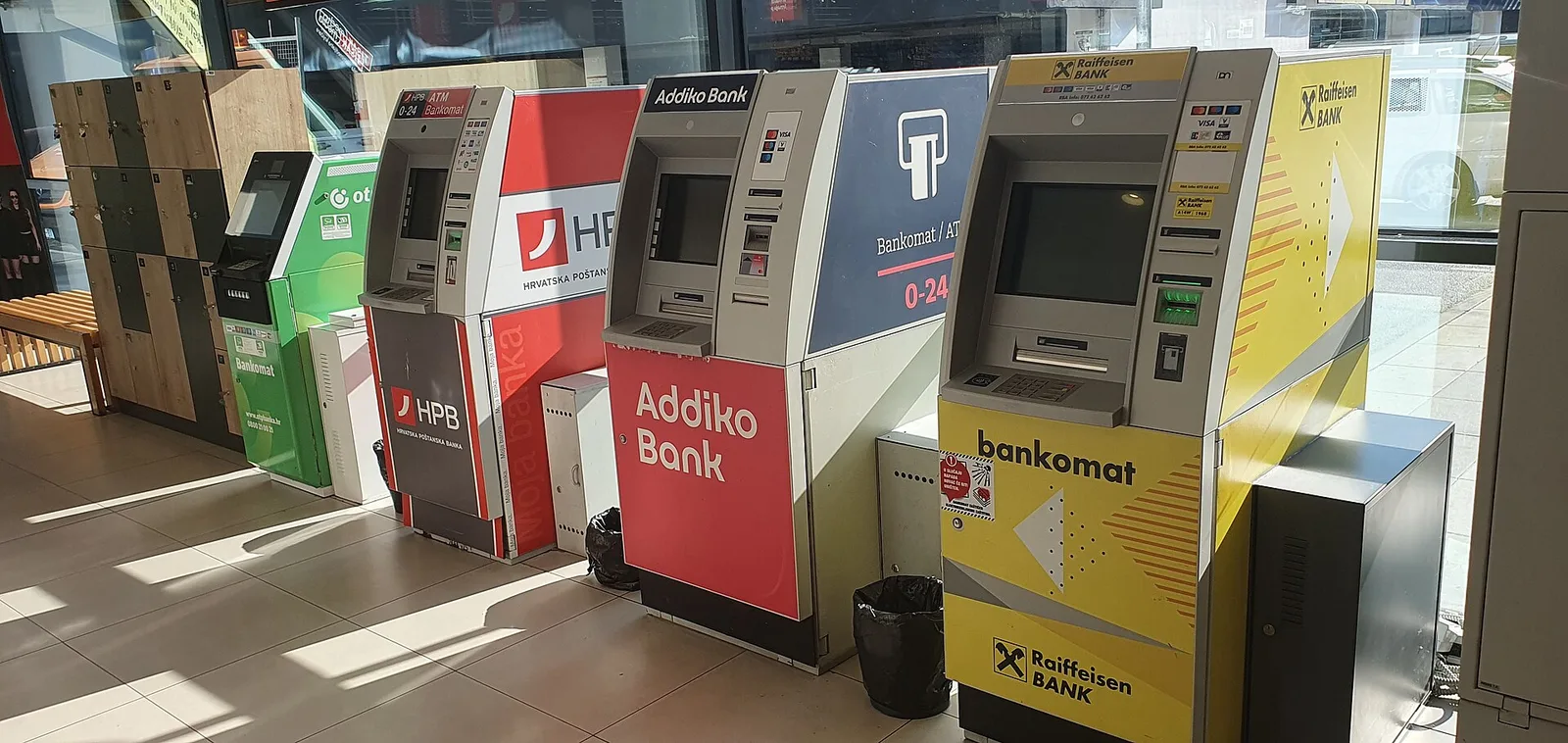
ATMs are everywhere in central Zagreb, and that’s both good and slightly dangerous: it’s easy to withdraw cash quickly, but it’s also easy to accept a bad exchange rate if you click the wrong option.
Understand the two kinds of ‘fees’
- ATM operator fee: charged by the machine/operator.
- Your bank’s fee: charged by your bank/card issuer (plus their exchange rate).
DCC is different from a fee — it’s a bad exchange rate option disguised as a convenience feature.
Dynamic Currency Conversion (DCC): what it looks like
- The screen shows your home currency total and calls it ‘guaranteed’ or ‘locked in.’
- You’re offered a choice between paying in EUR and paying in your home currency.
- The home-currency option often costs more once you do the math.
Which ATMs to prefer
- Prefer: bank-branded ATMs, especially in or near bank branches.
- Be cautious: standalone tourist-area ATMs with flashy screens and aggressive prompts.
- If in doubt: walk 2–5 minutes — you’ll usually find a bank ATM nearby.
How much to withdraw (a low-stress strategy)
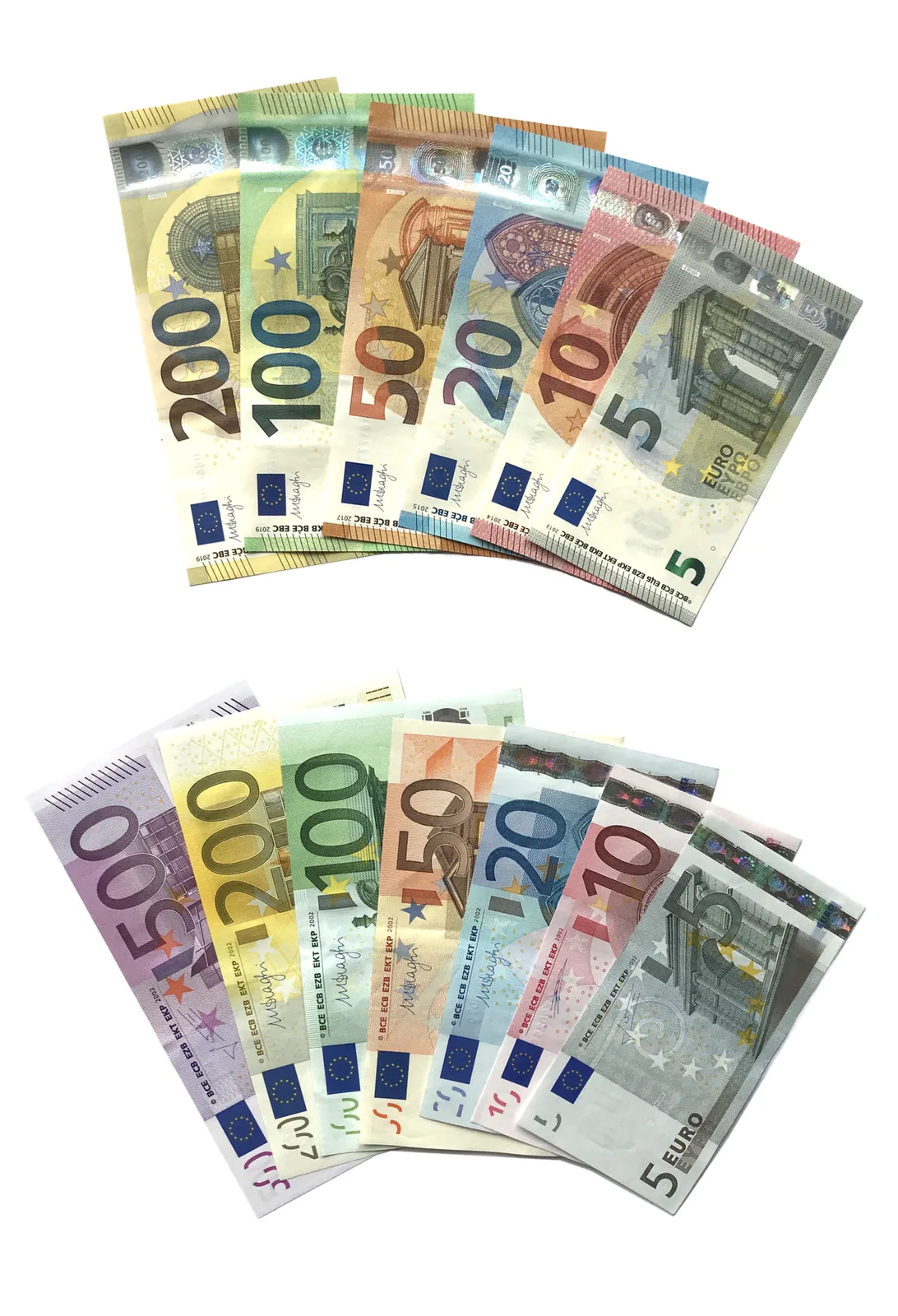
- Withdraw enough for a day or two of small spending.
- Use card for most spending and cash for markets + tips.
- Avoid large withdrawals unless you have a specific reason.
If you already accepted DCC
- Don’t panic — it happens.
- Take a screenshot/photo of the receipt and the screen if possible.
- Contact your bank if you believe something was misrepresented (outcomes vary).
- Use the experience as a cue to choose EUR next time.
Safe ATM habits (simple)
- Use ATMs in well-lit areas (banks are ideal).
- Cover your PIN entry.
- Put cash away before stepping aside to check your phone.
ATM withdrawals and fees: the decision before you leave
The true cost of a Zagreb ATM withdrawal can combine the machine operator’s fee, the home bank’s fee and the exchange rate or conversion choice. A screen that offers convenience is not necessarily offering value, so read every step and cancel when the terms are unclear.
Know the home bank’s cash-withdrawal policy, daily limit and emergency contact before travel. Bring a second payment method so an ATM is never the only route to food or transport. Prefer machines clearly associated with established banks over isolated tourist-location terminals.
How to handle atm withdrawals and fees on the ground
Inspect the machine and surroundings, shield the PIN and review the fee and currency choice before confirming. Withdraw a sensible amount rather than many tiny transactions, but avoid carrying more cash than the trip needs. Take the card, cash and receipt before reorganising the wallet elsewhere.
Edge cases, current checks and the calm fallback
A retained card, disputed conversion or unexpected cash limit needs prompt action. Save the machine location and operator, contact the card issuer through the official number and do not accept help from a stranger who wants the PIN or directs you to another transaction.
If the terms are poor, cancel and compare a bank branch machine or pay by card for the immediate purchase. Hotel reception can identify nearby banks but cannot guarantee fees. The willingness to walk away is the most effective protection against a bad conversion screen.
Separate the three possible ATM costs
An ATM withdrawal can involve three different costs: the machine operator’s displayed access fee, your own bank’s withdrawal fee, and a currency-conversion markup. The screen can show only what the operator controls. European rules limit how a bank prices comparable cross-border euro withdrawals, but they do not make every account free and they do not remove commercial conversion charges. Check the account tariff before travel, then read every machine screen instead of assuming a bank-branded façade guarantees a particular price.
When the machine offers to convert the withdrawal into your card’s home currency, decline that conversion and continue in euros unless you have deliberately compared the quoted markup. If an operator fee appears before confirmation, cancel without penalty and try another properly located machine. Prefer an ATM attached to or inside a staffed bank during open hours, shield the keypad, take the card and cash before organising your wallet, and save the receipt until the debit is reconciled.
Questions people actually ask
What’s DCC and why should it be avoided?
DCC (dynamic currency conversion) charges you in your home currency at an exchange rate that’s often worse than your bank’s. Choose EUR instead.
Are ATMs safe to use in Zagreb?
Generally yes, especially bank ATMs. Use normal city caution and avoid accepting home-currency conversion prompts.
How much cash do I need in Zagreb?
Not much if you use a card. Carry a small amount for markets, snacks, and rounding tips.