
Zagreb is generous with free beauty
You can have a memorable Zagreb trip without spending much. The city’s best “infrastructure” is free: walkable streets, parks, viewpoints, and atmosphere.
The trick is to build your day around free anchors (walks + parks), then spend intentionally on the things Zagreb does best: coffee, one great meal, and one museum you’ll actually remember.
Top free experiences (the greatest hits)
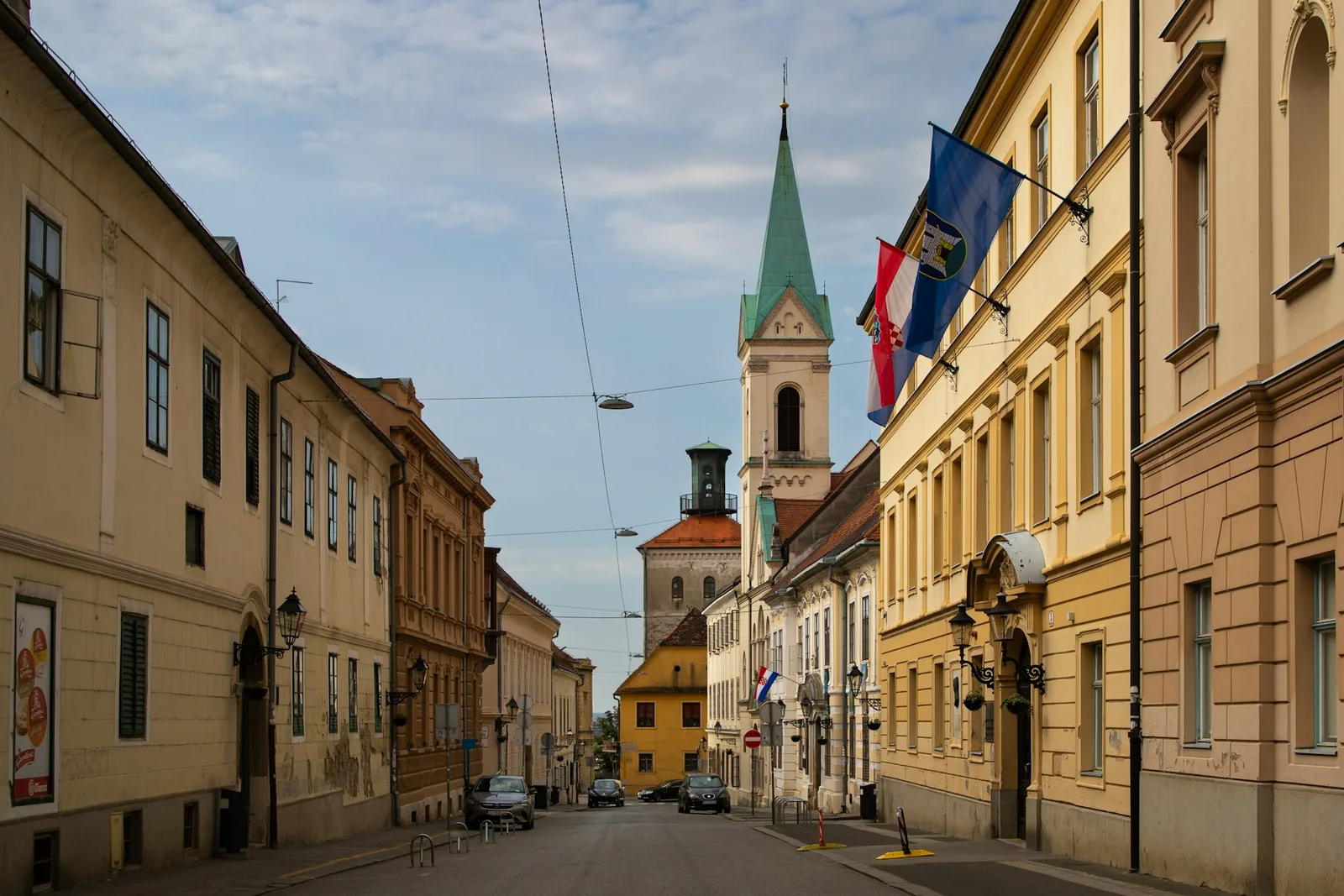
- Upper Town wander + viewpoints (best at dusk).
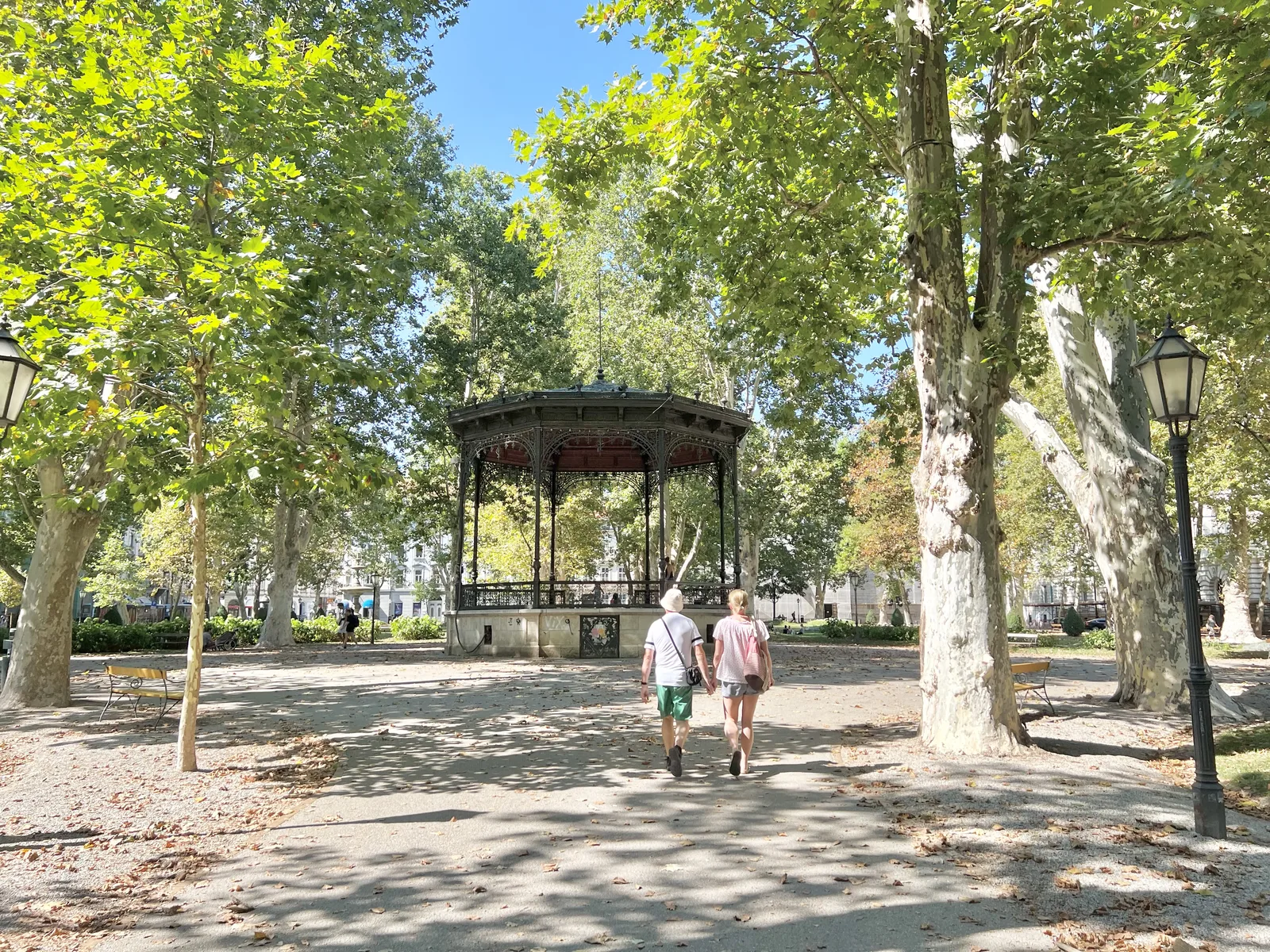
- Lower Town park loop (green center, architecture, fountains).
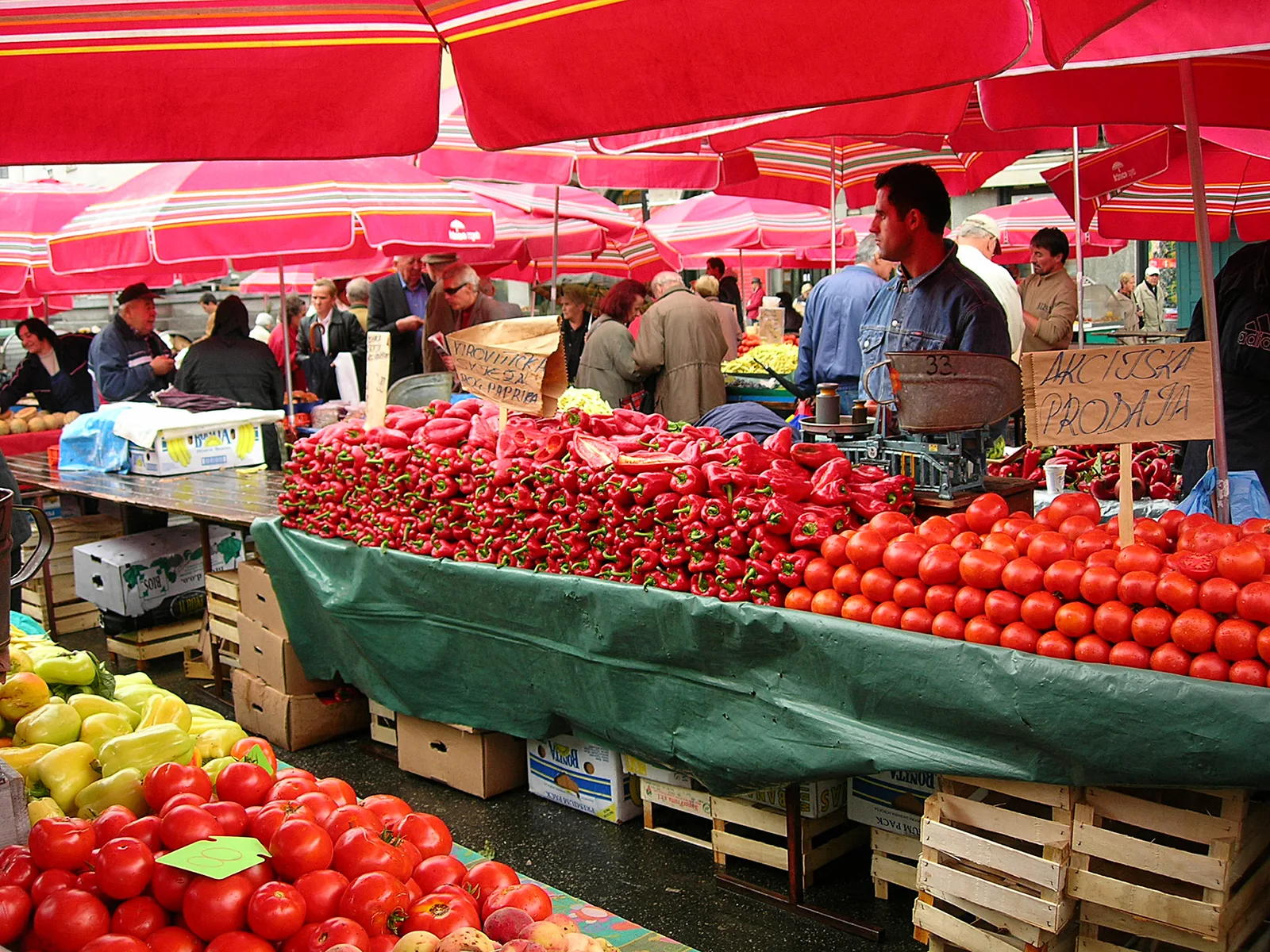
- Dolac Market browsing (go in the morning).
- Night walk through the center (a signature Zagreb moment).
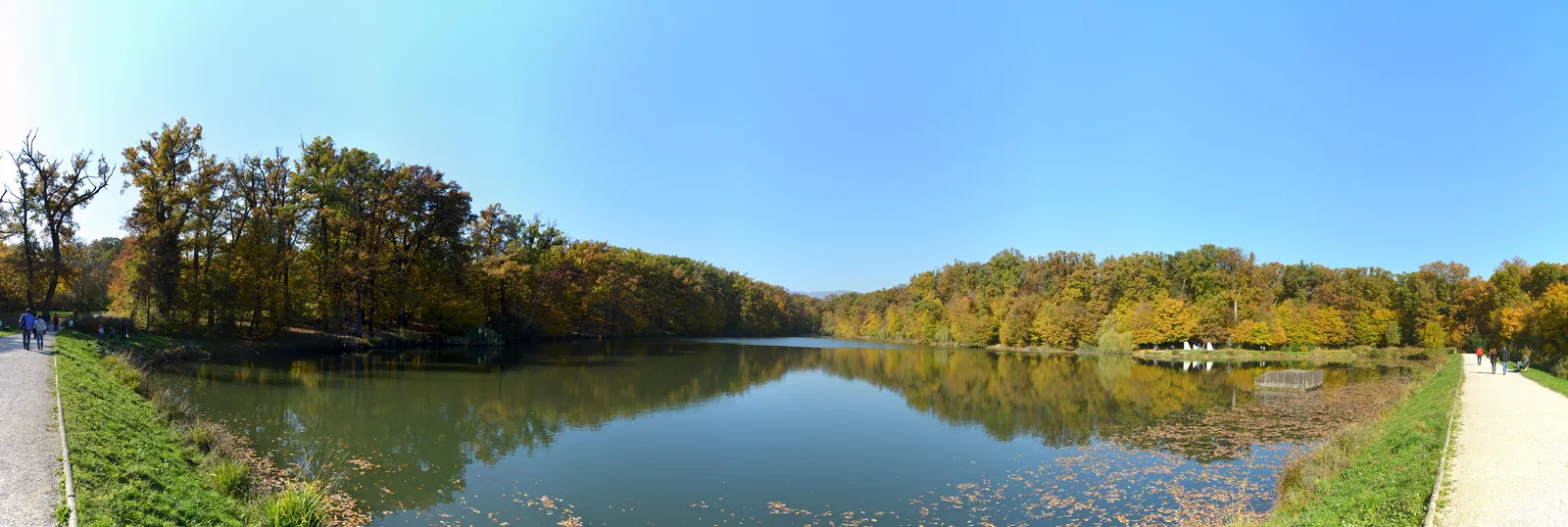
- Maksimir and Jarun for big outdoor time.
More free things (by vibe)
- Architecture strolls: Lower Town boulevards and the Green Horseshoe parks.
- Street-life evenings: main squares and café streets (even if you only buy one drink).
- Markets as “free museums”: browse, people-watch, and snack cheaply if you want.
- Quiet beauty: Mirogoj’s arcades (be respectful — it’s an active cemetery).
- Street art texture: Art Park is an easy, photogenic stop.
A full free day itinerary (morning to night)
- Morning: Dolac Market browse → cathedral-area orientation → coffee terrace (your one intentional spend).
- Late morning: Upper Town loop (Stone Gate + viewpoints).
- Afternoon: Green Horseshoe parks loop + architecture stroll.
- Sunset: one viewpoint (Upper Town or a park edge).
- Evening: dinner (cheap eats or a casual spot) → long night walk through the center.
Free weekend strategy (how to make it feel rich)
- Day 1: market + Upper Town + parks + night walk (mostly free).
- Day 2: Maksimir or Jarun (big free outdoor time) + one museum if you want a ‘paid anchor.’
What free Zagreb experiences should add to the trip
Zagreb’s strongest free experiences are structural: Upper Town streets, markets as observers, Lower Town parks, architecture, viewpoints and neighbourhood walks. They reveal the city without pretending every day costs nothing.
A route and pace that make free Zagreb experiences work
Build one historic loop and one Green Horseshoe route, add a residential market on a longer stay and use free public events only after confirming the current programme.
The choices, trade-offs and common mistake
Choose free activities that genuinely match interest, then budget for food, transport and one paid cultural experience if it adds important context. Price alone should not determine value.
Markets, churches and public spaces are not free photo studios; respect commerce, worship and residents. Events may require registration even without a ticket price.
Weather, current information and the fallback plan
In bad weather, use a low-cost museum or long café pause rather than spending more on transport to protect a free-only rule. Keep the overall day affordable, not ideologically pure.
Separate free public space from conditional free entry
A street, square, viewpoint or public park may be free to enter while the journey, toilet, food or event around it is not. A museum may offer a special free window that changes, a festival may be free only for its public programme, and the Botanical Garden has current admission and seasonal conditions. Build a no-admission route from permanent public space first, then treat every timed or indoor free claim as something to verify with the operator.
The goal is not to avoid spending at any cost. Set a small transport, water and meal reserve so a free day remains comfortable and safe. A paid tram can protect an exhausted return; a seated lunch can replace several impulse snacks; one chosen museum can add more value than a rushed list of free lobbies. Track total daily friction rather than celebrating a zero on the ticket line.
Route one: market, Upper Town and the central parks
Begin around Dolac while the market is active, observe without blocking trade, then move through Kaptol or the Stone Gate towards St Mark’s Square and the Upper Town viewpoints. Government security, worship, restoration or events can restrict access, so follow live signs and never cross a barrier for a free photograph. Continue down to Ban Jelačić Square and Zrinjevac, where the Lower Town parks create an easy finish with many transport exits.
This is a full free-to-walk city chapter without requiring every tower or museum ticket. Buy market food only when it fits the budget and storage, and ask before photographing a seller. At viewpoints, share the rail and keep tripods out of narrow circulation. During religious services or civic events, keep distance and use the surrounding streets as the route. The city remains legible even when an interior is closed.
Route two: give one major park the day’s energy
Maksimir Park itself has no general admission charge according to the park authority, but the zoo, transport, food and special activities are separate. Choose a loop and turnaround, carry water and observe wildlife without feeding. Jarun provides another no-admission landscape for walking and sunset, but swimming, rentals and events have live rules. Select one according to geography and weather rather than spending a free day travelling between both.
A park can still generate avoidable costs when the return is improvised. Save the tram fare method, last comfortable connection and an emergency ride budget. Bring a modest picnic only where permitted and store food safely. In heat, storms, strong wind or darkness, shorten the free route instead of treating distance as value. The best no-admission experience is the one the group can complete without a rescue purchase.
Markets, cemeteries and sacred space are not entertainment sets
Dolac is a workplace, Mirogoj remains an active cemetery and the Stone Gate is a place of devotion. They can be entered respectfully without an admission ticket, but that does not make every action acceptable. Keep aisles and graves clear, lower the voice, follow photography restrictions and never stage a portrait that displaces a mourner, worshipper or seller. Buy nothing when browsing, but do not handle merchandise as a free activity.
Free viewpoints and squares also carry civic and safety rules. Security barriers, construction and ceremonies change access. Do not climb a wall, fly a drone or block an entrance because the public-space ticket price is zero. When a space is temporarily unsuitable, use another street or park rather than debating staff. Respect is the condition attached to Zagreb’s most generous public experiences.
A low-cost stay still depends on honest geography
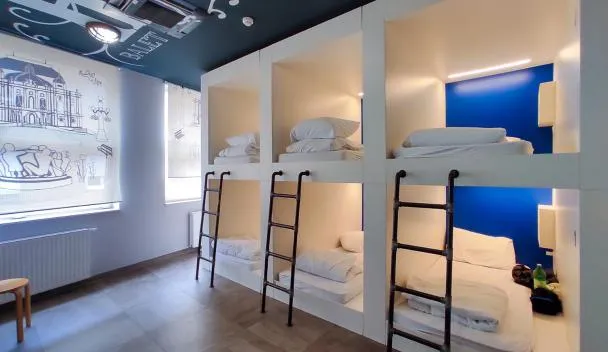
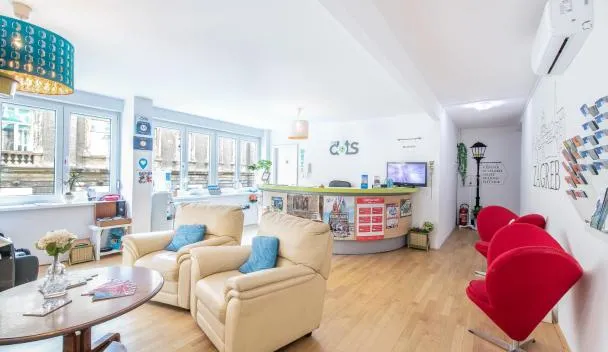
Main Square Hostel and Swanky Mint Hostel are researched central options that reduce transport between the no-admission old-city route and accommodation. The Dots Hostel offers a quieter central proposition, while Whole Wide World Hostel is the more social choice. We picked them for different route and atmosphere needs, not because a hostel is automatically the cheapest total for every date or room type.
Compare the final cancellable price, occupancy, city taxes, breakfast, lockers, noise and exact bed or room. A cheaper peripheral stay can add repeated fares and late-return friction; a central dorm can add sleep costs when the atmosphere is wrong. Keep valuables, medicine and travel documents secure and verify luggage storage. Accommodation should make free walking easier without forcing the traveller to accept a poor night.
Questions people actually ask
Can you enjoy Zagreb without spending much?
Yes. The city’s best experiences are walking, parks, viewpoints, markets, and evening street-life. Spend intentionally on coffee, one great meal, and one museum you’ll remember.
What’s the best totally free ‘wow’ moment?
Upper Town at dusk: viewpoints + lantern-lit streets, then a slow walk back down into the center.
Do I need public transport for a free day?
Not necessarily. The core is very walkable. Trams are most useful for longer hops (like to Maksimir or Jarun).