
What Art Park is
Art Park is an outdoor spot in central Zagreb that’s become known for murals and street-art energy — the kind of place you wander through for 10 minutes… then end up staying because it’s fun.
It’s especially great if you want a more contemporary “city texture” moment between historic Upper Town sights and café time.
Why it’s worth a stop (even on a short trip)
- It’s quick and central — you don’t need a big detour.
- It’s photo-friendly without feeling like a staged attraction.
- It adds a modern contrast to classic Zagreb itineraries.
Best way to visit
- Go in late afternoon for the nicest light.
- Treat it as a “between” stop: coffee → Art Park → tunnel/funicular → Upper Town views.
- If it’s winter, think of it as optional; it tends to feel most alive in the warmer months.
Why Art Park belongs in the day
Art Park represents Zagreb’s informal creative layer: an outdoor space whose murals, gatherings and atmosphere can change over time. It is better approached as a living urban interlude than a fixed gallery with a permanent checklist of works.
Include it when moving between central areas or after a nearby cultural stop, using the park as a short pause rather than a cross-city destination. Its value increases when the surrounding route already explores street art, design or less formal public spaces.
What to notice and how to decide
Look for the relationship between artwork, surfaces and how people use the space. Avoid relying on a specific mural from an older photograph, because outdoor art changes. The current layer is the point. Photograph without interrupting events or treating other park users as scenery.
Weather, maintenance, programming and seasonal use can transform the visit. Check recent official or local information if an event is the main reason for going. At quiet times the stop may be brief; during a programme it may deserve a longer evening slot.
Prioritise Art Park for street-art interest, repeat visits and travellers already nearby. Skip a special detour when time is short or conditions are poor. Zagreb has stronger formal collections and larger parks, so choose this one specifically for its temporary, social and open-air character.
Treat Art Park as a programme, not a permanent address
Art Park began as a seasonal public-art programme and has used different Zagreb locations. The project’s own website still foregrounds its 2020 Ribnjak season, while the four images in this guide record the 2018 Strossmayer/Grič location. Neither source proves that a 2026 installation is open. Confirm the organiser’s current year, dates, map point and programme before setting out.
InfoZagreb currently describes Art Park at Ribnjak as an outdoor street-art gallery and event setting, but it also warns that organisers can change dates, performers, programmes and prices. Use that listing as a lead, then verify the organiser’s dated announcement. When there is no current season, visit the actual park on its own terms rather than searching for vanished works.
If no dated current announcement exists, label Art Park as an inactive or archival recommendation for that trip. Do not infer opening from an undated social profile, a map pin or old opening hours. A worthwhile substitute should match the visitor’s purpose: a confirmed gallery for current art, Ribnjak for ordinary green space, Grič Tunnel for its separately verified public access, or a current street-art route built from dated works. Record which source was checked and when so another editor can reassess the programme. This preserves the project’s cultural history without manufacturing an attraction that a traveller cannot actually find. Avoid sending readers to a private or closed threshold in search of remembered installations. A clear archival label is more useful than optimistic directions.
Use the 2018 images as an installation archive
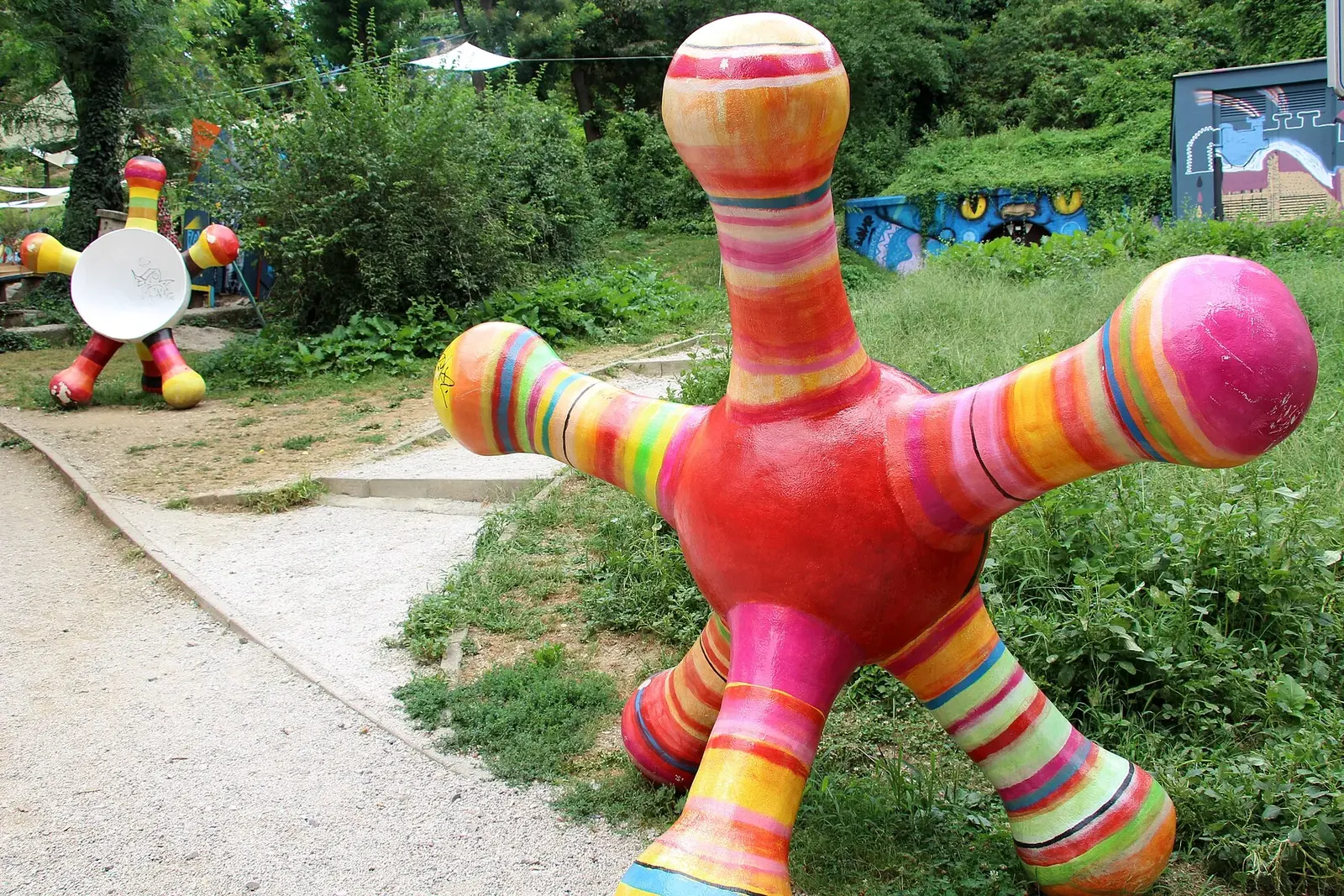
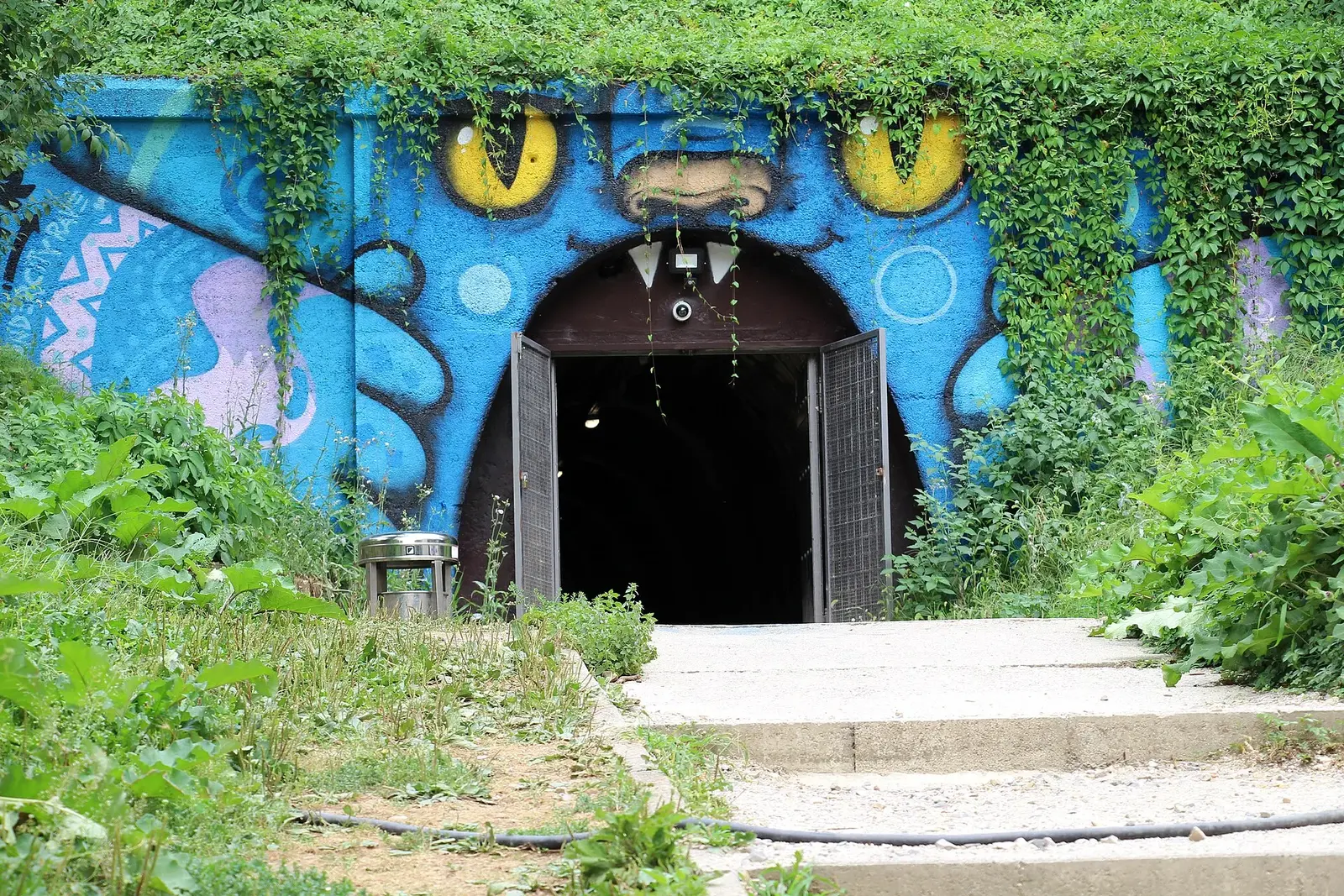
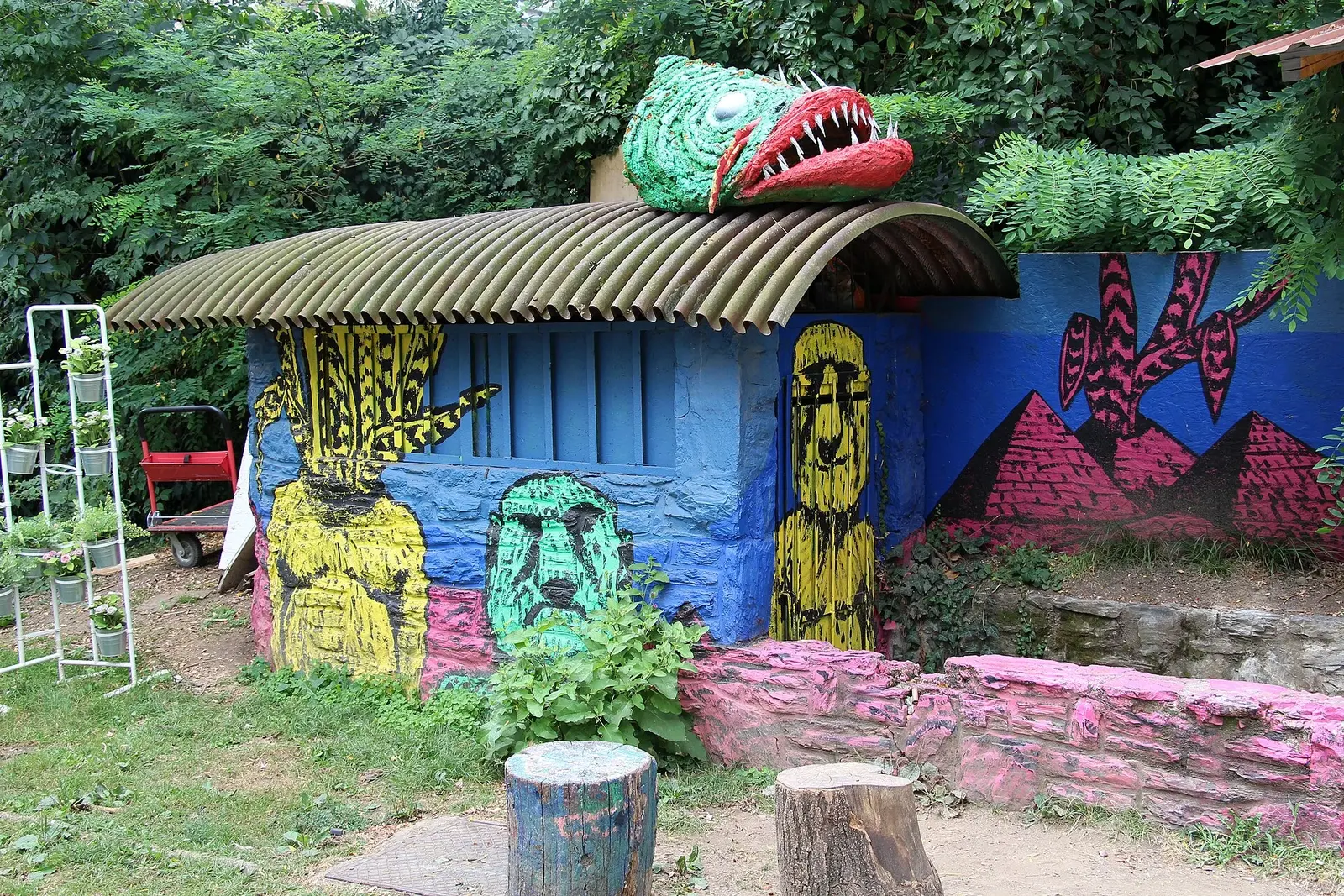
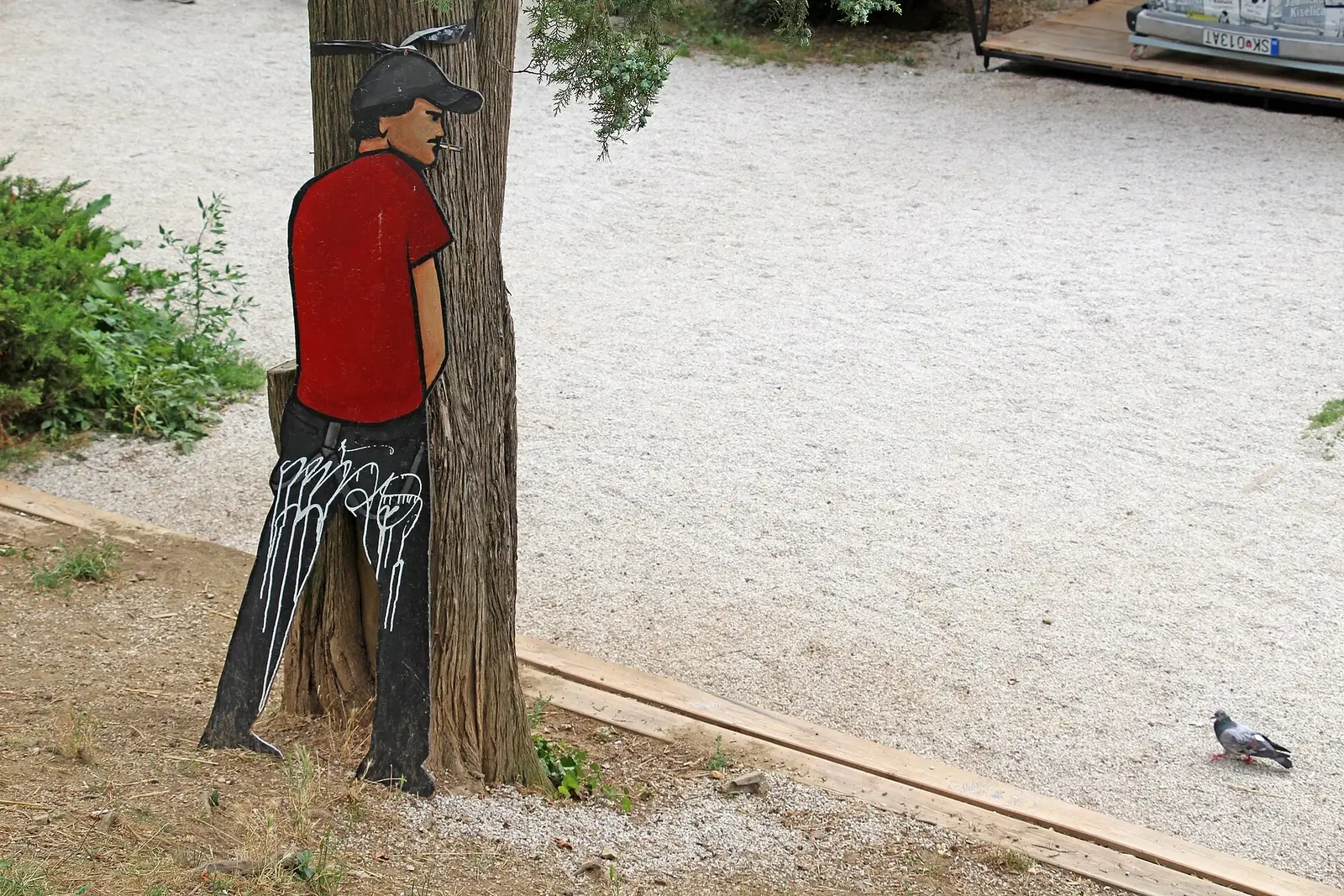
The striped sculpture, painted tunnel entrance, small building and tree figure were all photographed on 14 August 2018. They show how temporary art changed a neglected central space, not a present-day inventory. Captions must preserve that date and former location. Do not send a visitor to Ribnjak expecting the Grič Tunnel view or claim that a photographed object has survived.
Public art can be removed, repainted, conserved or replaced. Record the artist and programme from a reliable label when known; do not guess from style or absorb every work into a collective brand. If a surface now looks different, describe the current condition with a new date. Change is part of the project’s history, not evidence that the visitor missed the ‘real’ park.
Verify the exact event before promising an evening
For music, film, workshop, sport or food programming, check the dated event page for location, start, finish, admission, reservation, age guidance and weather policy. A general Art Park page cannot answer those questions. Save the organiser’s cancellation channel and choose a nearby alternative. Free entry does not imply guaranteed seating or unrestricted capacity.
Arrive through the signed public entrance, keep emergency and residential access clear and follow steward direction. Bring only permitted food, drink and seating. Reusable-cup or deposit systems can change by season. If sound, crowd density or smoke exposure matters, contact the organiser about that event rather than inferring conditions from an afternoon park photograph.
Respect artworks, trees and ordinary park users
Do not climb, lean on, repaint or attach stickers to an artwork unless a supervised programme explicitly invites that action. A robust-looking sculpture can have fragile coatings or anchors. The tree-mounted 2018 figure also raises a conservation question: trees are living infrastructure, so visitors should not add nails, string or their own intervention.
Outside event hours, the location remains a public park used by neighbours, children, dog walkers and cultural-centre visitors. Keep paths clear, control sound, carry rubbish away and follow posted dog and alcohol rules. Street art does not suspend consent or property law. Report damage to the organiser or responsible authority instead of trying to restore it.
Photograph with dates, credits and consent
Photograph from a public route without touching the work or blocking circulation. Include the artist, title, programme, location and date when a current label supplies them. Ask before making a performer, vendor or visitor the subject, especially children. Commercial shoots, tripods, interviews and event recording can require organiser, artist or municipal permission.
A mural’s physical visibility does not erase copyright. The Commons images are licensed photographs by Fred Romero; their licences do not grant blanket reuse rights for every artwork or performance. For publication beyond personal travel notes, check the rights in the artwork and photograph separately. Avoid geotagging a vulnerable work if the organiser asks visitors not to.
Plan access and the return for the confirmed location
Ribnjak and the former Strossmayer/Grič site have different gradients, entrances, surfaces and transport. Do not reuse directions from an old article after confirming a new season. Travellers using mobility aids should ask the organiser about the exact step-free entrance, toilet, viewing route and event furniture. A park can be broadly accessible while a temporary stage or lawn route is not.
Check lighting, closing, weather and current ZET service before an evening programme. Save a precise meeting point because ‘at Art Park’ can refer to different years and locations. During lightning, high wind or an organiser evacuation, leave by the directed route. Do not shelter beneath an installation or climb a slope to bypass a closed gate.
Build the hotel choice around the confirmed season
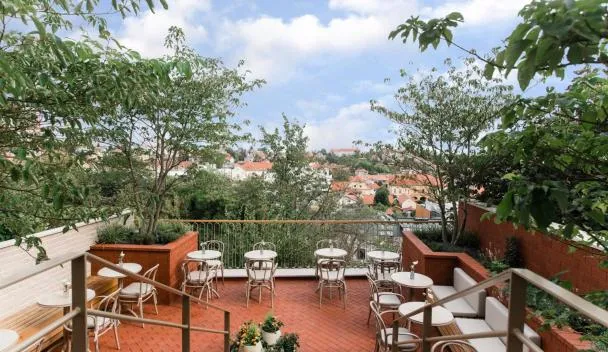
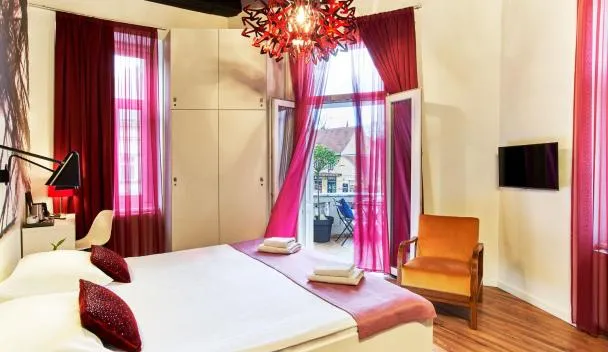
Boutique Hotel HOH and Hotel Jagerhorn fit the former Upper Town/Grič geography; Art Hotel Like and Stellar Boutique Modules fit a Ribnjak or Vlaška-side plan; Hotel Capital remains a central compromise. These are route explanations, not claims that Art Park operates beside a hotel this year. Confirm the current location first, then compare the actual approach.
Choose accommodation for room, sleep and the whole itinerary, including event noise and late transport. Pair a confirmed Art Park programme with one nearby district or the park itself. Do not add four old installation locations to recreate the project’s history in a single evening. The responsible guide follows the live programme while making its archival layers legible.
Questions people actually ask
Is Art Park free?
Yes — it’s an outdoor public stop. If you visit during an event, check the current program for any ticketed parts.
Is Art Park worth it in winter?
It can be a quick photo stop, but it tends to be most fun in warmer months when the park atmosphere is more active.