
What it is (in plain English)
Lenuci Horseshoe (often called the Green Horseshoe) is a U-shaped chain of parks and squares in Zagreb’s Lower Town. It’s one of the best “do nothing, but feel like you did something” activities in the city.
The magic is that it’s not one park — it’s a walkable system. You get trees, benches, museums, and architecture in a route that naturally flows.
A quick origin story: the Horseshoe is tied to 19th‑century urban planning in the Lower Town, and it’s named after engineer/urban planner Milan Lenuci — the person most associated with the idea.
What’s included (the classic squares list)
People describe the Horseshoe slightly differently, but the “classic” walk is built from these core Lower Town squares — plus the Botanical Garden as a green detour.
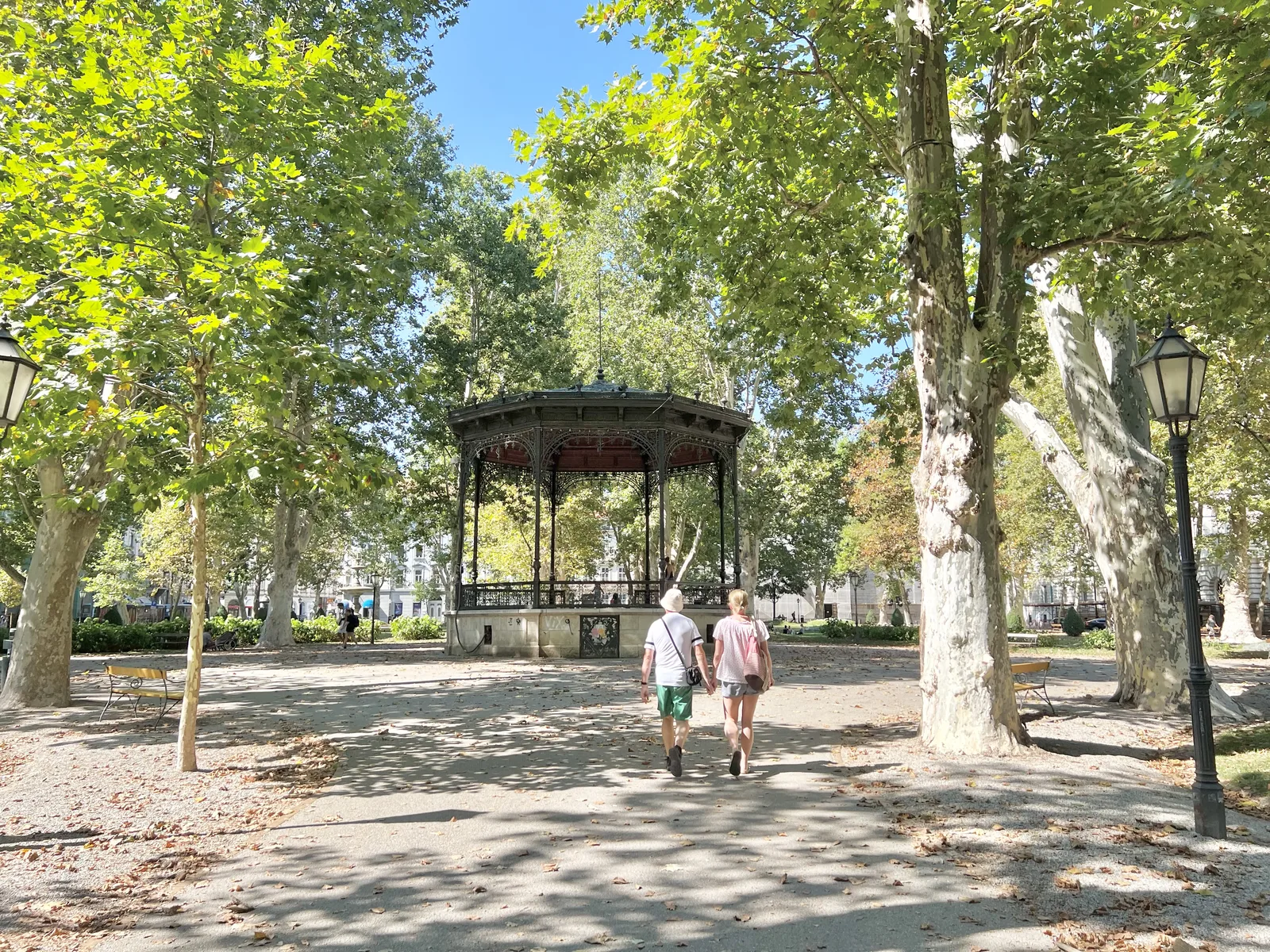
- Zrinjevac (Trg Nikole Šubića Zrinskog)
- Strossmayer Square (Trg Josipa Jurja Strossmayera)
- King Tomislav Square / Tomislavac (Trg kralja Tomislava)
- Ante Starčević Square (Trg Ante Starčevića)
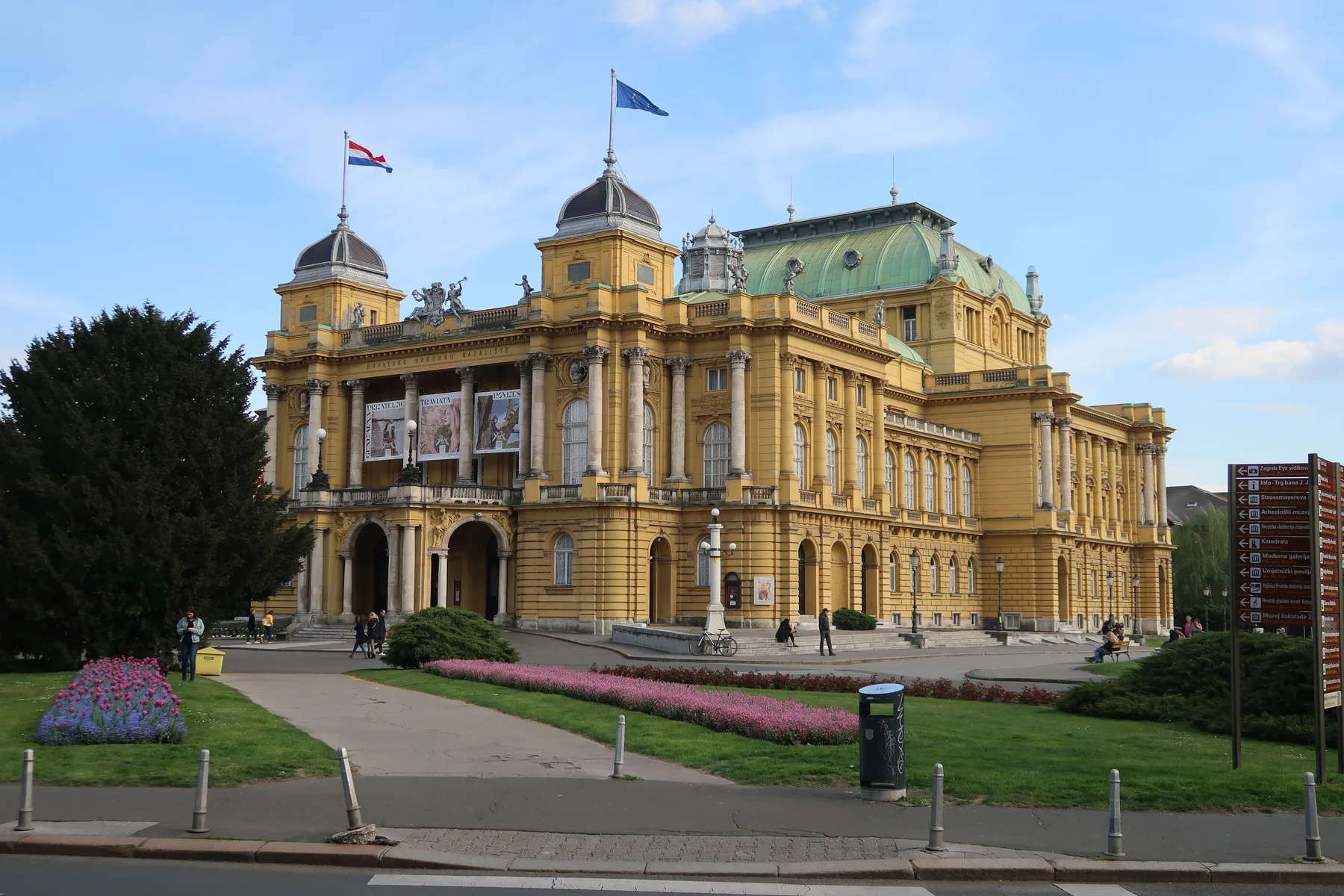
- Republic of Croatia Square (Trg Republike Hrvatske) — HNK area
- Mažuranić Square (Trg Ivana, Antuna i Vladimira Mažuranića)
- Marulić Square (Trg Marka Marulića)
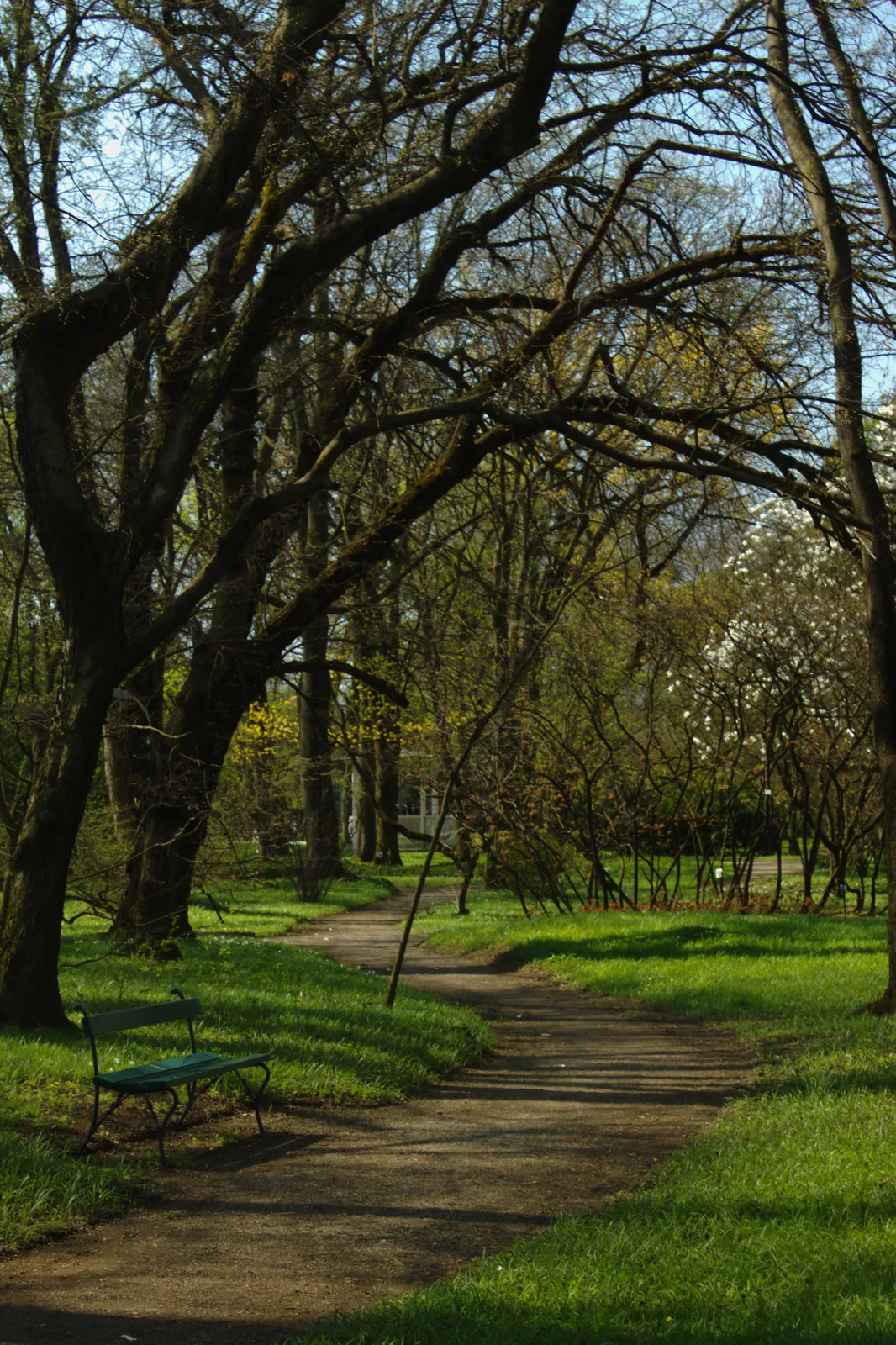
- Botanical Garden (as the calm “green break” on the route)
How to walk it (two easy options)
- Short (60–90 minutes): Zrinjevac loop → Tomislavac (King Tomislav Square) → coffee → back to the center.
- Long (2–3 hours): Zrinjevac → Art Pavilion area → Botanical Garden detour → HNK area → one museum stop → dinner.
Add one museum (it’s the best way to make the walk feel “complete”)
The Horseshoe walk is great on its own — but one museum stop turns it into a full “Zagreb day.”
Museums guide
How to choose the right museum mood.
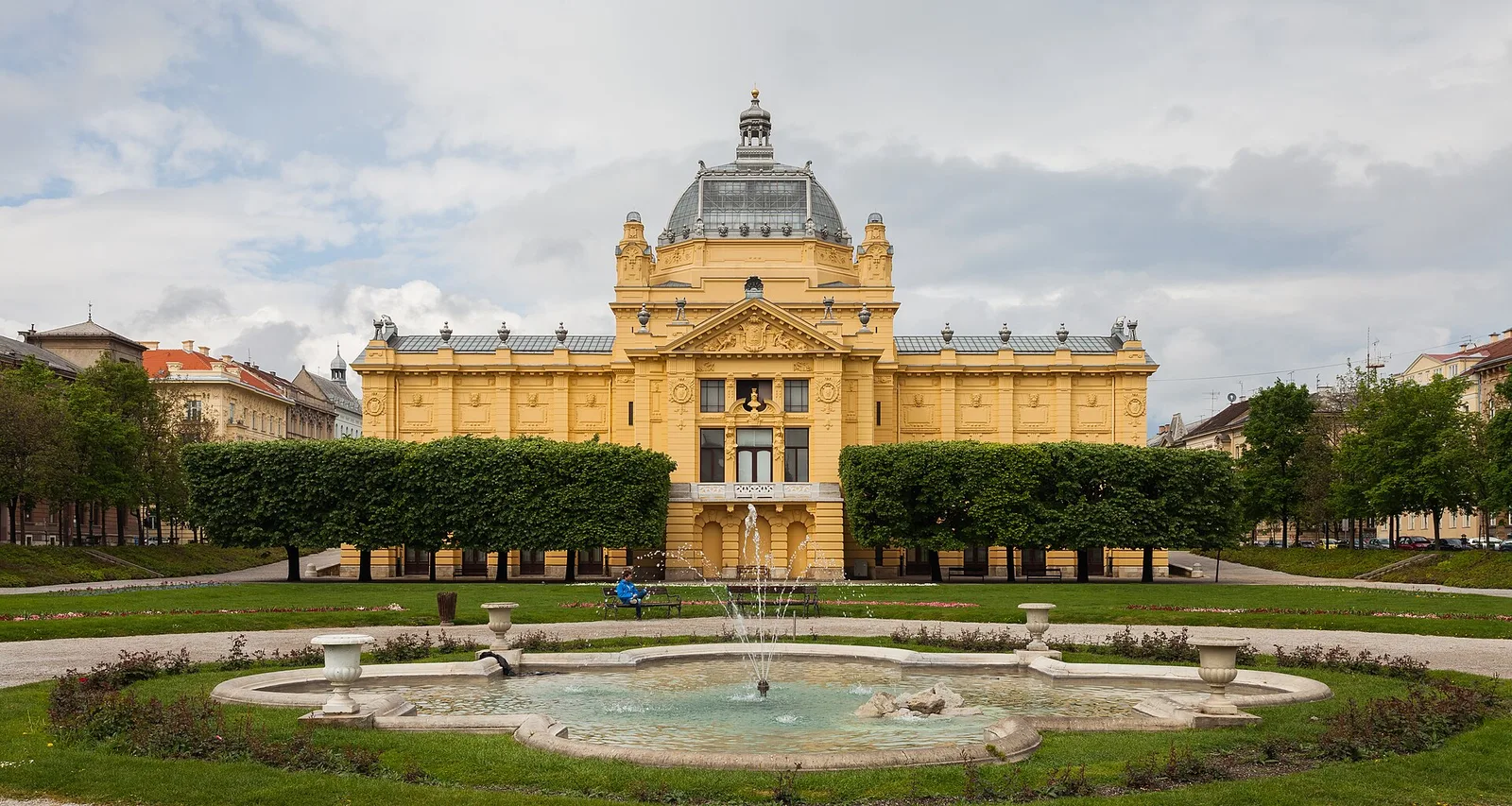
Art Pavilion
Exhibition hall on the route.
Archaeological Museum
A classic central museum option.
Mimara Museum
A big collection near the HNK zone (check current status).
Museum of Arts and Crafts
Major museum, currently under reconstruction (check official updates).
Key stops that make the route feel complete
- Zrinjevac: the classic “first square” feeling.
- King Tomislav Square (Tomislavac): open space, seasonal events, and a strong city-break atmosphere.
- Art Pavilion: a landmark exhibition hall on the route.
- Botanical Garden: a calm detour when you want less street noise.
- Croatian National Theatre (HNK): a classic landmark to anchor an evening plan.
Tips (so it feels effortless)
- This is a flat, flexible walk. You can do 20 minutes or 3 hours and still “count it.”
- Bring water in summer — the shade comes and goes.
- Bench rule: if you see a bench you like, sit. That’s the Horseshoe rhythm.
- If you’re doing it for photos, go late afternoon for better light and fewer harsh shadows.
Best seasons (quick notes)
- Spring: fresh green and a calm, walkable center.
- Summer: shade breaks between museums and cafés.
- Autumn: color and the best “slow walking” weather.
- Winter: Advent atmosphere across central squares and parks (plan for crowds).
How to combine it with your trip style
Why Lenuci’s Horseshoe belongs in the day
Lenuci’s Horseshoe is not one park but a linked urban idea: Lower Town squares and greenery create a framework for museums, public buildings and everyday routes. Understanding the sequence makes central Zagreb feel planned rather than like scattered lawns between attractions.
Walk a coherent section instead of insisting on the entire horseshoe. Zrinjevac and the eastern parks suit first orientation; the Botanical Garden and station side form another segment; HNK anchors the west. Link two sections only when weather and energy support a longer Lower Town day.
What to notice and how to decide
Notice repeated relationships between formal paths, trees, façades and cultural institutions. The connecting streets matter as much as individual squares. Sit in one park, cross another slowly and enter one building so the planning idea is experienced through changing scale rather than traced only on a map.
Outdoor comfort depends on heat, rain, events and seasonal maintenance. Museum access along the route changes independently, so one closure should not undo the walk. Travellers with limited stamina can use trams or taxis to divide the sequence and preserve the best sections.
Prioritise at least one horseshoe section on every Zagreb visit, especially for architecture, parks and an easy arrival day. Completing the full shape is optional. The concept has succeeded once the parks begin to organise how you understand and move through Lower Town.
Walk a sequence of civic rooms, not an eight-stop checklist
The Horseshoe works because gardens, monuments, institutions and streets form a planned Lower Town sequence. They are not one fenced park or a continuous traffic-free trail. Choose a short eastern route around Zrinjevac and King Tomislav Square, a western route around the theatre and museum squares, or a longer connection only when attention and weather support it. Completing every named square is not the measure of success.
At each transition, ask what changes: enclosure, tree canopy, facade line, monument, institution or rail relationship. Two well-read squares can explain the urban idea better than eight hurried photographs. The historical association with Milan Lenuci is useful context, while the experience belongs to many designers, gardeners, buildings and later adaptations. Avoid presenting one planner as the sole author of every visible element.
Separate public-space access from institutional opening
The squares remain visible public space, but the Botanical Garden, Art Pavilion, museums and Croatian National Theatre have independent hours, restoration, tickets and event conditions. Check each chosen interior with its operator. The route remains valid when a gallery is closed; replace it with an exterior reading or one open institution rather than rerouting the whole day across Zagreb.
Seasonal markets, festivals, outdoor broadcasts and ceremonies can place stages, stalls and barriers over the normal composition. Check the City and organiser for the date. A clear lawn in a historical image is not a guaranteed current view. During an event, keep emergency paths open and do not enter planting or staff zones to recreate the ordinary axis.
Treat every street crossing as part of the design
The green rooms are interrupted by roads, tram routes, station movement and service access. Cross at intended points, look both ways and keep headphones low. Wet rails and leaves reduce grip, while bicycles and delivery vehicles may approach quietly. A visual axis does not confer pedestrian priority across traffic. Families should regroup on the pavement before each transition.
Visitors using wheelchairs or other mobility aids should plan the continuous route, not assume that flat Lower Town means barrier-free. Kerbs, gravel, temporary stages, garden gates, toilets and museum thresholds differ. Ask each institution about access and choose the side of a square with a reliable crossing. Benches are common but cannot be guaranteed free at the required interval.
Use shade, weather and daylight to set the length
Tree canopy varies across the sequence, and broad lawns or paved squares can be exposed. Carry water, sun protection or rain protection appropriate to the forecast. Trees are not safe shelter during lightning or strong wind. In winter, ice and early darkness can make a long circuit less appealing; a station-to-Zrinjevac or theatre-side chapter still explains the system.
Photograph axes from the side of circulation and keep tripods off paths. Do not climb monuments, move park furniture or step into flower beds for symmetry. Date seasonal decoration and construction. A sequence of four distinct places—garden room, pavilion square, managed botanical path and theatre square—shows the Horseshoe better than repeated benches and trees.
Attach one museum or hotel to the route you actually walk
Choose one open museum, the Botanical Garden or an HNK performance as the day’s timed anchor, then let the public spaces connect it. Verify restoration status for the Art Pavilion, Mimara and Museum of Arts and Crafts rather than trusting old route lists. Keep a food and toilet stop within the chosen half of the Horseshoe so the group does not cross the centre repeatedly.
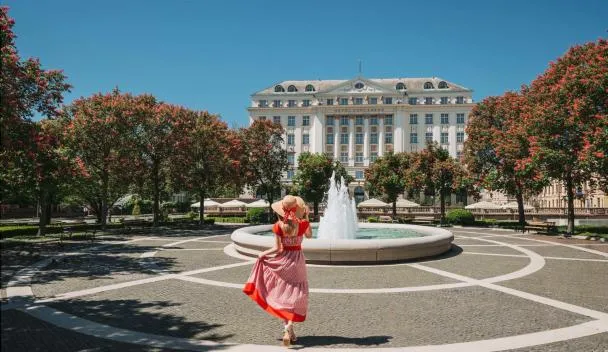
Esplanade is the researched stay most directly tied to the station, King Tomislav Square and southern-eastern sequence. Hotel Le Premier supports the eastern cultural edge; Hotel Capital suits the north-central approach. Verify room, traffic, park events and exact walking surface. Choose the hotel for the part of the Horseshoe that repeats in the itinerary, not for the abstract U shape.
Questions people actually ask
Do I need to walk the whole Horseshoe?
No. The best version is the one that fits your energy: even one square (like Zrinjevac) plus a coffee feels “complete.”
How long does the full Horseshoe walk take?
Most people enjoy it as a 2–3 hour slow loop with stops (coffee, a museum, and at least one bench break). A short version can be 60–90 minutes.
Is it a good option for families or low-energy days?
Yes. It’s flat, flexible, and easy to turn into a stop-and-go day: park → bench → museum → snack → repeat.