Why it’s an easy win
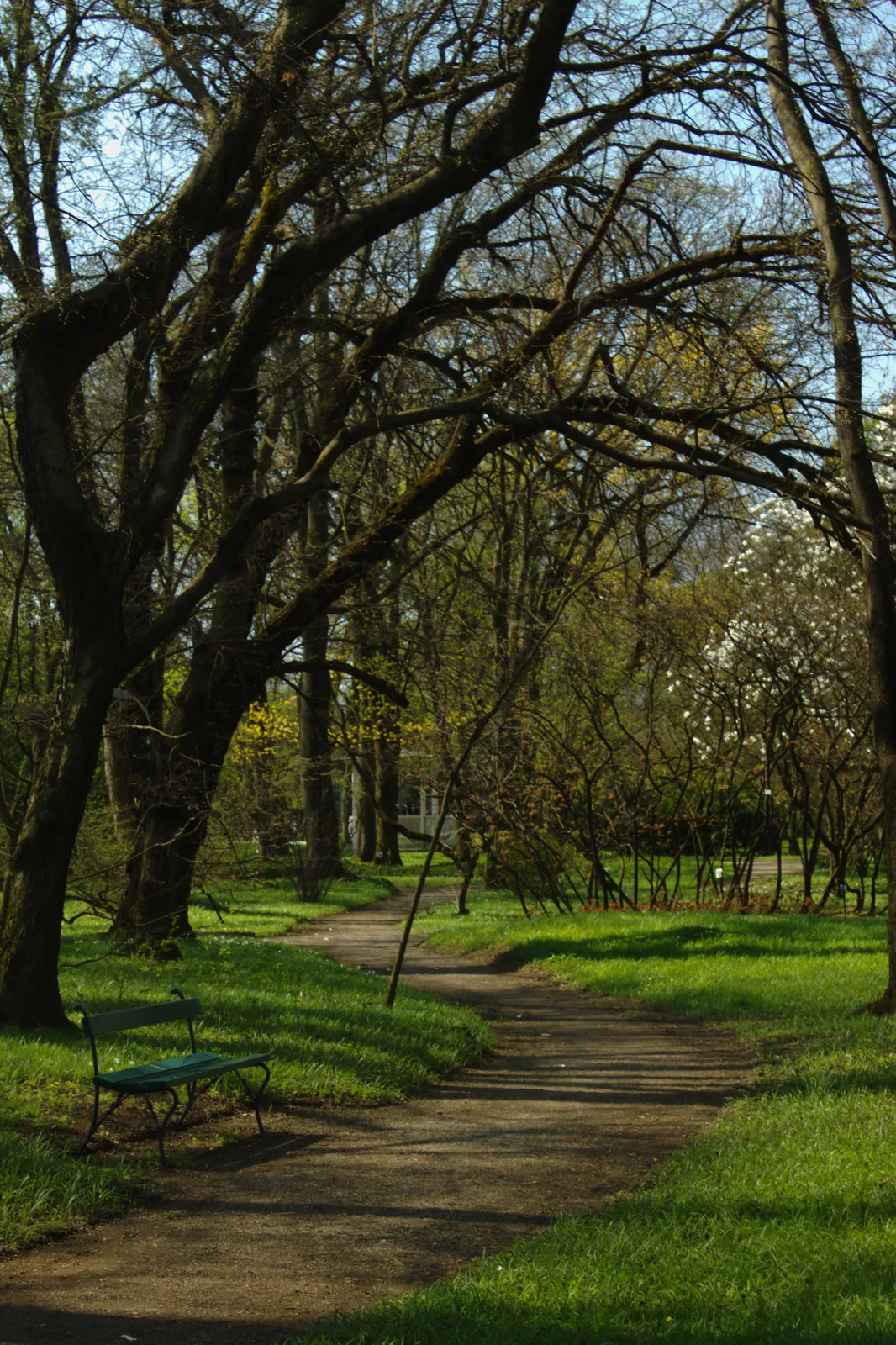
Zagreb’s Botanical Garden is one of the easiest ways to add calm to a city day: it’s close to the center, it’s walking-friendly, and it turns a museum-heavy itinerary into something softer.
Plan it well (quick tips)
- Check seasonal opening hours before you go — schedules can change by month.
- Pair it with the Green Horseshoe park loop for a low-stress afternoon.
- Treat it as a 30–60 minute reset, not a “must-see checklist.”
Best pairings
The garden as part of a Lower Town day
The Botanical Garden works best as a change of texture inside a Lower Town itinerary. It is not a reason to cross the city on its own, and it does not need to carry the pressure of a major attraction. Pair it with the Green Horseshoe, a nearby museum or the railway-station side of the centre, and the visit becomes the quiet middle of a day that already has a clear route.
A useful sequence begins in the central parks, moves gradually through Lower Town and reaches the garden when you want to stop reading façades and museum labels. Afterward, continue toward another park, coffee or dinner rather than doubling back immediately. The value is in the continuity: greenery, paths and a slower walking pace connect two more structured parts of the day.
This is especially helpful on a first visit because Lower Town can otherwise become a list of buildings seen from the pavement. The garden creates a reason to pause and notice the city’s green planning at a smaller scale. It also keeps a culture-heavy itinerary balanced without requiring the longer journey and larger time commitment of Maksimir.
What kind of visit to expect
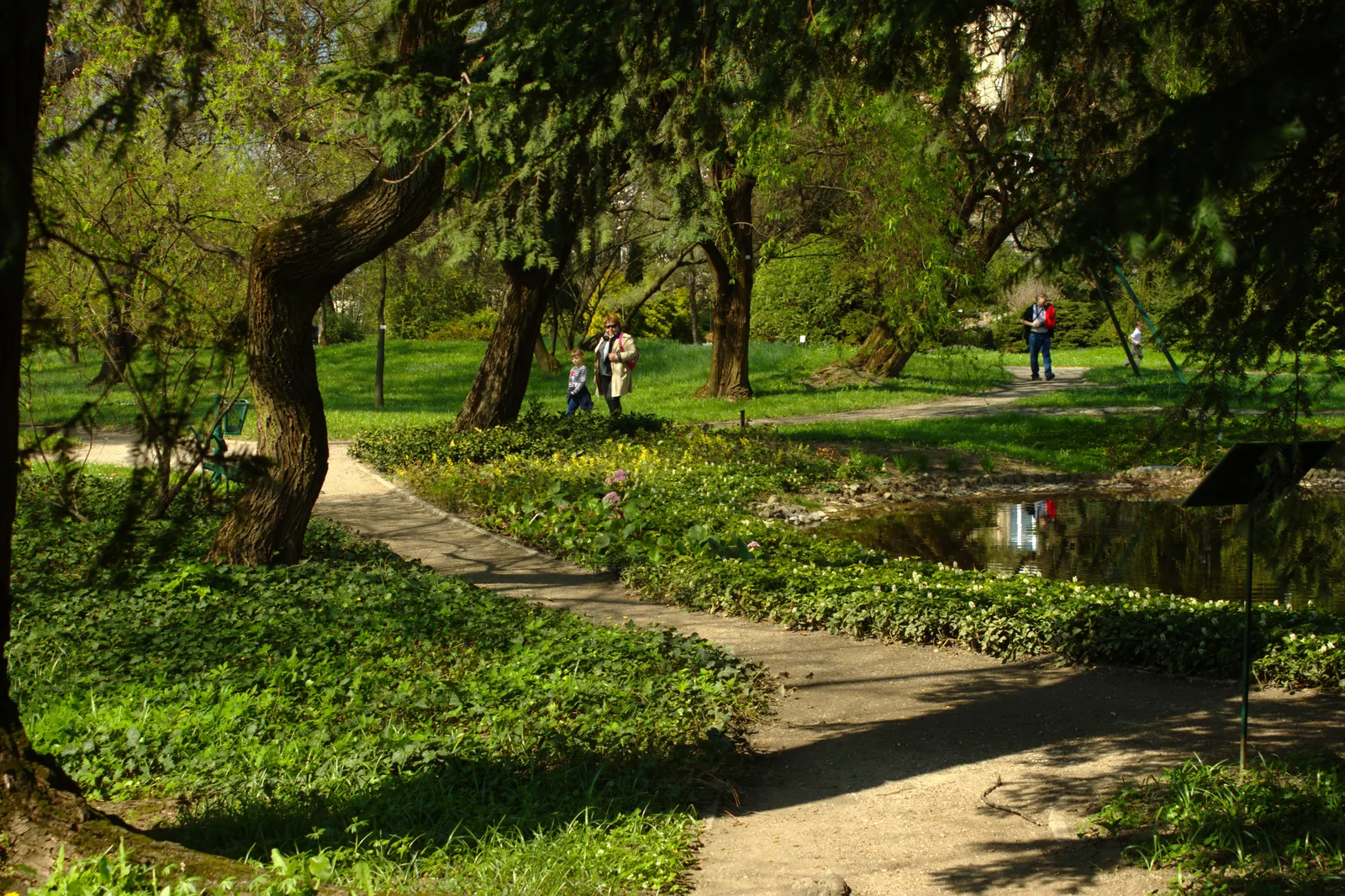
Come for a calm walk rather than a spectacle. The garden’s role in a city break is to reduce the pace: follow paths, pay attention to seasonal changes and leave when the visit feels complete. Travellers who need every stop to deliver a famous view may prefer to spend that time in Upper Town; travellers who value a quieter interval between museums and meals are more likely to understand its appeal.
Because gardens change through the year, the experience cannot be identical in every season. That is a strength when expectations are realistic. A warm-weather visit may feel fuller and invite a longer wander; a cooler or less settled day may make it a short, thoughtful detour. Check the official source for current access before you build the route, then let the conditions determine how long you stay.
The visit is also naturally low-pressure for mixed-interest groups. One person can look closely at plantings while another enjoys the path and the break from traffic. There is no need to move at museum speed or agree on a list of highlights. Set a simple meeting point if people want different paces, and keep the next part of the day nearby.
Weather, energy and the backup plan
The garden is most useful when the weather supports being outdoors, but it should not become the fragile centre of the itinerary. If rain is persistent or access is limited, preserve the rest of the Lower Town route: choose a museum, take a shorter park walk when conditions ease, and keep the coffee or meal that was already nearby. A good city plan survives the loss of one green stop.
On a hot day, use the garden as one part of a gentler route rather than placing it after hours of exposed walking. On a cool day, keep the visit concise and pair it with a warm indoor anchor. If energy is low, the garden can replace another attraction rather than being added on top. Its purpose is to soften the day, so an itinerary that makes you rush through it has misunderstood the stop.
When the garden does not fit, Zrinjevac and the other Lower Town parks still provide greenery without a separate access decision. Maksimir is the alternative when you want the park itself to be the main experience. Choosing between them is a question of scale: a central reset, a linked park walk or a full green escape.
Who should prioritise it—and who can skip it
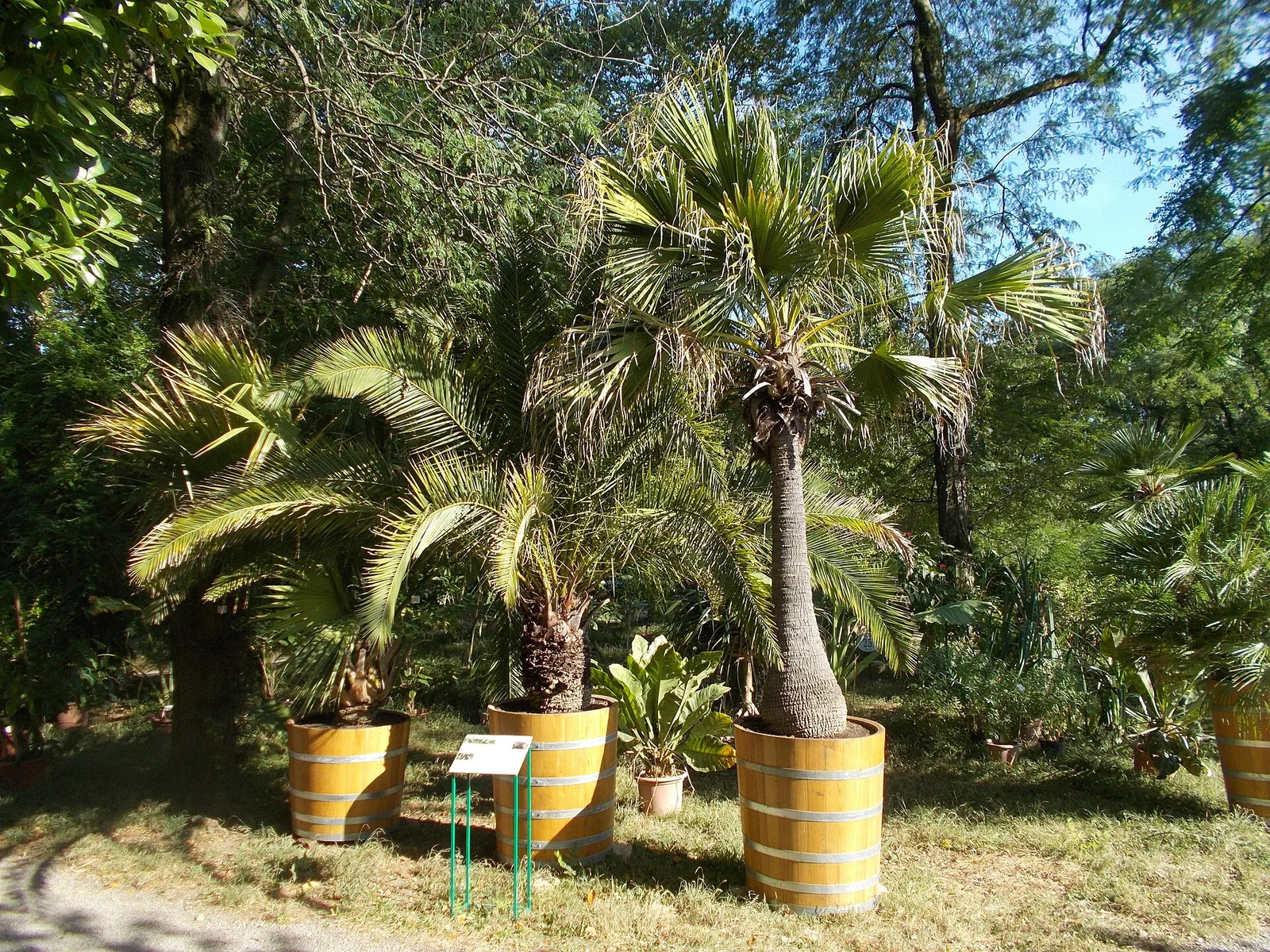
Prioritise the Botanical Garden if you enjoy small green spaces, are already walking the Green Horseshoe, or need a quiet interval in a museum-heavy day. It is also a sensible choice for repeat visitors who have covered the major historic sights and want Lower Town to feel like more than a corridor between them.
Skip it without regret when time is very short, current conditions make the visit awkward, or a larger park is already central to the plan. A first day built around Dolac, Upper Town and Lower Town parks is complete without every named garden. Good Zagreb planning is selective: each stop should improve the day around it rather than exist because it appears on a comprehensive list.
If you do go, let the garden remain modest. Arrive with the official status checked, walk at the pace the place invites, and continue through Lower Town when you are ready. The result is not a headline memory but a better-shaped day—which is exactly why the stop belongs in a thoughtful city guide.
Check the scientific garden’s live conditions
The Botanical Garden belongs to the University of Zagreb’s Faculty of Science and operates as a managed collection, not an always-open municipal lawn. Check the official visiting-hours page for the date, including seasonal opening, last entry, admission and special closure. Weather or tree safety can delay a season or close an area, as the 2026 opening notice demonstrated. A search result showing last year’s timetable is not enough.
Allow time to find the correct public entrance rather than approaching whichever rail-side edge is closest on the map. Save the address and confirm the exit if the next commitment is timed. The Garden can fit a compact hour, but the gate and last admission—not the itinerary—decide whether a late arrival works. When it is closed, continue the Lower Town park route instead of trying to see collections through a fence.
Observe collections without treating them as scenery
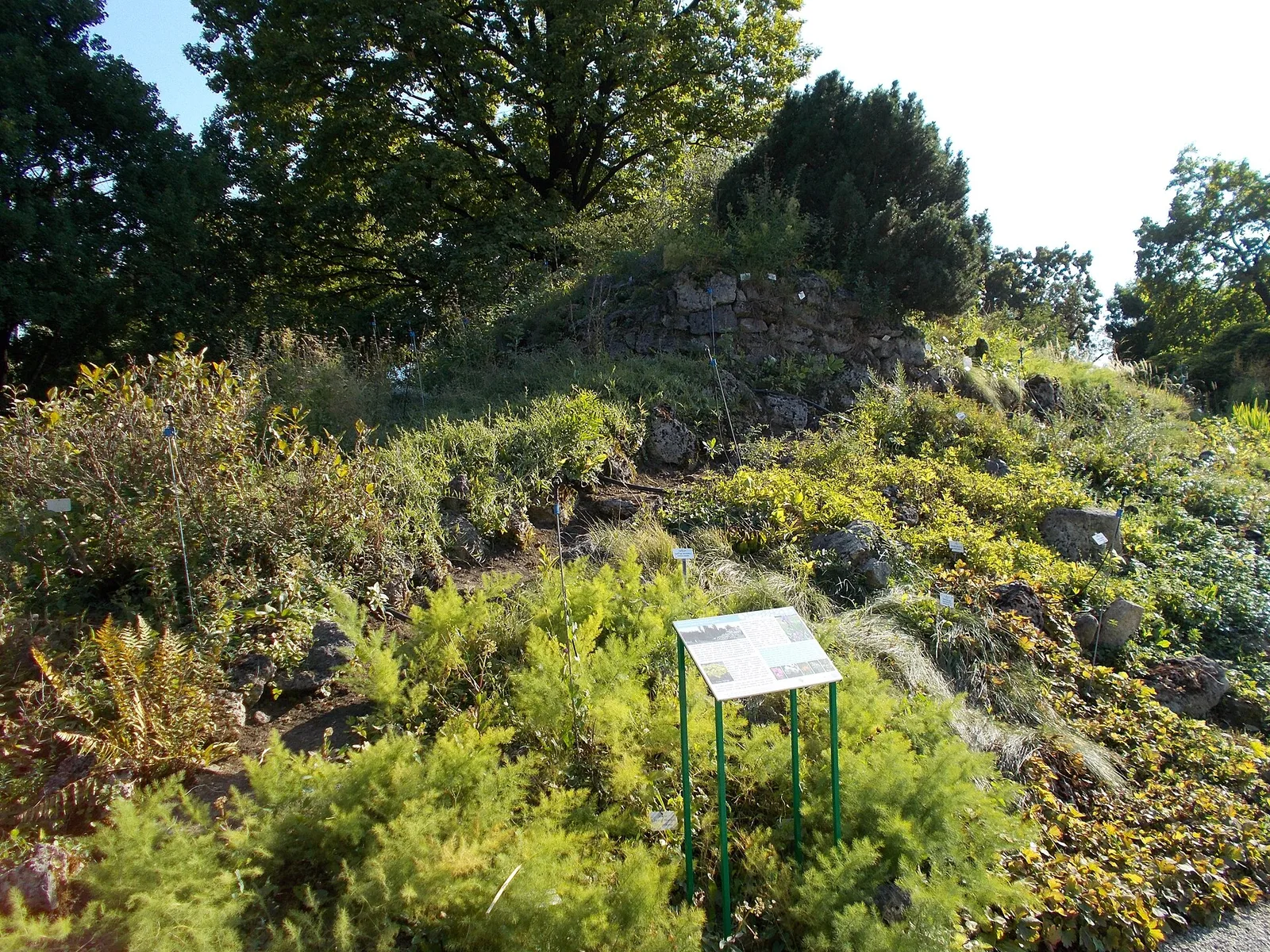
Read labels, compare plant form and notice how paths move between mature trees, planted beds and water. Early spring may reveal structure and groundcover, while later visits shift the visible emphasis. No season guarantees the flower pictured in a guide. Stay on paths, do not pick or touch specimens and follow staff instructions around conservation or maintenance. A scientific collection gains value when the visitor asks what is being grown and why.
The official rules prohibit activities such as dogs, bicycles and picnics; check the current page for the complete wording. Keep food packed, use a quiet voice and leave working space for staff. Handheld visitor photography should remain within current rules, while commercial, staged or extensive equipment may require permission. Never step into a bed, move a label or lean over a protected edge for an image.
Pair the Garden with one Lower Town chapter
The Garden forms part of the southern Green Horseshoe geography, so pair it with Zrinjevac and the station parks, or with one nearby museum and lunch. Do not combine it with Maksimir merely because both are green: Maksimir is a large landscape half-day in a different part of the city. The Garden is the focused collection stop that softens a central cultural day.
Mobility depends on the exact entrance, paths, thresholds, toilets and any temporary closure. Contact the Garden when a continuous step-free route matters. In heat, go earlier and carry water; in heavy rain or thunder, use the indoor fallback rather than assuming glasshouses or pavilions are public shelters. Esplanade’s station-side location can make the Garden and Lower Town parks especially coherent, but verify the exact hotel room and route before booking.