
Why Maksimir is a must
Maksimir is Zagreb’s most beloved green escape — the kind of park where you can walk for an hour and feel like you left the city behind.
It’s also one of the easiest “quality-of-life” upgrades you can add to a city break: one calm, green half-day between museums and restaurant nights makes the whole trip feel more balanced.
What to do there
- Do a slow loop and let the paths guide you.
- Pack a small picnic or plan a café stop afterward.
- Use it as a reset day between museums and restaurant nights.
A simple Maksimir plan (2 hours, half-day, or longer)
Maksimir works at almost any time scale — you just adjust how far you wander and whether you add a second stop afterward.
- 2 hours: walk a loop, sit for a bit, then head back to the center for lunch.
- Half-day: add one more ‘anchor’ nearby and keep the rest of the day light.
- Longer: treat it as a full outdoors day with slow pacing and a relaxed evening plan.
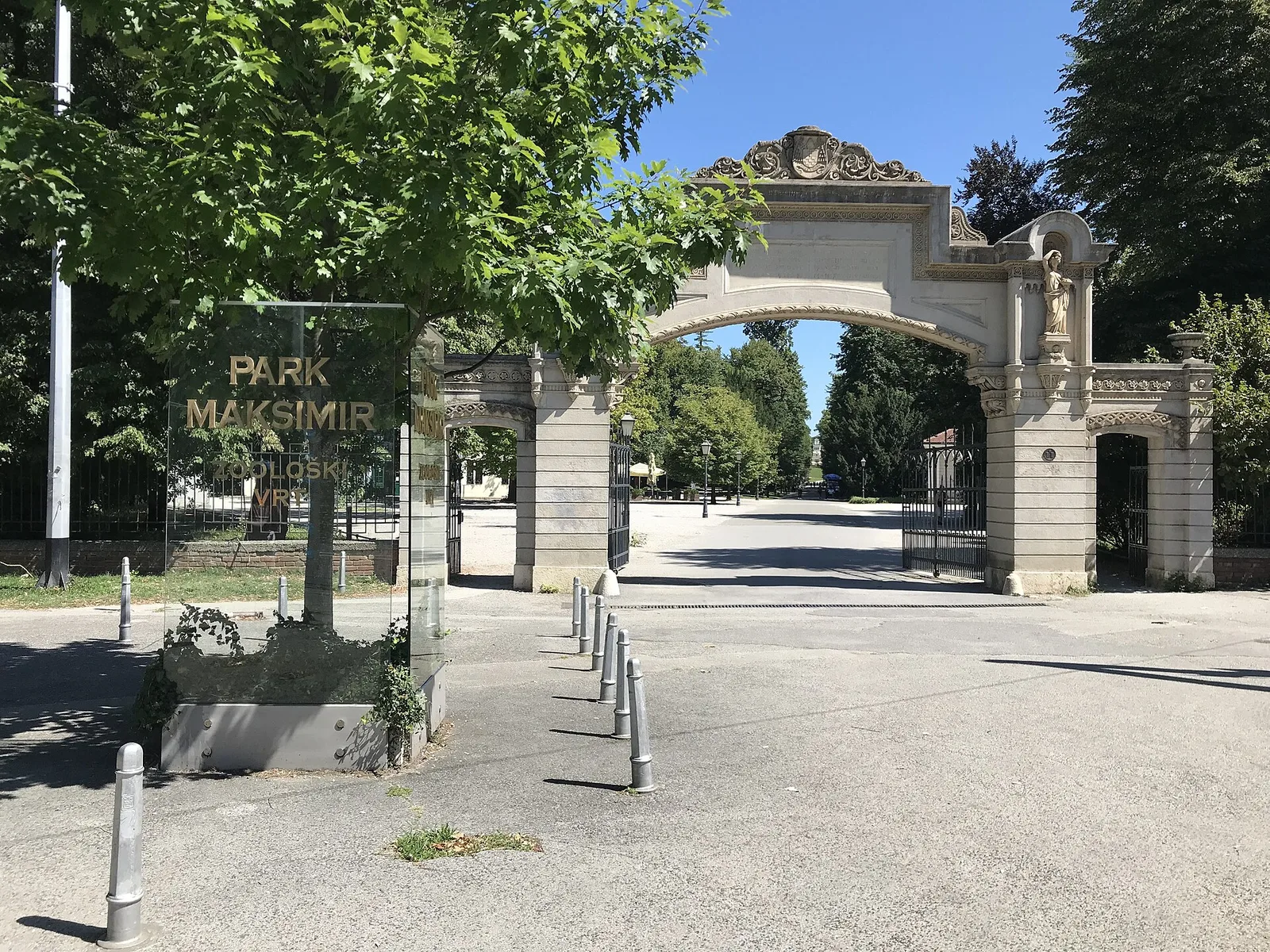
Best times (and what the light feels like)
The park’s vibe changes a lot with timing. If you want the most peaceful version, go earlier; if you want the most cinematic version, go later.
- Morning: calm, quiet, and great for long walks.
- Late afternoon: softer light and a more romantic mood.
- Autumn: peak colors and the best ‘long walk’ season.
What to bring (small things that matter)
- Water (especially in warmer months).
- A light layer — shade and wind can make it feel cooler than the city streets.
- Comfortable shoes — this is the kind of place where ‘just a little more walking’ keeps happening.
- A power bank if you’re using maps + photos a lot.
Pair it with the rest of your trip
Maksimir is best as a contrast day. After a museum-heavy day, go green. After a late night, go morning-walk. Keep the rhythm gentle and the city will feel better.
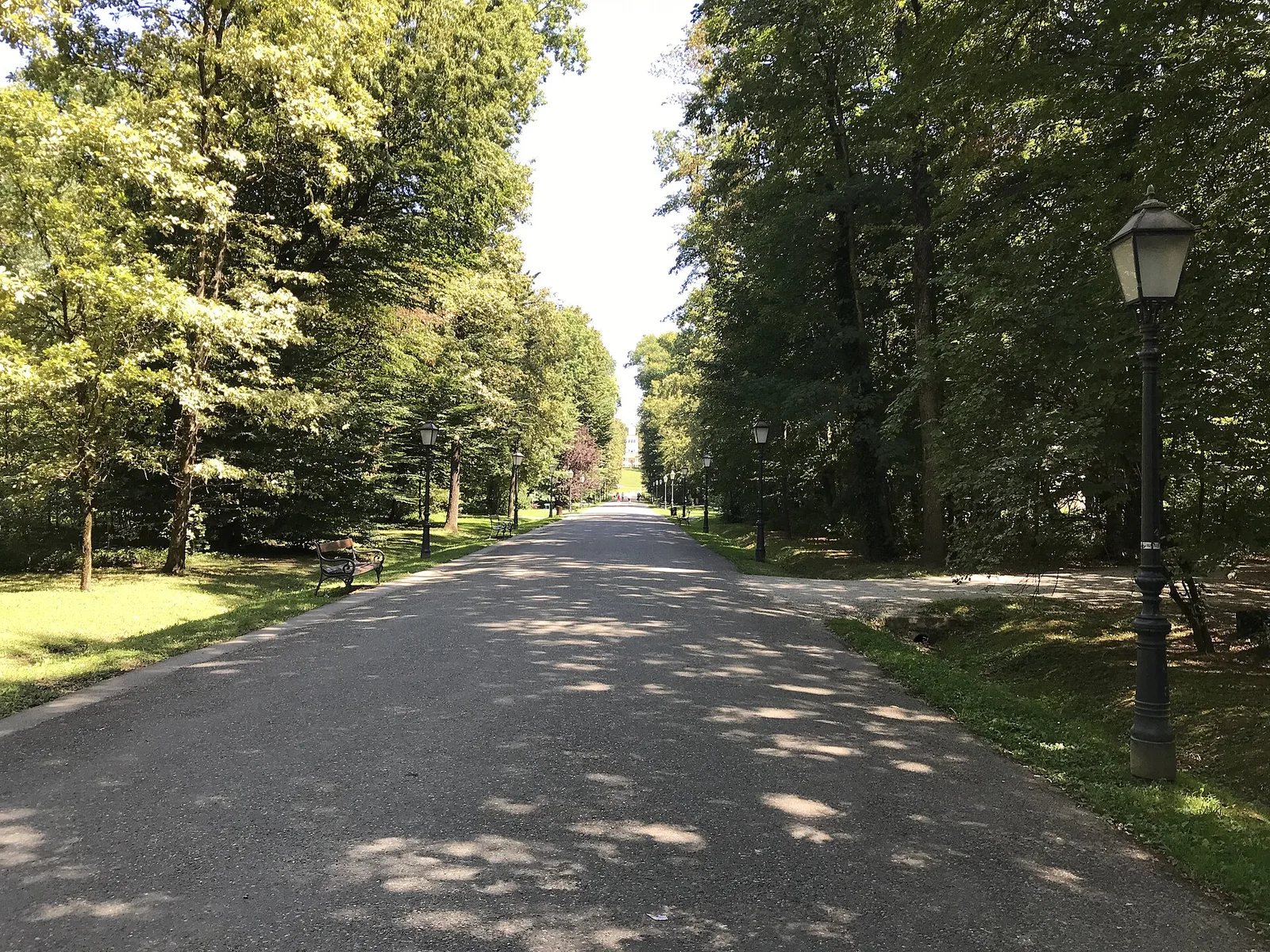
Why Maksimir Park belongs in the day
Maksimir is Zagreb’s strongest choice when the park itself should carry a substantial part of the day. Wooded paths, open areas and landscape features create a deeper green reset than Lower Town’s formal squares while remaining part of the city.
Give Maksimir a half day and choose a realistic loop before entering. Families can combine it with the zoo; other travellers should resist adding the zoo automatically. Arrive by a checked transport route and finish with a meal or direct return rather than another distant neighbourhood.
What to notice and how to decide
Notice how the park changes from formal entrances to quieter paths and how water, trees and pavilions shape direction. Put the map away for short sections but retain a clear return point. The experience improves when walking has purpose without becoming a race between named features.
Weather, mud, heat and daylight affect routes and comfort. Bring water, suitable footwear and seasonal protection, and confirm any facility or programme that matters. Large parks can turn a minor mobility or energy issue into a long return, so choose distance conservatively.
Prioritise Maksimir for nature, families, runners and travellers staying long enough to leave the central circuit. On a short first visit, Lower Town parks may supply enough greenery. Choose Maksimir when you want a genuine park block, not merely another green pin.
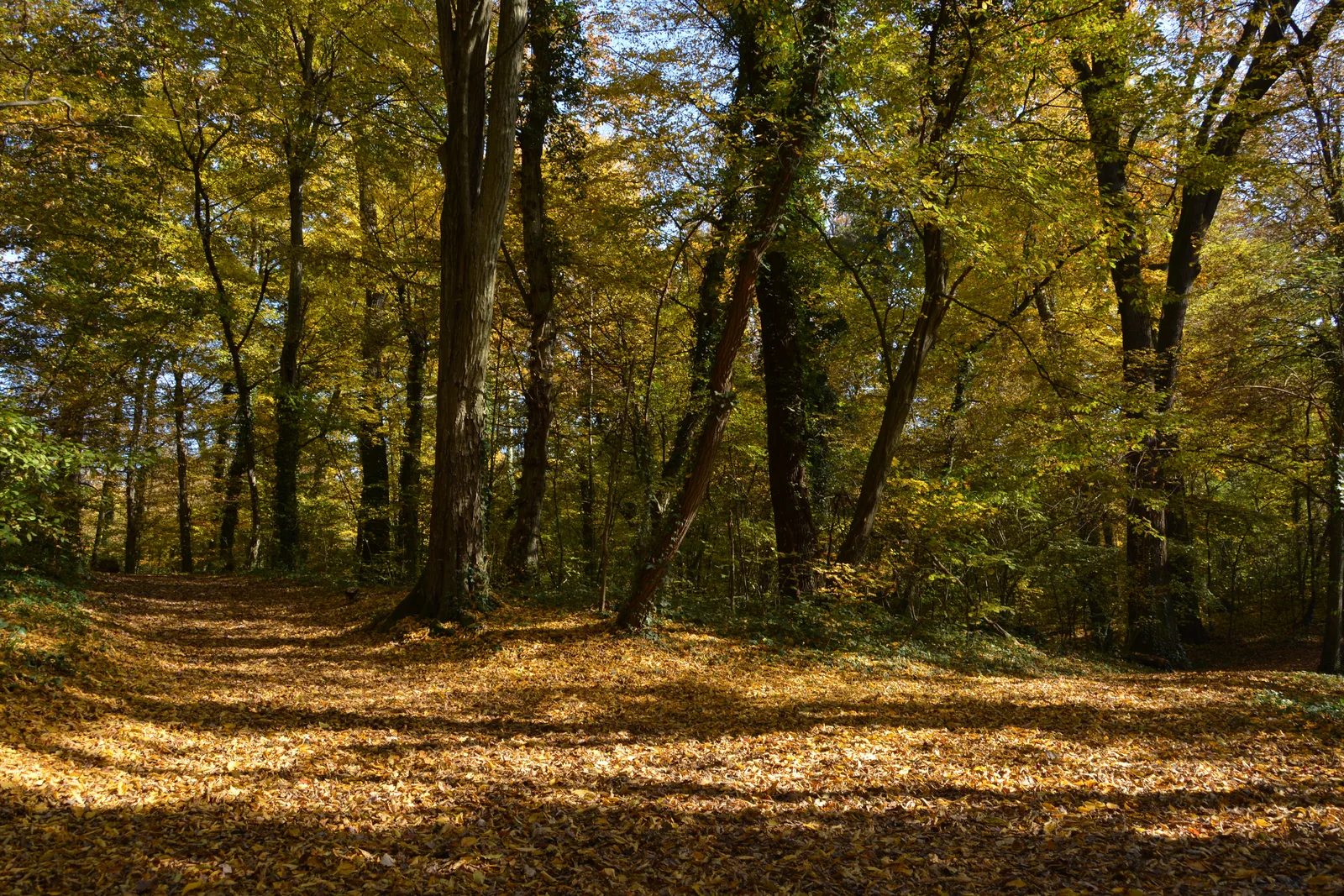
Choose an entrance, loop and turnaround before wandering
Maksimir is large enough that ‘let the paths guide you’ can become a missed tram or an overtired family. Use the park authority’s current map and choose the entrance that fits the arrival. Mark one lake, landscape feature or short woodland section as the farthest point, then define a turnaround by time as well as location. A two-hour visit should leave enough margin to return along a known route; a half-day can add another lake or a separate zoo visit only when the live hours align.
Download the route and save the exact return stop. Mobile signal and wayfinding should not carry the plan alone. Broad formal paths can give way to quieter woodland surfaces, and rain, fallen leaves or maintenance may change what is comfortable. Follow closures and signs rather than creating a shortcut. When the group wants a relaxed park, a shorter loop with time beside the water is more faithful to Maksimir than reaching the farthest pin and hurrying back.
Read the park as landscape, woodland and water
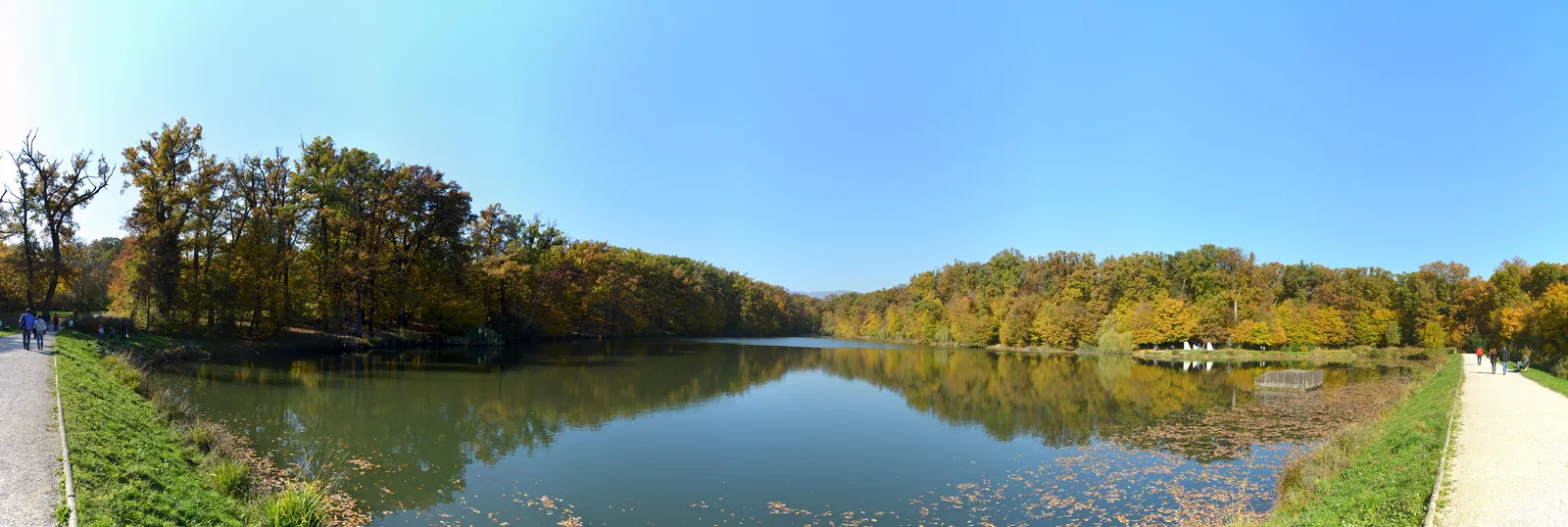
Maksimir is not one continuous forest and not one ornamental square. Its experience comes from moving between designed landscape, open lawns, wooded paths and lakes. Notice how a formal axis opens into a broader view, how tree cover changes sound and temperature, and how water creates long sightlines across an otherwise enclosed walk. The Arena view belongs to Jarun, not Maksimir; keep Zagreb’s large green spaces distinct rather than using interchangeable lake language.
Season changes the evidence. Autumn leaves reveal depth and make lake reflections dramatic, but can hide roots. Summer canopy provides shade without eliminating heat or storms. Winter can bring mud or ice, while early spring may show structure before dense growth. Photograph the condition actually present. Do not leave the path to reproduce a foliage frame, and do not describe one visit as the permanent look of the park.
Wildlife needs distance, not snacks
The park authority explicitly advises visitors not to feed wild animals. Feeding changes behaviour, nutrition and the relationship between wildlife and people. Observe birds and other animals from a distance, keep food closed, and move away when an animal changes direction because of you. Never release a former pet into the park. Keep dogs under the current rules and prevent them from entering nesting, feeding or sensitive water-edge areas.
Use a longer lens rather than approaching a nest or blocking a swan’s route. Do not throw bread into lakes for a photograph, play calls from a phone or move branches and leaf litter to reveal wildlife. Children can learn more by watching ordinary behaviour than by making an animal come closer. Carry litter to an appropriate bin, and report an injured animal through the authority’s current contact rather than attempting an improvised rescue.
The zoo is a separate visit inside the same geography
Zagreb Zoo occupies the southern part of the Maksimir area but has its own entrance, ticket, hours, last admission and visitor rules. Do not count it as a brief feature discovered during a park loop. Families should decide whether the day’s attention belongs to animals or the wider landscape, then give that choice enough time. Combining both works only with a generous half- or full-day, an appropriate meal plan and the youngest visitor’s energy.
Check the zoo’s official site immediately before visiting; seasonal hours and animal-area access can change. Respect barriers and quiet zones, never feed zoo animals and follow staff instructions. Visitors not entering the zoo can still have a complete Maksimir experience through the lakes and woodland. A ticket is not required to prove the park was worth the tram journey.
Weather, access and the return decide suitability
Check the forecast and current park notices before leaving the centre. Heat requires an earlier visit, water and a shorter exposed section; storms require a substantial shelter rather than a tree; rain can make woodland and leaf-covered surfaces slippery. After strong wind, follow closures around trees and do not enter taped areas. Carry a layer because shade and water can make the park feel cooler than an exposed square.
Mobility conditions vary across entrances, path surfaces, gradients and facilities. Identify the continuous route, toilet and rest points that matter instead of describing the whole park as accessible from one broad promenade. A companion can inspect the next surface before a mixed-mobility group commits. On the return, use the saved stop and leave one full connection of margin; a restorative half-day should not end with a sprint across Maksimirska cesta.
Bring water and a useful snack without making an assumed kiosk or café responsible for the outing. Check current park information for toilets and any service the group needs. If picnicking is permitted in the chosen area, keep the meal compact, protect food from wildlife and remove every item. Glass, disposable decorations and loud speakers add risk without improving the park. A proper meal before or after the walk often keeps the landscape chapter calmer.