
Why Zagreb works for families
The city is compact, green, and easy to navigate. You can balance “kid energy” with parks and simple walks without losing the grown-up pleasures (coffee, pastries, museums).
The secret is pacing: one big outdoor block per day, one snack ritual, and only one museum per half-day.
Easy wins
- Maksimir Park for big outdoor time.
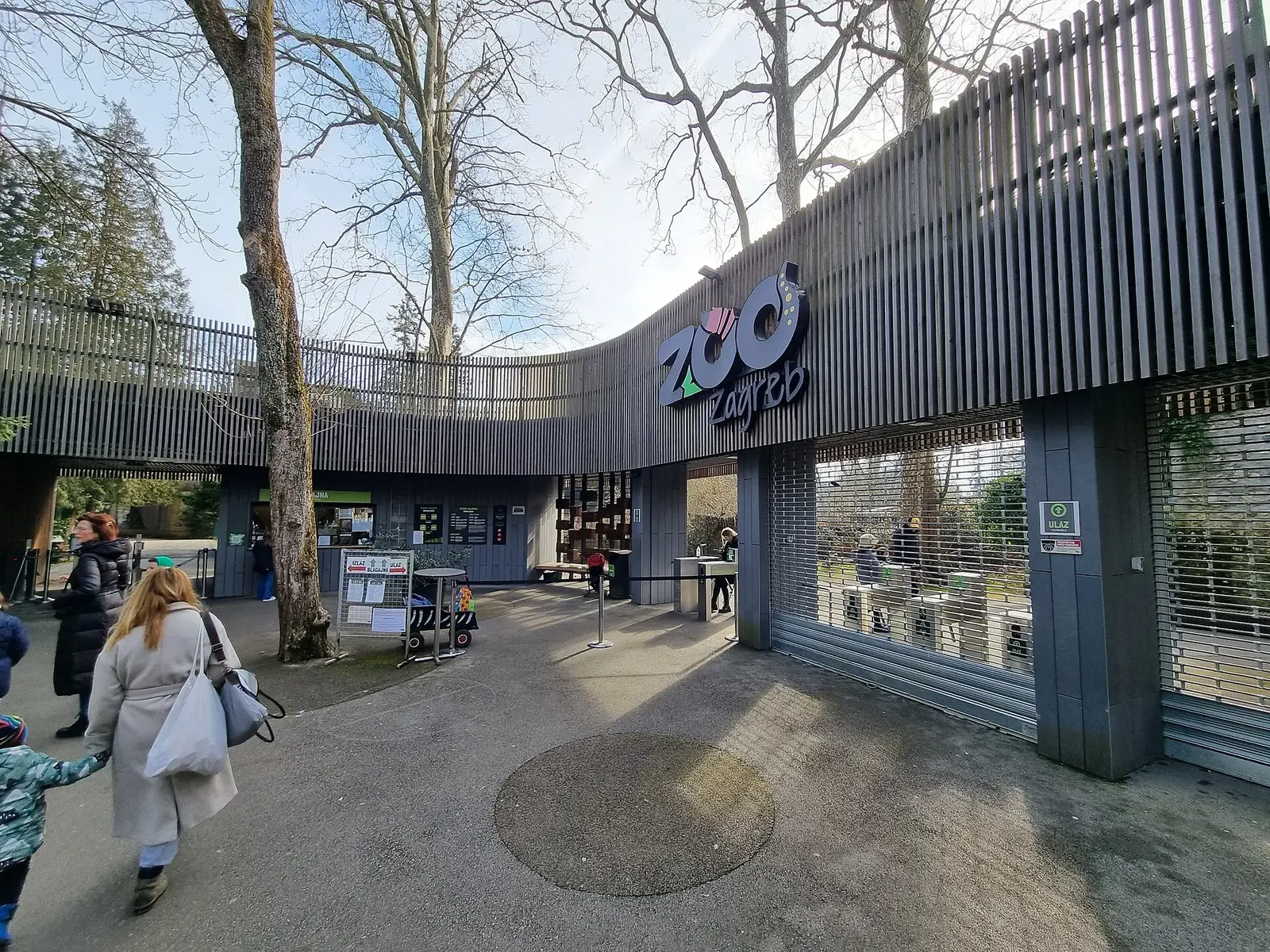
- Zagreb Zoo (inside Maksimir) for a full “park day” with kids.
- Jarun for lakeside walks and space to move.
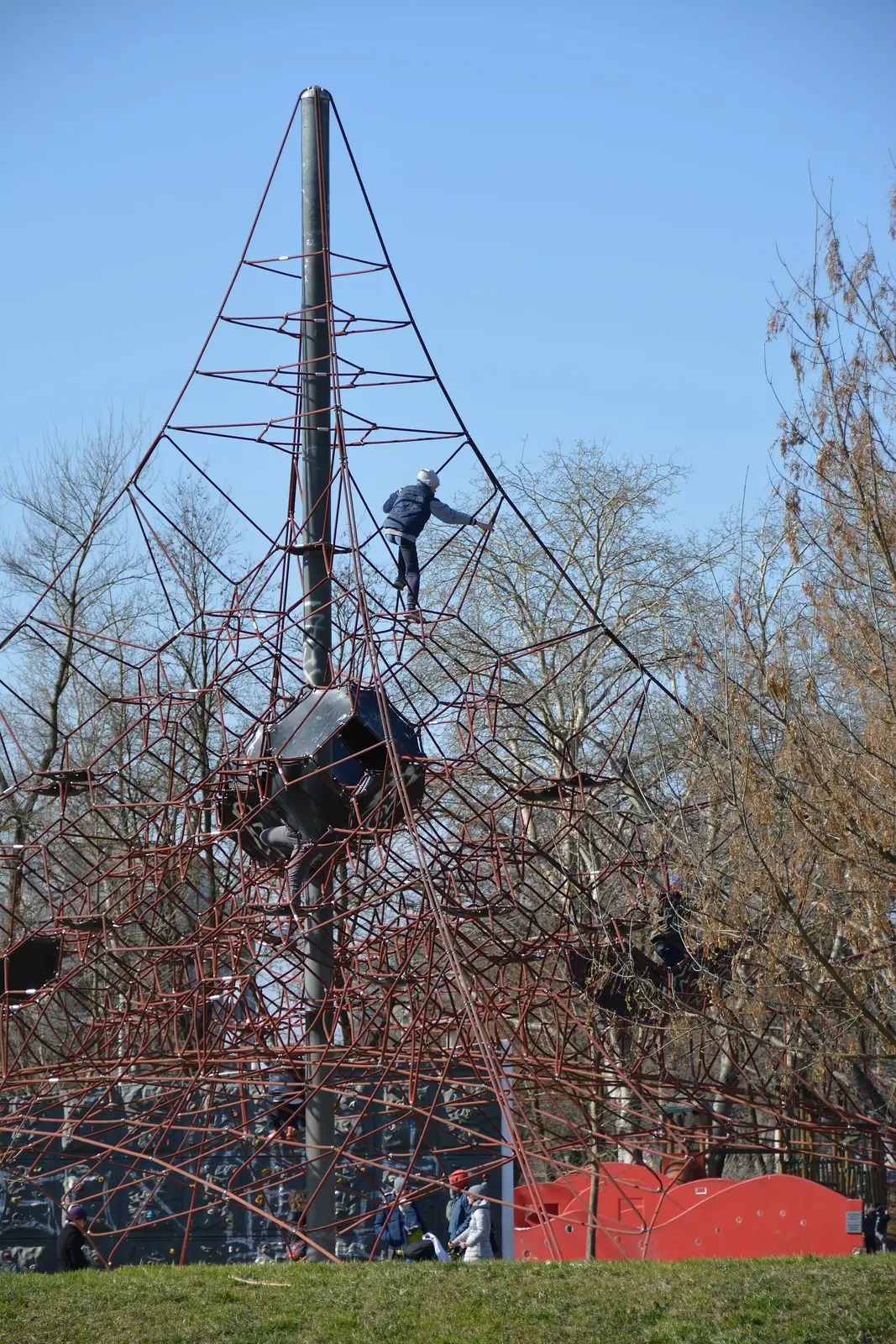
- Bundek for a smaller, kid-friendly lakeside park day (great with a picnic).
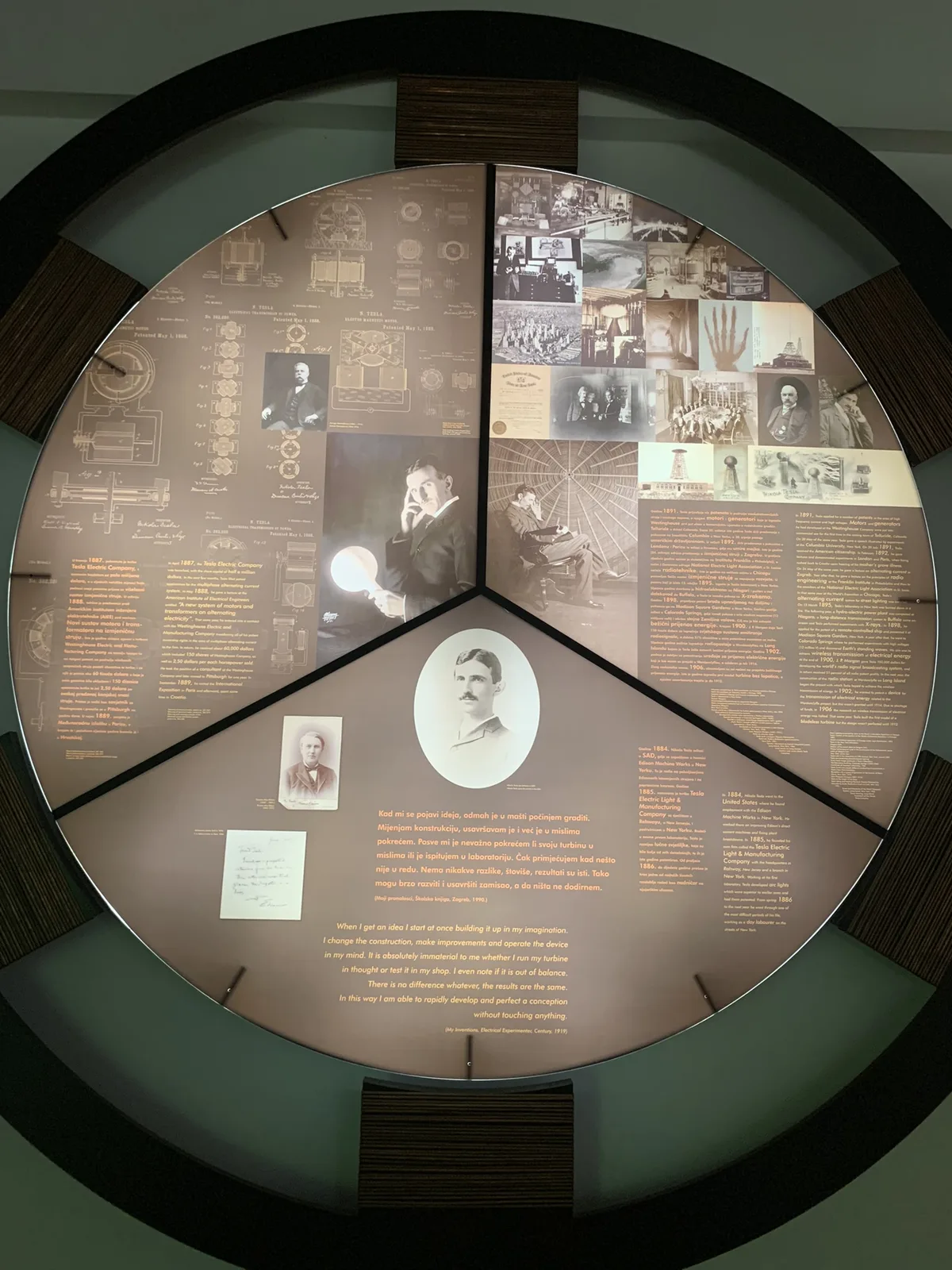
- Technical Museum Nikola Tesla for a hands-on indoor day.
- Croatian Natural History Museum (HPM) for a classic rainy-day museum visit.
- Short city walks with frequent snack stops.
- One museum max per half-day — keep it fun, not exhausting.
Maksimir Park guide
Classic big-park day.
Zagreb Zoo
Inside Maksimir; easy family day.
Jarun Lake guide
Space to move + sunsets.
Bundek Park guide
A relaxed lakeside walk in Novi Zagreb.
Technical Museum Nikola Tesla
Hands-on, rainy-day favorite.
Croatian Natural History Museum
A strong rainy-day pick with kids.
If it rains (kid-proof plan)
- Morning: hands-on museum (TMNT) → snack.
- Midday: warm lunch → short tram ride (novelty!).
- Afternoon: one more indoor stop (or just a long café/pastry break).
A low-stress family day
- Morning: park time → snack.
- Midday: simple lunch → short walk.
- Afternoon: museum or lake → early dinner.
What a family-friendly Zagreb day should add to the trip
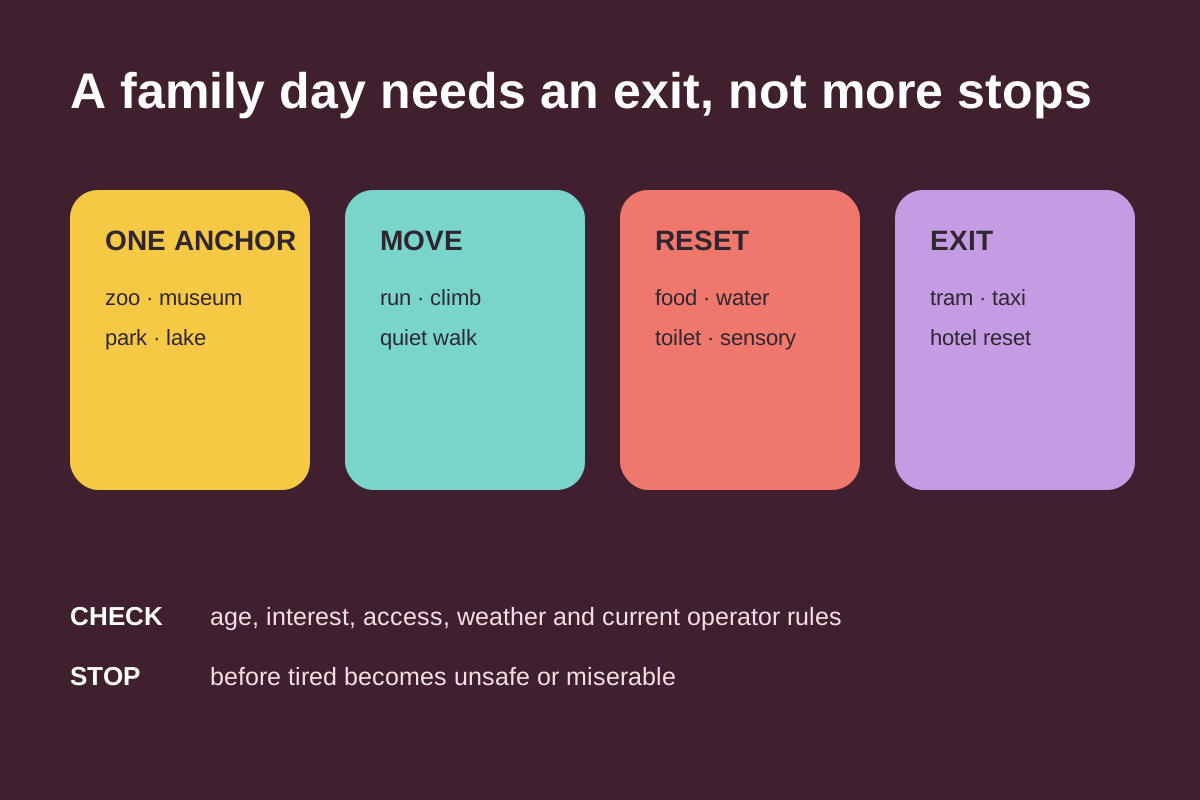
Family Zagreb works through alternating modes: one tangible attraction, one open-space reset, food before hunger and an exit before everyone is exhausted. Adult and child interests both need visible space.
A route and pace that make a family-friendly Zagreb day work
Use a short Upper Town loop with the funicular, a Maksimir-and-zoo day, or a technical-museum block with a park. Avoid connecting three child-friendly places that sit in different parts of the city.
The choices, trade-offs and common mistake
Choose by the children’s ages and actual fascinations. Animals, machines, trams, markets and open lawns can outperform a generic family attraction when they match what the child already enjoys.
Check stairs, stroller routes, toilets, food rules, age guidance and quiet spaces before arrival. ‘Family-friendly’ does not guarantee every exhibit, performance or old-town surface suits every family.
Weather, current information and the fallback plan
Carry a snack, keep one indoor and one outdoor option near the base, and allow the hotel reset to replace an attraction. A shortened day that ends well is better than recovering from a preventable meltdown.
Plan for this child, not an age label
Start with age, interests, mobility, communication, feeding, toilet, sleep and sensory needs. Family-friendly is not a property shared equally by every child or caregiver. Ask what the child wants to notice—animals, machines, water, climbing, rocks or trams—then choose one anchor whose current conditions support that interest.
Write one must-do and one easy exit. A family that leaves after ninety good minutes has not failed a full-day attraction. Preserve snacks, unstructured movement and a hotel reset before adding another ticket. Adults should take turns holding logistics so one person is not silently carrying every bag and decision.
Treat the Zoo and Maksimir as separate choices
Zagreb Zoo’s official information currently separates ticket-office hours from the later time visitors may remain, and says it operates daily. Recheck on the visit date: the entry cutoff matters more than the final closing time. Tickets do not promise that a specific animal will be visible, active or in one habitat.
Maksimir can be the movement and decompression part of the day rather than an automatic extension. Decide park first, Zoo first or one only. Do not feed or provoke animals, use flash against glass or place children on barriers. Follow staff directions and let welfare, maintenance or weather closures override the desired photograph.
Use the Technical Museum by programme, not size
The Technical Museum publishes shorter Saturday and Sunday visitor hours than weekdays and separate times for the mine, Tesla demonstration and planetarium. It explicitly says the planetarium is not recommended for children under seven. Choose one or two collections and confirm the timed component instead of promising every experience within one visit.
The operator currently describes wheelchair access in sections of the ground floor, not the whole museum. Ask about the exact route and demonstration. Large vehicles and machines can engage children, while dark mine spaces, sound, standing and instructions can be difficult for others. A caregiver preview and agreed exit word reduce pressure.
Use the Natural History Museum through live visitor details
The renovated Croatian Natural History Museum publishes current family tickets, screenings and step-free circulation information. Its live site also identifies temporary operational details, such as a café closure, that can change faster than a guide. Check the visit page for the date and bring the food plan rather than assuming an advertised facility operates.
Let the collection answer one child-sized question: how a mineral forms, how habitats differ or what evidence reconstructs the past. Do not turn every label into a lesson. Check language, screening intensity and workshop booking, and leave time for the outdoor Tuškanac approach only when weather and mobility make it useful.
Use Bundek and Jarun with an equipment check
Bundek offers lake paths and play space in Novi Zagreb, but an older photograph cannot prove today’s equipment inspection, shade, crowding or age suitability. Look at the posted rules and the structure before use. Keep close supervision near water and separate cycling paths, dogs and event infrastructure from the child’s play zone.
Jarun is larger and can require more transport, walking and return planning. Choose it for a specific lakeside purpose, not because every family list includes it. Check weather, water status, event barriers and toilets. A short shaded park near the hotel may be better than a long exposed excursion on a hot or stormy day.
Make food, toilets and medication part of the route
Carry water and one familiar snack while respecting venue food rules. Confirm allergies and cross-contact with the exact operator; a children’s menu is not automatically safe or nutritionally suitable. Schedule lunch before the group becomes depleted, and identify a backup supermarket or bakery without assuming its Sunday hours.
Map toilets, changing needs, seating and a private medication routine before entry. Keep essential medicine with the responsible adult, in original packaging where appropriate, and know 112 for emergencies. Do not ask venue staff to store medicine or supervise a child unless an explicit service and procedure has been agreed.
Move by tram without turning it into a test
A short tram ride can be enjoyable, but active rails, crowding and vehicle gaps require adult control. Validate the correct ticket, keep children clear of doors and tracks, and fold or position a stroller according to the live vehicle situation. Do not let novelty distract from the stop or traffic crossing.
Use a licensed ride when tiredness, weather, mobility equipment or a missed connection makes it safer. Save the hotel address and regrouping point. Each adult should know who is responsible for each child during boarding and alighting; vague group supervision is weakest exactly when the doors open.
Choose the hotel by the hardest family transition
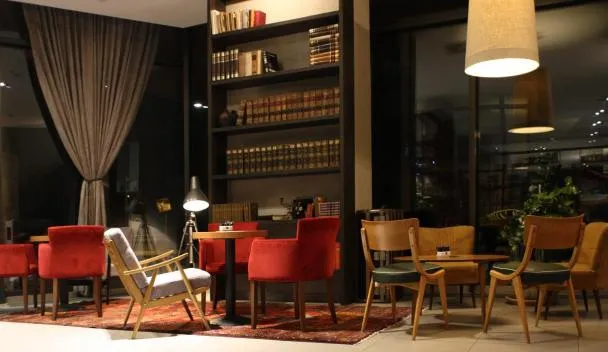
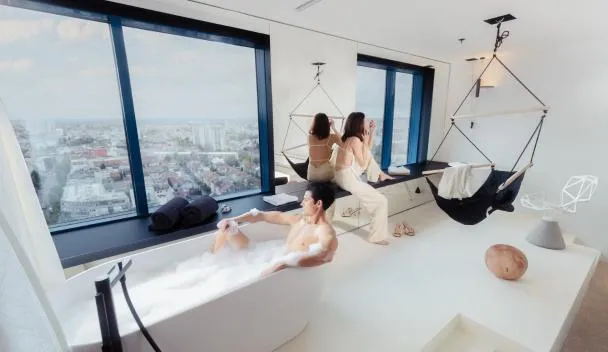
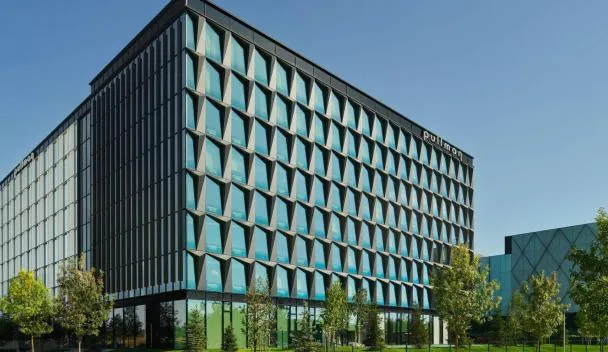
Hotel Jagerhorn and Hotel Capital support compact central walks; Hotel Sliško and Hotel 9 can simplify bus-station arrivals; Zonar supports western Zagreb; Pullman supports Bundek, MSU and Novi Zagreb; Canopy supports eastern Lower Town. Choose for sleep, room layout, lift, breakfast and transport, not a generic family badge.
Confirm the exact room’s bed and cot setup, occupancy, connecting-door guarantee, bath or shower, refrigerator, stairs and noise. Ask before sending food, renting equipment or leaving luggage. A pool, playroom or babysitting mention needs current written terms, supervision rules and age limits before it becomes part of the plan.

Review a family recommendation in the field
Test arrival, queue, entrance, toilets, seating, sensory load, food, staff help and exit with the relevant family perspective. Record the date and child-age context without identifying a minor. One calm weekday observation does not prove weekend conditions; one overwhelmed visit does not condemn every future visit.
Seek feedback from disabled families and different caregivers with consent and credit. Publish measurable conditions and alternatives rather than a universal verdict. Recheck prices, programmes and access each season, remove expired workshops and retain a free park fallback. A trustworthy family guide makes changing the plan feel normal.
Protect children while documenting the day
Ask the child at an age-appropriate level before taking or sharing an image, and obtain caregiver permission without treating it as the only consent that matters. Avoid school details, live location, name tags and routines. Never photograph another child closely because the attraction feels public; frame the exhibit or wait for a clear view.