
Why it’s a great museum choice
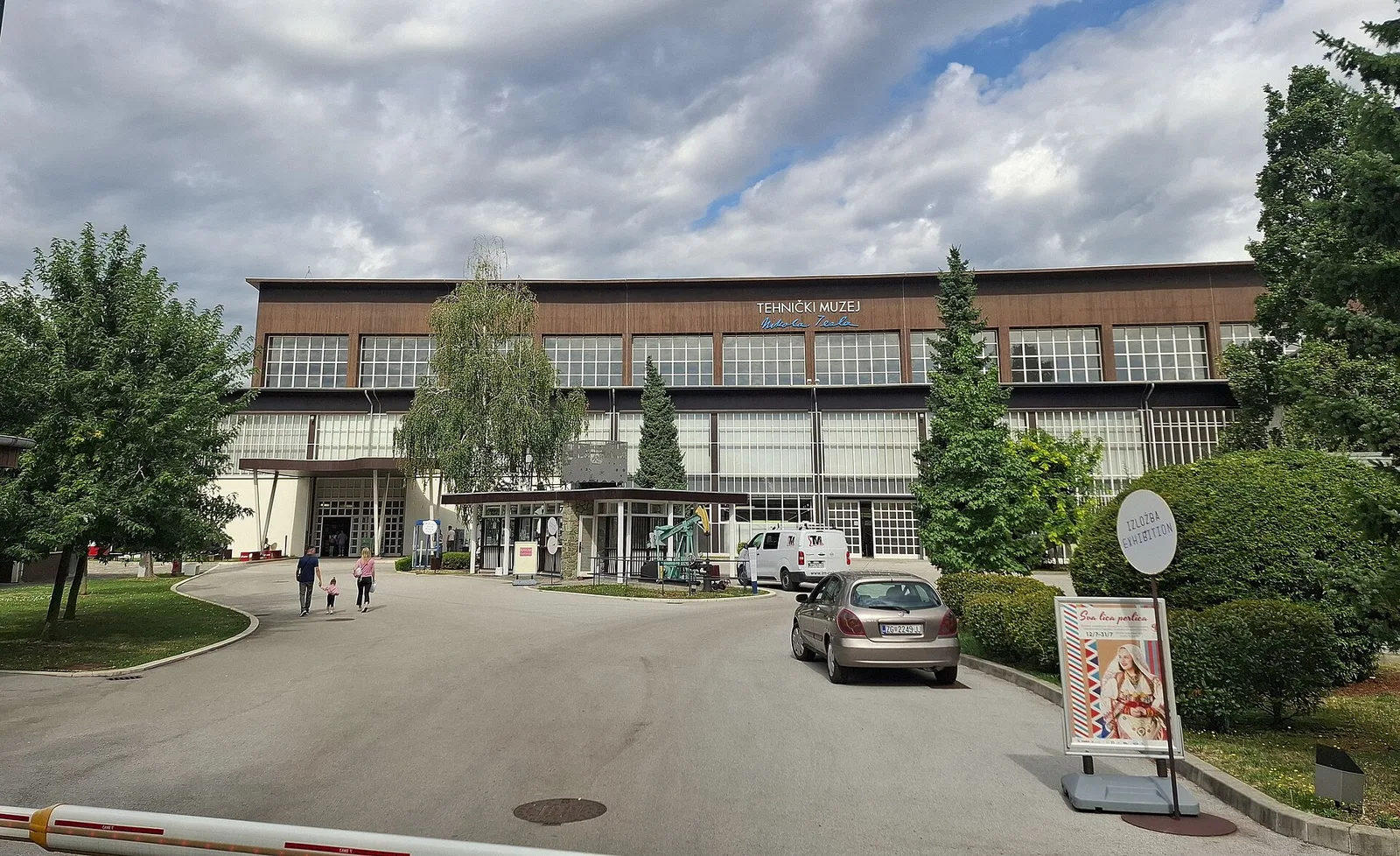
The Technical Museum Nikola Tesla is a strong pick when you want something hands-on and different from classic art-and-history museums.
It’s especially good for rainy days, family trips, and anyone who likes trains, engineering, and “how things work” exhibits.
What you’ll see (highlights worth planning for)
This is the kind of museum where one or two “wow” sections are enough — you don’t need to do everything.
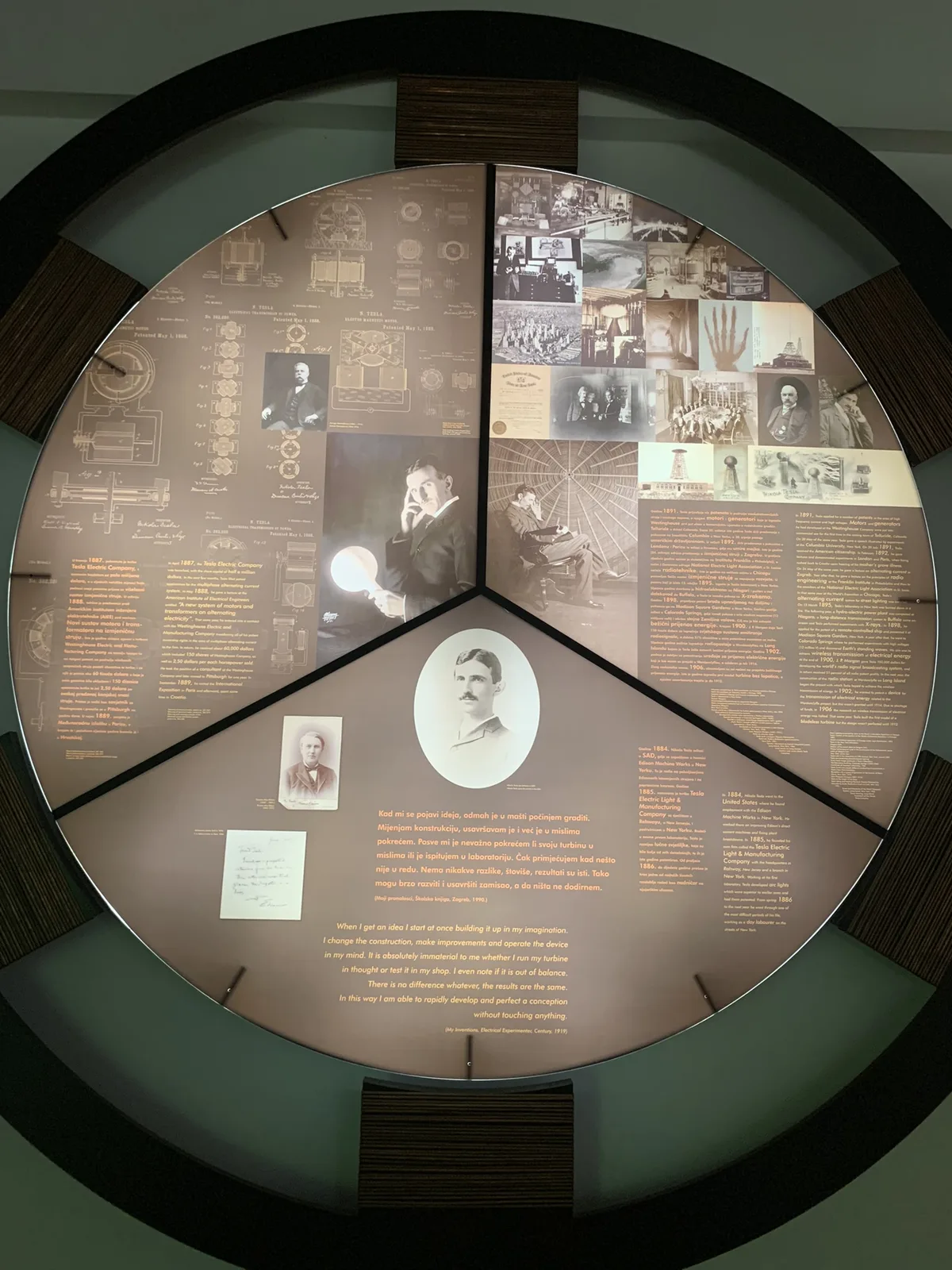
- Nikola Tesla focus: demonstrations and exhibits tied to Tesla’s work (a core part of the museum identity).
- A miniature underground mine (InfoZagreb notes a roughly 300‑meter mine tour).
- Transport and engineering collections (great for anyone who likes “machines in real life”).
- A planetarium (check schedules and tickets in advance).
- An apisarium / beekeeping section (a surprisingly memorable stop).
How to combine it with a great city day
- Museum visit → Botanical Garden detour → dinner near the center → night walk.
Practical tips (save yourself stress)
- Check opening hours and any guided-tour times on the official site.
- Plan one other stop (park or café) so the day has variety.
- If you’re with kids, keep expectations simple: one highlight section is enough.
Why the Nikola Tesla Technical Museum belongs in the day
The Nikola Tesla Technical Museum offers science, engineering and industrial culture at a scale that can engage families and technically curious adults. It expands Zagreb beyond old-town history by showing systems, machines and ideas that shaped modern life.
Make the museum the main interior anchor of a Lower Town or western-centre half day. Pair it with an outdoor park section or straightforward meal rather than another large collection. Its location and scale deserve a planned approach and enough recovery time afterward.
What to notice and how to decide
Choose a few domains—transport, energy, engineering or a current demonstration—and examine them properly. Technical collections become meaningful through how components work together. Use official programme information to identify demonstrations or areas that matter, since the live element may affect timing.
Check current opening, demonstration schedules, ticketing and accessibility. Some historic equipment or programme elements may not operate continuously. Families should plan for toilets, food and attention span before entering, while international visitors may want to verify available language support.
Prioritise the museum for science-minded travellers, children interested in machines and a substantial rainy-day experience. Art-first visitors may choose another collection, but should not dismiss the museum as only for specialists. It can provide one of the trip’s clearest contrasts with historic Zagreb.
Choose a technical system, not a vague science afternoon
Technical Museum Nikola Tesla contains large machines, transport, energy, mining, communications and changing educational displays. Before visiting, identify the subject that will anchor the group: engines and vehicles, electricity and Tesla, industrial history, a scheduled demonstration or another current collection. The museum becomes easier to navigate when one technical system matters. Trying to inspect every object can turn curiosity into visual fatigue.
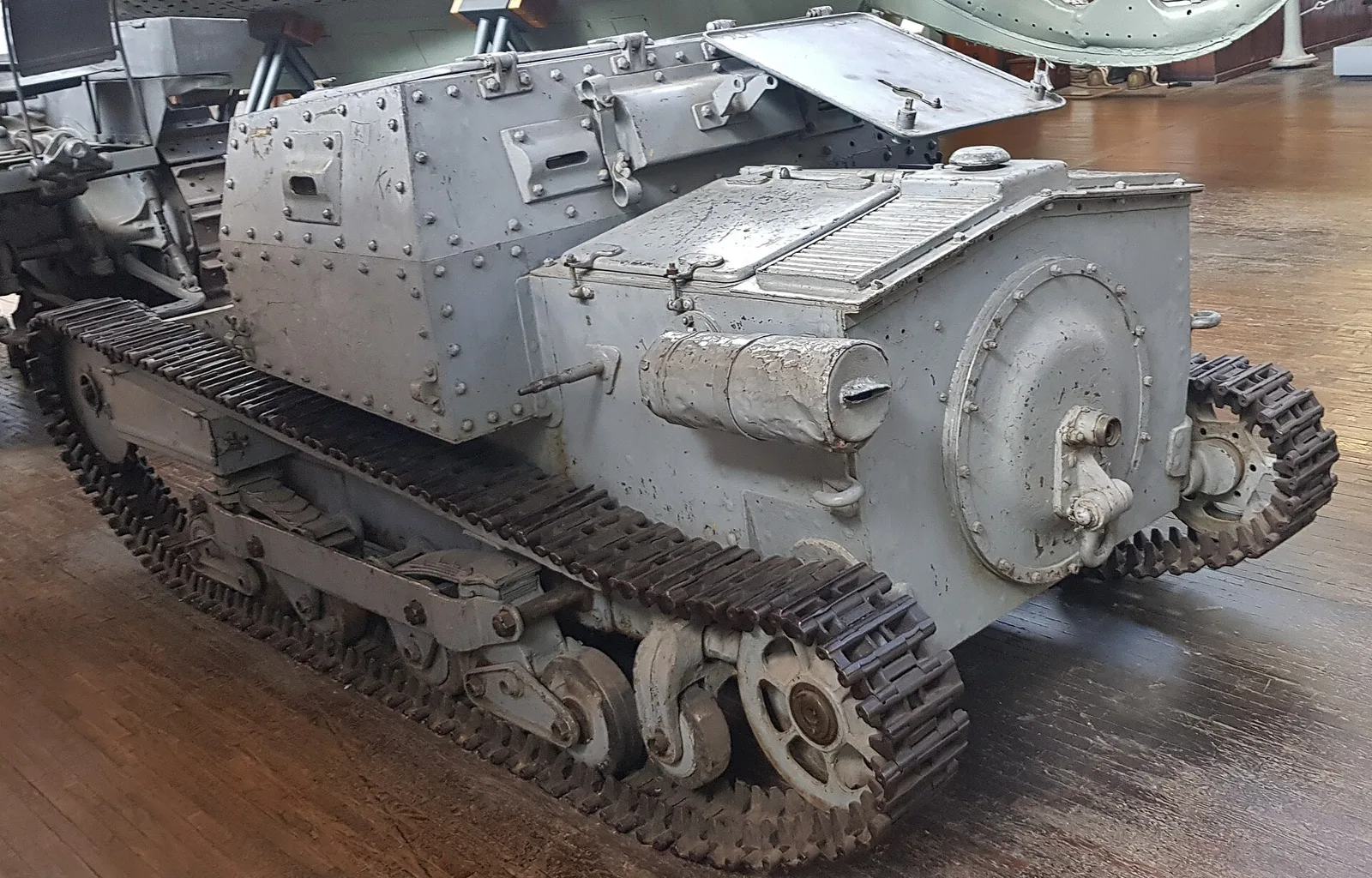
A historic tank or transmitter should be read through function, production, use and social consequence, not admired as hardware alone. Ask what problem it addressed, who built and operated it, what risks it introduced and why the museum preserves it. Technology is part of political and labour history. A label, object scale and surrounding collection together provide more evidence than a dramatic photograph.
Timed demonstrations change the visit order
The official visitor page notes that the mine tour and Nikola Tesla demonstration laboratory follow timetables. Check the current schedule, language, age or safety conditions and ticket inclusion before arriving. A demonstration can become the fixed point around which the rest of the museum is organised; it should not be assumed to start whenever the visitor reaches the door.
Arrive early enough to find the meeting point, store bags and hear safety instructions. Enclosed, dark, loud or electrically demonstrated environments may not suit every visitor. Ask about an alternative or exit before the programme begins. Do not touch equipment, cross a line or encourage a child to imitate a demonstration. A missed timed component does not invalidate the permanent collection when another subject remains meaningful.
Use scale to understand engineering decisions
The long modernist complex and large gallery objects allow the visitor to compare dimensions that a screen flattens. Walk around an exhibit only within permitted circulation and look for controls, access points, materials and maintenance needs. Consider the infrastructure required to move, power or store it. The object’s weight and gallery spacing are evidence, not empty background.
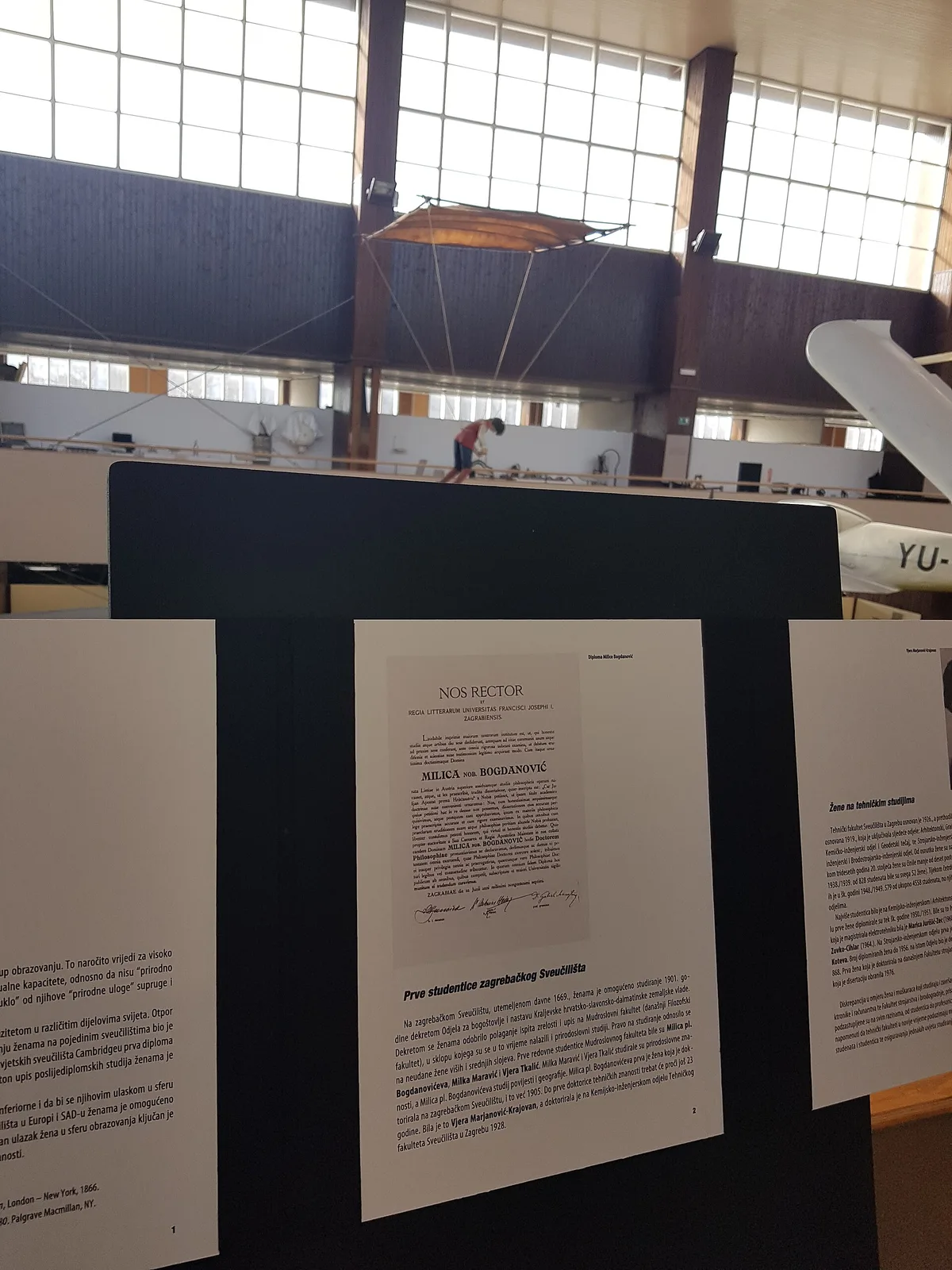
Interpretive displays such as Women and Technology also show how the museum can question who appears in technical history. Read temporary exhibition dates and do not assume the photographed display remains installed. Use current programmes to add social context to the permanent machinery. When a label is dense, choose one diagram or biography and connect it back to the physical object.
Plan families and access around the whole building
Large objects can engage children, but the museum is not a hands-on playground unless a display explicitly invites interaction. Establish boundaries, keep children beside an adult and alternate close reading with approved rest. Check the current family programme and age guidance. Food and drink follow museum rules; do not make a vending machine or cafe responsible for the visit.
Contact the museum about the exact step-free entrance, lifts, toilets, seating and access to timed mine, laboratory or planetarium elements. A person may reach the main collection without every specialist programme being suitable. Ask separately rather than promising universal access. Sensory conditions can include machinery scale, darkness, echo, crowds and demonstrations; plan a quiet exit and keep essential medication accessible.
Verify current hours, tickets and temporary exhibitions
Use the museum’s official visit page for the date’s opening, last admission, public holidays, permanent ticket and special-programme timetable. Temporary exhibitions can follow different calendar information. Do not copy an old euro price or claim a demonstration is included without rechecking the current page. Groups should arrange the visit through the official contact before travel.
Photography, bags, tripods and commercial work follow current museum rules. Never lean on a vehicle, place a child on a plinth or use flash near sensitive material. Save the ticket and address offline. If a key zone is closed, ask what remains open and decide whether the reduced collection still answers the technical question chosen at the start.
Make Savska geography part of the day
The museum sits on Savska cesta west of the central park axis. Research the current tram to the exact stop and pair the visit with one nearby meal, theatre, university or western-city chapter rather than returning to Upper Town between tickets. The official visitor page lists several tram options, but works and disruptions can change the best one. Save the return and leave time for a crowded vehicle.
Zonar Zagreb can support a western-city itinerary when sport, Lauba or the Technical Museum repeat, while Esplanade remains a central option with a straightforward tram relationship. Choose from the full trip rather than moving hotels for one museum. Verify the exact room, live connection and cancellation terms. After a dense visit, a simple meal is usually better than another large museum.
The Tesla name is one route through a wider technical museum
Do not confuse this Zagreb institution with the Nikola Tesla Museum in Belgrade or the memorial centre at Smiljan. The Technical Museum carries Tesla’s name and presents a demonstration laboratory, but its scope is broader technical and industrial heritage. Verify the exact institution before buying tickets or describing archives, personal papers or birthplace material that belongs elsewhere. The distinction prevents a strong collection from being judged against the wrong promise.
Within the Tesla chapter, distinguish historical biography, reproduced demonstration, original equipment and later interpretation. Ask what a demonstration proves, what safety controls make it possible for visitors and how the explanation connects to the wider history of electrical systems. Spectacle can open curiosity, but it should not replace evidence. Follow staff instructions around high voltage, darkness, sound and crowd distance without attempting to reproduce anything outside the museum.
Questions people actually ask
Is this museum good for adults (not just kids)?
Yes. It’s a satisfying change of pace if you like engineering, design, or hands-on exhibits — and it’s excellent on rainy days.
How long should I plan for the Technical Museum?
Most people enjoy 1.5–3 hours depending on interests and crowds.