
Why it’s worth prioritizing now
Zagreb is a strong rainy-day city — and the Croatian Natural History Museum (HPM) is one of the best indoor anchors if you want something classic, family-friendly, and genuinely Croatian.
The museum is located in Zagreb’s Upper Town (in the Amadeo Palace), and it was officially reopened in October 2024 after a major renovation and modernization — making it especially appealing if you skipped it in previous years.
What you’ll see (high-level, but helpful)
- Minerals, rocks, and the geological story of the region.
- Animals and natural-history specimens that make Croatia’s ecosystems feel tangible.
- Links to the famous Krapina Neanderthal story (the museum is closely connected to that scientific heritage).
- A museum atmosphere that works well for families: you can enjoy it without needing deep background knowledge.
How to combine it with an Upper Town day
- Museum → Strossmayer Promenade viewpoint → St. Mark’s Square → coffee.
- If it’s raining: museum → tunnel shortcut → café → another small museum (optional).
If you’re traveling with kids (or a curious adult)
- This is one of the easiest museums to enjoy without reading everything.
- Pair it with a park walk if weather clears (or with Grič Tunnel if it doesn’t).
- For even more hands-on energy, combine it with the Technical Museum Nikola Tesla on a different day.
Practical notes (so the plan doesn’t break)
- Opening hours, tickets, and exhibition details can change — use the official site for the latest.
- Upper Town is hilly: plan one ‘stair moment,’ then keep the rest of your day flat and easy.
Why the Croatian Natural History Museum belongs in the day
The Croatian Natural History Museum brings geology, biodiversity and scientific collections into the Upper Town cultural picture. It can give families and nature-minded travellers a substantial indoor anchor while connecting Croatia’s landscapes with objects seen in a museum setting.
Place the museum within an Upper Town half day, then use a viewpoint or promenade as the outdoor contrast. Choose it as the main collection rather than adding several small museums. The surrounding historic route keeps the day tied to Zagreb even when the subject reaches beyond the city.
What to notice and how to decide
Follow one scientific thread—rocks, fossils, habitats or biodiversity—and use interpretation to connect specimens with place and process. Children benefit from questions and selected highlights more than a forced march through every case. Let current exhibition design guide the pace.
Confirm the museum’s current location, reopening or exhibition status, ticketing and accessibility through official channels. Collections and buildings can be affected by major renovation. Do not assume an older review describes the present visitor route or what is currently on display.
Prioritise it for families, natural science and a weather-proof Upper Town anchor when current access is clear. Art- or city-history-focused visitors may prefer another museum. The institution deserves a deliberate choice based on its active programme, not a generic museum checklist.
Plan for the new museum, not the pre-earthquake galleries
The Croatian Natural History Museum reopened at Demetrova 1 after a major reconstruction and new permanent-display project. Current hours are Tuesday–Thursday 10:00–18:00, Friday–Saturday 11:00–19:00 and Sunday 11:00–19:00, closed Monday and listed public holidays. Check the live homepage for exceptional festival hours before travelling.
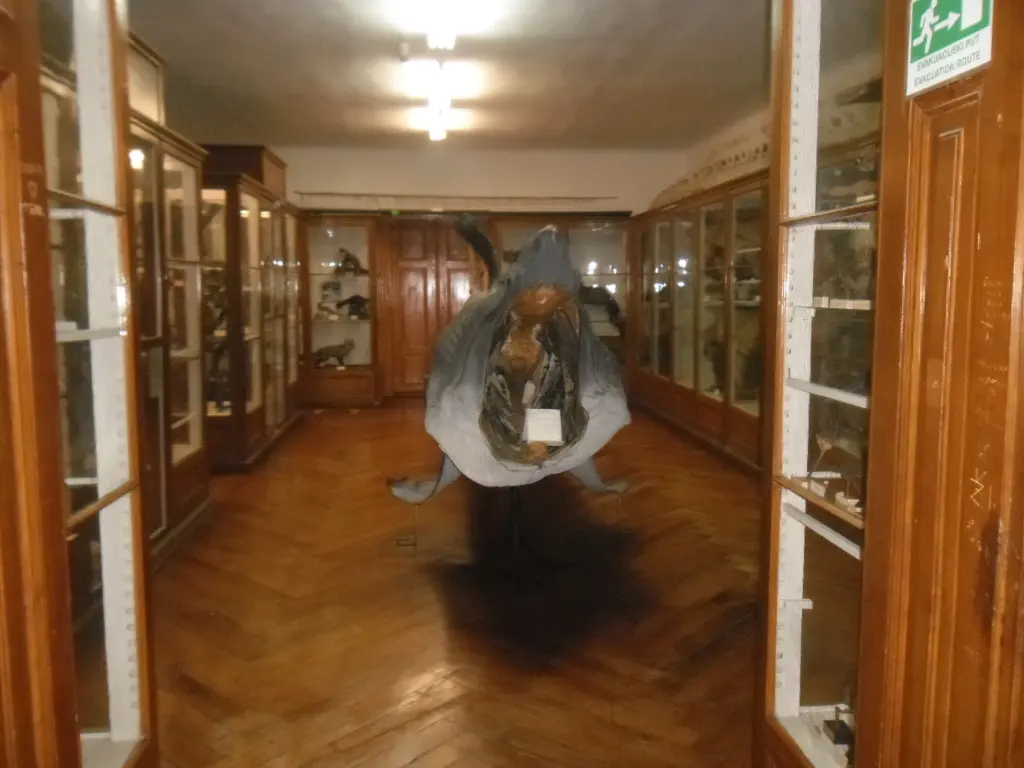
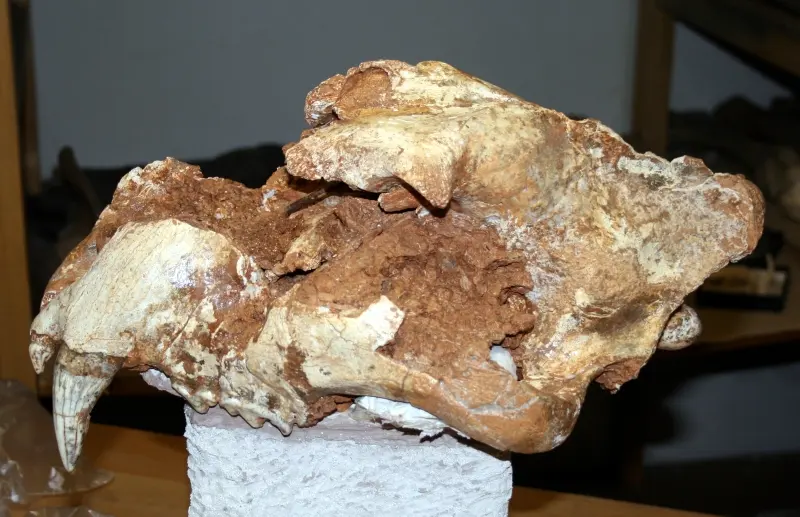
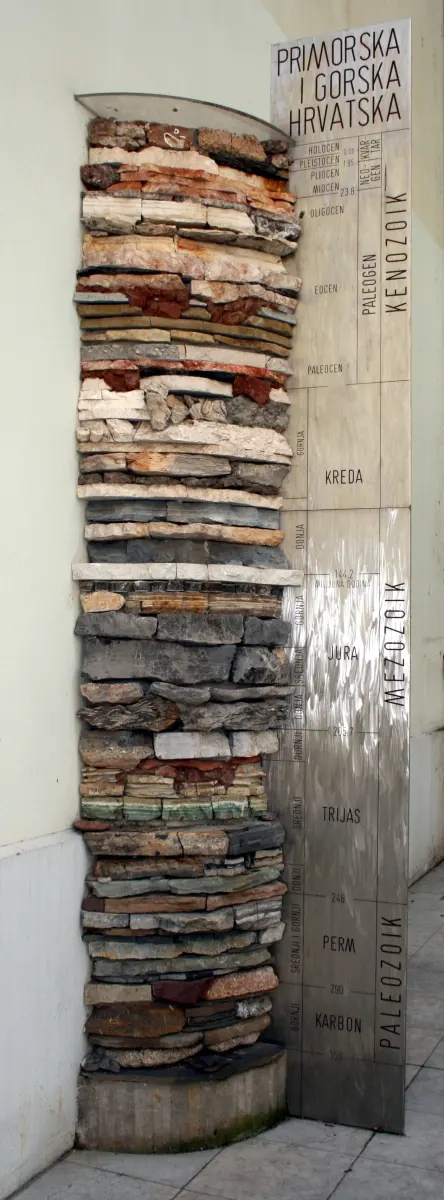
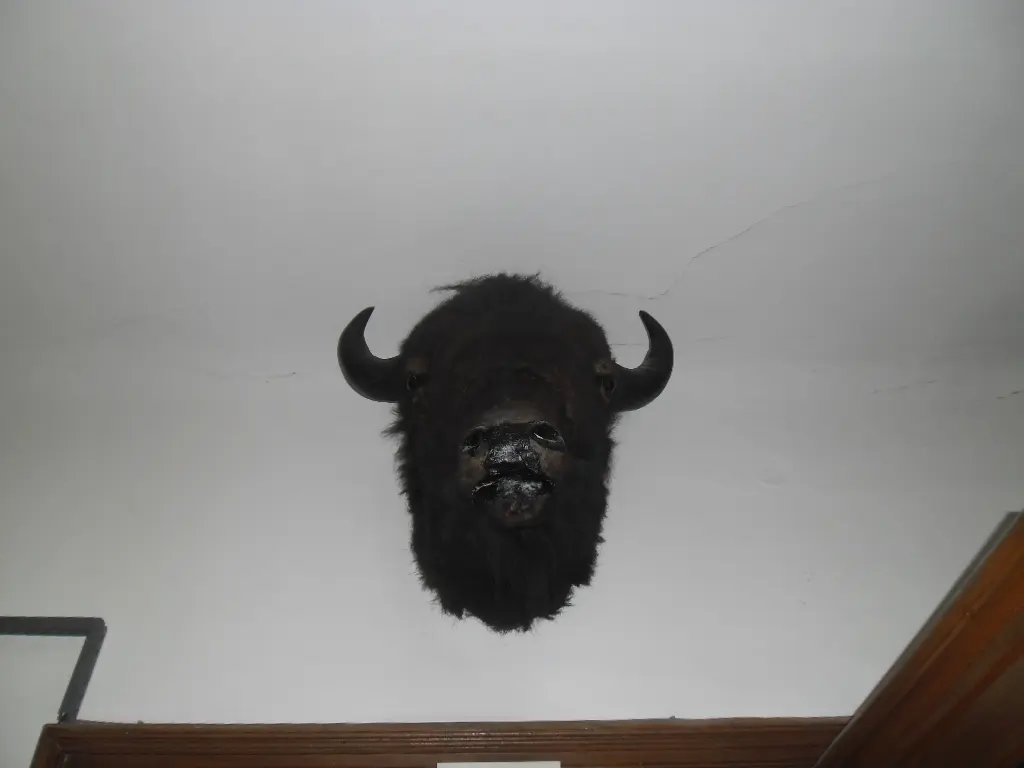
The four body images here are intentionally archival: a 2016 former gallery, a mounted bison, an old regional case and a cave-lion fossil. They reveal how the institution once displayed its collections, not where anything stands now. Use the new museum map and labels for circulation, object status and scientific interpretation.
Choose permanent display, special exhibition and projection deliberately
The museum currently sells different combinations for the permanent display and special exhibition, with the 3D Deep Space projection priced separately. Read what the chosen ticket includes before paying. Projection times vary by weekday and an event can alter them. A general admission does not guarantee a particular screening or foreign-language version.
Choose two natural-history questions and one optional programme. For example: how geology shapes Croatian habitats, how fossils support reconstruction, and whether a current projection adds scale. Trying to complete every collection, special exhibition and screening can exhaust families and obscure evidence. Build a shorter route around current floor information.
Read specimens as evidence with collection histories
Start with label basics: species or mineral, locality, geological or collection date, preparator and acquisition context. A mounted animal is not merely decoration, and a fossil cast is not the same as original material. Ask how the specimen supports research and whether the display explains collecting ethics, conservation status or colonial-era exchange.
The archival bison and cave-lion images should provoke verification, not recognition games. Do not infer that the same specimen is visible or that a 2008 label remains scientifically current. Taxonomy, dating and provenance can change. Record the inventory number and current wording before publishing a claim, especially for extinct species or human-related material.
Use interactive media without losing the physical evidence
Models, projections, microscopes and digital layers can make scale and process visible, but check what is reconstruction, animation or measured data. Read the physical specimen first, then use the media to test a question. Do not present a dinosaur replica, habitat model or visualisation as an original fossil because it occupies the most dramatic space.
Families can assign roles: one person reads locality, one identifies material, and one finds the uncertainty or conservation link. Keep hands on interactives only where invited and follow cleaning or capacity instructions. If an exhibit is out of service, do not force controls or cross a barrier; use the label and report the fault to staff.
Confirm accessibility and sensory conditions
The museum states that wheelchair users can reach exhibition areas via lifts and accessible routes and that an adapted toilet is available. Confirm the entrance, lift status and companion needs for the visit. Upper Town approach gradients still matter before the accessible museum route begins, so plan the arrival from the appropriate street or drop-off.
Projections, large models, animal specimens, darkness, sound and crowded school groups can create sensory load. Ask about quiet periods, seating and screening effects. Choose a retreat point and permit children to skip a room. The museum café is currently listed as temporarily closed, so bring permitted water and plan food elsewhere rather than relying on an old amenity claim.
Photograph science without weakening it
Follow current room rules, switch off flash and focus lights, and keep devices away from glass and specimens. Tripods, commercial work and temporary exhibitions may require permission. Do not touch a specimen or lean over a case for scale. Include the current label or inventory reference in notes, not necessarily in a public frame.
A strong caption says whether the image shows an original, cast, model, taxidermy mount or reconstruction and gives the date photographed. Avoid jokes that demean preserved animals or imply certainty the label does not. For children visible in an interactive area, obtain appropriate consent or frame the exhibit without identifiable people.
Use a Gradec hotel route without overpacking the day
Boutique Hotel HOH offers the clearest researched Upper Town geography; Hotel Jagerhorn supports the lower transition; Rooms 23 – FLOK Petrova supports a different eastern residential base. Verify slopes, taxi access and the current museum entrance. A nearby hotel does not remove the need to pace a large new display.
Pair Natural History with one Upper Town exterior or a calm meal, not three major museums. Choose the hotel for sleep and the whole trip. The practical gain is an early, unhurried arrival and an easy break after dense galleries, not a promise that every special exhibition fits.
Follow a question beyond the gallery
For serious research, contact the relevant zoology, botany, geology, palaeontology or mineralogy staff with a precise specimen, locality, inventory reference and purpose. Public admission does not include storage or laboratory access. Use the museum’s publications and current database first, cite the access date and request image permission separately. This preserves staff capacity and prevents an attractive display label from becoming the sole evidence for a scientific claim.
Questions people actually ask
Is the Croatian Natural History Museum open again?
Yes — it officially reopened in October 2024 after extensive renovation and modernization. Always confirm current hours on the official site before visiting.
Is it worth it if I’m not traveling with kids?
Yes, especially on a rainy day or if you like geology, specimens, and the ‘science story’ behind Croatia (including the Krapina Neanderthal heritage).