
The goal: a happy family city break (not a checklist)
Zagreb works beautifully with kids because it’s compact, green, and full of easy wins: parks, short walks, hands-on museums, and snack-friendly routines.
The best family strategy is pacing: one big outdoor block per day, one fun indoor stop, and more snack breaks than you think you need.
Day 1 (center + an easy park reset)
Keep day one central so everyone settles into the city without transport friction.
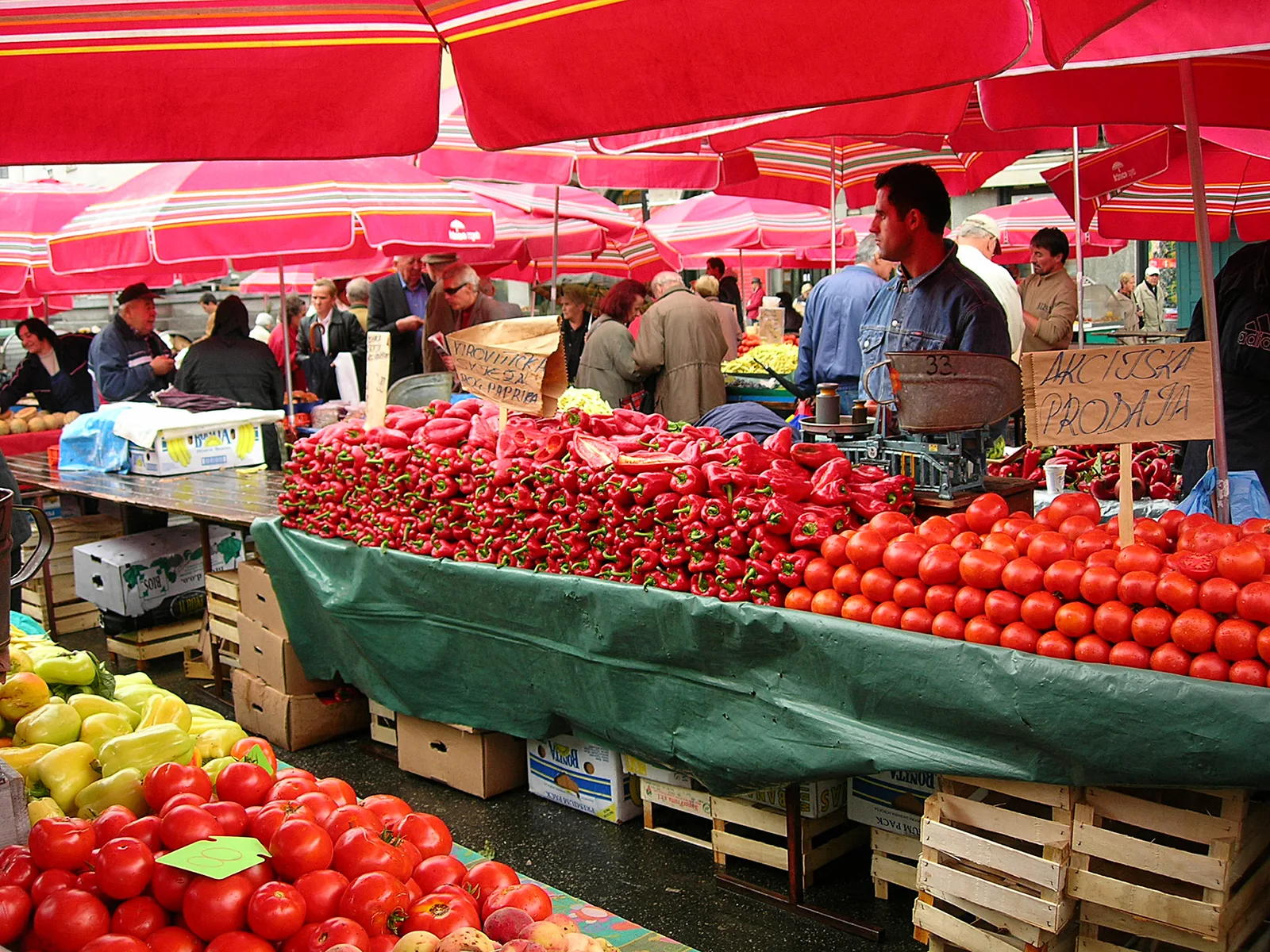
- Morning: Dolac Market browse (kids love the energy) → pastry/snack.
- Late morning: short Upper Town loop (Stone Gate + one viewpoint). Keep it short and call it a win.
- Lunch: simple and early.
- Afternoon: a Lower Town parks loop or a playground stop.
- Evening: early dinner + a short night walk (optional, depending on energy).
Day 2 (big park day: Maksimir + Zoo, or Jarun)
Day two is for movement. A big park day usually makes everyone happier — including the adults.
- Option A (classic): Maksimir Park + Zagreb Zoo (full, easy family day).
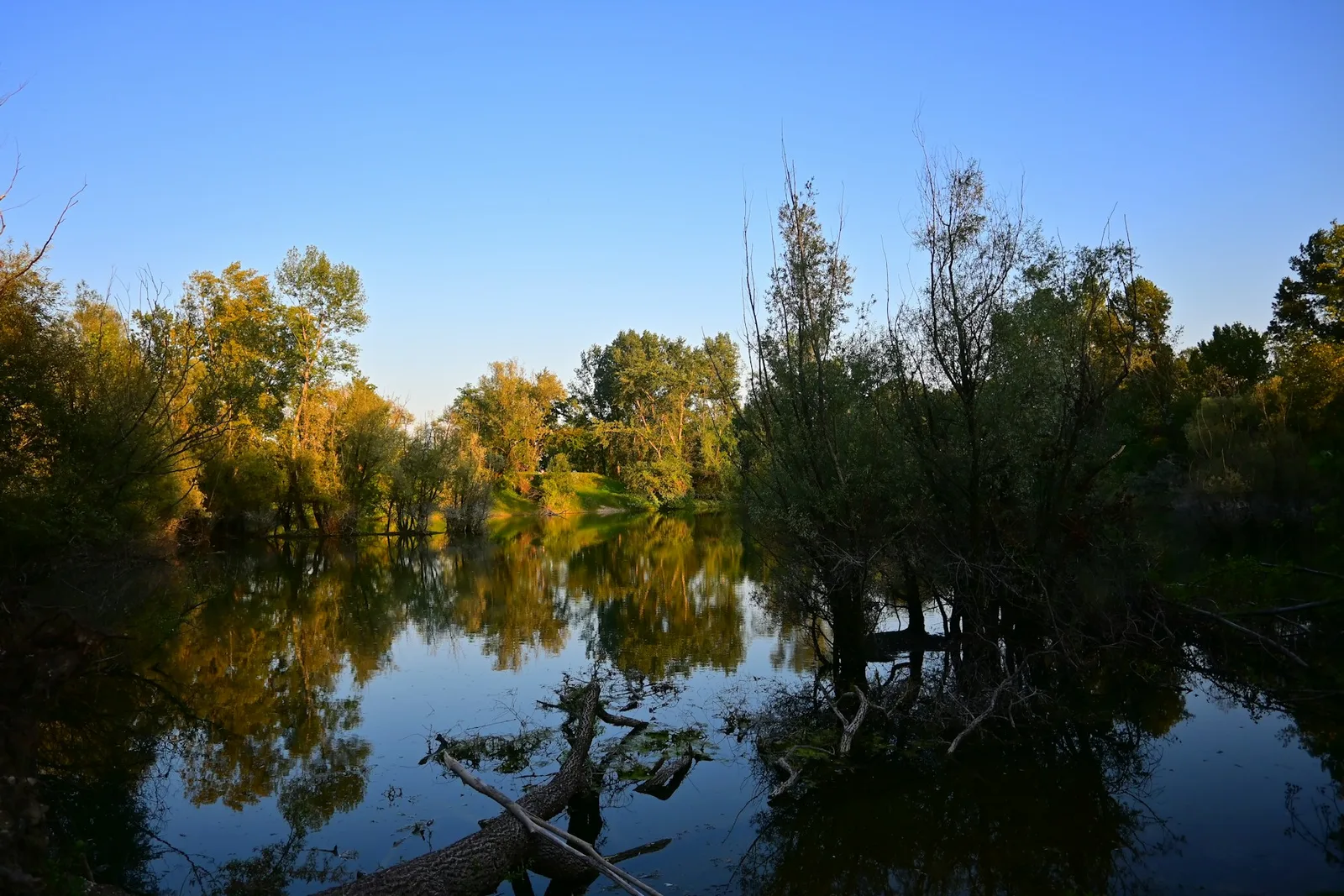
- Option B (open-space): Jarun Lake loop + playground time + sunset.
- Option C (rain/heat): hands-on museum + shorter outdoor breaks between cafés and snacks.
Best kid-friendly museums (choose one per half-day)
- Technical Museum Nikola Tesla (hands-on): a top rainy-day pick.
- Natural History Museum: classic kids museum energy.
- Illusions / Chocolate: playful, shorter stops that work well with snack breaks.
Food and snack strategy (the secret weapon)
- Start with a pastry/bakery moment each morning.
- Plan one sit-down meal per day and keep the rest snack-based.
- Carry water and a couple of easy snacks for park loops.
Getting around with kids (simple)
- Walk the center (it’s compact).
- Use trams for longer hops to parks and lakes.
- If you’re carrying bags or it’s late: taxi/ride-hail is worth it for a smooth end to the day.
Rain plan (kid-proof, still fun)
- Morning: hands-on museum → long snack break.
- Midday: warm lunch → short tram ride (novelty!).
- Afternoon: one playful stop (Illusions/Chocolate) → early dinner.
What a Zagreb itinerary with kids should add to the trip
A family itinerary needs one child-readable anchor per half day, visible food and toilet planning, and permission to return to the room. Zagreb’s trams, funicular, parks and technical collections provide natural variety.
A route and pace that make a Zagreb itinerary with kids work
Use a short Upper Town day, a Maksimir-and-zoo day and a Lower Town museum-and-park day. Keep day trips only when transport and the children’s interest justify the extra load.
The choices, trade-offs and common mistake
Choose by age, nap, walking tolerance and current fascination. A tram ride and playground can be more successful than a nominal family museum that arrives at the wrong time.
Check stroller access, stairs, child seats, toilets, food and exhibit age guidance. Crowded markets and tram platforms require active supervision rather than assuming the compact centre is effortless.
Weather, current information and the fallback plan
Carry snacks, layers and one small activity for waits. Keep an indoor and outdoor option near the hotel, with the midday reset treated as part of the plan.
The funicular and other five-minute wins
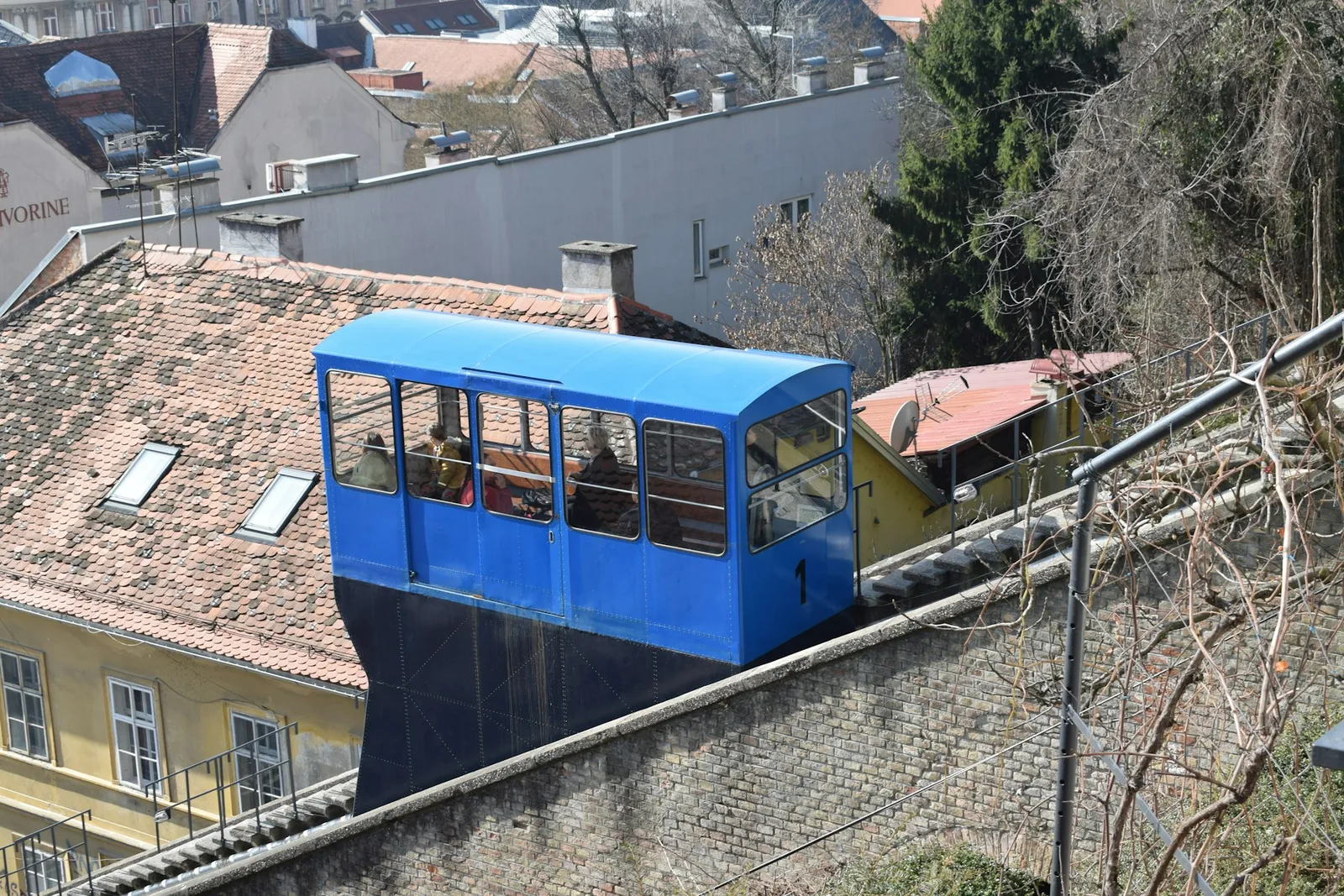
Zagreb's short funicular connecting Lower and Upper Town is exactly the kind of small novelty that lands well with children: brief, simple, and a genuine ride rather than just a way of getting somewhere. It's a natural alternative or addition to the stair climb on your Upper Town loop, and it turns what would otherwise be a plain transfer into part of the day's fun rather than dead time between sights.
The same logic applies to Dolac Market and short tram hops between anchors. The market's colour, noise and produce work at almost any interest level, and a tram ride between a park and a museum stop can double as entertainment rather than something to endure. Building these small transitions into the plan, rather than treating them as logistics to get through, is often what makes a family day feel easy rather than rushed.
Reading energy over age
Interest and energy on the day matter far more than any age bracket. Some children want to return to one favourite spot — the zoo, the illusions museum, a particular playground — while others want constant variety, and both are completely normal. Rather than planning strictly by age, watch for flagging attention or restlessness and treat that as your real signal to change pace, not a fixed schedule drawn up the night before.
If energy is clearly dipping, swap the bigger plan for a smaller one rather than pushing through. A full Maksimir-and-zoo day can become just park time if legs are tired, and a technical museum visit can shrink to a short stop at Illusions or the Chocolate Museum if attention is fading. None of these swaps cost you the day — they just reshape it around what's actually working.
Terrain, stairs and stroller reality
Upper Town's cobbled streets and stepped approaches are part of its charm, but they're also a genuine logistics point for anyone pushing a stroller or managing tired legs. Expect uneven surfaces and stairs rather than flat pavement, and plan your route to use the funicular or a gentler approach where one is available, rather than assuming every path up is equally easy going.
Lower Town and the park loops sit on flatter, easier ground, and work as a natural counterbalance to the Upper Town's incline. Alternating a stepped morning with a flat afternoon — a park loop like Lenuci's Horseshoe, or an open lakeside stretch at Jarun — keeps the day physically balanced rather than front-loading all the harder walking into one stretch.
Toilets, rest stops and choosing your hotel base
Plan rest and toilet stops around the hotel, cafés and confirmed museum facilities rather than assuming a public facility will appear at the right moment. Check the next practical stop before beginning the Upper Town climb or a long park loop, and make the stop while everyone is still comfortable. A café pause counts as part of the family itinerary; it is not time stolen from attractions.
Where you base yourself matters more with children than it does on an adult trip. Staying central keeps a genuine return-to-room option realistic if a nap or a reset is needed midday, and a base close to a tram line shortens the journey back once energy runs out for the day. Weigh this convenience against quieter, further-out options when choosing where to stay.
Heat days and the calm exit
On hot days, shift the longest outdoor blocks towards morning and later afternoon, keep water accessible and use a museum or hotel reset during the most uncomfortable period. Shaded parts of Maksimir can be useful, but the exact park route still depends on conditions and the family’s energy. Jarun and Bundek are larger outings rather than automatic heat refuges, so choose them only when transport and the return remain simple.
Whatever the weather, protect the last hour of the day. It's the point most likely to unravel, so plan a low-effort finish rather than a new activity: a simple dinner, a familiar snack, or a short stroll back to the hotel does more for everyone's mood than trying to fit in one more stop.
A first family half-day from market to funicular
Begin at Dolac when the market can supply colour, food and movement without requiring children to interpret a monument. Let everyone choose one fruit, pastry or detail to notice, then continue through Kaptol without making the Cathedral area a long lecture stop. The market works because it is active and legible. Leave while it is still interesting and before the Upper Town climb starts with hungry or tired travellers.
Use the Stone Gate only when the group can pass respectfully through a devotional space, then choose the funicular in whichever direction adds the most delight or removes the least enjoyable climb. St. Mark’s Square is a short visual anchor, not a place children need to study for an hour. A viewpoint or promenade gives movement and a sense of arrival. The whole historic chapter can be satisfying in a half day when it avoids adult checklist pressure.
Finish with a meal, café or hotel reset close to the descent. Do not attach a large museum simply because the family reached the centre early. A short interactive venue can work for children who still want stimulation, while a park or room break is the better choice when the stairs and market already supplied enough novelty. The exit should be planned before the mood turns.
Maksimir, the zoo and the difference between both
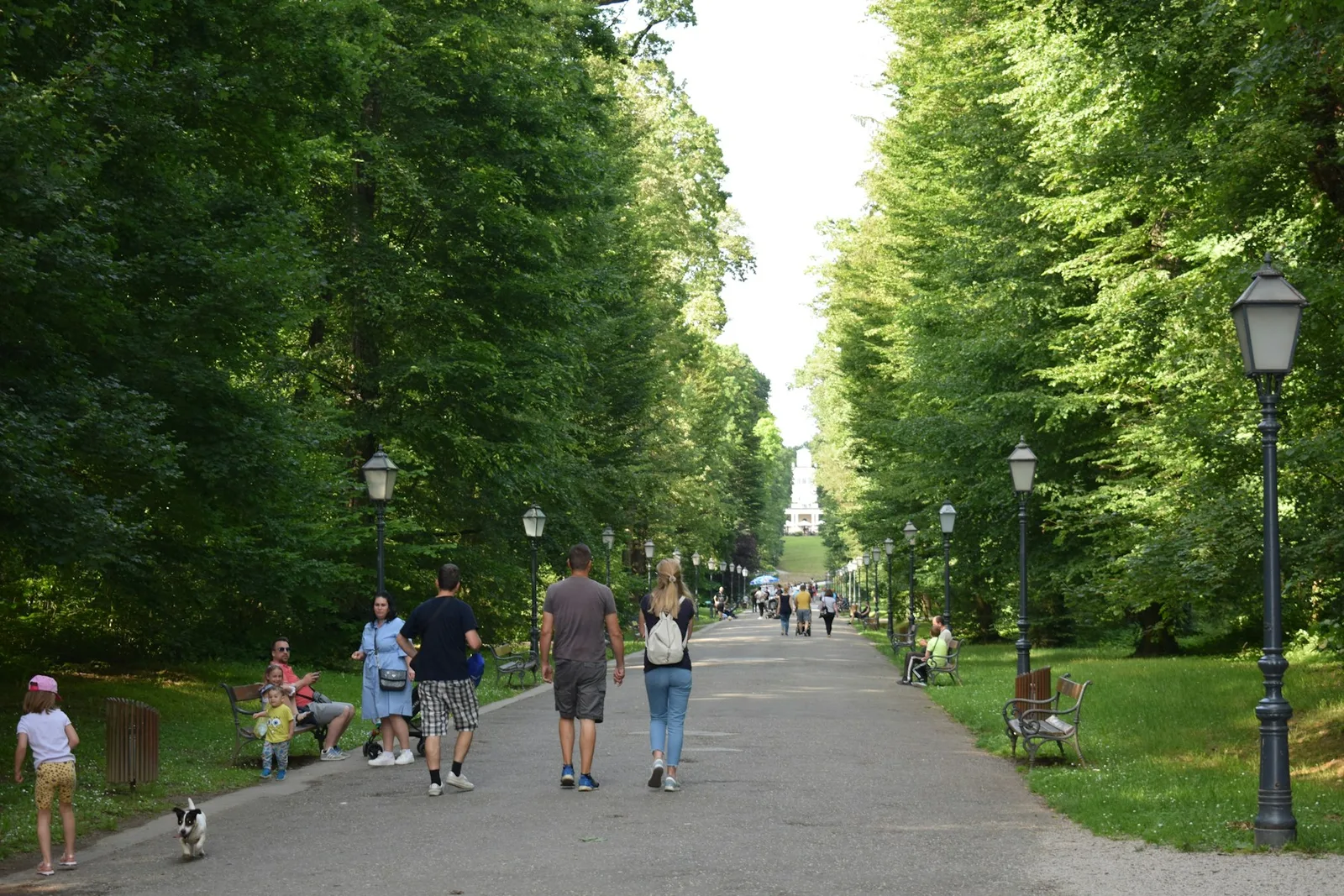
Maksimir Park and Zagreb Zoo share a destination but create different days. The park is open-ended: paths, trees and room to move can expand or contract with the family’s energy. The zoo is structured around exhibits and current visitor arrangements. Choose the zoo because animals are a real interest, not because a family guide needs a ticketed anchor. Choosing both at full scale can create more standing and walking than the map suggests.
For a zoo-led day, identify the exhibits or programme information that matters, check the current map and let the park remain the flexible finish. For a park-led day, decide a return point and one simple food plan before wandering. Younger children may value repetition and open space; older children may want a route, animal focus or photography task. The family’s interest—not a universal age label—should determine which part receives the morning.
Keep the evening small after either version. A familiar restaurant, supermarket picnic or direct hotel return will usually serve the family better than a second outer district. If rain undermines the park, move to an indoor venue chosen by interest rather than trying to reproduce the same day under cover. If the zoo remains the priority, use only its current official access information.
Pick one indoor anchor children can actually read
The Technical Museum suits children drawn to machines, transport and how things work; the Museum of Illusions suits visual play and participation; the Chocolate Museum uses food history and tasting as its hook. These are not interchangeable rainy-day products. Ask which subject will hold the child’s attention, check the current visitor information and choose one. The most interactive title is not automatically the best fit for sensory needs or the whole group.
Adults should also get something from the indoor anchor. One adult can follow interpretation while another moves faster with a child, then the family can regroup at a clear point. Avoid adding a second museum to justify the ticketed day. A nearby park, café or tram ride gives the change of mode that many children need after an enclosed visit and allows adults to talk about what actually landed.
When the weather is only briefly poor, the hotel may be the strongest indoor option. Wet coats, missed meals and overstimulation do not become cultural enrichment because the family entered a museum. Keep one fully confirmed indoor venue, but allow a room reset and later return to replace it. The goal is a good Zagreb day, not proof that rain did not alter the plan.
Meals, mixed ages and the graceful split
Place food before the point where choice becomes conflict. A bakery or market snack can carry the first hour; lunch should sit near the day’s anchor; dinner should require the fewest new decisions. Check dietary needs and current menus before walking a tired family to a famous venue. Zagreb’s café culture can work well for a shared pause, but adults should read the room and order appropriately rather than turning a busy table into an all-afternoon base.
Mixed-age groups do not need to do every stop together. One adult and an older child can take a museum room or longer park loop while another adult rests with a younger child, provided the meeting point and time are clear. Zrinjevac, a museum entrance or the hotel lobby is more reliable than an unnamed street corner. A short split can protect different interests without fragmenting the whole holiday.
End each day with one thing everyone recognises: the same tram line, a return through a familiar park, a simple dessert or the hotel’s quietest routine. Children often value that continuity more than a final surprise. It also gives adults a predictable exit when the day has gone well and no one wants to gamble the mood on one more recommendation.
The hotel shortlist should therefore be judged as family infrastructure, not only accommodation. Room layout, lift and stair access, breakfast usefulness, the route from the nearest tram and the possibility of a midday reset all affect more hours than a decorative feature. Verify those details for the exact room and dates. A central property that removes two difficult transitions can be more valuable than a larger room whose return journey fails at the end of every day.
Before sleep, choose only the next morning’s first anchor. Weather, opening information and family energy can be checked then; the rest of the day can remain a framework. This reduces the pressure to negotiate an entire itinerary at breakfast and gives children one understandable beginning rather than a list of promises that conditions may undo.
Questions people actually ask
Is Zagreb good for kids?
Yes. It’s compact, green, and easy to pace with parks, short walks, and hands-on museums.
What’s the best 1-day kid plan?
Maksimir Park + the Zoo is the easiest ‘full day’ win. Add a pastry stop and an early dinner and it’s a perfect family day.
What if it rains?
Do one hands-on museum, one playful museum, and two long snack breaks. Two museums is plenty — keep the day cozy, not stuffed.