
Why it’s a great “big park day” plan
Zagreb Zoo is located inside Maksimir Park — which makes it easy to turn into a full, family-friendly day without feeling like you’re “only doing a zoo.”
The official Zoo Zagreb site notes the zoo opened in 1925 and emphasizes conservation and education — so it’s more than just an animal checklist.
How to plan the visit (simple, low-stress)
- Go earlier in the day for calmer paths and better “stroll pace.”
- Treat it as one anchor — don’t stack it with multiple museums on the same day.
- Bring snacks/water, especially in warmer months.
- Check tickets, opening hours, and any seasonal notes on the official site before you go.
A perfect Maksimir + Zoo day
- Morning: Maksimir Park walk → Zoo visit.
- Midday: picnic or simple lunch.
- Afternoon: slow park loop → return to the center for an easy dinner.
Why Zagreb Zoo belongs in the day
Zagreb Zoo is a family-oriented attraction within the broader Maksimir landscape. Its value comes from combining a structured visit with one of the city’s major green spaces, giving children and adults a day that alternates focused exhibits with room to walk and reset.
Make the zoo the timed anchor and Maksimir the flexible frame. Arrive with current transport and entry information, visit at a pace that suits the group, then choose only a manageable park extension. Trying to complete both every exhibit and a long park circuit can exhaust younger travellers.
What to notice and how to decide
Use the current zoo map and educational information to choose priorities rather than rushing enclosure to enclosure. Give children time at the exhibits that hold attention, notice welfare and conservation interpretation, and take breaks before the group becomes hungry or overstimulated.
Opening, feeding or programme details and some animal visibility vary with season, weather and welfare needs. Check official information and never promise a specific sighting. Bring suitable outdoor clothing, water and a plan for meals, toilets and the return journey.
Prioritise the zoo for families, animal-focused travellers and longer stays that need a child-led day. Couples and short-stay first-timers may gain more from Maksimir alone or central culture. The visit earns its time when the zoo is the interest, not merely a way to fill a park afternoon.
Use the ticket-office deadline, not only grounds closing
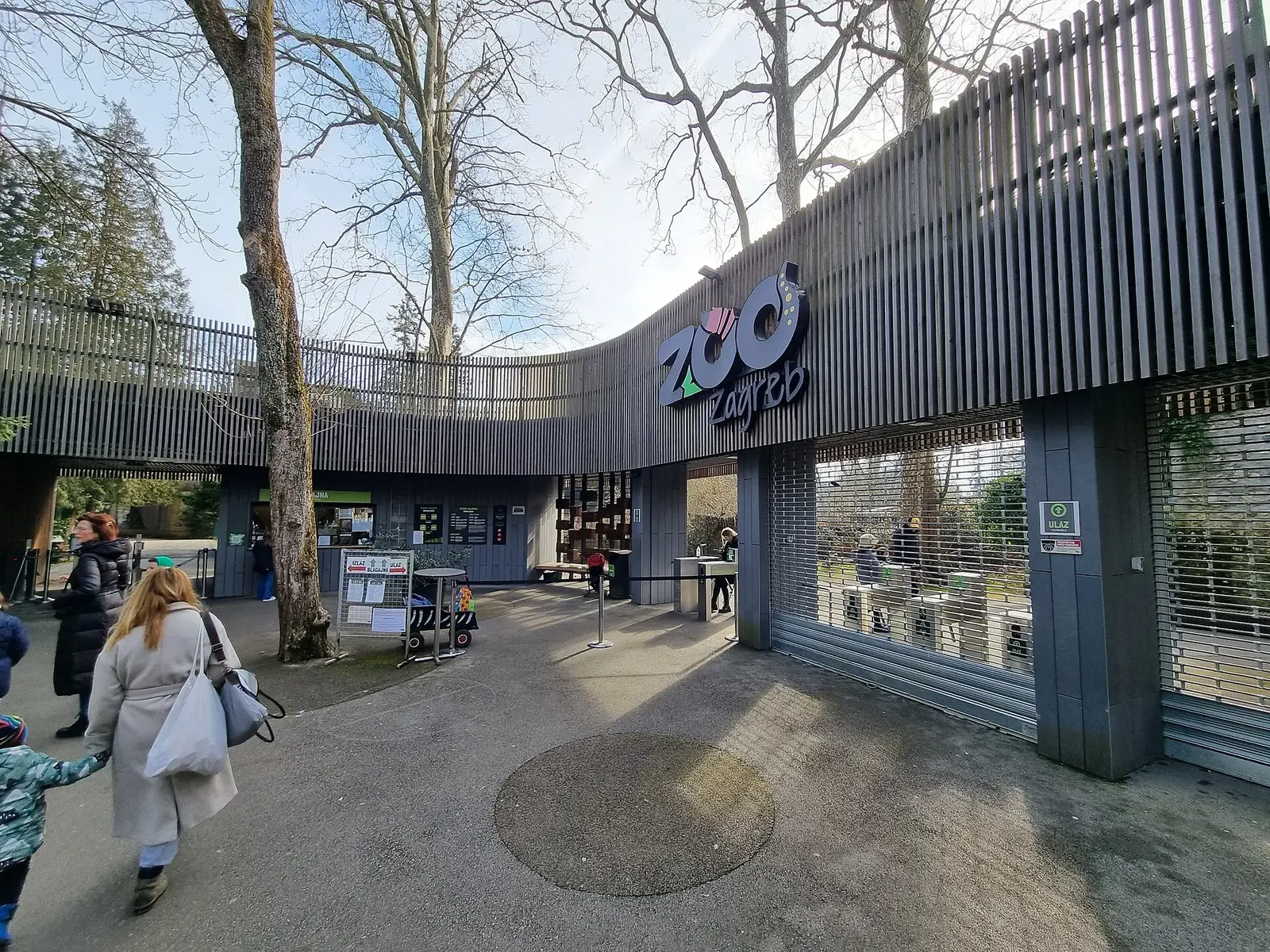
Zagreb Zoo’s live information currently separates ticket-office hours from zoo hours: the ticket office closes earlier, and after that point the main entrance is for exit rather than new admission. At this review the published times are 09:00–18:30 for the ticket office and 09:00–20:00 for the grounds, but seasonal or operational notices can change them. Check the official page on the visit day.
The zoo states that a standard ticket is for one person, one entry, on the purchase day, and cannot be bought for future use at the gate. Confirm the current price and eligible proof before paying. Keep the ticket during the visit. Do not arrive near the admission cutoff expecting the later grounds-closing time to permit entry or a complete route.
Choose three habitat priorities, not every species
Animal visibility changes with weather, husbandry, veterinary care, feeding and the animal’s choice to use shelter. Select three priority habitats from the current map, then let nearby exhibits form the route. A named species list is not a performance schedule. A responsible zoo can move an animal off view, and that welfare decision outranks the visitor’s photograph.
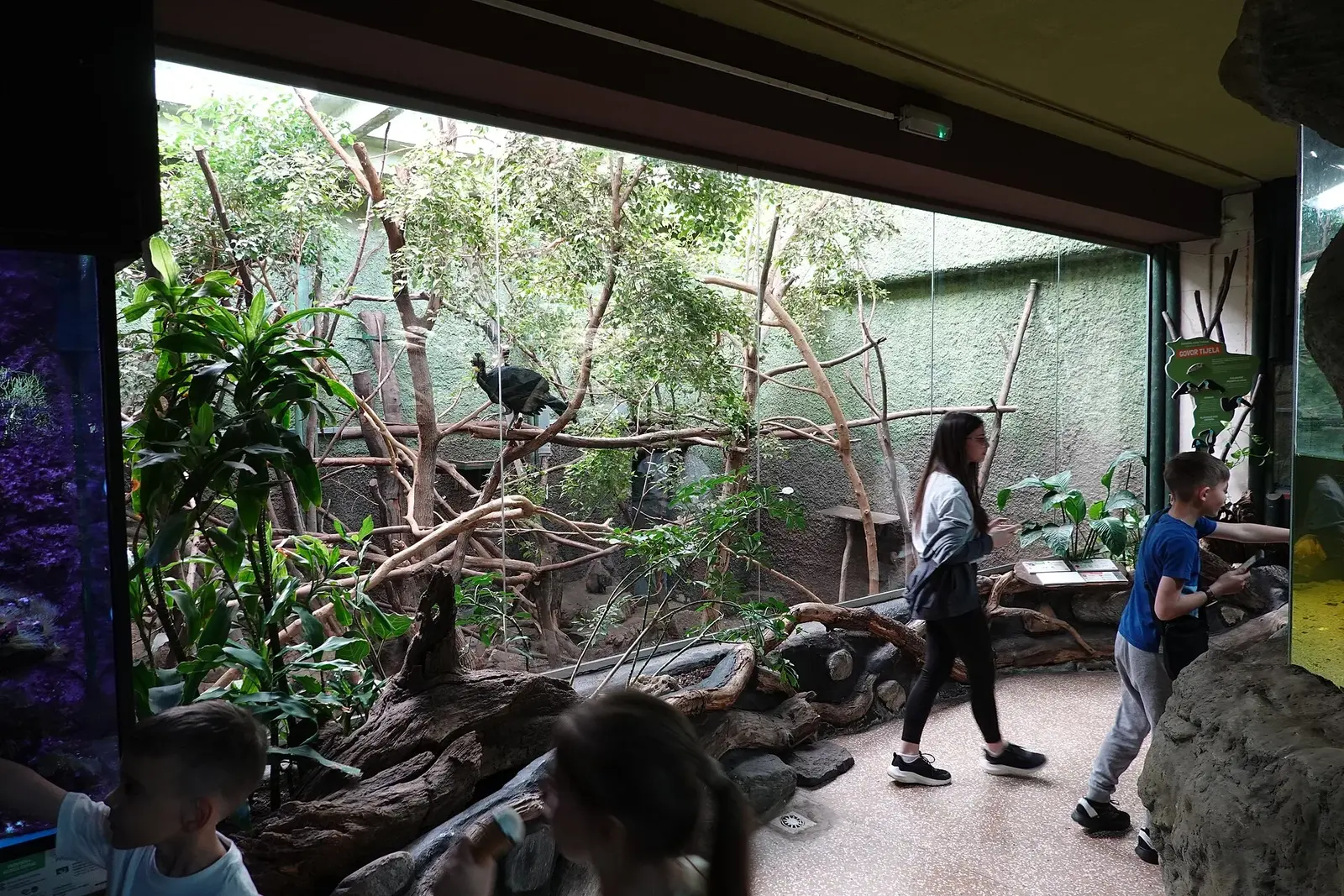
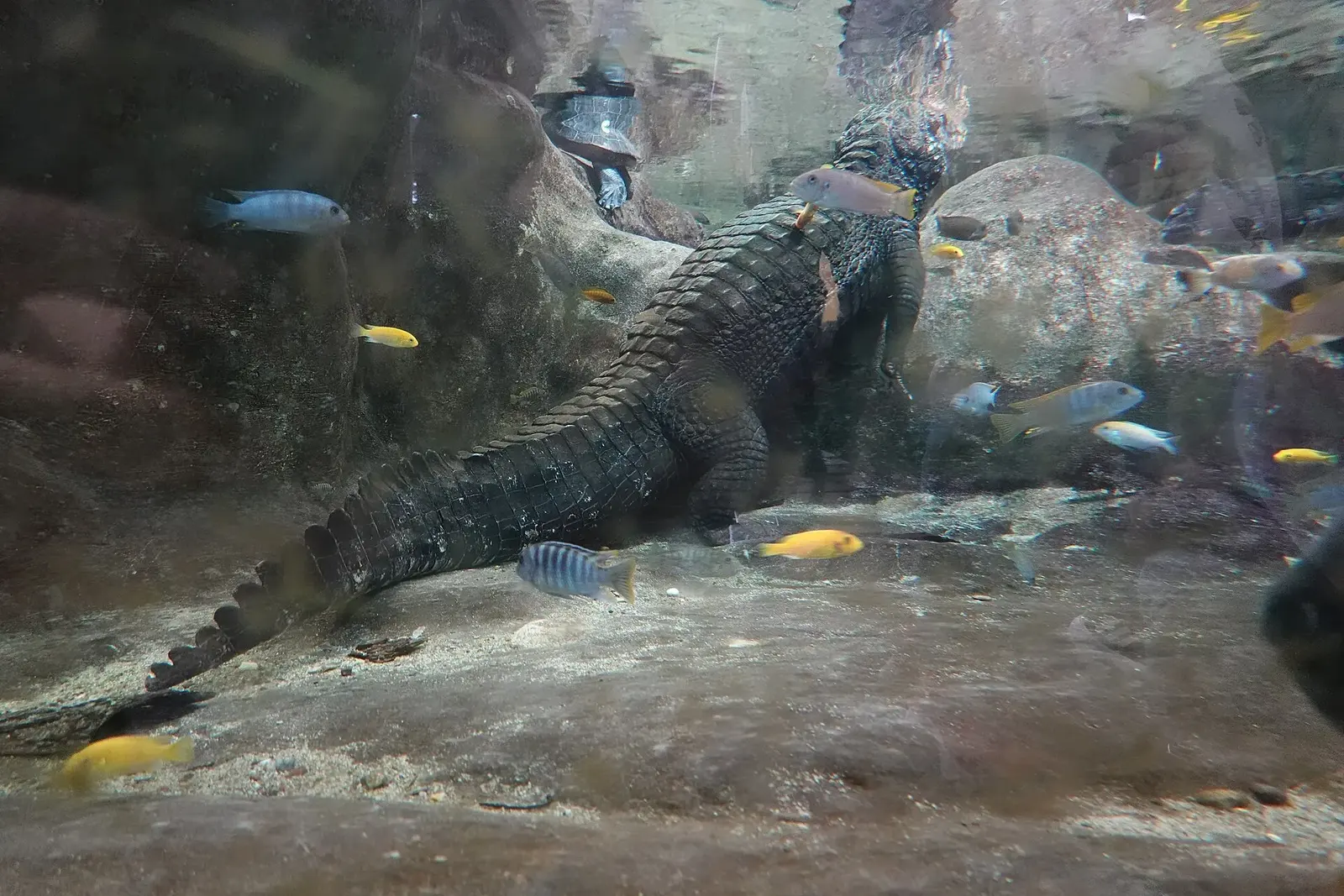
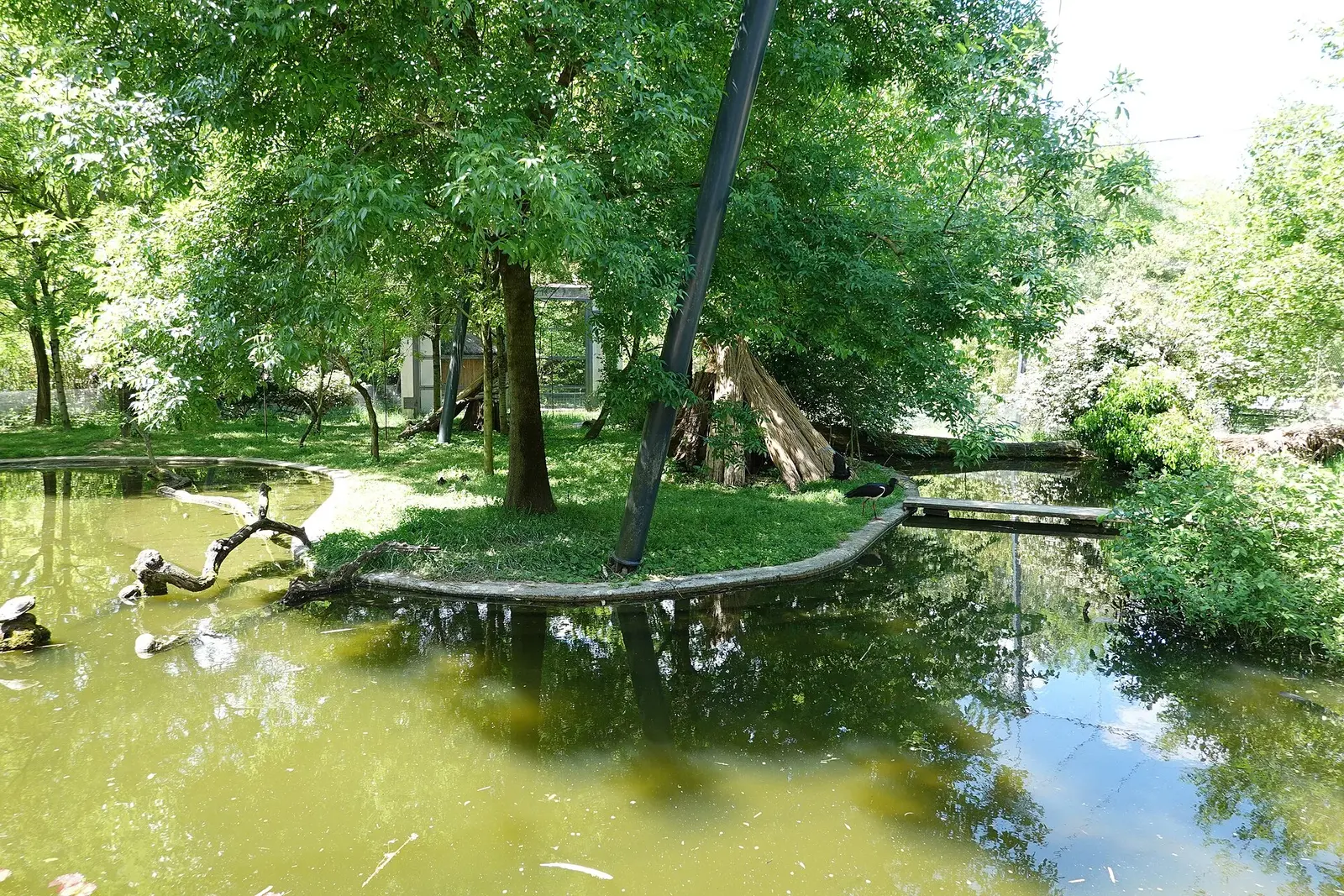
The 2026 primate, aquarium and pond images show different viewing problems: reflections, low light, foliage and distance. Slow down, read interpretation and observe behaviour rather than chasing one clear face. Ask staff about scheduled education or feeding only through the official programme. Never bang glass, call, throw food or imitate a keeper to force a response.
A useful visit also asks what the zoo says about conservation, breeding, rescue and animal welfare for the species on view. Read current interpretation and distinguish the institution’s documented programme from a visitor’s assumption based on enclosure appearance. Repetitive movement, hiding or resting cannot be diagnosed responsibly from a few minutes at the barrier. If a welfare concern seems immediate, note the exact habitat and time and report it calmly to zoo staff; do not provoke the animal, confront another visitor dangerously or build an online accusation from a single frame. Families can choose one conservation question to investigate together, turning the route into observation rather than consumption. Keep a note of the official explanation and follow up through the zoo’s published conservation material. The learning outcome should survive even when the hoped-for animal never appears.
Keep barriers and feeding rules absolute
Stay behind every rail, marked line and closed door even when an animal seems distant or an object falls inside. Do not lift a child onto a barrier or reach through mesh. Report a dropped phone or toy to staff rather than retrieving it. Animals, plants and water inside an enclosure are not touchable unless a supervised programme explicitly permits contact.
Feed animals only in a zoo-authorised interaction using the provided food and staff method. Human snacks can injure animals and disrupt diets. Wash hands after any permitted contact and before eating. In the children’s zoo or another walk-through area, follow the posted entry, stroller, food and supervision rules; proximity does not make the animal a pet.
Plan children’s pace, food and sensory load
Give each child one habitat choice and schedule a rest before fatigue becomes a conflict. Bring water, sun or rain protection and a change appropriate to the forecast. Check current food options, allergens, picnic rules and toilets rather than promising a particular café. Keep small objects, snacks and fingers away from enclosures.
Crowds, calls, indoor humidity, darkness and strong smells can accumulate. Identify a quiet outdoor pause and an exit route on the current map. Noise-reducing headphones may help, but they should not prevent hearing staff or a guardian. Leave an indoor pavilion if someone is distressed; completing it is not worth escalating sensory load.
Confirm physical access with the zoo directly
The zoo sits within Maksimir’s landscape, and paths, bridges, indoor thresholds and crowd density vary. Contact the zoo about the current accessible entrance, route, toilet, wheelchair or companion arrangements and any habitat closure. A modern-looking gate does not prove every pavilion is step-free. Build a shorter loop with a reliable return rather than assuming the map’s full circuit will work.
Use the main entrance named by the zoo and current ZET information for the Bukovačka/Maksimir connection. The operator lists several tram approaches, but service changes. Drivers should verify the current public parking arrangement near Maksimir Stadium and event restrictions. Never use a service gate or keeper road because it appears shorter.
Photograph without flash, tapping or obstruction
Follow the zoo’s current photography rules. Switch off flash and focus-assist lights around animals, keep lenses behind barriers and do not block a child, wheelchair user or keeper route. Aquarium reflections are a reason to change angle or put the camera away, not to press equipment against glass. Tripods and commercial work can require permission.
Do not identify a species from a blurred frame when the enclosure label or current zoo information says otherwise. Date images because animals and habitats change. Avoid photographing staff or other families as the subject without consent. A useful caption records behaviour, habitat and observation conditions rather than claiming an animal smiled or performed for visitors.
Combine the zoo with Maksimir, not a cross-city marathon
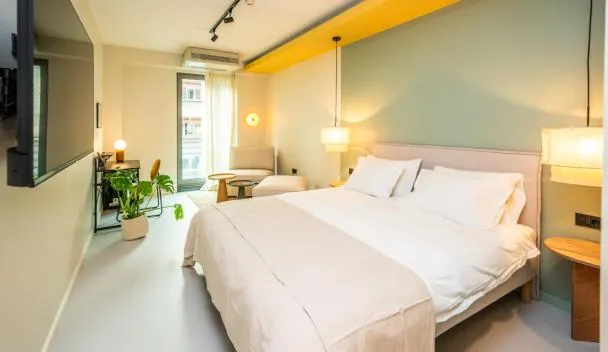
Pair the zoo with one gentle Maksimir Park section and stop when attention falls. Rooms 23 – FLOK Petrova offers a researched eastern residential base; Art Hotel Like and Stellar Boutique Modules keep visitors closer to central Vlaška with a direct eastern route; Hotel Capital works when the rest of the itinerary is the historic centre. Verify the current tram and exact entrance.
Choose accommodation for sleep, room and the whole trip. A shorter map distance does not guarantee quieter rooms, step-free transit or faster event-day travel. The zoo deserves several unrushed hours; do not append Upper Town, Mirogoj and Novi Zagreb merely because all appear in the same guide. Welfare-minded observation is slow by design.

Questions people actually ask
Is Zagreb Zoo worth it if I don’t have kids?
Yes — especially if you want a big green-space day in Maksimir. It’s a pleasant, low-pressure break from the city center.
How long should I plan for Zagreb Zoo?
Most visitors enjoy 2–4 hours depending on pace, crowds, and how much time you spend in Maksimir before/after.