
Why it’s a great first museum in Zagreb
If you want one museum that makes the rest of the city feel richer, choose the Zagreb City Museum. It’s a “context” museum: you leave understanding the city’s layers, not just having seen objects.
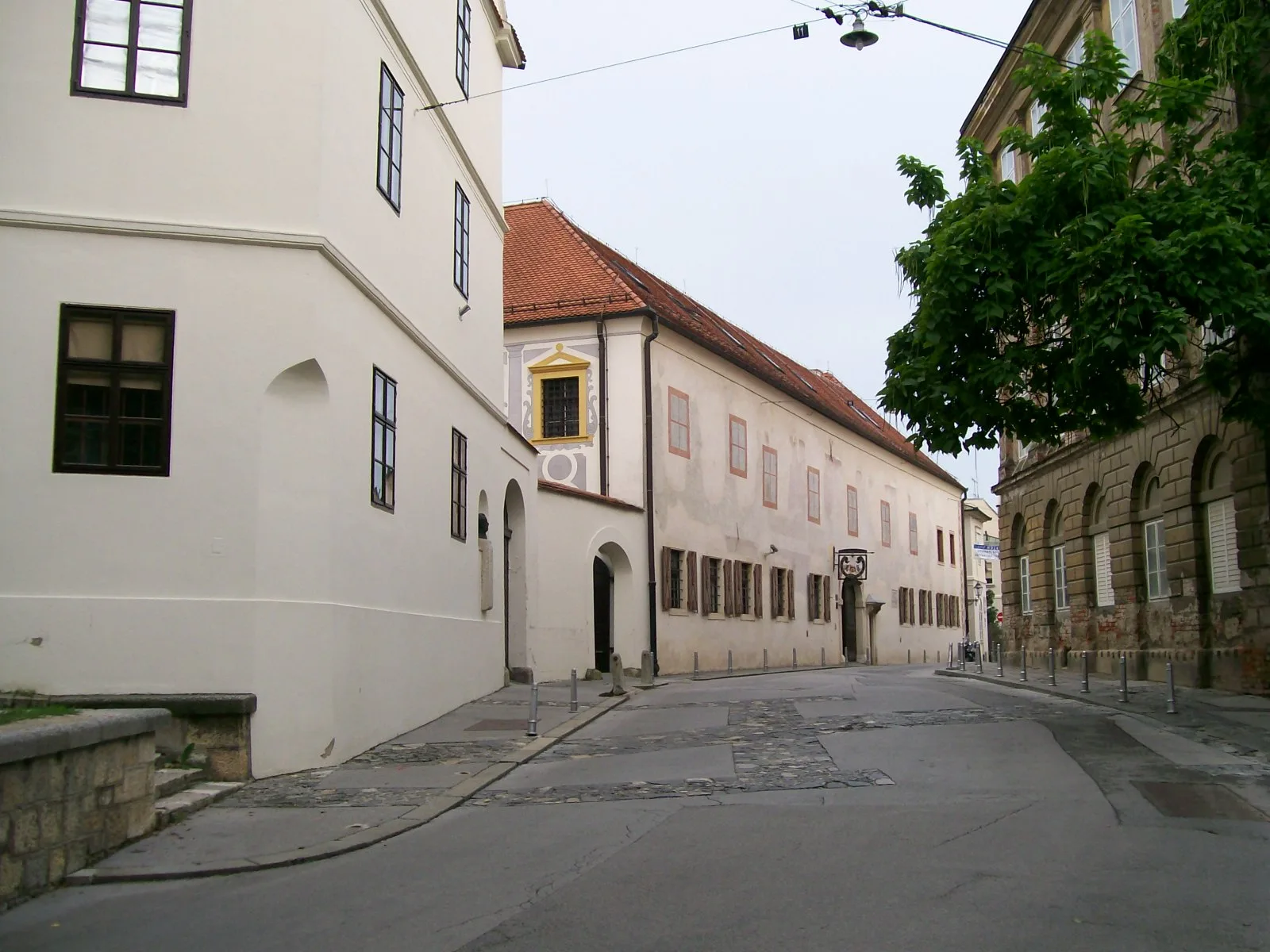
InfoZagreb notes the museum was founded in 1907 (by the Brethren of the Croatian Dragon) and that it’s located at Opatička 20 in Upper Town — which makes it easy to combine with St. Mark’s Square and the classic viewpoints.
What you’ll see (in plain language)
- A narrative of Zagreb through time — from early settlement layers to modern city identity.
- Objects that make daily life feel real (not abstract history).
- A good “mental map” of how Upper Town and Lower Town relate.
Pair it with an Upper Town loop (perfect half-day)
- Zagreb City Museum → St. Mark’s Square → Stone Gate → Strossmayer Promenade.
- Walk down into the center → long coffee → parks loop if you want more walking.
Tips (so the museum visit feels fun, not heavy)
- Do this early in your trip: it makes everything else feel more meaningful.
- Pair it with a viewpoint walk so the day has both “story” and “air.”
- If you only have energy for one museum day, make this your “context” pick and do a more visual museum later.
Why Zagreb City Museum belongs in the day
Zagreb City Museum is the clearest choice for travellers who want the capital itself—not only a genre of art—as the subject. Urban history, objects and interpretation can turn streets already walked into a layered city rather than a sequence of attractive façades.
Place the museum inside an Upper Town day and visit after some initial orientation. Recognising Dolac, Kaptol, the main square and Lower Town makes the historical material easier to connect. Continue with a promenade or café rather than another dense museum immediately.
What to notice and how to decide
Follow themes that explain change: city growth, daily life, politics, planning and the relationship between upper and lower districts. Use objects and maps to answer questions raised outside. A selective thread creates a stronger visit than trying to memorise every chronological panel.
Confirm current exhibitions, entry and accessibility through the official museum. Historic settings can include route constraints, and temporary programmes may alter what receives emphasis. International visitors should check the available language support if interpretation is central to the decision.
Prioritise the City Museum for first-time visitors who want context, history-minded travellers and a thoughtful rainy-day anchor. Choose an art or interactive museum instead when the group’s interest clearly lies elsewhere. It earns time by improving how the rest of Zagreb is read.
Choose the museum to understand the city beneath the itinerary
Zagreb City Museum is the direct choice when the visitor wants the city’s development, institutions, neighbourhoods and daily life to become more legible. It provides the chronological and thematic context that a collection of isolated landmarks cannot. Visit early in a multi-day stay when the models and narratives can change later walks, or near the end when the group wants to connect places already seen.
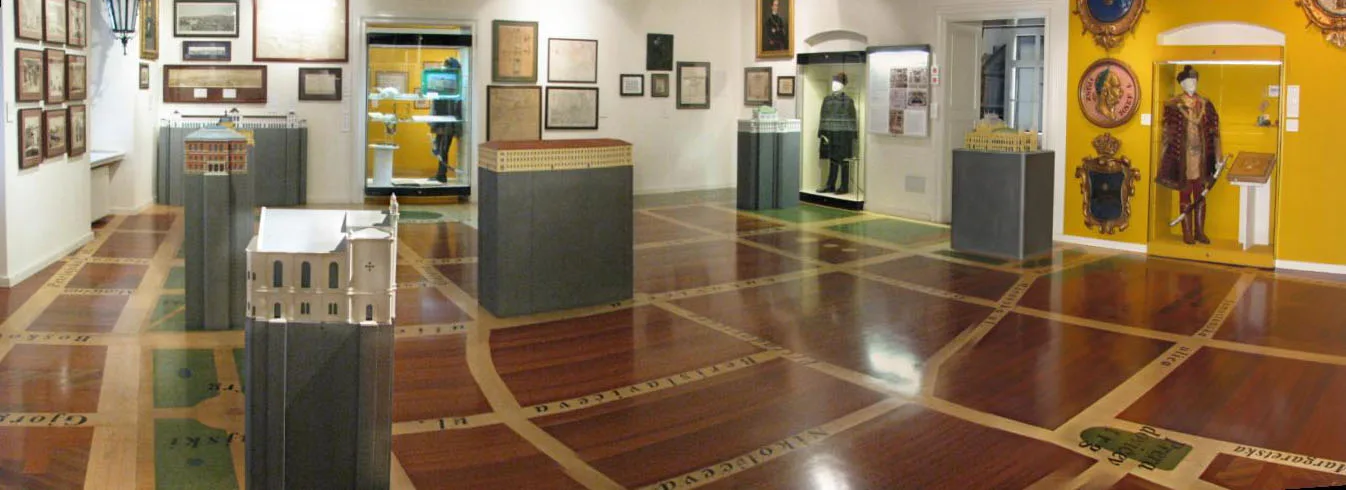
The Lower Town model is especially useful as a bridge between museum and street. Locate the park sequence, station axis and blocks already walked, then ask how planning decisions shaped today’s routes. Do not treat the model as a miniature photo stop only. Its value lies in translating elevation, distance and urban form into decisions the visitor can test outside.
Read the historic complex as part of the collection
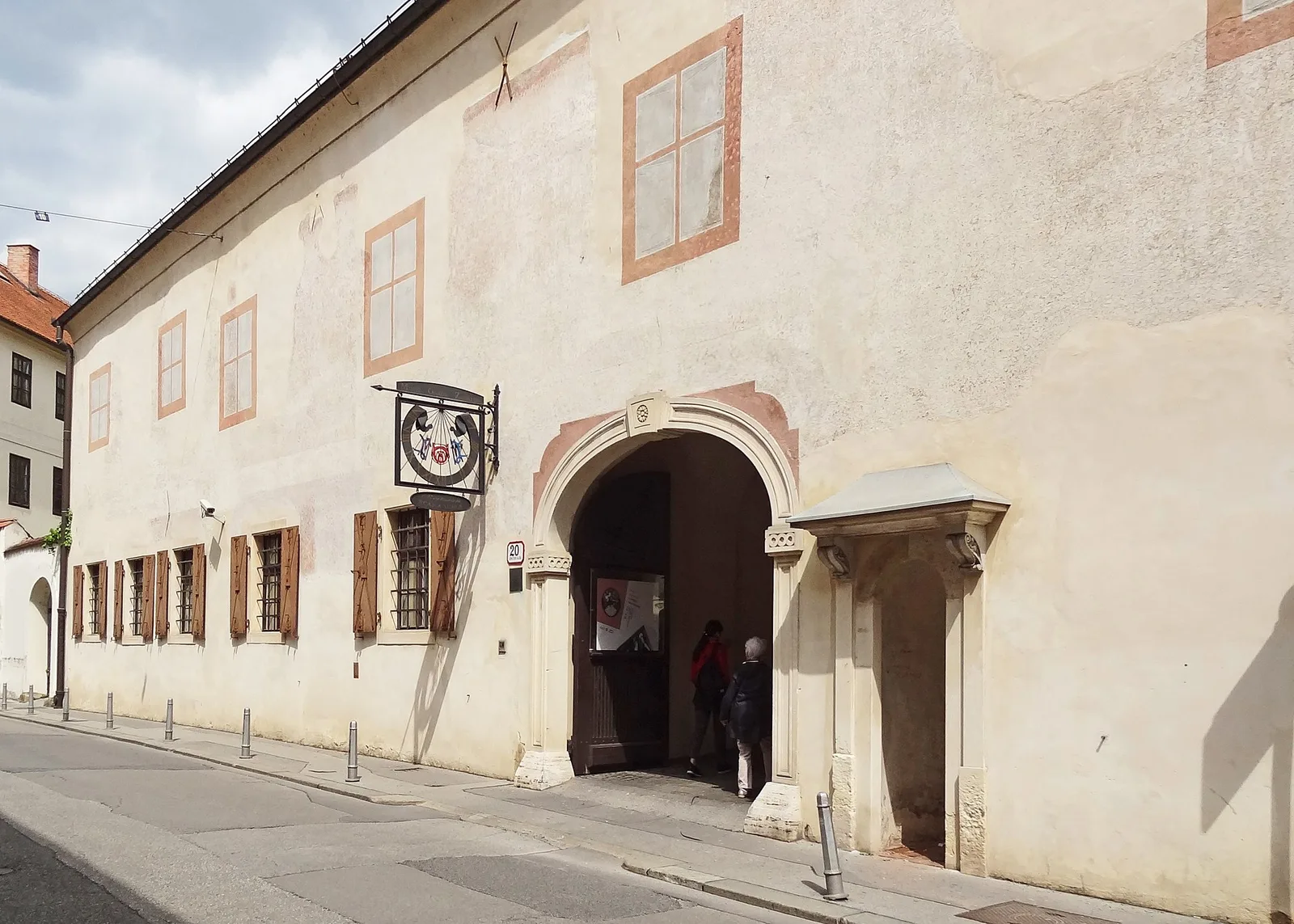
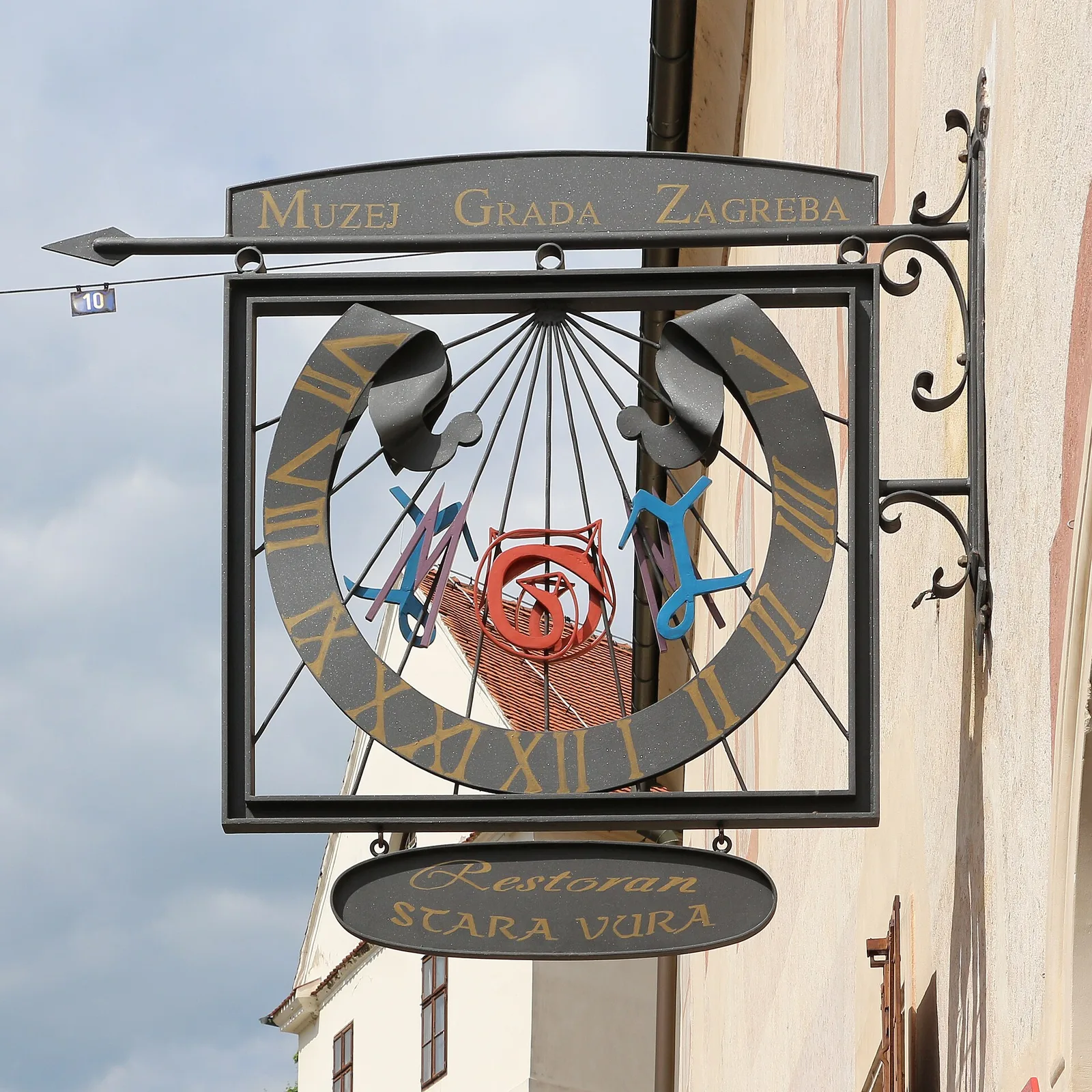
The museum occupies a historic Upper Town complex on Opaticka Street. Notice the approach, facade, entrance sign and relationship to the quieter street before entering. The building is not a neutral box: thresholds, room scale and older fabric shape the sequence. Confirm the public entrance on the official page and follow staff directions when works, events or security alter the normal route.
Move through the collection with a few questions rather than trying to retain every date. How did Gradec and Kaptol relate, how did Lower Town expand, what changed transport and public life, and which institutions still structure the city? Choose objects or displays that answer those questions. A museum history becomes useful when it changes what the visitor notices on the next street.
Follow the museum’s current no-photography rule
The official visitor page currently states that photography is not permitted. Treat that as the rule unless on-site staff publish a different current instruction for a specific event. Keep the phone away from displays, do not argue from photographs found online and do not assume a press or Commons image proves ordinary visitor permission. Use notes after leaving the gallery when needed.
The sourced images on this guide document the building and selected historical display under their own licences; they do not grant permission inside the museum today. Respect copyright, donor restrictions and visitor privacy. A no-photo visit can improve attention: read the label, look again at the object and discuss one finding outside rather than collecting unread frames.
Verify hours, access and the exact visit chain
Check the official visitor page for hours, last admission, holidays, ticket conditions, temporary exhibitions and group arrangements. Guided tours require current coordination. Save the address and return route offline. The museum states that wheelchair users can visit with staff assistance, but a traveller should still confirm the exact entrance, lift or route, toilets, seating and any temporary limitation for the visit date.
Historic-building access begins on Opaticka Street, not at the ticket desk. Research slopes, cobbles, drop-off and weather between transport and entrance. Families should choose a few city-development questions and use breaks rather than expecting children to follow every chronological room. Keep essential medicine on the person and retrieve all cloakroom items before closing.
Turn the exit into a city-reading walk
After the museum, choose a short Upper Town route that tests one idea: civic geography around St Mark’s Square, the older relationship between Gradec and Kaptol, or the descent towards Lower Town. Do not add every Upper Town attraction. The collection is dense, and a thirty-minute street reading can preserve more than another ticket. Weather, government security and worship can change access; follow the live city rather than forcing the diagram.
Hotel HOH supports an Upper Town-focused stay, while Hotel Jagerhorn makes the transition to central Lower Town easier. Esplanade becomes relevant when the museum’s Lower Town model inspires a park-and-station route later in the trip. These are hotel-to-itinerary matches. Verify the exact room and route rather than booking from the word historic alone.
Read a city history for choices, silences and scale
Every city museum selects periods, people, objects and maps. Ask which residents appear as decision-makers, workers, migrants, families or minorities, and which voices are harder to find. A chronological route can make development look inevitable even when planning, conflict, disaster and policy involved choices. Read dates closely, distinguish a contemporary interpretation from a historic object and look for the source of a reconstruction or model.
Scale also changes meaning. A model makes a boulevard visible as form but can hide street noise, displacement, daily labour and the time required to cross it. A domestic object may reveal life more intimately than a grand civic plan. Compare one official urban vision with one item from ordinary life. The tension helps prevent the museum from becoming a catalogue of rulers and buildings.
Groups should split only with a fixed meeting point and enough time to regroup before closing. Teachers and guides need prior coordination rather than lecturing across ordinary visitor circulation. Keep voices low, do not lean on cases and let others reach labels. When a room is crowded, move to the next question and return later; completing the chronological order is less important than sharing the space.
Questions people actually ask
Is Zagreb City Museum worth it on a short trip?
Yes — especially if you want the city’s story in one visit. It’s a strong “one museum” choice for a weekend.
Is it good for kids?
It can be, but it’s more “story and context” than hands-on. For a more interactive indoor stop, consider the Technical Museum Nikola Tesla.