
Why it’s worth stepping inside
St. Catherine’s Church sits on Katarinin trg (Catherine’s Square) in Upper Town — and it’s one of the best “small, high-reward” culture stops in Zagreb.
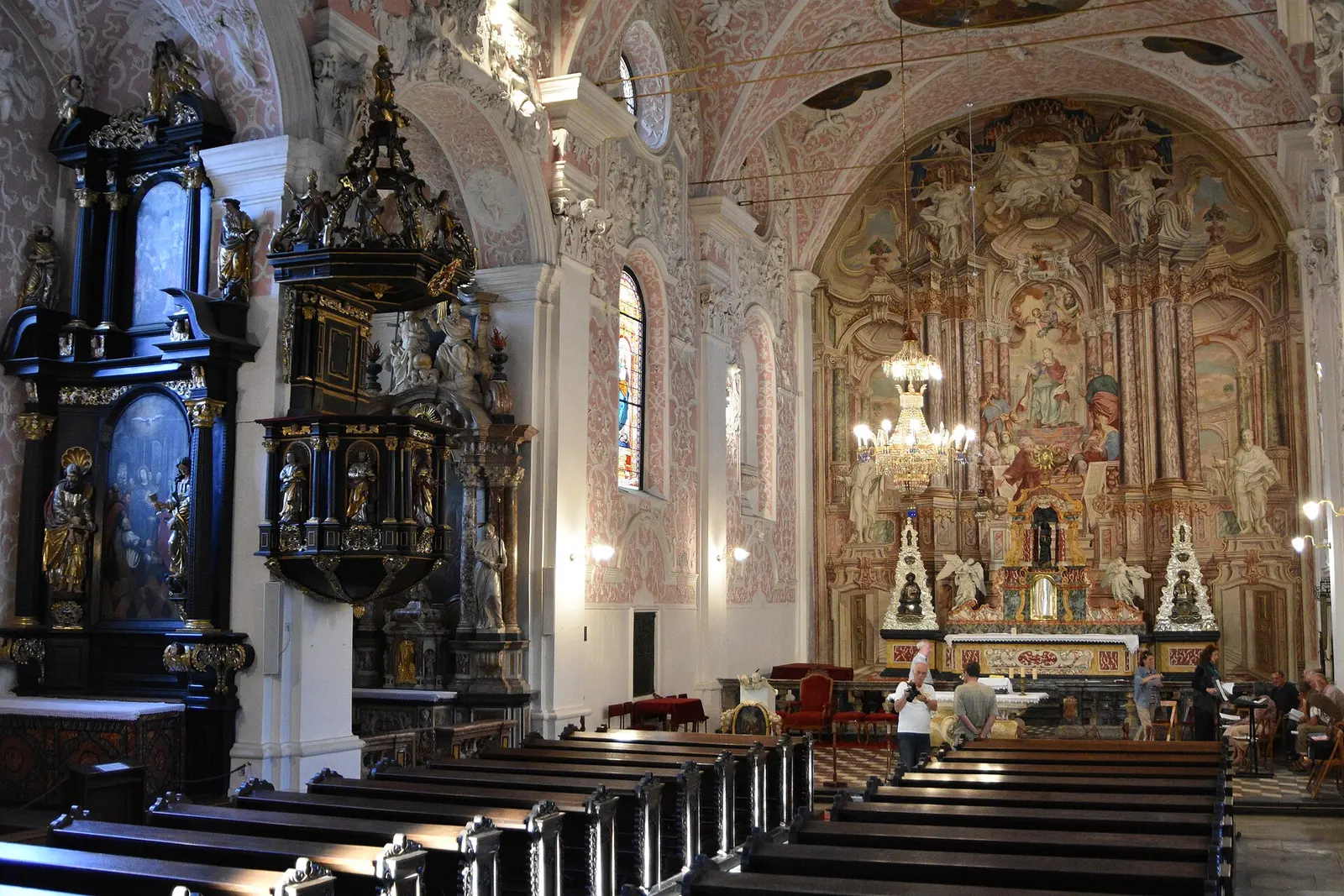
If the doors are open, go in. The interior is baroque in the best way: dramatic, detailed, and surprisingly intimate compared to bigger headline churches.
A fast history (so you appreciate the details)
InfoZagreb notes the church was built by the Jesuits in the first half of the 17th century, as a single-nave church with six side chapels.
Construction began in 1620 and finished in 1632. The façade was reconstructed after the 1880 earthquake (Hermann Bollé is closely associated with that reconstruction).
What to look for inside (even if you’re not ‘into churches’)
- The overall baroque atmosphere: the space is designed to feel theatrical, not minimal.
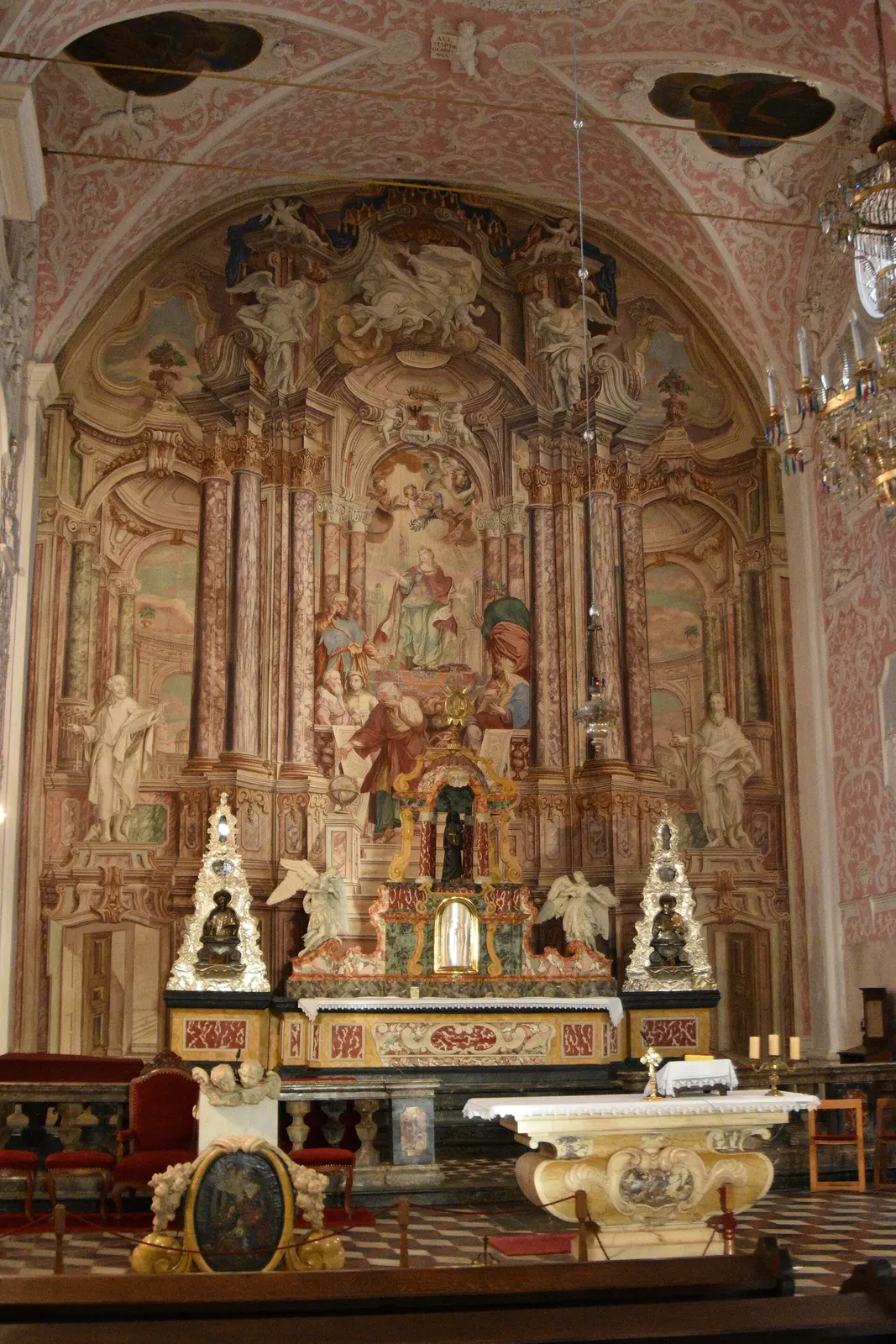
- Side chapels and altars: the church contains multiple baroque altars (including a marble altar dated 1729 in InfoZagreb’s description).
- Ceiling and wall decoration: look for illusionist painting and stucco details.
- Coats of arms and memorial details: a quick way to feel the city’s old elite stories without reading a whole history book.
Pair it with an Upper Town loop (easy half-day)
- St. Mark’s Square → St. Catherine’s Church → Klovićevi Dvori Gallery (if an exhibition is on).
- Continue to a viewpoint walk → Stone Gate → back down to the center for coffee.
Tips for a calm, respectful visit
- Keep it short and intentional — 10–20 minutes can be enough to feel it.
- Dress and behavior: normal ‘church common sense’ (quiet voices, respectful clothing).
- If you’re doing a museum day, use this as the atmospheric “palette cleanser” between galleries.
Why St. Catherine’s Church belongs in the day
St. Catherine’s Church contributes Baroque character and religious context to Upper Town near major cultural venues. It is a quieter architectural stop than St. Mark’s Square, rewarding visitors who notice how churches, monasteries and civic spaces shaped the historic district together.
Include the church exterior and square within an Upper Town loop between Klovićevi Dvori, viewpoints and nearby lanes. Enter only when current access and worship allow. The stop should enrich a route already passing through rather than require a separate climb.
What to notice and how to decide
Look at the façade, proportions and relationship with the surrounding square before seeking interior decoration. If entry is possible, lower your voice and allow religious use to set the terms of the visit. Architectural appreciation never overrides services or private prayer.
Church opening and interior access can be limited, and restoration may affect what is visible. Check official local information and follow posted rules for dress and photography. The old-town approach includes slopes and surfaces that matter for mobility planning.
Prioritise St. Catherine’s for Baroque architecture, church history and a slower Upper Town exploration. A first-time visitor with limited time can appreciate the exterior while focusing on the district’s larger route. The visit is strongest when quiet attention, not completion, leads.
Assume exterior-only until the church confirms entry
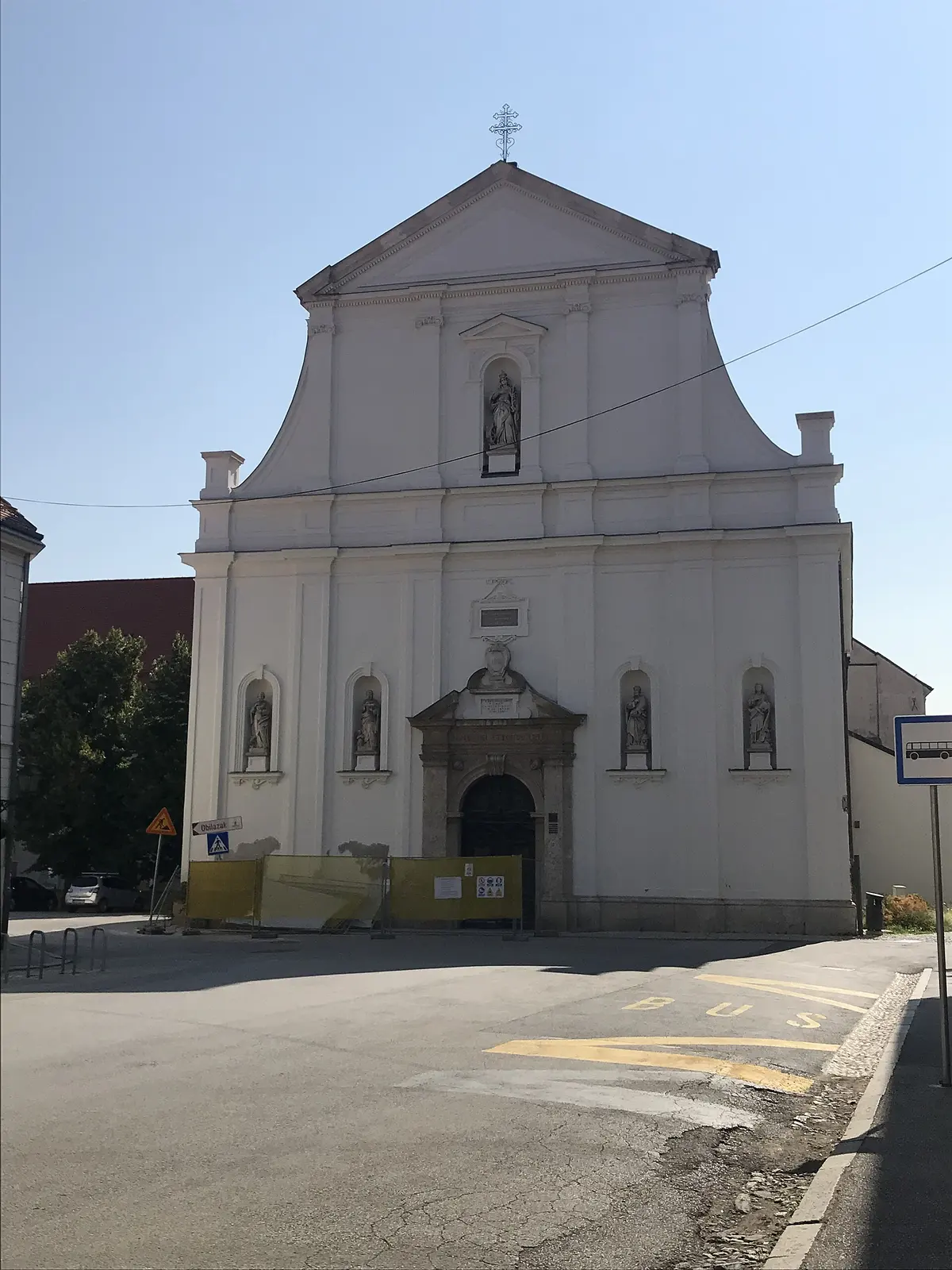
St Catherine’s suffered serious damage in the 2020 earthquake and has undergone structural and interior conservation. A March 2025 Archdiocese update described work still in progress and expressed an expectation for phases to finish during 2025. That expectation is not a current visitor opening notice. Check the rector, parish or Archdiocese for an explicit service or public-access announcement before walking there for the interior.
An unlocked nearby institutional door, workers entering or an old map hour does not establish admission. Follow barriers and staff direction, and never enter behind a worshipper or contractor. When no dated confirmation exists, plan a short exterior visit. The 2025 facade photographs show restoration conditions, while the 2018 interior images show what existed before earthquake damage—not what can be seen now.
Separate worship access from sightseeing access
If liturgy, prayer or a concert resumes, determine what kind of opening it is. A service admits people for worship, not for circulation around altars during the rite. Arrive quietly, use the indicated door, silence devices and remain outside closed chapels or work zones. Do not wait at the end of a pew with a camera hoping the congregation clears.
A concert ticket or religious celebration can use only part of the building and may have its own capacity, accessibility and photography rules. Confirm organiser, date, start, entrance and seating. The church’s renowned acoustics and restored pre-earthquake organ history do not guarantee that the instrument is currently playable or included in a given event.
Read a Baroque interior through dated evidence
The pre-earthquake nave and altar photographs reveal a layered Baroque programme: illusionistic architectural painting, sculptural altars, pulpit, stucco and a tightly integrated ceremonial space. Read how real and painted architecture direct attention rather than treating every surface as gold decoration. Use a current conservation source before describing what was repaired, replaced, stabilised or left visible.
Do not assign every fresco, altar or sculpture from memory. Record the exact element and consult church or conservation interpretation. Restoration can revise attribution and expose earlier phases. A useful caption distinguishes the condition in August 2018 from any later intervention. The point is to understand a changing sacred interior, not freeze a tourist postcard as the authentic version.
Use the exterior without blocking Gradec
The church faces a compact Upper Town square with residents, galleries, deliveries and active institutions around it. Keep the entrance, work gate and road clear. Photograph from the public edge, not from behind fencing or the middle of vehicle access. Ask before making workers, clergy, worshippers or school groups the subject, and put equipment away during a funeral or prayer gathering.
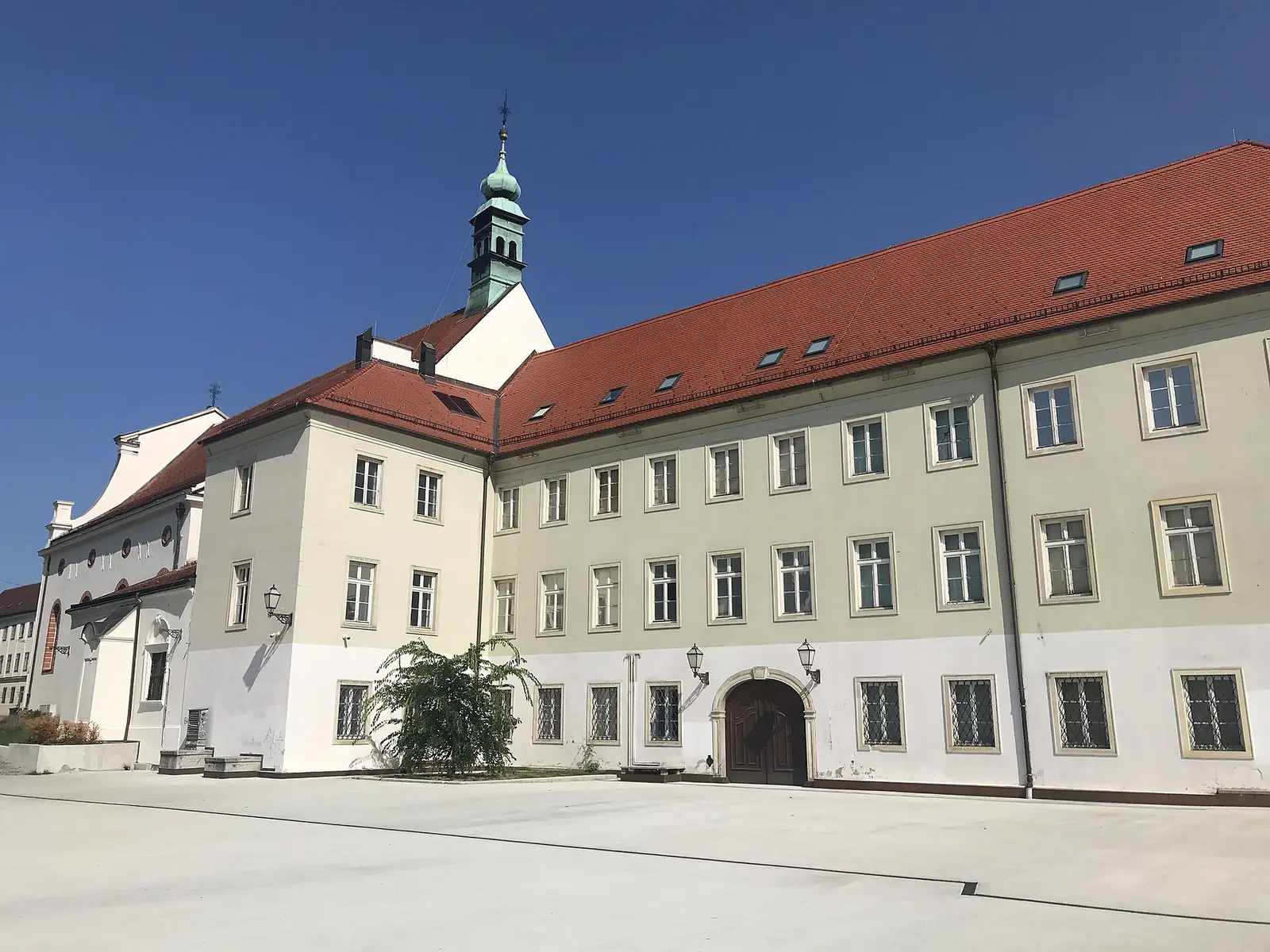
The 2025 front view shows a restrained facade whose scale differs from the interior’s former richness; the side view situates the former Jesuit complex. Observe both, then continue. Do not test doors, lean on stonework or climb a step closed by tape. Commercial shoots and drones require the relevant church, property and public-space permissions.
Confirm slope, surface and accessible entry
Gradec’s cobbles, gradients and security diversions can make a short map route difficult. Travellers using mobility aids should ask the church or event organiser which entrance is actually open, whether it is step-free, and whether seating and an accessible toilet are available. A completed structural repair does not prove independent access to every historic level.
Choose the gentlest current approach and a firm return route. Rain, ice and construction material increase slip risk. Taxi access can be restricted in the Upper Town; verify the drop-off rather than expecting the vehicle to reach the door. If the only accessible route is closed, use the exterior from the permitted square and select an open alternative interior.
Make restoration the limit of the recommendation
Do not publish a reopening date derived from a target, a completed facade or a social photograph. Record the last official status checked and link it. Once the church announces regular access, update hours, service pattern, entry rules, accessible route, photography and any conservation restrictions together. A silent removal of the closure warning would leave the guide unverified.
When the interior remains unavailable, Klovićevi Dvori can provide a current exhibition nearby, while St Mark’s and Stone Gate offer different civic and devotional contexts subject to their own access. These are alternatives, not substitutes for the Baroque church. State precisely what the visitor will gain and avoid promising a second closed or security-limited site.
Choose an Upper Town base for more than one doorway
Boutique Hotel HOH supports repeated Upper Town plans; Hotel Jagerhorn supports the lower transition; Hotel Capital supports a broader central route. Select the hotel for room, sleep, slope and the full itinerary, not because an uncertain church opening appears nearby. Confirm taxi and luggage access before booking.
Pair the church exterior with one verified gallery or Gradec loop and descend once. No hotel can guarantee worship access or a restoration view. The useful geographic advantage is flexibility: when St Catherine’s remains closed, the day still works without crossing Zagreb for a replacement.
Questions people actually ask
Is St. Catherine’s Church open to visitors?
Access can vary by service schedule and local arrangements. Treat it as a flexible stop and check InfoZagreb or local notices for the latest.
How much time should I plan?
10–30 minutes is enough for most visitors — it’s best as part of an Upper Town loop.