
Why it’s one of the best culture stops in Zagreb
Klovićevi Dvori is a perfect ‘exhibition-first’ stop: you don’t come for a permanent collection you must understand — you come to see what’s on right now.
It’s also in the right place: Upper Town, near St. Catherine’s Church and a short walk from other classic sights. That makes it easy to add to a day without turning your trip into a museum marathon.
What to expect (so you don’t over-plan)
- Temporary exhibitions that change through the year — always check the calendar before you go.
- A “big show” atmosphere in a historic Upper Town setting.
- An easy cultural add-on: you can get a full experience in about 60–120 minutes.
Pair it with the best nearby stops
- Gallery → St. Catherine’s Church → St. Mark’s Square → viewpoint walk.
- Optional: Museum of Broken Relationships if you want a second indoor stop.
How to plan the visit (quick and realistic)
- If you’re doing it as part of an Upper Town loop: plan 60–90 minutes.
- If you’re an exhibition person: plan 90–150 minutes and read slowly.
- Check opening hours and ticket details on the official site (they can change by season and program).
Tips for a better gallery day
- Do the gallery first, then walk — it helps the day feel airy and not ‘indoors only.’
- If you’re with someone: schedule a coffee after and talk about what you saw. Zagreb is good at that kind of slow conversation day.
- If you’re traveling with kids: check the current exhibition theme first (some shows are more family-friendly than others).
Why Klovićevi Dvori Gallery belongs in the day
Klovićevi Dvori is a major Upper Town exhibition venue whose value depends on the current programme. Its historic setting and changing shows can make it the district’s cultural anchor, but the name alone does not describe what a visitor will encounter on a particular date.
Check the exhibition first, then place the gallery within a St. Mark’s Square, Stone Gate and promenade loop. Choose it instead of—not in addition to—several nearby museums. The Upper Town streets provide the outdoor half of a balanced cultural visit.
What to notice and how to decide
Read the curatorial premise and let the exhibition determine how you move through the building. Notice how the historic setting interacts with the works, but do not allow architecture to replace engagement with the show. Selective close looking is more valuable than room-count completion.
Programmes, ticketing, entrances and gallery access change. Verify the official exhibition dates and any building constraints before travelling. If a particular artist or work is the reason for visiting, confirm its inclusion rather than relying on a broad event announcement.
Prioritise Klovićevi Dvori when the current show genuinely interests you or a substantial exhibition fits the Upper Town day. Skip it without regret when the programme does not connect. A changing gallery should be chosen through its present content, not permanent reputation alone.
The current exhibition is the reason to enter
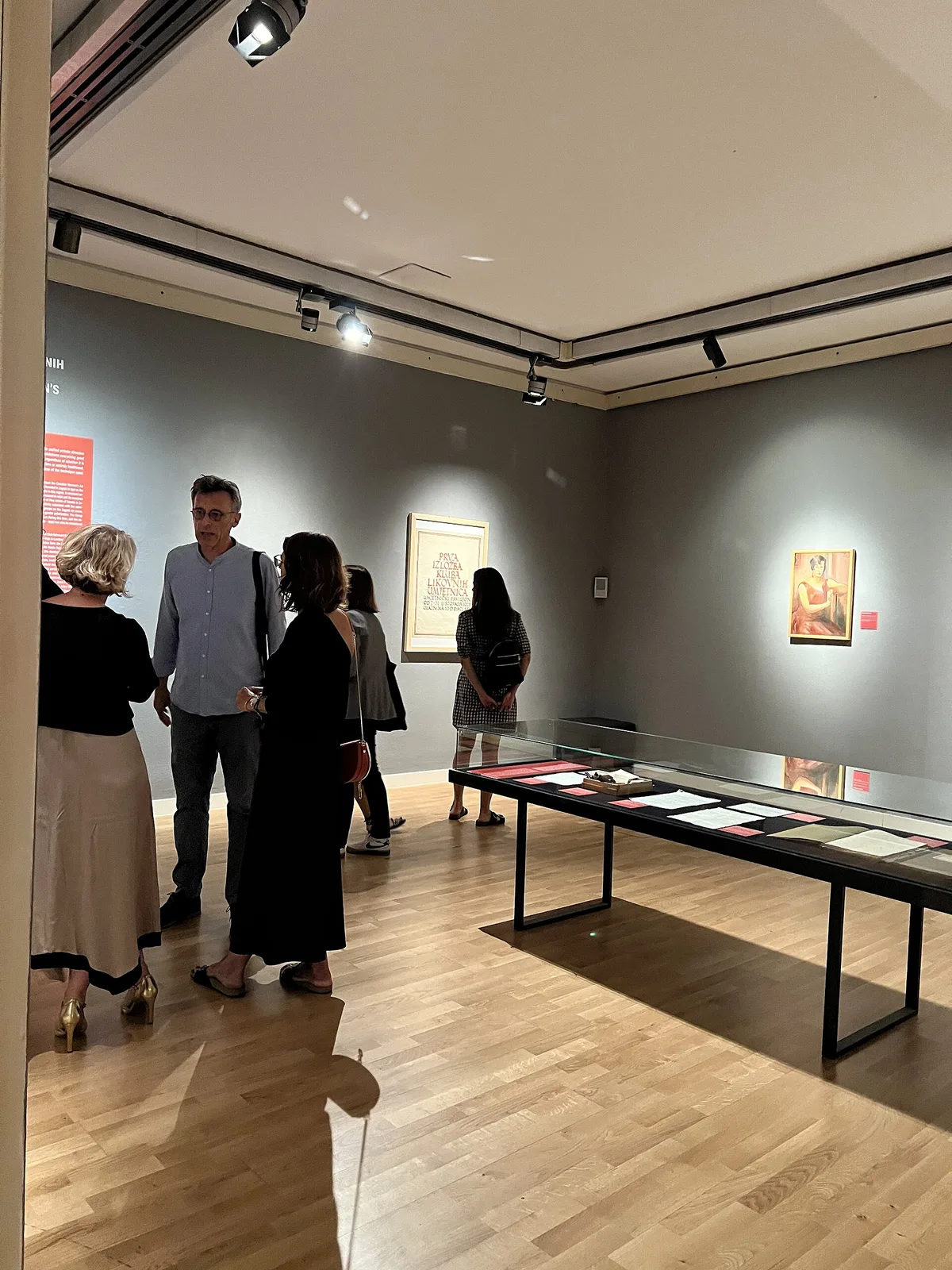
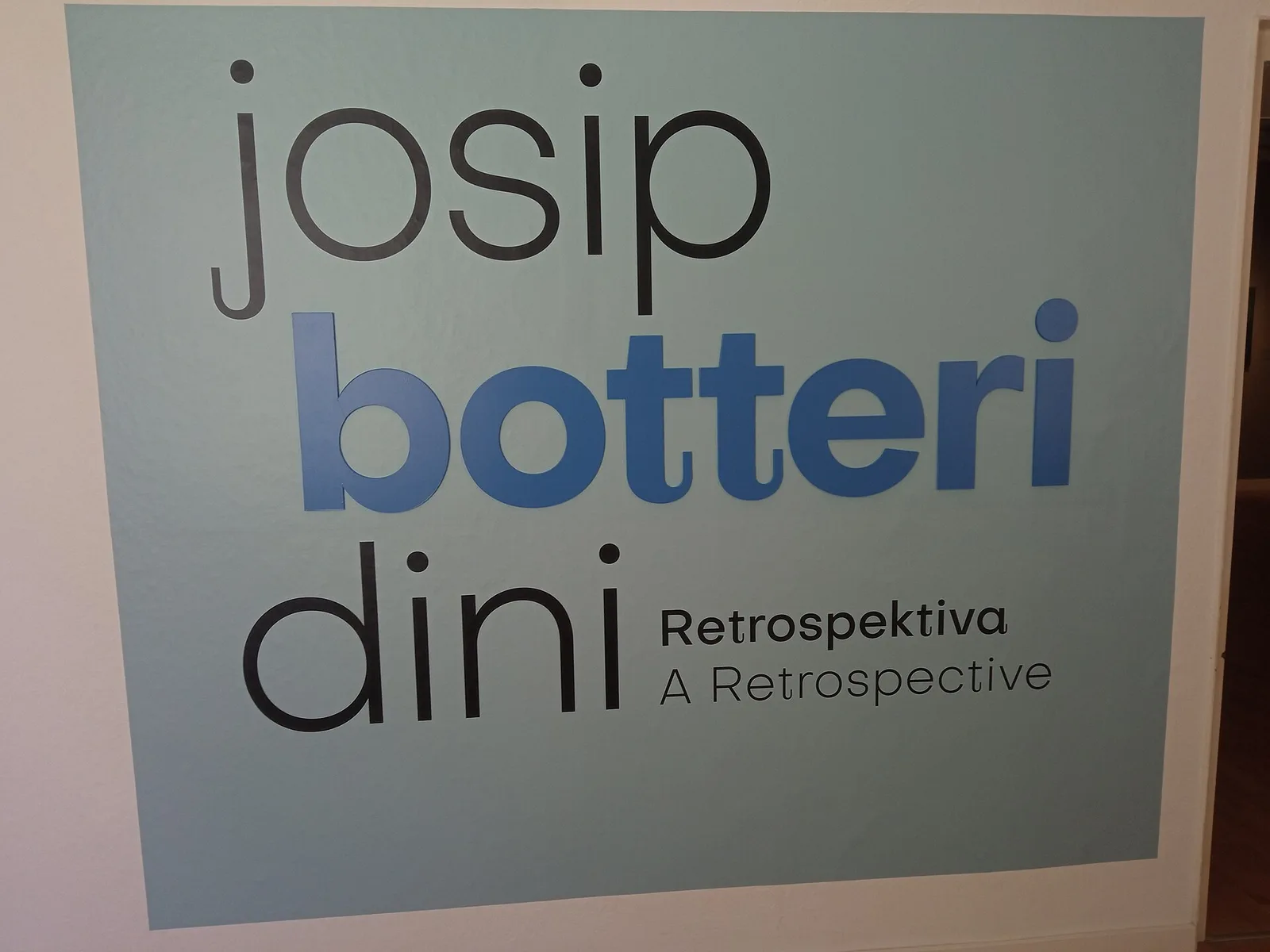
Klovicevi Dvori is a temporary-exhibition institution. The former-monastery building and Upper Town location make a strong setting, but they do not answer whether today’s ticket is worthwhile. Read the official programme for the visit date, identify the artist, lender or historical theme and check which rooms the ticket covers. A retrospective sign or a 2024 gallery photograph documents programme turnover; it is not a promise that the same work remains on view.
Choose the visit when the current exhibition adds a subject the itinerary lacks. A historical survey can deepen Croatian or regional art context; a photography show can contrast with Upper Town’s preserved streets; a contemporary project can challenge the building. If the programme does not appeal, appreciate the exterior and Jezuitski trg without buying a ticket out of obligation.
Read the gallery inside its former-monastery architecture
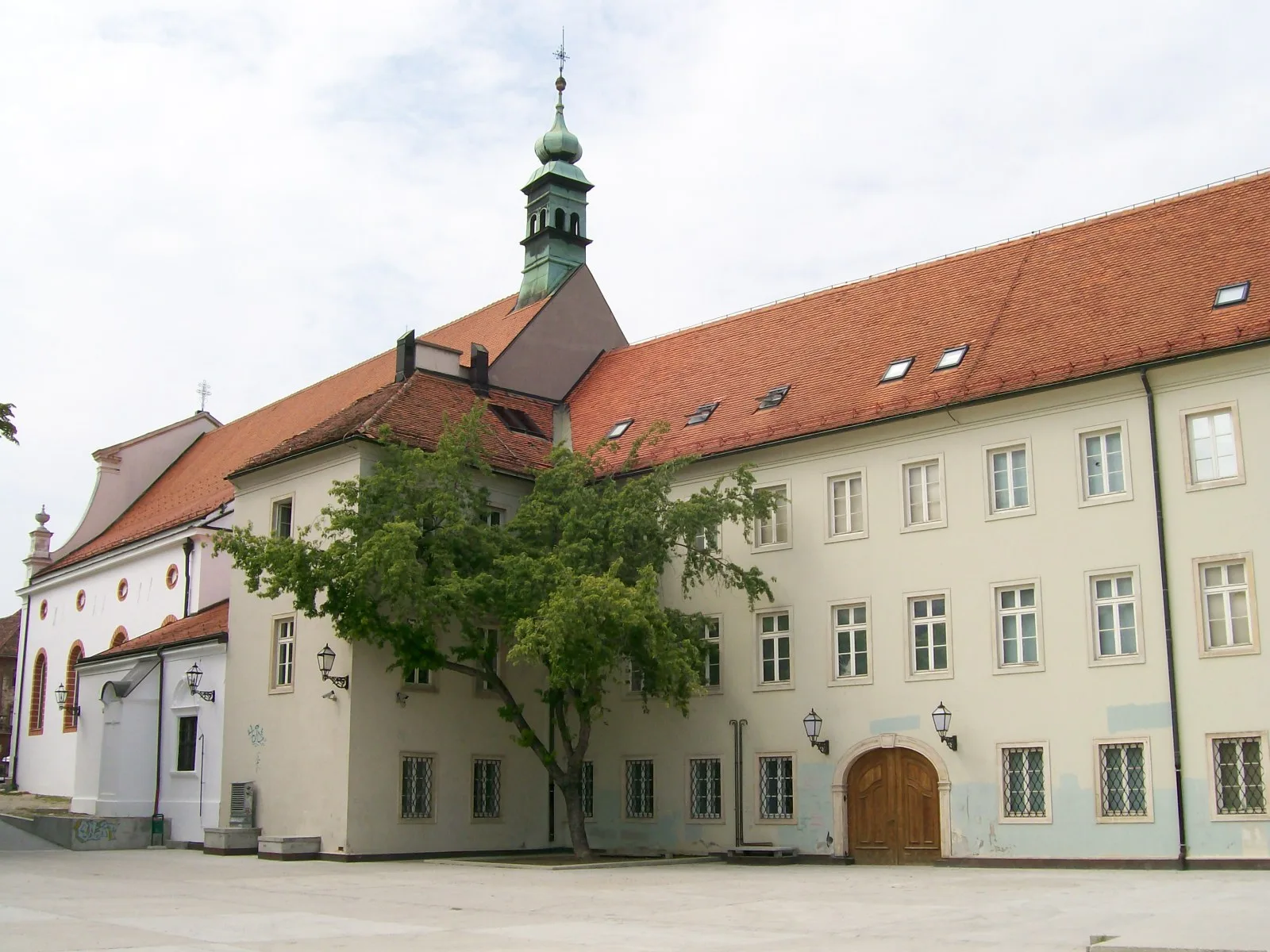
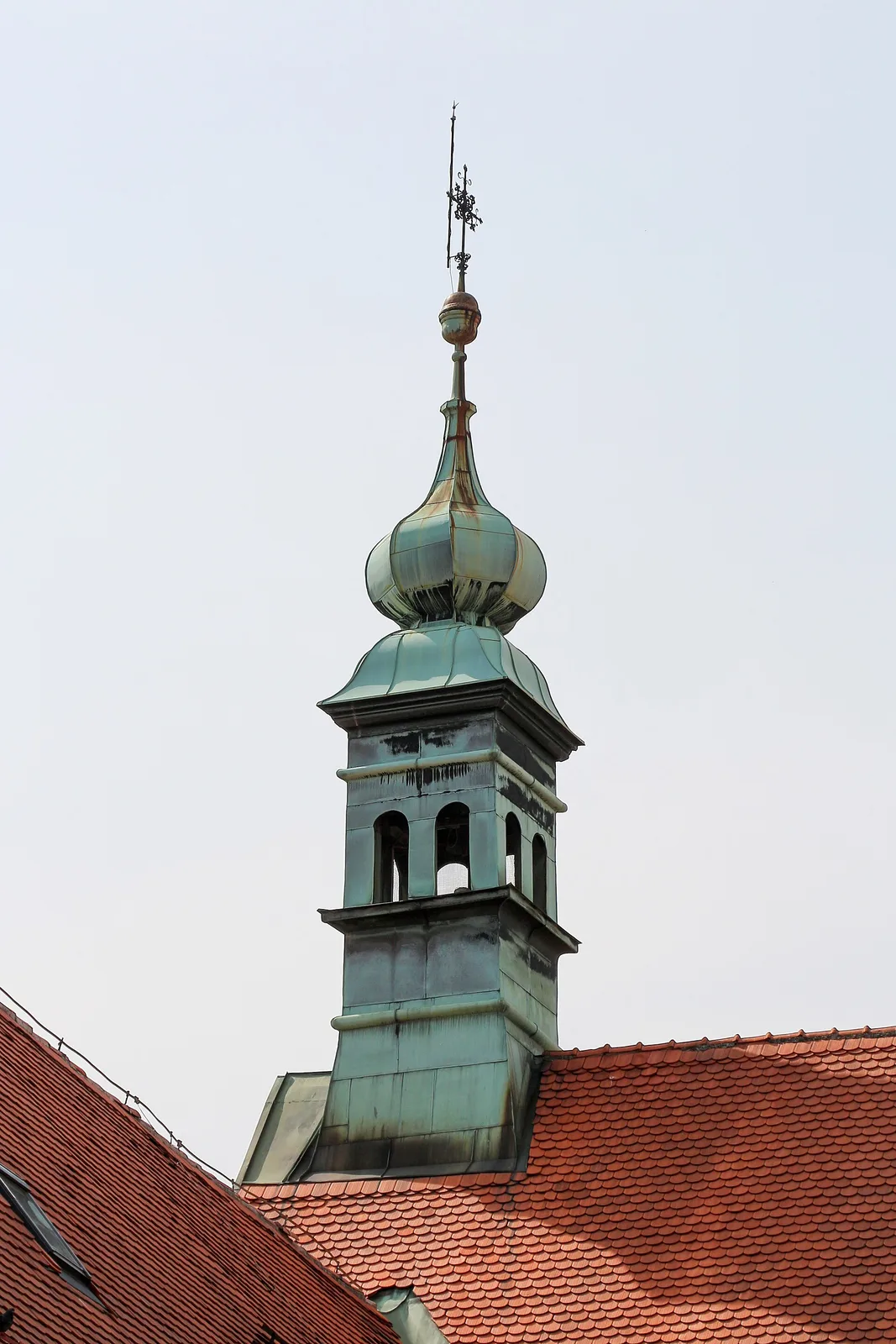
Before entering, notice the long pale facade, red roof and church tower that place the gallery in a religious and institutional complex. Inside, room proportions, thresholds and circulation affect how temporary walls and works are installed. Ask where the exhibition begins and whether the route is chronological, thematic or divided across floors. Do not assume the most obvious staircase is the only or accessible path.
A temporary exhibition can hide, reveal or deliberately respond to older fabric. Separate the art from the architecture, then ask where they interact. Keep doorways open, do not lean on walls or cases and follow one-way instructions. At an opening, crowd and speeches create different conditions from an ordinary visit; choose the quieter time when close reading matters more than social energy.
Verify access, tickets and visitor services
Use the official gallery site for hours, last admission, ticket combinations, concessions, holiday closures and any registration required for workshops or guided tours. The smaller collections gallery or another programme may follow different conditions. Save the exact entrance and ticket offline. If a loan exhibition has additional security or bag rules, follow the current notice rather than expecting the normal visit pattern.
Historic-building accessibility needs direct confirmation: entrance, lift, thresholds, toilet, seating and the precise temporary layout can change independently. Ask about captions, guided-tour language or sensory conditions when relevant. A step-free ticket desk does not prove every exhibition room is reachable. Staff can help only when the need and timing are communicated clearly.
Photography follows the lender and artist
Read the photography sign for the specific exhibition. Lenders and artists can restrict flash, video or all photography even when another show in the same building allows it. Never touch a work, cross a barrier or hold a phone over another reader. Do not photograph identifiable visitors at close range without consent, particularly children in workshops or people attending an opening.
Commercial shoots, tripods, lighting and drones require separate permission. When sharing an allowed image, credit the artist, work, exhibition and gallery, and state the date so a temporary display is not mistaken for the permanent collection. If photography is forbidden, make a note after leaving or buy an authorised publication. Attention is a valid record.
Build a compact Gradec cultural route
Pair the gallery with St Catherine’s Church exterior, Gradec viewpoints, the Museum of Broken Relationships or one cafe. Do not stack every Upper Town museum because they look close on a map. Slopes, cobbles, security and weather add effort between short distances. One exhibition plus a thirty-minute street route leaves enough attention to discuss the work.
Boutique Hotel HOH supports an Upper Town-focused stay when the hill suits the visitor; Hotel Jagerhorn offers a central base near the transition; Amadria Park Hotel Capital creates a grander Lower Town alternative. Verify the exact room and live route. The gallery programme should shape one afternoon, not determine accommodation without regard to the rest of the trip.
Use interpretation without outsourcing the whole encounter
Start with the exhibition’s introductory text, then look at several works before reading every individual label. A catalogue, curator talk, digital quiz or workshop can deepen the visit, but only when the current programme confirms it and registration conditions are met. Do not play audio aloud in a gallery; use headphones and remain aware of other visitors.
Families should select a small visual task—find how three artists handle colour, material or historical evidence—rather than expecting children to follow an adult lecture through every room. Workshops have their own ages, capacity and consent requirements. Keep children supervised around cases and unprotected work, and leave when attention ends. The gallery visit can continue through drawing or discussion outside without completing the ticket.
A temporary exhibition often makes an argument through loans, wall order and omitted material. Ask who organised it, where objects came from and why this sequence was chosen. Distinguish an original object from reproduction and current interpretation from historic source. If one claim seems surprising, note it and consult the catalogue or official references later rather than turning the gallery into a debate across other visitors. Return borrowed audio or guide materials before leaving the building.
Questions people actually ask
Is Klovićevi Dvori mainly permanent or temporary exhibitions?
It’s best known for temporary exhibitions and an active program. Check the official calendar to see what’s on during your dates.
How long should I plan at Klovićevi Dvori?
Most visitors are happy with 60–120 minutes depending on the exhibition and pace.