
Photograph Zagreb for what it is
Zagreb isn’t about one single landmark shot — it’s about texture: stone streets, leafy parks, café scenes, and the contrast between Upper and Lower Town.
If you want a strong set of photos fast, think in sequences: one street scene, one architectural detail, one park moment, one viewpoint, one night frame.
Best light (simple rules)
- Golden hour: Upper Town viewpoints and quiet lanes.
- Overcast: parks and street-life (soft contrast, great mood).
- Night: center streets and squares — lantern light and calm atmosphere.
Composition checklist (easy wins)
- Use parks as negative space: frame statues, paths, and benches with greenery.
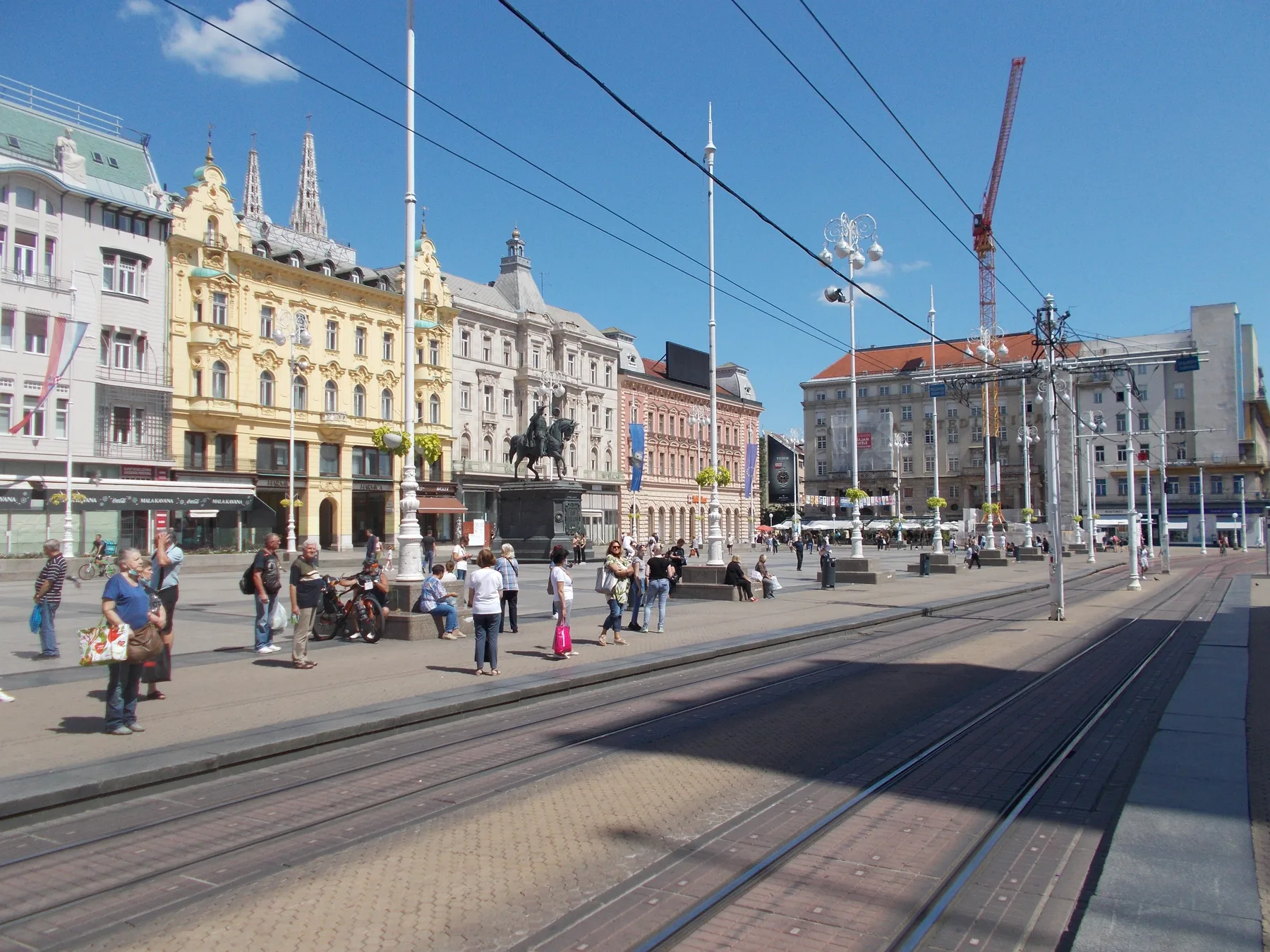
- Look for texture: stone walls, tiled roofs, café tables, tram lines.
- Shoot ‘connectors’: stairs, tunnels, and passages make great transitions in a photo set.
- Take one “slow” series: 10 minutes in one spot, waiting for the right moment.
A 2-hour photo walk
- Start at the center → go up for viewpoints → drift down into parks → finish with street-life scenes.
If you only have 30 minutes
- Pick one zone (Upper Town or parks).
- Shoot one wide, one detail, one portrait, one street scene.
- Finish with a single dusk/night frame if the light is right.
What photographing Zagreb should add to the trip
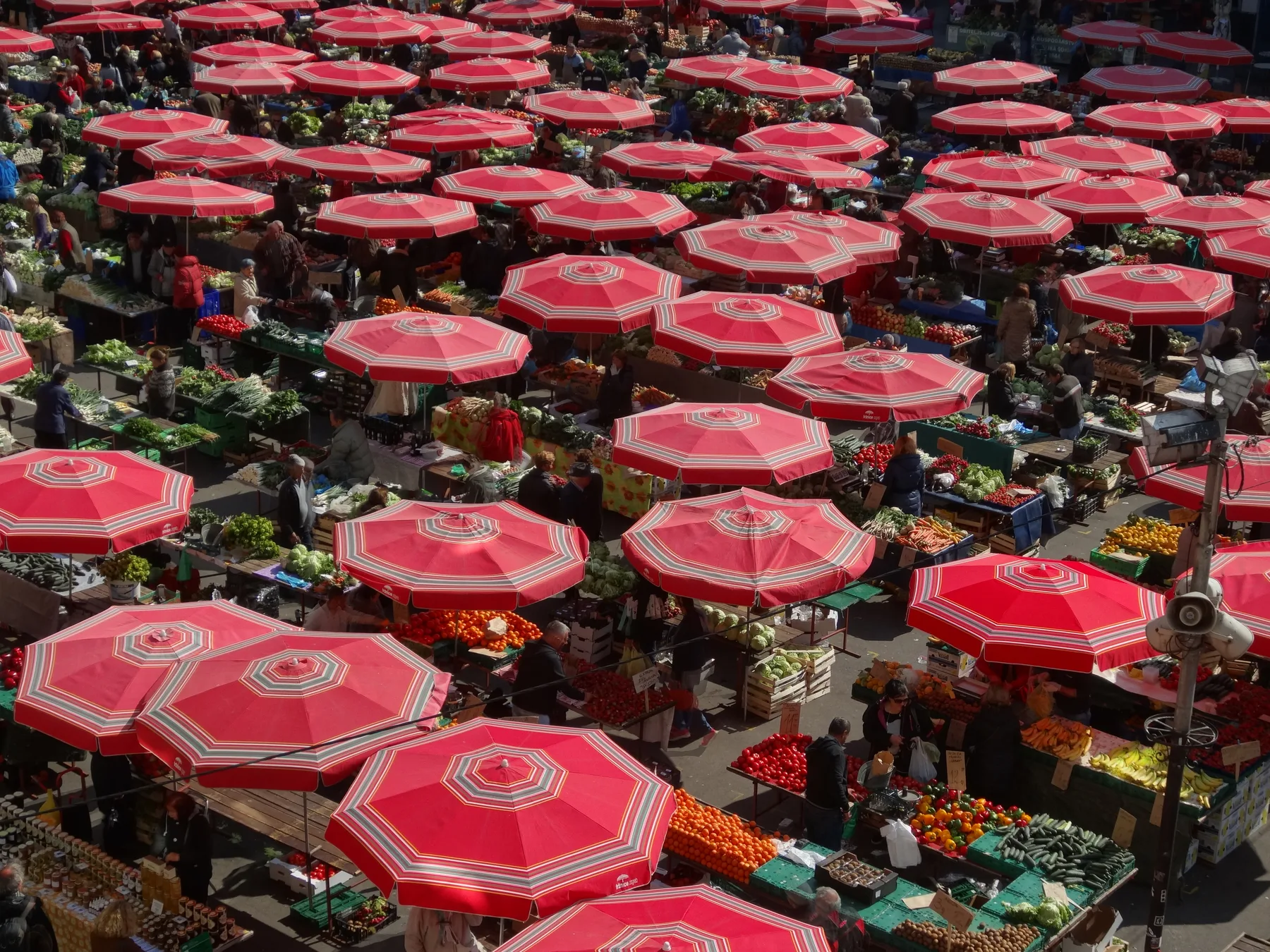
A strong Zagreb photo set should show relationships: market and cathedral, old ridge and lower grid, tram and pedestrian city, formal park and everyday café. Variety comes from context, not filters.
A route and pace that make photographing Zagreb work
Use morning for Dolac and Kaptol, gentler late light for Upper Town viewpoints and blue hour for trams or Lower Town parks. Keep one weather-flexible detail route near the hotel.
The choices, trade-offs and common mistake
Choose a visual theme—colour, thresholds, public transport, façades or shared spaces—and return to it across districts. A theme gives ordinary moments as much value as the postcard landmark.
Ask before portraits, respect worship and security, avoid private courtyards, and never enter tram or road space for composition. Commercial equipment and drones require current legal and site checks.
Weather, current information and the fallback plan
Rain supports reflections, interiors and covered market edges; harsh light favours details and shaded lanes. Move the wide view to the next clear window instead of abandoning the camera day.
Build assignments, not a trophy list
Give each walk one question: tram movement, market labour, sacred and civic architecture, parks as planning, neighbourhood thresholds or repair. Make an establishing frame, relationship, detail and quiet aftermath. This produces a Zagreb story instead of twenty disconnected landmarks with the same centred composition.
Research live access and historical context before captioning. A pre-earthquake cathedral image, seasonal installation or closed museum cannot represent an unchanged present. Record date, direction and source while shooting, not weeks later from memory.
Position the body before the camera
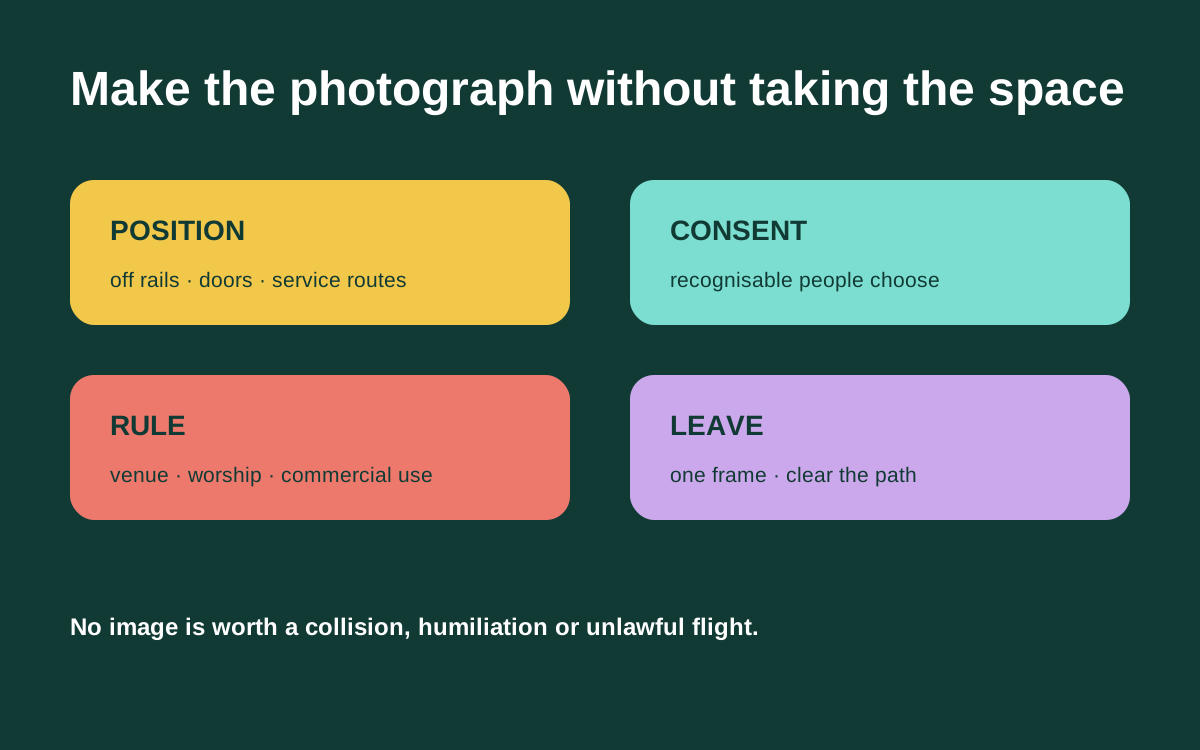
Stand off tram rails, cycle paths, doors, ramps, market service lanes and narrow pavements. Look behind before stepping backward. Use a wrist or neck strap without creating a snag hazard. A low angle is not worth kneeling where a tram, delivery vehicle or crowd cannot avoid you.
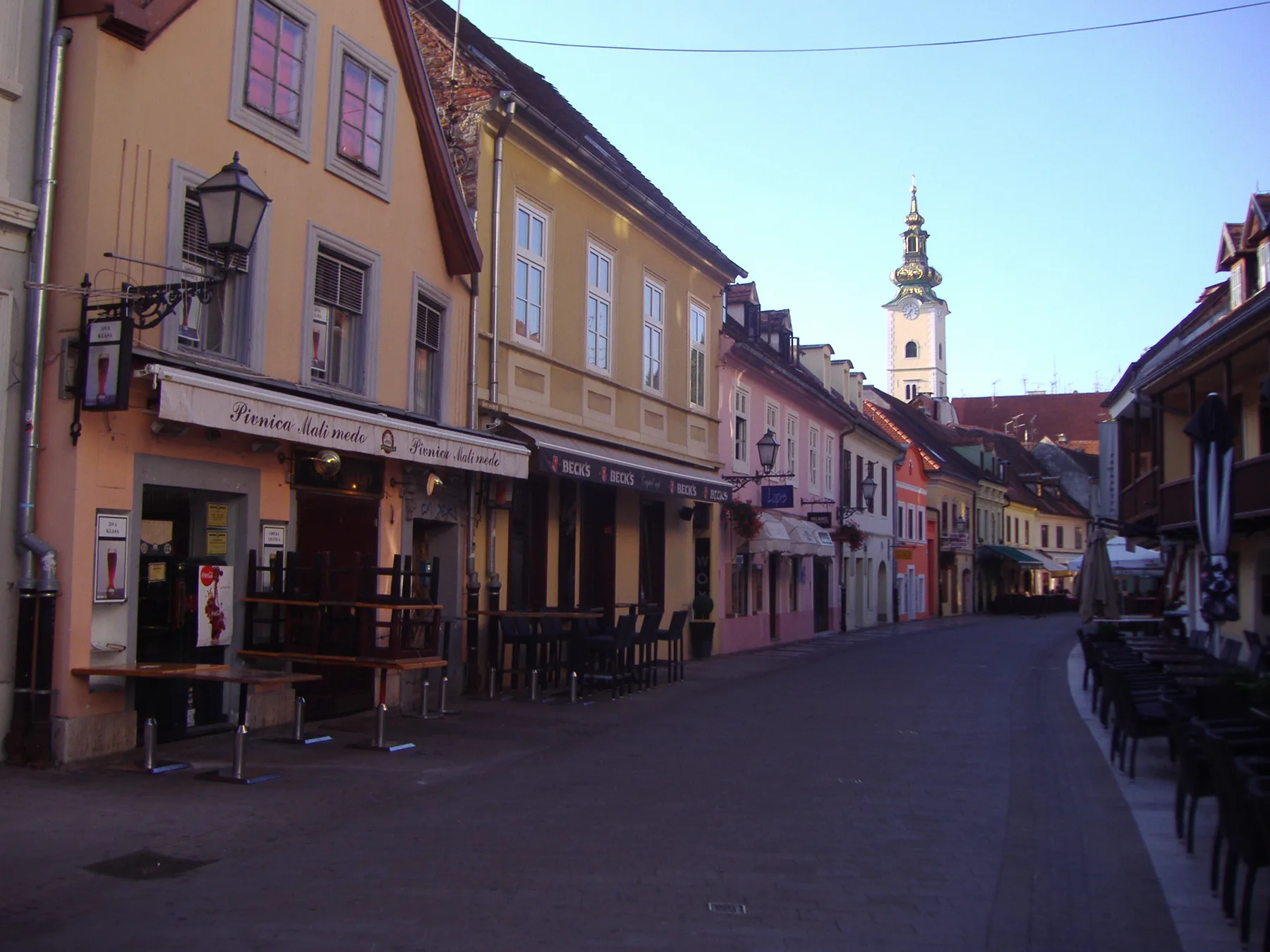
At Ban Jelačić Square, precompose away from the rails and wait from a safe pedestrian zone. At Dolac, photograph patterns from lawful public viewpoints and keep traders’ access open. On Tkalčićeva, respect residents and deliveries even at quiet morning light.
Obtain consent for recognisable people
Ask before making a person the subject, especially children, workers, worshippers, patients, protesters or anyone in distress. A crowded public background and a close identifiable portrait create different ethical stakes. Explain intended use, accept no immediately and do not offer exposure as pressure.
For a commissioned portrait, agree location, time, payment, model release and commercial scope in writing as appropriate. Never publish hotel room, school, medical or home details. Consent to be photographed is not consent to every later advertisement or AI use.
Follow venue, worship and performance rules
Museums, churches, theatres, markets and events set their own photography, flash, tripod and commercial policies. Ask at the live entrance. A ticket does not automatically grant reproduction rights. Do not photograph during worship, funerals or sensitive security activity because another visitor is doing it.
Flash can damage experience, distract performers and affect photosensitive visitors. Tripods obstruct and may require permission. When the answer is no, make an exterior or notebook study and support the institution through its authorised images rather than hiding the camera.
Treat drones and commercial setups as regulated work
Croatian government guidance says controlled-airspace drone operations require prior Croatia Control approval, while aerial imaging has additional clearance and use procedures. Aircraft registration, pilot competence, insurance, airspace reservation, privacy and imaging permission can all be relevant. Do not reduce this to a weight threshold.
Commercial filming that occupies Zagreb public space or parking can require city and Zagreb Film Office processes. Lights, stands, models and crew change the impact even when a handheld tourist photo would be ordinary. Contact the authorities early; when the permissions are unclear, shoot from the ground without occupation.
Plan light, weather and equipment modestly
Morning can simplify Tkalčićeva and Dolac; afternoon can model Lower Town façades; blue hour can balance HNK illumination. Check live weather and opening. Rain adds reflection but also slippery rails; heat affects people and gear; cold drains batteries. Safety and consent outrank light.
Carry one lens that matches the assignment, charged power, rain cover and cloth. Back up at the hotel and leave redundant equipment secured. Avoid changing lenses in dust or rain. A phone can make the better street image when a large camera changes behaviour or attracts risk.
Base each photo session near the hotel
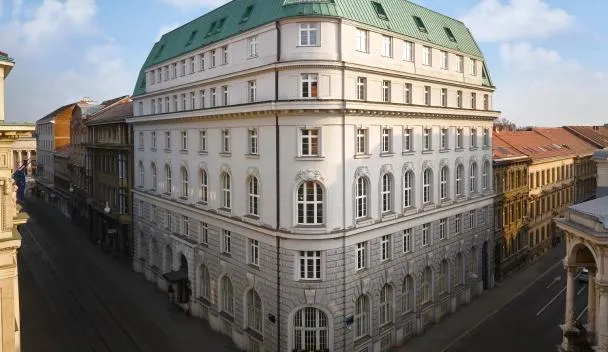
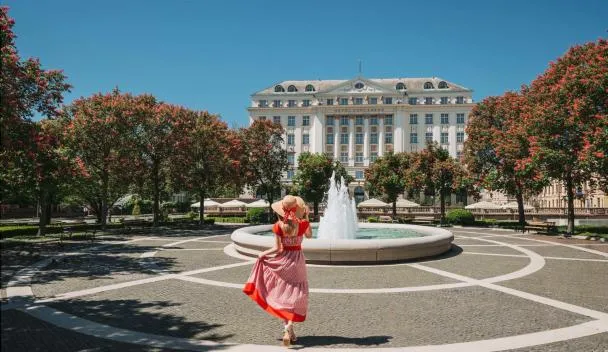
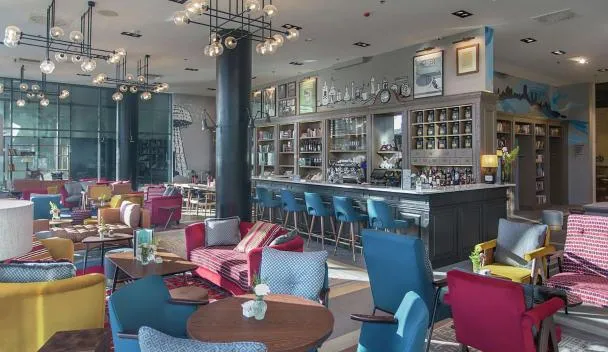
Hotel Capital supports dawn Dolac and central work; Jagerhorn supports Ilica and Upper Town; Esplanade supports the Green Horseshoe and station axis; Canopy supports Martićeva; Pullman supports Novi Zagreb. Return between sessions to back up, change layers and leave equipment.
Never publish room number, balcony access or a supposedly secret rooftop. Ask before tripod or commercial work on hotel property. A hotel recommendation is route logistics, not permission to photograph guests or interiors.

Caption, store and publish responsibly
Caption exact place, date, visible historical state and uncertainty. Credit people and collaborators according to agreement. Remove precise location from vulnerable nesting, private or sensitive sites. Preserve releases and source notes securely, and respect deletion or use limits where agreed.
Do not clone out barriers or scaffolding while presenting the image as documentary truth. Declare composites and major manipulation where context requires. A responsible Zagreb portfolio makes change, labour and ordinary public life visible without turning people into unconsenting scenery.
Edit for truth, privacy and a recoverable archive
Back up original files to two controlled locations before formatting cards or travelling onward. Keep capture time, lens, caption notes and releases linked without exposing private identity in filenames. Encrypt sensitive work and limit collaborator access. A public cloud gallery is not the place for passport images, model contact details or unpublished client locations.
Adjust exposure, colour, crop and perspective in a way that supports the declared purpose. Removing litter, wires, people, restoration or security can turn a documentary street into fiction. When a composite or generative change materially alters the scene, label it. Do not create a false current Zagreb view from several seasons without disclosure.
Blur or omit a recognisable person only when that protects privacy without misrepresenting an event; stronger practice is obtaining consent or selecting another frame. Avoid facial recognition, automated identification and invasive metadata. Remove precise coordinates from a vulnerable home, child, protest participant or sensitive habitat before publication.
Cull for a sequence: place, relationship, detail, person with consent, and change. Delete near-duplicates only after backup and client requirements are clear. A smaller accurate edit carries more meaning than hundreds of similar frames, and it reduces the pressure to publish someone merely because the photograph exists.
End each day with a caption audit: can the image be placed, dated and explained without guessing? If not, mark it unresolved rather than inventing a building name or event. Cross-check official sources and retain the link. A technically weaker frame with accurate context is more useful than a perfect anonymous façade mislabeled for years. Export a separate publication copy, preserve the original, and verify that hidden metadata, names and coordinates match the promised privacy before upload. Review the final sequence with a collaborator who was not present; their questions expose missing context, accidental identification and repeated visual clichés before publication. Then correct every caption carefully before final editorial release and secure archive.