
Traditional Zagreb food is comfort food (and that’s the point)
Zagreb food is less about flashy “destination dining” and more about warm, satisfying meals that reward a long walk. The best traditional meal usually happens after a market morning or an Upper Town loop — when you want something hearty and unhurried.
What to try (classic targets)
- Štrukli: Zagreb-region comfort classic (savory or sweet; baked or boiled).
- Zagrebački odrezak: Zagreb-style schnitzel (hearty, very satisfying).
- Goulash / stews (seasonal comfort): best on colder days.
- Sarma (stuffed cabbage) in winter: deep comfort, slow-food energy.
- Roast-style dishes and “home cooking” plates: perfect after a walking day.
Where to eat it (simple, reliable picks)
For traditional food, the best strategy is choosing one classic spot, then keeping the rest of the day light (market snacks + coffee).
A perfect traditional-food day (easy route)
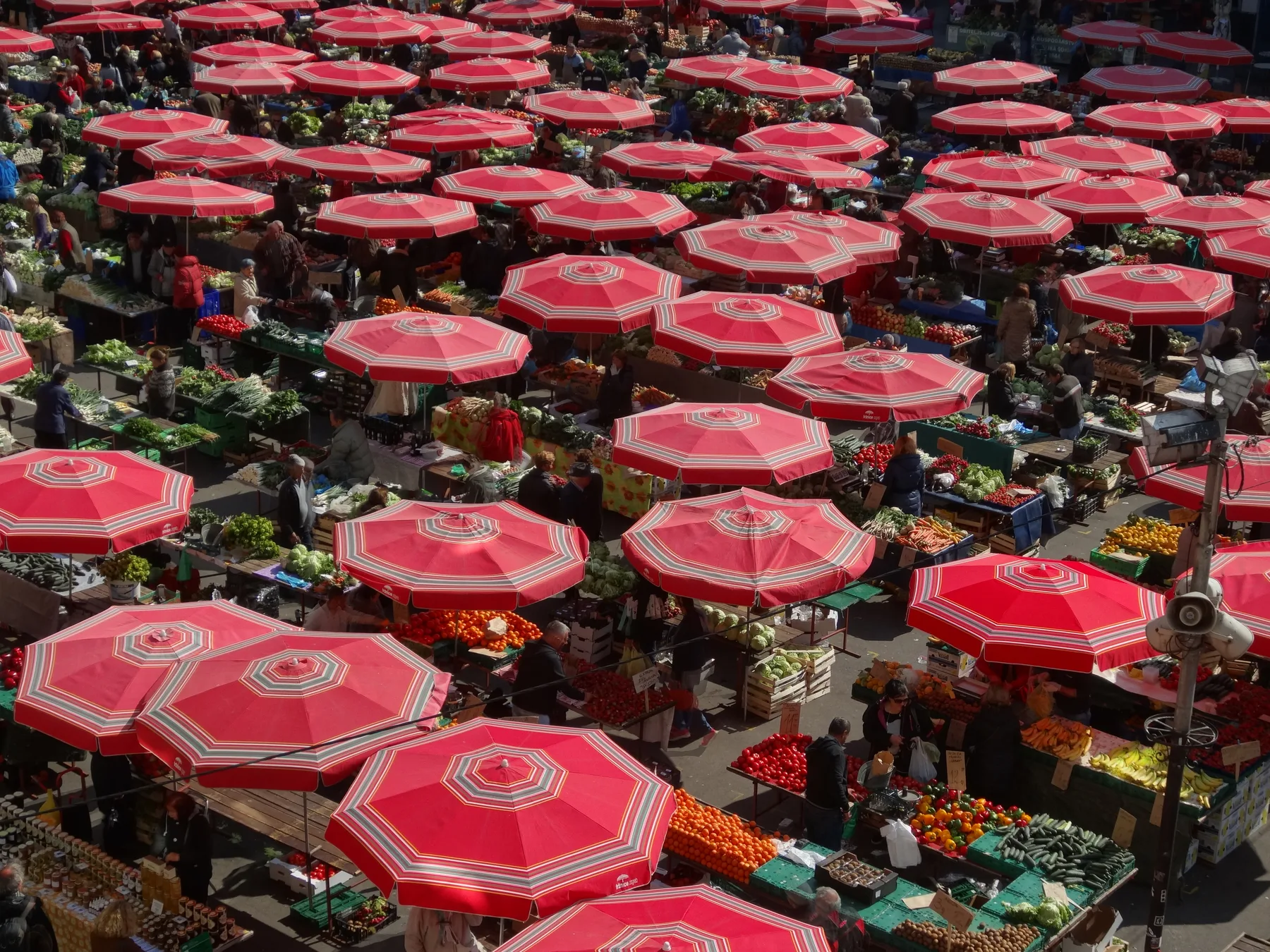
- Morning: Dolac Market browse → coffee terrace (sit longer than you think).
- Midday: one classic comfort lunch (traditional restaurant).
- Afternoon: parks loop (Green Horseshoe) to reset the day.
- Evening: light dinner or just dessert + a long night walk.
Ordering tips (so it stays relaxed)
- If you’re unsure: ask for the house specialties (it’s the easiest way to get the ‘right’ dish).
- In busy seasons: book ahead for dinner at popular places.
- If you want to stay light: order one main and add coffee and a walk as the real ‘second course.’
What traditional Zagreb food should add to the trip
Traditional eating should connect dishes with climate, region and occasion. Štrukli, Zagreb-style cutlet, roasts, stews and pastries are not all meant for the same meal or season.
A route and pace that make traditional Zagreb food work
Try one substantial traditional meal after a walking-heavy day, use Dolac for ingredient context and let a bakery or dessert provide a lighter second encounter with tradition.
The choices, trade-offs and common mistake
Choose a dish whose portion and style fit appetite. Ask what is seasonal or characteristic, then order fewer heavy courses so the meal remains enjoyable rather than performative.
Tradition labels can be broad, and recipe claims vary by region and family. Describe carefully, confirm allergens and avoid presenting one restaurant version as the only authentic form.
Weather, current information and the fallback plan
If the formal restaurant does not fit, choose štrukli, a bakery item or a simple seasonal market meal. Traditional context does not require an expensive multi-course booking.
Treat Zagreb food as regional and layered
Zagreb cooking connects the city with Zagorje and other Croatian regions, household routines, markets, Central European influences and newer restaurant interpretation. ‘Traditional Croatian’ is too broad to explain one plate. Ask which place, community, occasion and period the menu means rather than treating national cuisine as fixed.
A dish can be traditional in family life without being eaten daily, and a holiday food may appear year-round in restaurants. Current tourism material highlights štrukli, roast turkey with mlinci and Zagreb steak, but a shortlist is an entry point, not a canon. Everyday soups, stews and bakery food matter too.
Read štrukli by method and filling
Zagorski štrukli connect Zagreb with neighbouring Zagorje. The Croatian Zagorje encyclopedia traces historical recipe context and recognises boiled and baked traditions rather than one universal plate. Ask whether the kitchen serves them boiled, baked, savoury or sweet and what the current filling contains.
La Štruk’s current operator site focuses on štrukli in central Zagreb, while Mlinarica also publishes its own version and identifies the dish with Zagorje and Zagreb. These are current candidates to verify, not proof that one restaurant owns authenticity. Compare method, texture and context instead of ranking decoration.
Understand mlinci as part of a meal
Mlinci are dried sheets softened and commonly combined with roasting juices; the official Love Zagreb story calls them an iconic item associated with Zagreb and Zagorje and describes their place in holiday meals and ordinary lunch settings. They are not simply generic pasta, and they are often not vegetarian because the roasting juices matter.
Ask what meat or stock the kitchen uses and whether the serving is seasonal. Purica z mlincima connects roast turkey and mlinci, often with Sunday or festive associations. A small tasting may be more useful than ordering several heavy dishes at once. Share only if the restaurant permits and allergens are understood.
Question the promise of authenticity
A rustic room, old font or server costume does not prove an unchanged recipe. Strong evidence comes from ingredients, method, origin and the cook’s explanation. Restaurants adapt portion, plating and supply; families disagree. Ask what this house does and why, then state that variation rather than declaring it the only real version.
Price also does not prove authenticity. A market lunch, mountain hut and hotel dining room serve different occasions and overheads. Compare the whole experience—source, skill, comfort, service and location—without romanticising poverty or treating contemporary Croatian chefs as less legitimate than inherited recipes.
Order a coherent tasting across the stay
Choose one dough or cheese dish, one roast or stew if suitable, one market ingredient and one dessert across several days. Do not stack štrukli, Zagreb steak, turkey with mlinci and cake into one compulsory meal. Rich food, alcohol and heat can overwhelm the very distinctions the tasting was meant to reveal.
Use lunch for a substantial traditional plate, then keep dinner lighter. Ask portion size and share where allowed. Vegetarian, vegan, gluten-free and allergy needs require direct ingredient and cross-contact checks: traditional preparation often includes flour, dairy, egg, meat stock or shared equipment that a translated dish name hides.
Connect the restaurant to Dolac and the city
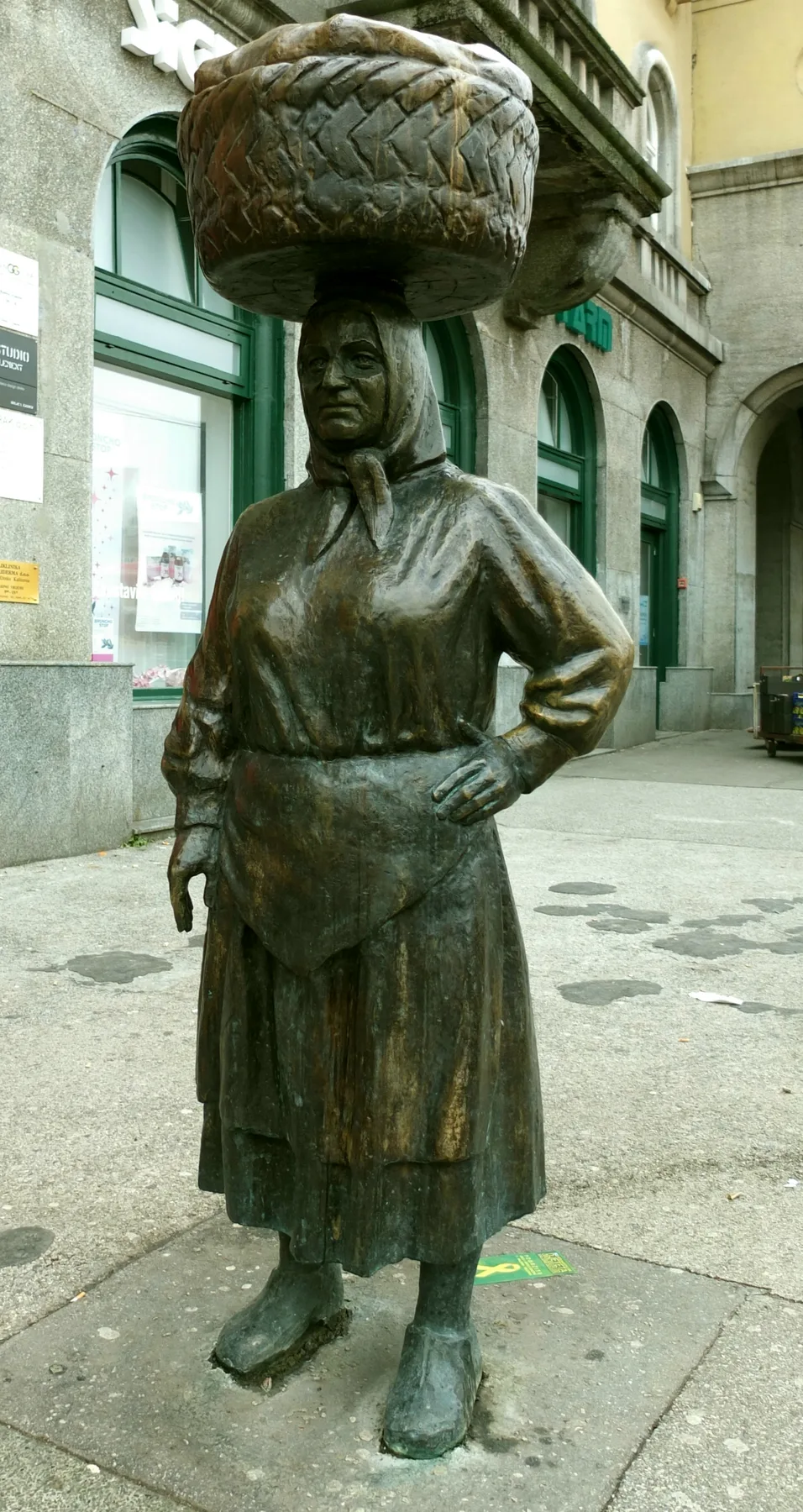
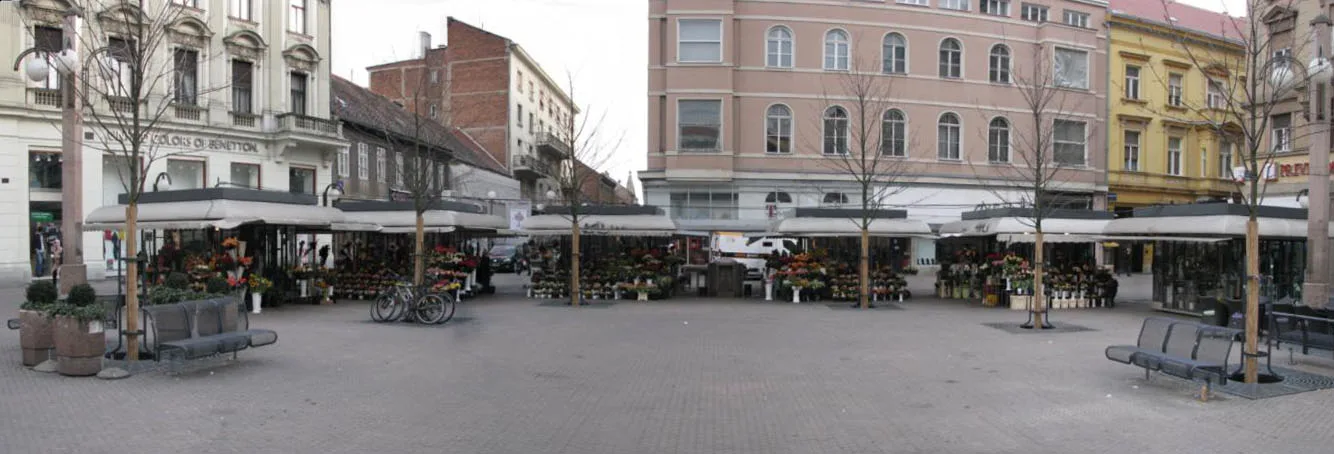
Dolac makes labour, season and ingredient visible, but it is not a performance staged to validate restaurant claims. Browse early, ask before touching, buy modestly and compare what is in season with the menu later. Kumica Barica commemorates market women and should prompt attention to work, not only red umbrellas.
Pair a central lunch with Upper Town or the Green Horseshoe rather than crossing the city for every famous plate. A Zagorje day trip can add a different setting, but choose a verified transport and restaurant instead of driving after wine. Mountain-hut food requires its own weather and access plan.
Use researched hotels for different food occasions
Hotel Capital and Hotel Jagerhorn support central štrukli and Dolac routes; Esplanade offers a historic hotel dining context and published dietary contact; Canopy makes eastern neighbourhood dining easier; Zonar fits a western or non-central food day. The recommendation is about route and occasion, not a guarantee of a specific dish.
Ask the hotel concierge for a current nearby option, then verify the restaurant directly. For a celebration, confirm reservation, cancellation, dress, access and dietary needs. Do not assume a hotel guest receives a table or that a famous dish appears daily. Keep one casual fallback within walking distance.
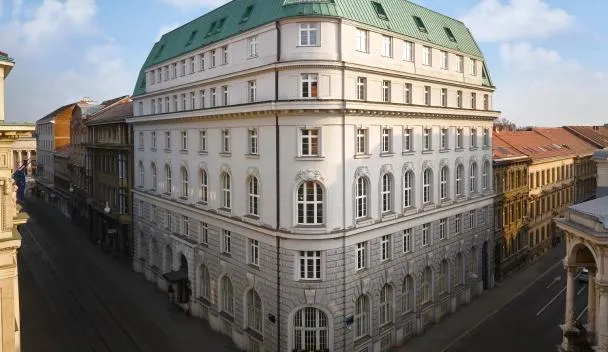
Researched stay
Hotel Capital
Central base for Dolac and short traditional-food routes.

Researched stay
Hotel Jagerhorn
Ilica and Upper Town food-route base.
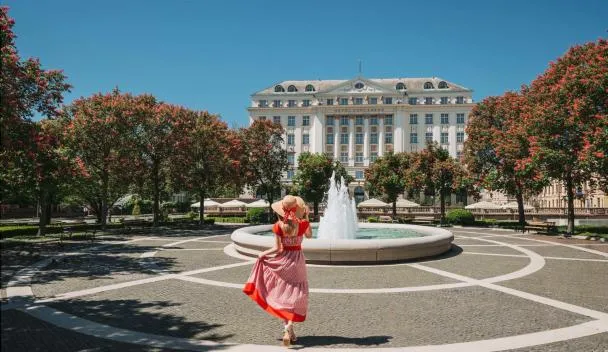
Researched stay
Esplanade Zagreb Hotel
Historic hotel context with dietary contact to verify.
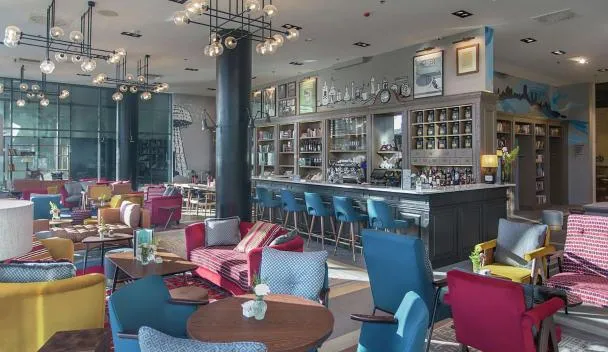
Researched stay
Canopy by Hilton Zagreb
Eastern Lower Town base for a broader dining map.
Record the story without flattening it
Write the Croatian dish name, restaurant, date, method and what staff said. Photograph food quickly without delaying companions or blocking service. Ask before filming kitchens or people. A personal preference—too rich, too soft, unfamiliar acidity—is not evidence that the dish was prepared incorrectly.
When retelling the meal, name the specific regional link and house variation. Avoid claims that Croatians always eat it or that one recipe survived unchanged for centuries unless a credible source establishes that. Food history becomes more interesting when uncertainty, movement and adaptation stay visible. Let the cook’s specific explanation outrank a generic caption copied from elsewhere, and date every operational claim precisely.
Questions people actually ask
What’s the single most ‘Zagreb’ dish to try?
Štrukli is the comfort-food classic that shows up again and again in Zagreb food culture.
Is traditional food in Zagreb heavy?
It can be, which is why it works best as one deliberate meal per day — then balance it with parks, markets, and lighter café meals.
Do traditional restaurants require reservations?
Not always, but on popular weekends and during major events it’s smart to book dinner.