
Why it’s a core Zagreb stop
Zagreb Cathedral is one of the city’s most recognizable landmarks — the kind of place you naturally build a morning around, because everything nearby is walkable: the market, the main square, and the routes up into Upper Town.
Because the cathedral was heavily damaged in the 2020 earthquake, the “experience” has depended on restoration phases. Use this guide to set expectations and rely on official updates for the latest access.
December 2025 update (restoration)
How to visit (simple, respectful)
- Check access and any restricted areas before you go — restoration timelines change.
- Go earlier in the day if you want a calmer visit (and better photos).
- Keep it paired with nearby essentials so the morning feels effortless: market + coffee + a walk.
Build a perfect cathedral-area morning
- Start at Ban Jelačić Square → walk toward the cathedral area.
- Do a cathedral check-in (short, calm, respectful).
- Continue to Dolac Market for a quick browse and snack.
- Finish with a café terrace and an easy walk toward Upper Town viewpoints.
Why Zagreb Cathedral belongs in the day
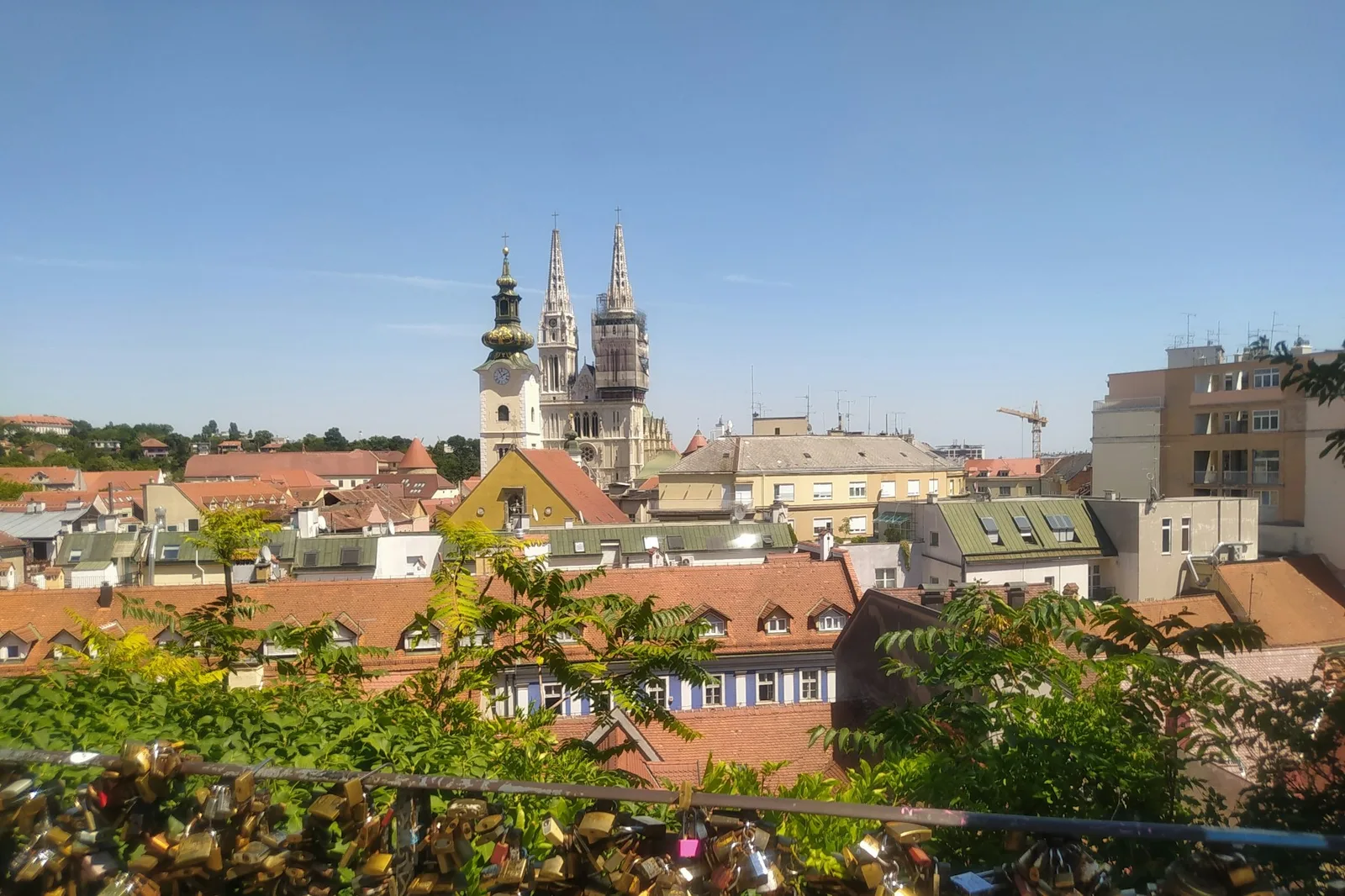
Zagreb Cathedral anchors the Kaptol skyline and the city’s religious geography, even when restoration affects the familiar visitor experience. The site connects faith, architecture, earthquake history and the daily movement between Dolac, Kaptol and the main square.
Begin a central morning in the Cathedral area after Dolac, then continue toward the Stone Gate and Upper Town. This route remains coherent whether interior access is possible or not. Do not cross the city only to discover that a restoration-limited visit differs from an old guidebook image.
What to notice and how to decide
Read the Cathedral together with the open spaces, ecclesiastical buildings and defensive traces around Kaptol. Restoration itself is part of the current city story. Observe barriers respectfully and avoid treating worshippers, workers or restricted areas as obstacles to a photograph.
Access and visible fabric can change substantially during restoration. Consult official church or Zagreb visitor information for the date of travel and respect services, dress expectations and photography rules. Exterior routes may shift, so follow local signs rather than forcing a remembered path.
Prioritise the Cathedral quarter on a first visit because it gives Kaptol essential context. Whether to enter should depend on current access and personal interest. The route still succeeds through Dolac, surrounding architecture and the transition into Upper Town when the interior is unavailable.
Separate structural safety from today’s visitor access
On 9 December 2025, Croatia’s construction ministry reported that urgent works had removed structural safety obstacles to receiving worshippers and that preparations were under way for reopening. That engineering milestone does not create permanent tourist hours or unrestricted access. Use the cathedral and Archdiocese’s current worship notice for the date, then follow barriers and staff at Kaptol. A service can be open to worshippers while ordinary sightseeing remains limited.
Check again shortly before leaving the hotel. Conservation work, liturgy, funerals, security and site logistics can change the entrance or close an area. Do not promise that every nave, treasury, tomb or viewpoint is available because the main doors opened for one Mass. If access is restricted, the exterior, restoration story and Kaptol setting still form a worthwhile chapter.
Use dated images to understand the post-earthquake sequence
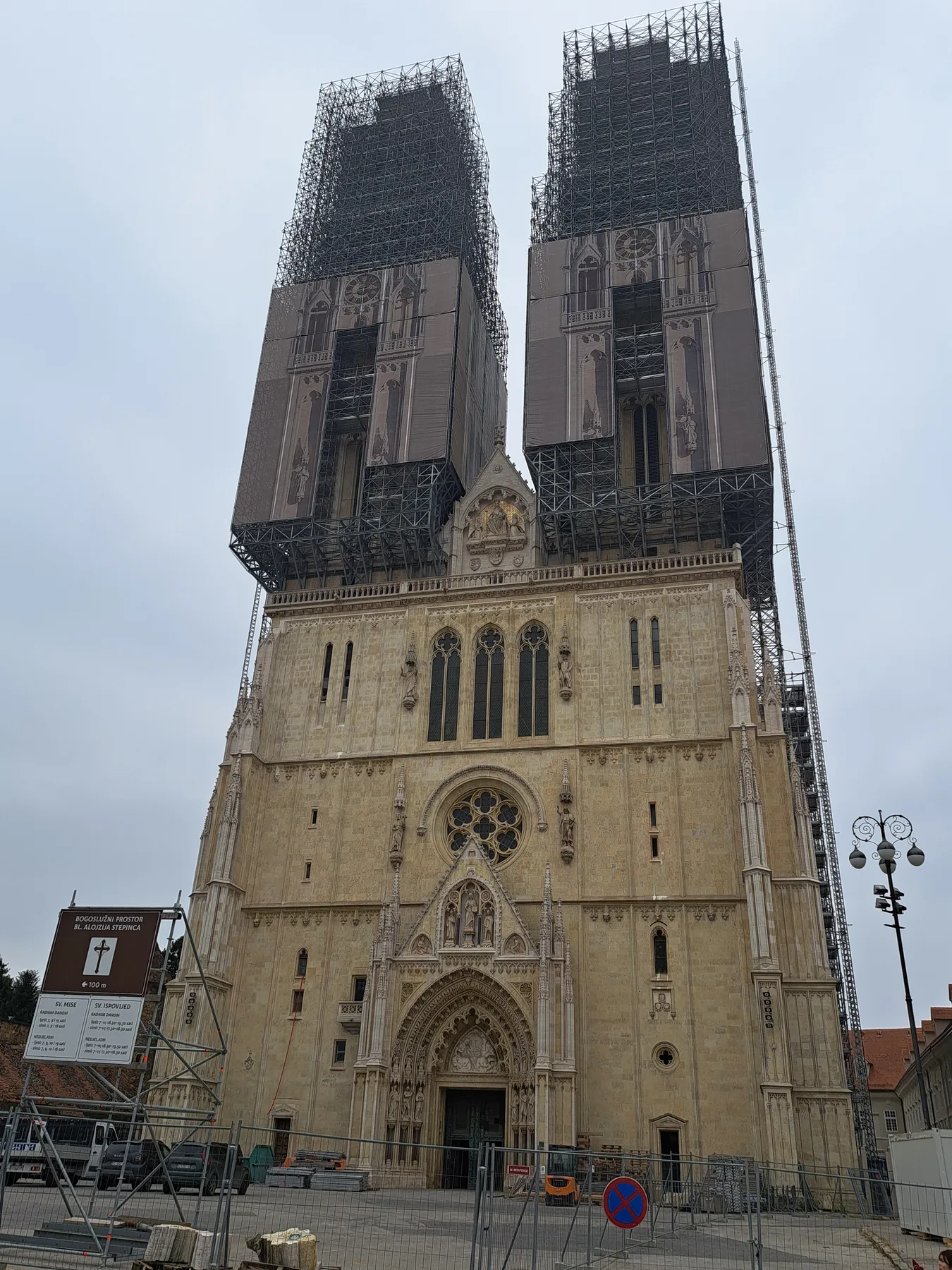
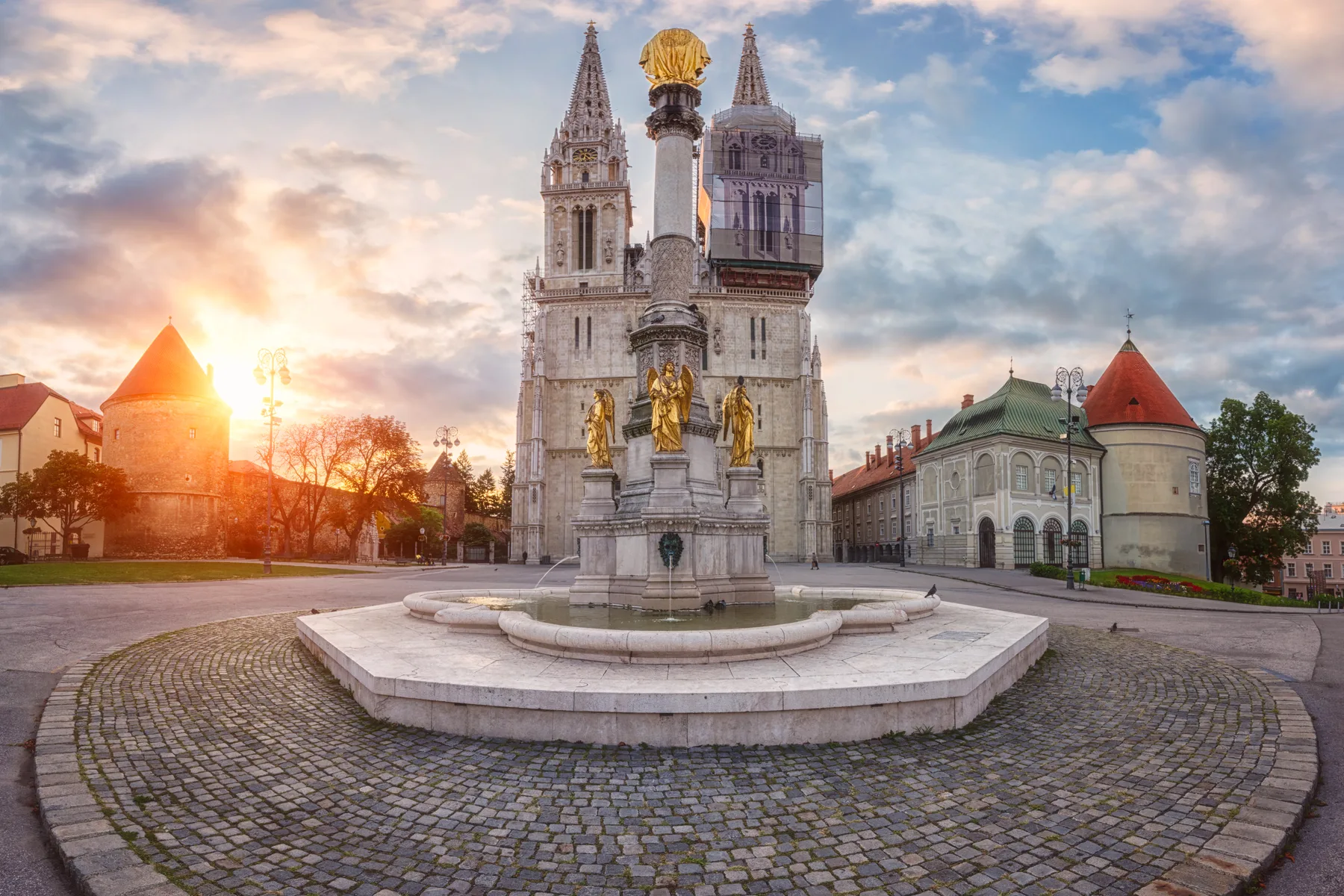
The March 2020 earthquake damaged towers, vaults, walls and decorative stone, leading to closure and a highly complex structural programme. The 2019 sunrise photograph records the pre-earthquake facade; the November 2024 view records towers enclosed for restoration; the ministry’s December 2025 notice records completion of urgent safety measures. These are three dated conditions, not interchangeable illustrations.
Compare them without guessing which visible stone is original, repaired or replaced. Scaffolding can conceal work, and its removal does not mean every conservation phase has ended. Official project information should establish engineering and fabric decisions. A current photograph belongs with its date and access condition so future readers can understand change instead of treating construction as a defect in the visit.
Enter as a cathedral before entering as a landmark
When visitors are admitted, worship determines conduct. Dress respectfully, silence devices and keep conversations outside. Do not walk through a service to reach a feature, occupy prayer seating for photography or treat clergy and worshippers as background figures. If staff reserve an area, accept the boundary. A donation or tourist interest does not confer priority over liturgy.
Check current rules for bags, photography, flash and tripods. Never use lighting around artworks or memorials without permission. Commercial and staged work requires explicit approval. Visitors who do not wish to enter a religious service can read the exterior and return at a public visitor time. The guide should make that choice comfortable rather than implying that entry is necessary to complete Zagreb.
Read the west facade and portal from the permitted route
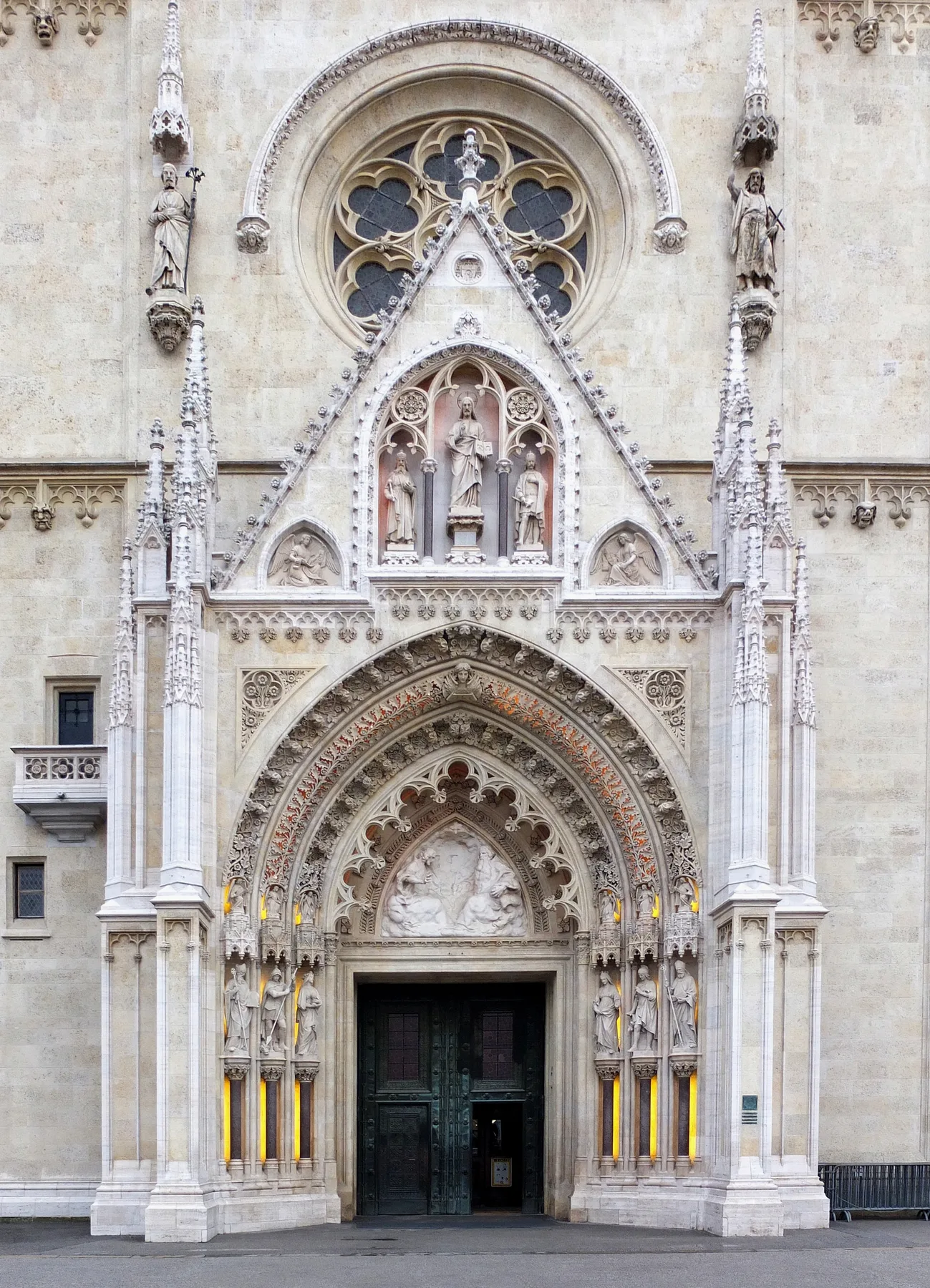
Begin with massing: twin towers, long nave, west front and relationship with the Holy Mary monument and former defensive context. Then move to the sculpted portal only as close as the open public route allows. Identify pointed arches, figures and layered stonework without inventing a complete iconographic reading. Restoration barriers can reveal the building as maintained heritage even when they limit the ideal angle.
Do not climb barriers, touch conservation material or extend a camera into the work zone. The pre-earthquake portal image shows detail that may not be approachable today; its caption says so. If fencing covers the facade, photograph the real condition rather than cropping it into a timeless postcard. A construction phase is part of the cathedral’s history and can be interpreted honestly.
Verify the complete accessible route
Contact the cathedral about the current entrance, step-free route, seating, toilets and service arrangements. A temporary tunnel, ramp or side door can replace the familiar approach during works. Ask whether a companion or wheelchair place needs advance coordination. Do not infer interior accessibility from the relatively open square or from an image taken before the earthquake.
Kaptol paving, crowd barriers and the uphill link from the main square can add difficulty. Stable footwear and an unhurried approach help, while luggage should remain at accommodation or approved storage. People with sound or sensory concerns should avoid major services unless attending intentionally. Identify a quiet meeting point outside the controlled entrance before a group separates.
Keep the construction perimeter and public route safe
Follow every fence, covered walkway, overhead-warning sign and staff instruction. Wind, deliveries and lifting work can change the safe perimeter quickly. Never retrieve an item from inside a barrier or enter through a gate left open for contractors. During severe weather, use official warnings and leave the tall-building perimeter when directed. A closed approach is not an invitation to find a private courtyard view.
Photograph from a stable position without backing into vehicles, worshippers or cyclists. Drones around the cathedral and central city require regulatory and site permission; restoration work adds further safety and privacy concerns. Keep children directly supervised. If a queue forms, take the exterior frame after the visit instead of stopping the entrance line.
Build one Kaptol and market route
Use Ban Jelacic Square for orientation, Dolac for the live market condition and the cathedral for a current exterior or worship visit. Continue to Tkalciceva or Upper Town only if bags, weather and access suit. Do not weave repeatedly between cathedral and market to chase photographs. One direction preserves attention and avoids carrying food into a sacred interior.
Hotel Capital supports a compact central and Kaptol route; Hotel Jagerhorn works for Ilica and the lower Upper Town transition; Boutique Hotel HOH is an Upper Town base with different slopes. Verify the exact room, bells, construction noise, vehicle access and worship timetable. A cathedral view should be confirmed for the booked room and date rather than inferred from a property map.
Questions people actually ask
Is Zagreb Cathedral open to visitors right now?
Access depends on restoration phases. Use official updates before your visit and expect occasional restrictions.
What’s the easiest way to combine it with other sights?
Do it as a morning loop: Ban Jelačić Square → cathedral area → Dolac Market → coffee → Upper Town viewpoints.