
Pick a season by vibe
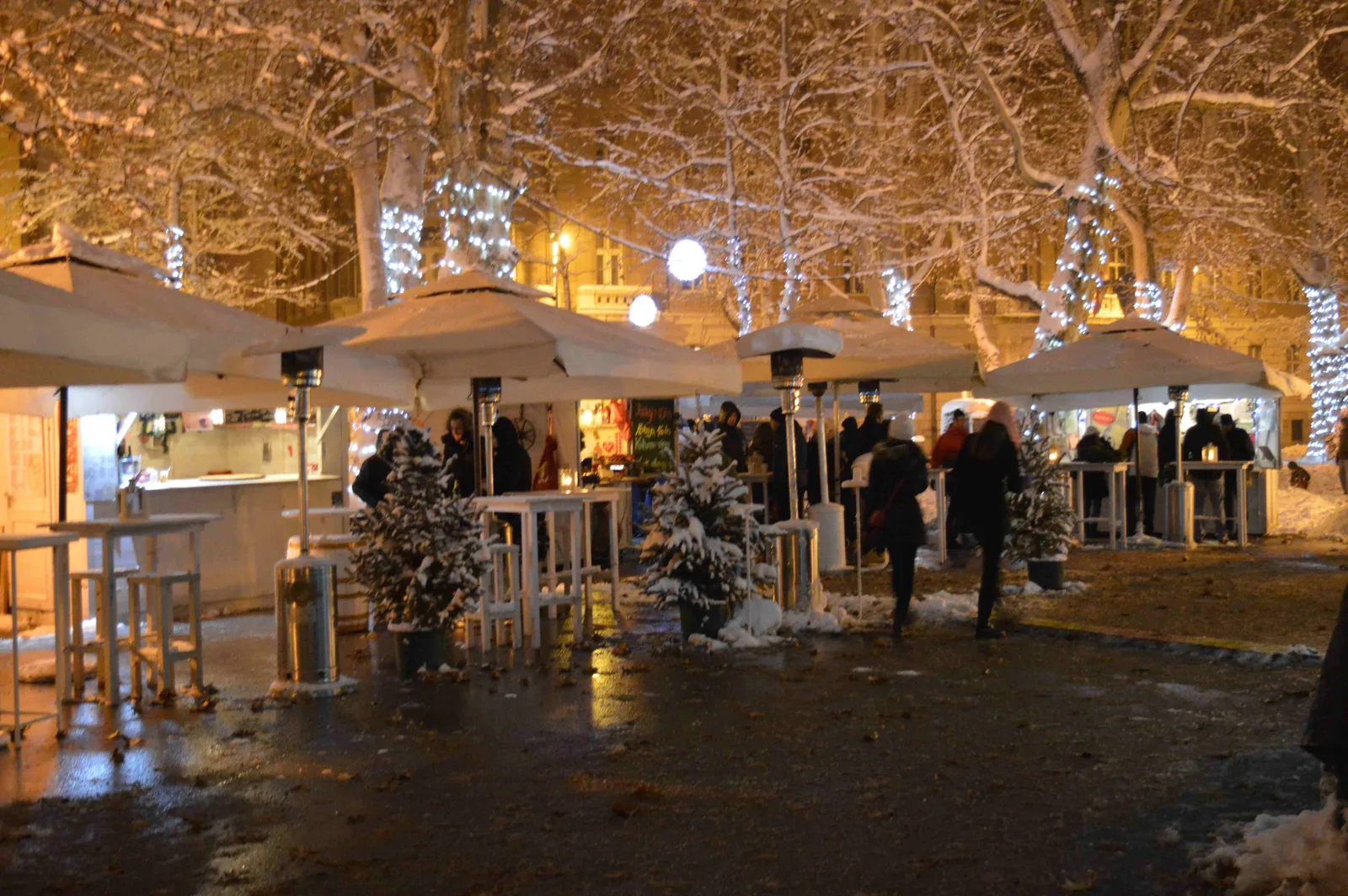
- Winter (late Nov–early Jan): Advent lights, cozy cafés, festive mood.
- Spring: comfortable walking weather + the Festival of Lights atmosphere.
- Summer: late sunsets, Jarun energy, outdoor festivals.
- Autumn: calmer streets, great light, and a more local rhythm.
The sweet spots (best balance of weather + crowds)
If you want Zagreb at its most effortless, aim for the shoulder seasons. You get comfortable walking days, lively terraces, and fewer “headline-event” crowds.
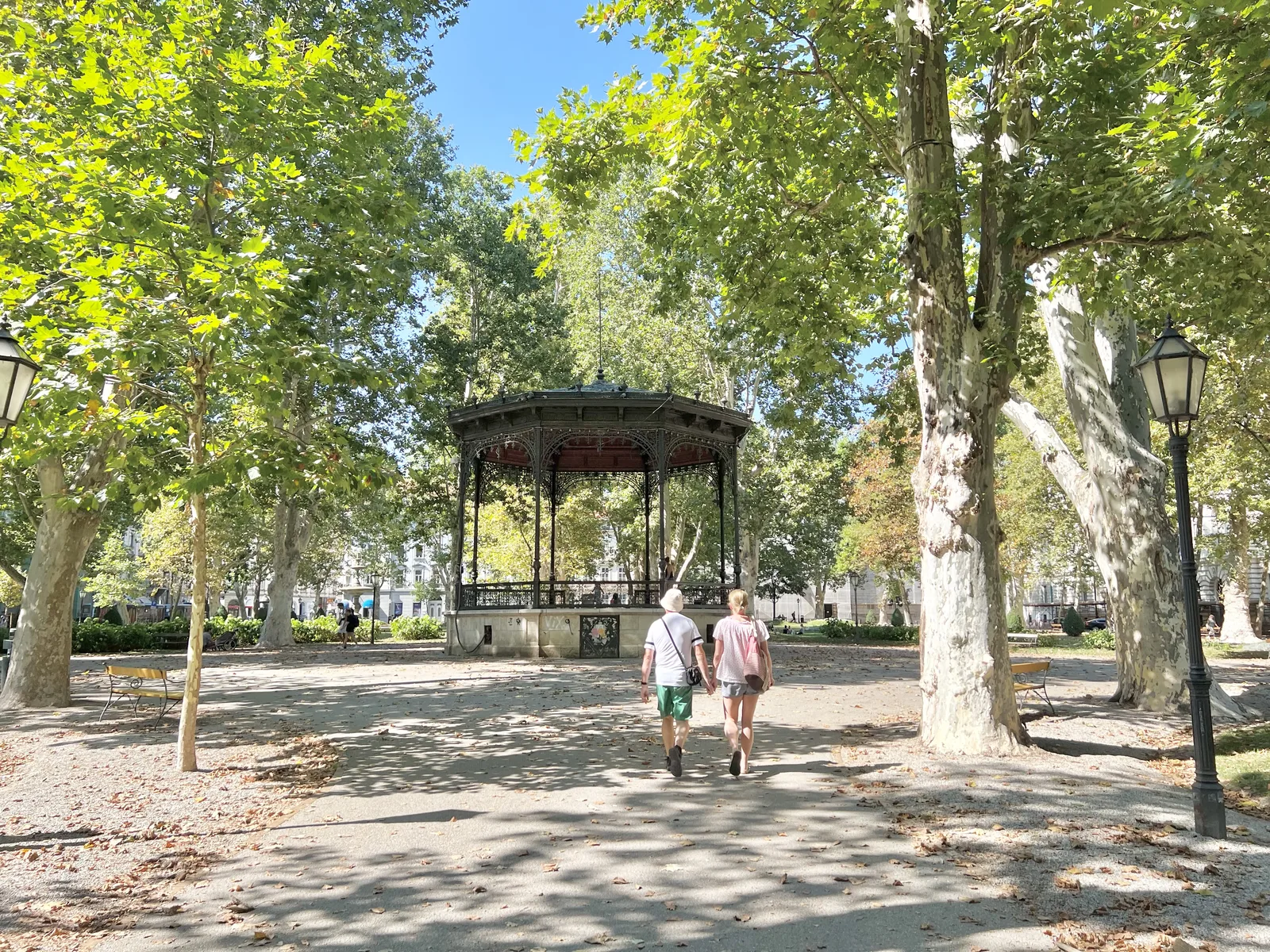
- Spring: parks look fresh, walking feels easy, and evenings can include light installations if your dates align.
- Early autumn: long walks, golden light, and a calmer rhythm that feels more local.
If you want romance
Zagreb is romantic year-round, but winter lights and shoulder-season calm often feel the most “movie-like.”
If you want festivals and events (plan your nights around one)
Zagreb is at its best when you have one great evening plan — then you keep daytime flexible for parks, coffee, and museums.
- Advent (late Nov–early Jan): Zagreb’s most famous seasonal atmosphere.
- Festival of Lights (March): projections and installations across the center.
- Summer festivals: terrace nights, concerts, and lakeside energy around Jarun.
Summer vs winter (how to plan your days differently)
- Summer: do big walking routes early/late; use museums and cafés as midday anchors; save Jarun for golden hour.
- Winter: shorten daytime walks; plan museums and cozy cafés; treat evenings as the main ‘atmosphere’ time.
If you want easy planning
- A 2–3 day trip works in every season — just swap parks for museums on rainy or cold days.
- For major events, book accommodation earlier and keep dinner plans flexible.
What choosing when to visit Zagreb should add to the trip
Choose the season by desired experience: outdoor café and park time, Advent atmosphere, cultural programme, lighter crowds or a day-trip landscape. No month optimises every factor.
A route and pace that make choosing when to visit Zagreb work
Build the seasonal priority into each day’s timing—summer mornings, winter indoor anchors, spring park flexibility or autumn layers—while keeping the historic core consistent.
The choices, trade-offs and common mistake
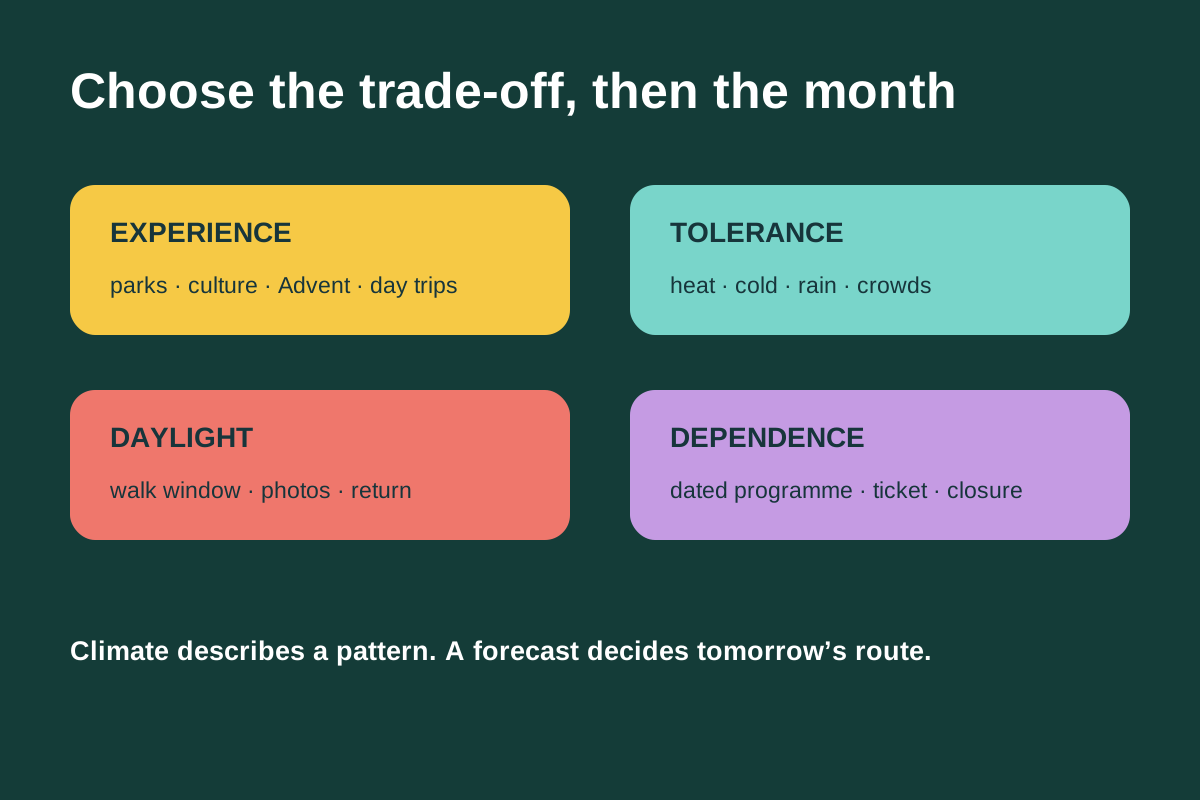
Compare weather tolerance, daylight, event dependence, budget and whether Zagreb is a standalone trip or gateway. A quieter shoulder period can outperform peak dates for flexible travellers.
Climate averages are not forecasts, and event dates or closures change yearly. Check live conditions and the current programme before making non-refundable plans.
Weather, current information and the fallback plan
Pack layers and keep one indoor–outdoor swap for every day. The city remains viable year-round when the itinerary can move its longest walk to the best weather window.
Separate climate, forecast and event calendar
DHMZ publishes long-term Zagreb-Grič measurements and explains climate normals as multi-decade averages. Those sources help compare seasons; they do not predict a traveller’s Tuesday. Use climate to choose broad tolerance, a forecast to time the day and the responsible organiser to prove an event.
Avoid promises such as snowy Advent, dry September or guaranteed spring blossoms. Historic extremes show that unusual heat or cold can occur outside the expected story. Book a season for several compatible experiences, then preserve one indoor–outdoor swap every day.
Choose winter for atmosphere with operational limits
Winter supports museums, cafés, warm meals and evening lights when a current Advent or cultural programme aligns. Short daylight, wet stone, cold and holiday closures make compact routing important. Snow is a possibility, not the product; a snowy archive photograph cannot guarantee conditions for a future booking.
Verify the exact year’s event dates, locations and tickets before buying non-refundable travel. Place Upper Town in the best daylight, a museum in the least comfortable hours and the evening programme near dinner and the hotel. Later winter can suit travellers who prefer a quieter cultural break over a headline festival.
Choose spring for flexibility, not a fixed bloom date
Spring can combine the Green Horseshoe, Botanical Garden, Maksimir and terrace time with a strong museum fallback. Rain, cool evenings and sudden warm spells make layers more useful than a seasonal costume. Blossoms and garden conditions respond to the year’s weather rather than a travel article’s week.
A Festival of Lights or another spring event needs the current organiser page; past dates belong to the past edition. Build the trip so parks and longer walks remain worthwhile without the event. Move Maksimir to the clearest half-day and keep Lower Town culture close when showers persist.
Choose summer for evenings while managing heat
Summer works through early market and Upper Town walks, shaded midday breaks, museums or a hotel reset, then a later return to streets or Jarun. Long light supports evening movement, but it does not remove heat, ultraviolet exposure, storms or hydration needs. Check venue cooling rather than assuming every old building is comfortable.
Use Jarun or an outdoor festival only with current water, weather, event and transport information. A large event can change rooms, fares and routes; an ordinary summer week may feel calmer. Remove the most exposed midday leg before sacrificing the evening that motivated the season choice.
Choose autumn by early or late conditions
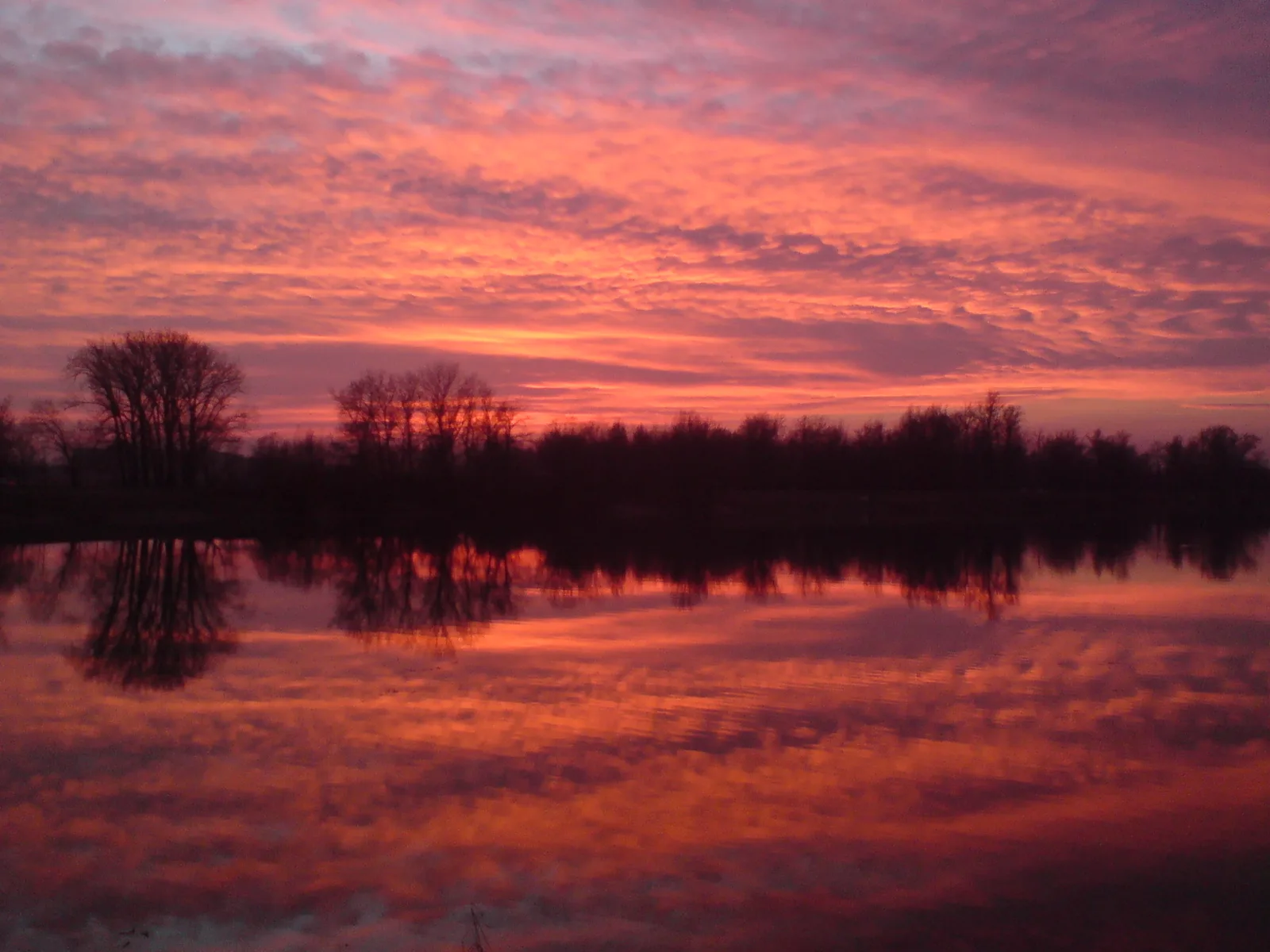
Early autumn can retain warm days and outdoor evenings; later autumn brings shorter daylight, more layers and a greater chance of damp surfaces. Treat them as different planning periods. Maksimir and the Green Horseshoe can provide colour, but leaf timing and weather are not guaranteed inventory.
Autumn suits travellers who want walks, cultural programming and food-led evenings without depending on one festival. Put parks in the clearest daylight, move indoors before dark wet surfaces become tiring and retain waterproof footwear. Verify seasonal menus and exhibitions rather than assuming they repeat unchanged.
Choose by the trip’s non-negotiable
For parks and long walks, prioritise tolerable temperature and daylight. For museums, compare closure days and exhibition dates. For Advent or a concert, let the official programme lead. For day trips, check the destination’s own season, transport and access rather than applying Zagreb weather to mountains, castles or lakes.
Families may value school calendar and outdoor recovery; disabled travellers may need stable surfaces, lift confirmation and lower heat; photographers may favour light but still need lawful access; budget travellers may accept quieter dates. There is no best month independent of the person and purpose.
Use hotels to reduce the seasonal penalty
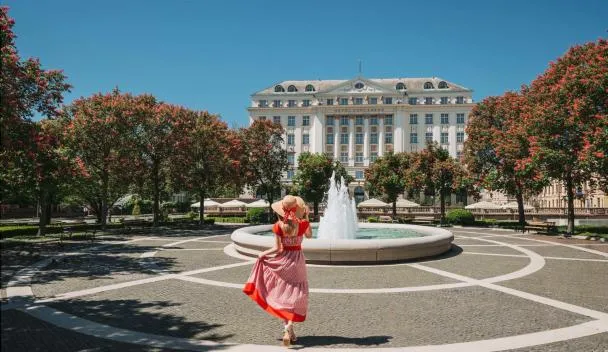
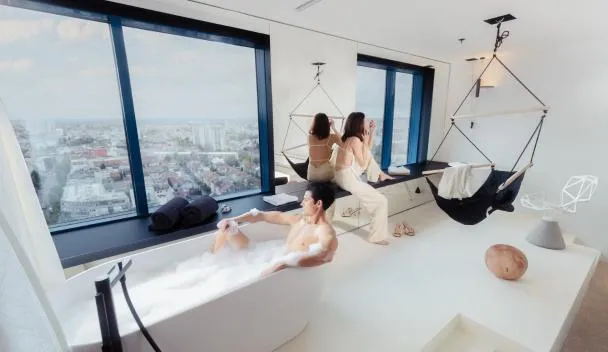
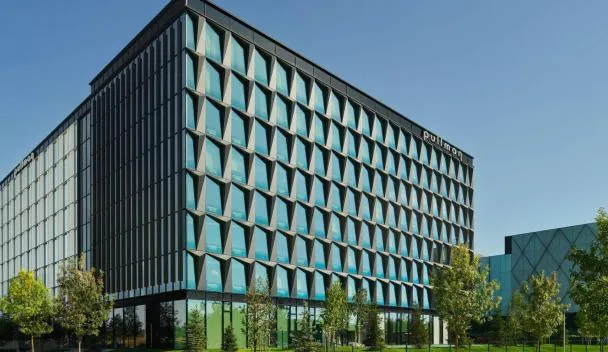
Hotel Jagerhorn and Hotel Capital shorten historic-core transitions; Esplanade supports Lower Town culture and the Green Horseshoe; Canopy supports station arrivals and eastern routes; Zonar supports western Zagreb and Jarun; Pullman supports Novi Zagreb. A compact base matters more in winter rain or summer heat than a small map distance suggests.
Confirm air conditioning or heating control, the exact room, lift, breakfast, cancellation and quiet conditions. Do not infer a skyline, terrace, pool or seasonal package from hotel category. Flexible terms can be more valuable than the lowest prepaid rate when the trip depends on weather or an event.

Price the complete seasonal trip
Compare room, transport, event ticket, cancellation, clothing needs and day-trip feasibility—not only the headline nightly rate. Peak programmes may add value for someone attending them and only crowd a traveller who is not. A cheap outer room can lose its saving through repeated late or weather-exposed transfers.
Book the scarce non-negotiable first, then accommodation with suitable terms, then ordinary meals and museums closer to travel. Do not reserve every hour around a forecast months away. A buffer budget and one free public-space route make a disrupted day easier to repair.
Monitor the decision after booking
Record the event organiser, venue, transport operator, hotel and DHMZ pages. Recheck programme changes before cancellation deadlines, then check the forecast and service notices close to travel. Save tickets and hotel details offline without treating screenshots as permanent schedules.
If the defining event is cancelled, decide whether the city’s remaining parks, museums, food and neighbourhoods still justify the dates. If yes, redesign the days; if no, use the agreed terms. Update this guide with a visible evidence date and remove past editions rather than rolling their dates forward.
Questions people actually ask
What’s the best month to visit Zagreb?
For most travelers, spring and early autumn are the easiest: comfortable walking days and fewer big-event crowds. Winter is best for Advent lights; summer is best for late evenings and Jarun.
When is Advent in Zagreb?
Advent dates change each year, but it typically runs from late November into early January. Check the official Advent Zagreb site for the current season’s dates and program.
Is Zagreb worth visiting in winter if it’s not Advent?
Yes. Winter Zagreb is cozy: museums, cafés, quieter streets, and a romantic city-at-night feel — just plan shorter walks and warmer breaks.