
Why Advent in Zagreb is special
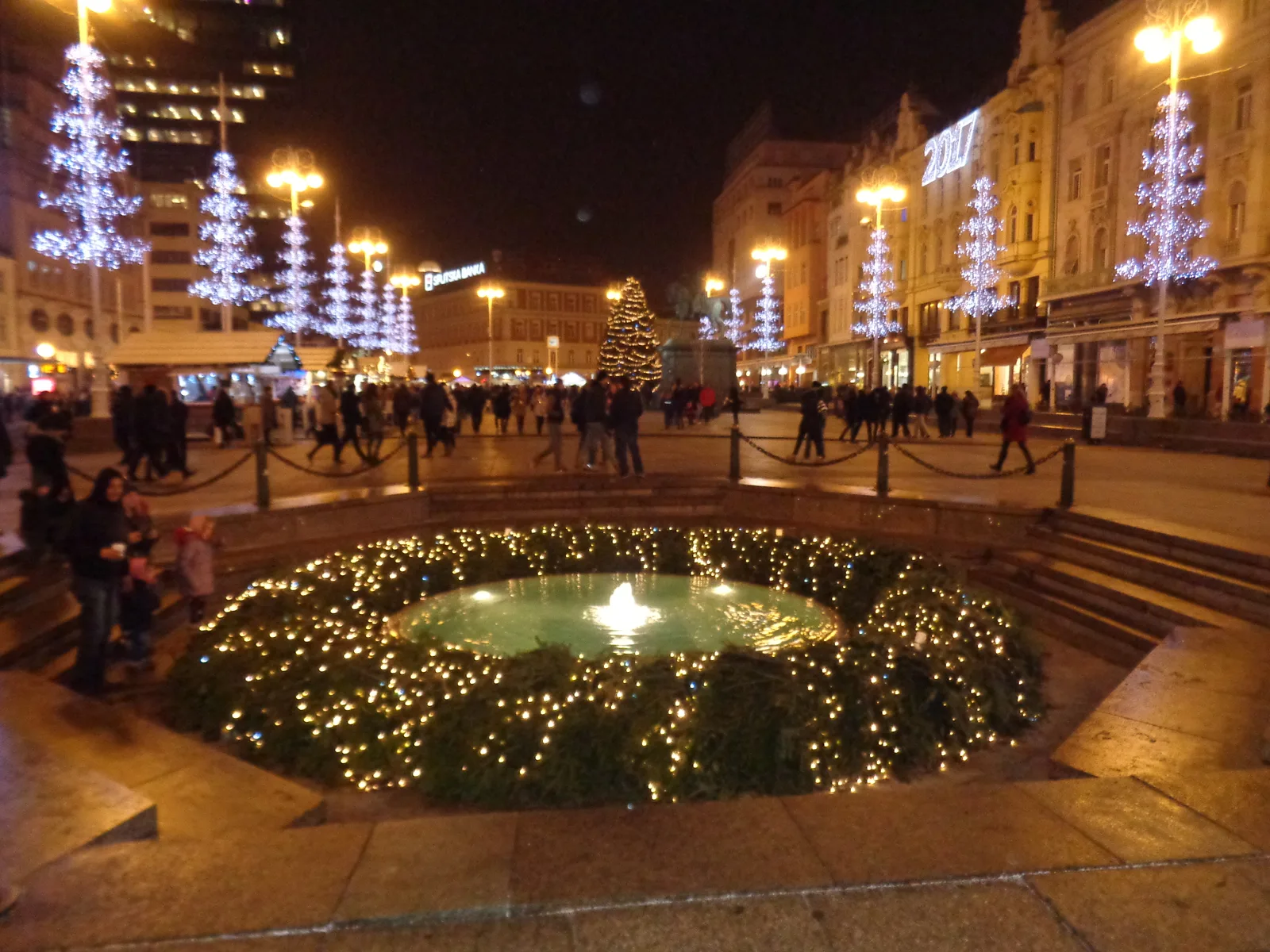
Zagreb’s Christmas season isn’t confined to a single square — it spreads across the city center with lights, music, stalls, and pop-up experiences that make even ordinary streets feel cinematic.
How to do Advent like a local (a simple route)
- Start with an early dinner (it gets busy later).
- Do a slow lights-and-stalls loop through the center.
- Warm up in a café halfway through.
- Finish with a night walk — the city is at its most magical after 9pm.
What to prioritize
- Atmosphere over “seeing everything”: pick 2–3 areas and enjoy them fully.
- A warm café stop: it turns a cold evening into a cozy memory.
- A viewpoint or Upper Town moment: the lights from above feel different.
If you’re visiting as a couple
- Do Advent as a “walk date”: one drink, one sweet, one viewpoint, one long stroll.
- Book a dinner that fits the mood, then use the market as the after-dinner plan.
Official info
What Zagreb’s Christmas market should add to the trip
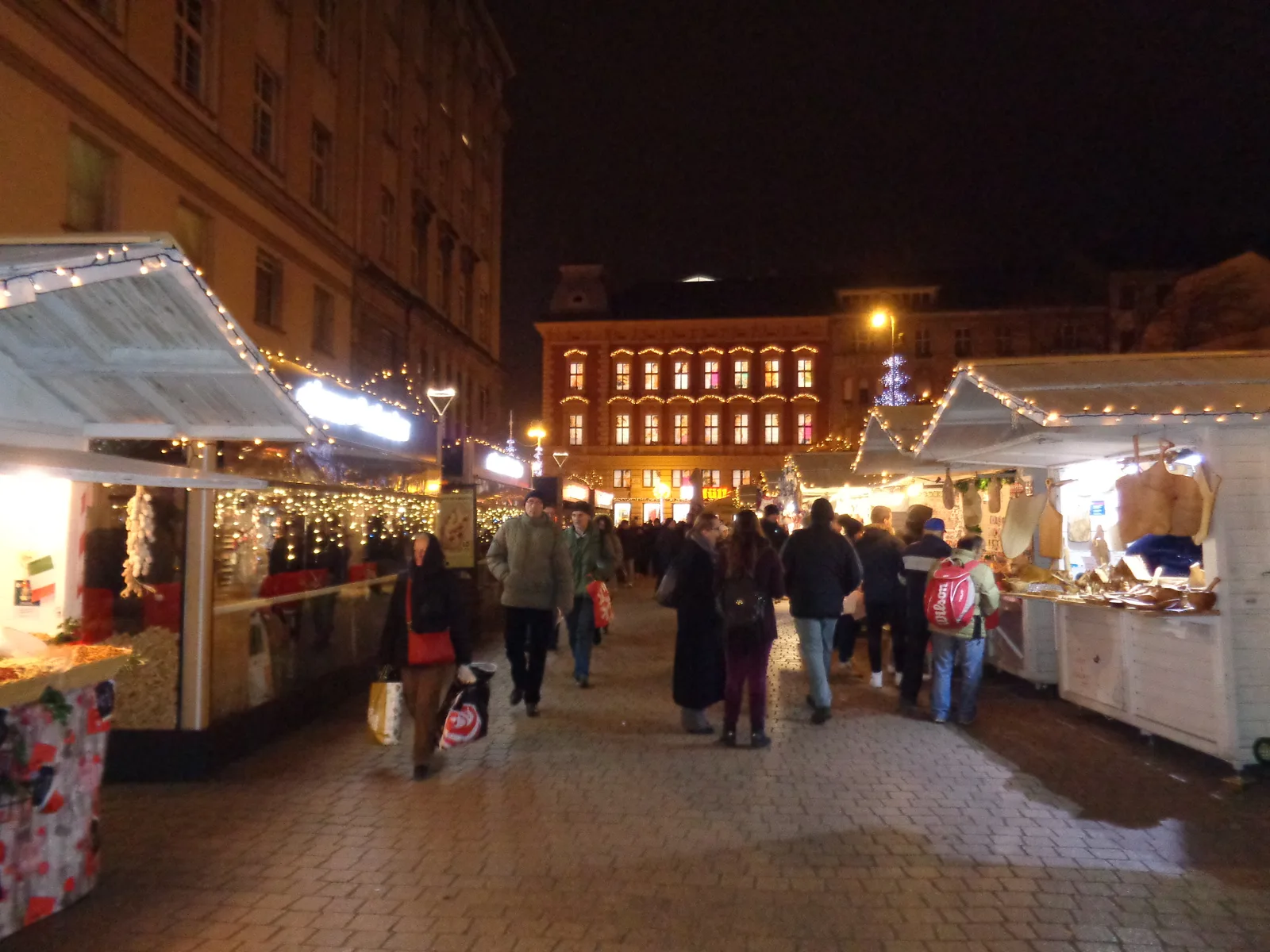
Advent in Zagreb is a city-centre atmosphere made of multiple squares, lights, food, music and seasonal movement. Treat it as an evening route with selected stops rather than a single fenced market to complete.
A route and pace that make Zagreb’s Christmas market work
Begin around Lower Town as lights come on, choose two programme areas and finish near the hotel or reserved dinner. Revisit a favourite on another night instead of crossing the full event footprint at once.
The choices, trade-offs and common mistake
Choose the live programme, food area or calmer visual route that suits the group. Families and couples may want different times and crowd levels, while repeat visitors can prioritise smaller programme strands.
Official dates, locations, vendors, tickets and transport changes are year-specific. Use the current Advent programme and avoid carrying claims from a previous edition into the next season.
Weather, current information and the fallback plan
Cold rain or crowd fatigue can be handled with a nearby museum, café or early dinner, then a shorter lights loop when conditions ease. Do not let prepaid food or a viral stall dictate the evening.
Start with the current programme, not an old market map
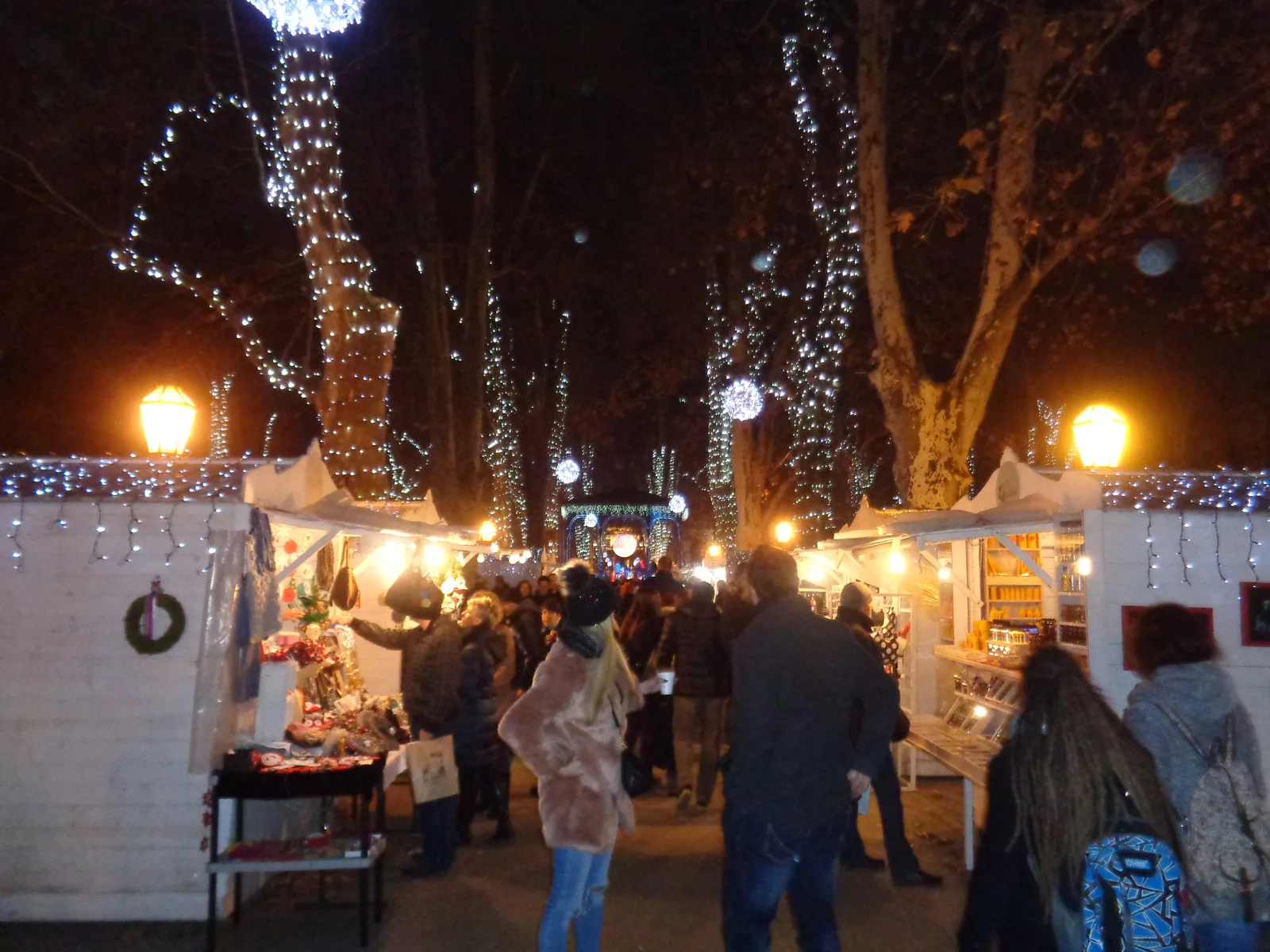
Advent Zagreb is a seasonal programme spread across public spaces, not a single permanent market. Locations, stages, food areas, family events and operating dates can change between editions. Open the official programme for the year of the trip and save the date-specific page, then mark only the events that genuinely matter. A photograph from Zrinjevac or Europe Square proves atmosphere, not that the same cabin, concert or skating feature will occupy that space next winter.
Separate three layers: installations and public-space lights that can be enjoyed while walking; stalls or attractions with their own opening conditions; and timed performances that create a fixed commitment. Build the evening around at most one timed item. Everything else can remain a flexible route that contracts when it is cold or crowded. Recheck the official programme on the day for cancellations, changed access or weather notices, and use organiser or venue information rather than a copied third-party calendar.
Build a loop with three easy exits
Ban Jelačić Square is the obvious orientation point, while Zrinjevac and the connected Lower Town parks allow a longer, flatter extension. Europe Square can connect the central pedestrian streets with the eastern side of the centre. Treat those as a planning skeleton rather than a promise of current attractions. Pick a start near dinner or accommodation, move in one direction and finish near a tram stop, taxi pickup or the hotel. A loop prevents the cold final retracing that makes a festive night feel like transport.
Give the route three exits: a short version after the main square, a medium version through one illuminated park and a long version that adds another official zone or Upper Town. Families and mixed-mobility groups should agree on the exit points before the crowd thickens. Keep meeting locations static and obvious—hotel reception, a named building entrance or a staffed venue—not ‘beside the large tree,’ because temporary decorations repeat and move. Download the central map in case mobile service slows during a headline event.
Eat deliberately instead of grazing by accident
Market food is most enjoyable as a chosen tasting, not the only dinner plan for a cold evening. Scan several menus, check the displayed price and portion, then buy the item that is distinctive enough to justify eating outdoors. A warm seated meal before the main loop protects energy and gives children or older travellers a reliable base. On the busiest nights, reserve dinner where the restaurant accepts reservations, or eat earlier and let one sweet or savoury stall become the spontaneous extra.
Ask about allergens at the stall before ordering; a short menu does not mean cross-contact is controlled. Keep one payment method accessible but secure, confirm whether the vendor accepts card, and read the total before tapping. Carry rubbish until a suitable bin appears, return reusable cups according to the operator’s current system and do not balance hot drinks on a monument edge. Alcohol should remain optional and moderate, especially when cold can mask its effect and the walk home includes steps or slippery paving.
Crowds, children and access require a quieter plan
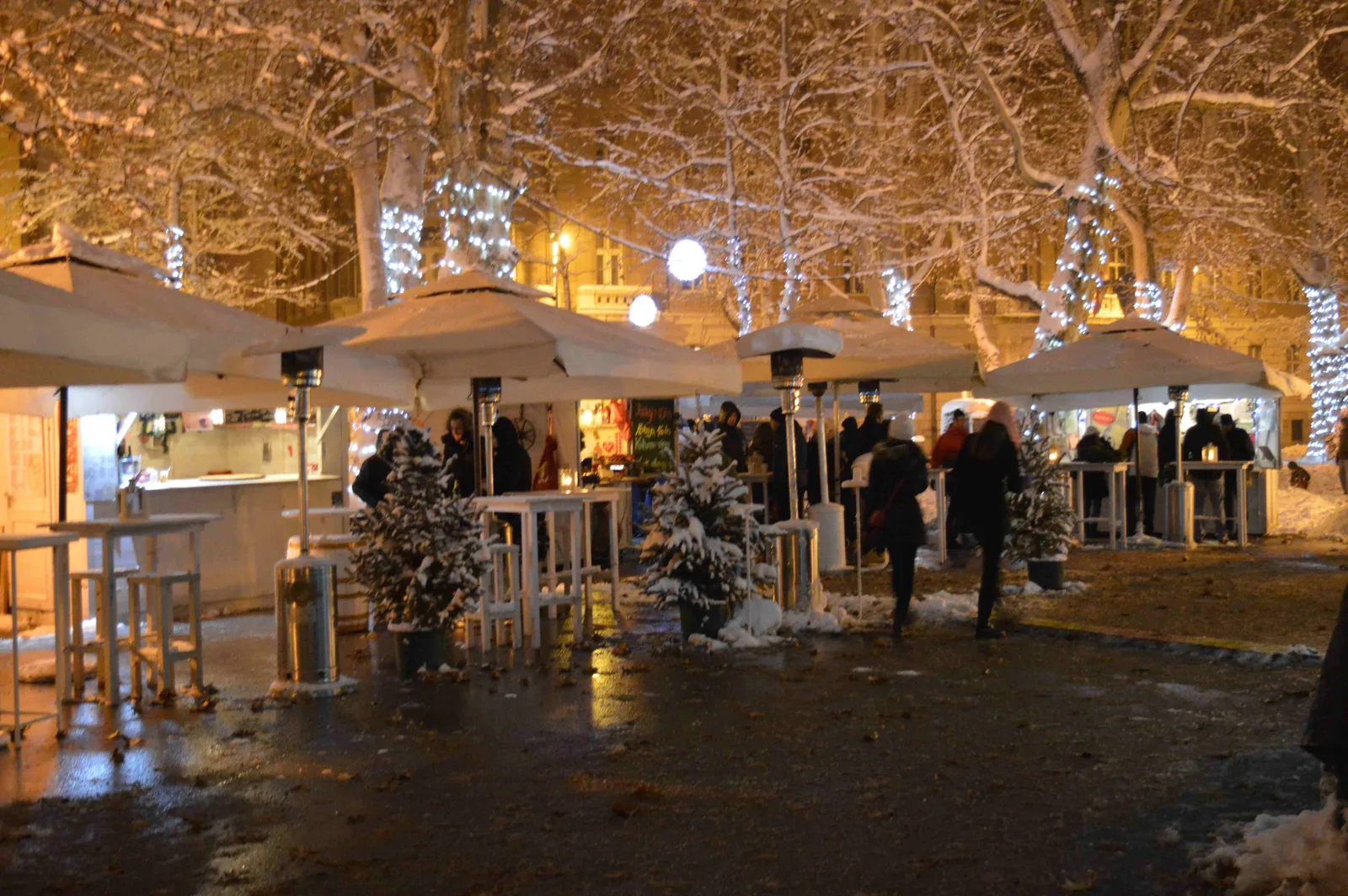
Dusk on a weekday can deliver the lights with more circulation space than a headline weekend concert. Arrive before the peak, photograph the first zone while the group is fresh and leave before fatigue turns every queue into a problem. A stroller may fit a broad park path but become difficult at a dense stall lane, temporary cable cover or tram crossing. Wheelchair users should check the official access details for the exact programmed venues and identify a step-free alternative between Lower and Upper Town rather than improvising at the hill.
Give children a visible contact card and make a lost-person plan before entering a crowd. Keep bags closed in front of the body when circulation compresses, but avoid treating a festive centre as inherently dangerous. The larger risk is separation, cold, traffic at the edge of pedestrian zones or a hurried street crossing. Use marked crossings, obey temporary barriers and never stop the group on tram tracks for a photograph. If one member is overloaded, the planned café or hotel return is a successful endpoint, not a failed evening.
Dress for stopping, not only walking
A forecast temperature understates how cold a market evening can feel because the group spends long periods standing. Wear a breathable base, warm mid-layer and wind- or rain-resistant outer layer that can be opened inside a café. Gloves that allow card or phone use reduce the temptation to carry them, while shoes need grip for wet stone and enough room for warm socks. Bring a compact umbrella only when it can be used without striking people in a dense crowd; a hood is often easier.
Rain does not automatically cancel the night, but it should shorten the outdoor commitment. Ice, strong wind or an organiser warning can. Photograph lights without blocking the route: step to an edge, take the frame and move on. Do not climb street furniture or place a tripod across circulation. Batteries drain faster in cold weather, so carry a charged power bank close to the body and keep the hotel address available offline. The lasting image matters less than a safe, warm return.
Budget for choices, not an invented admission price
Walking through decorated public space may cost nothing, while food, drinks, rides, skating, concerts or special attractions can have separate charges and reservation rules. Check the current operator page for any paid component; do not assume that an old social post proves this season’s price or that every event bearing the Advent name is free. Set a per-person tasting budget before the first stall and keep transport plus a warm indoor meal outside it.
Locate a public toilet or reliable staffed fallback before the route begins, particularly with children. Bring a small euro reserve without assuming cash is required everywhere. Keep receipts for deposits or prepaid attractions and photograph collection instructions when renting equipment. The market does not need to be a shopping mission: one carefully chosen object from a named maker has more value than several anonymous souvenirs bought because the group was cold and the stall was directly ahead.