
Winter Zagreb, explained
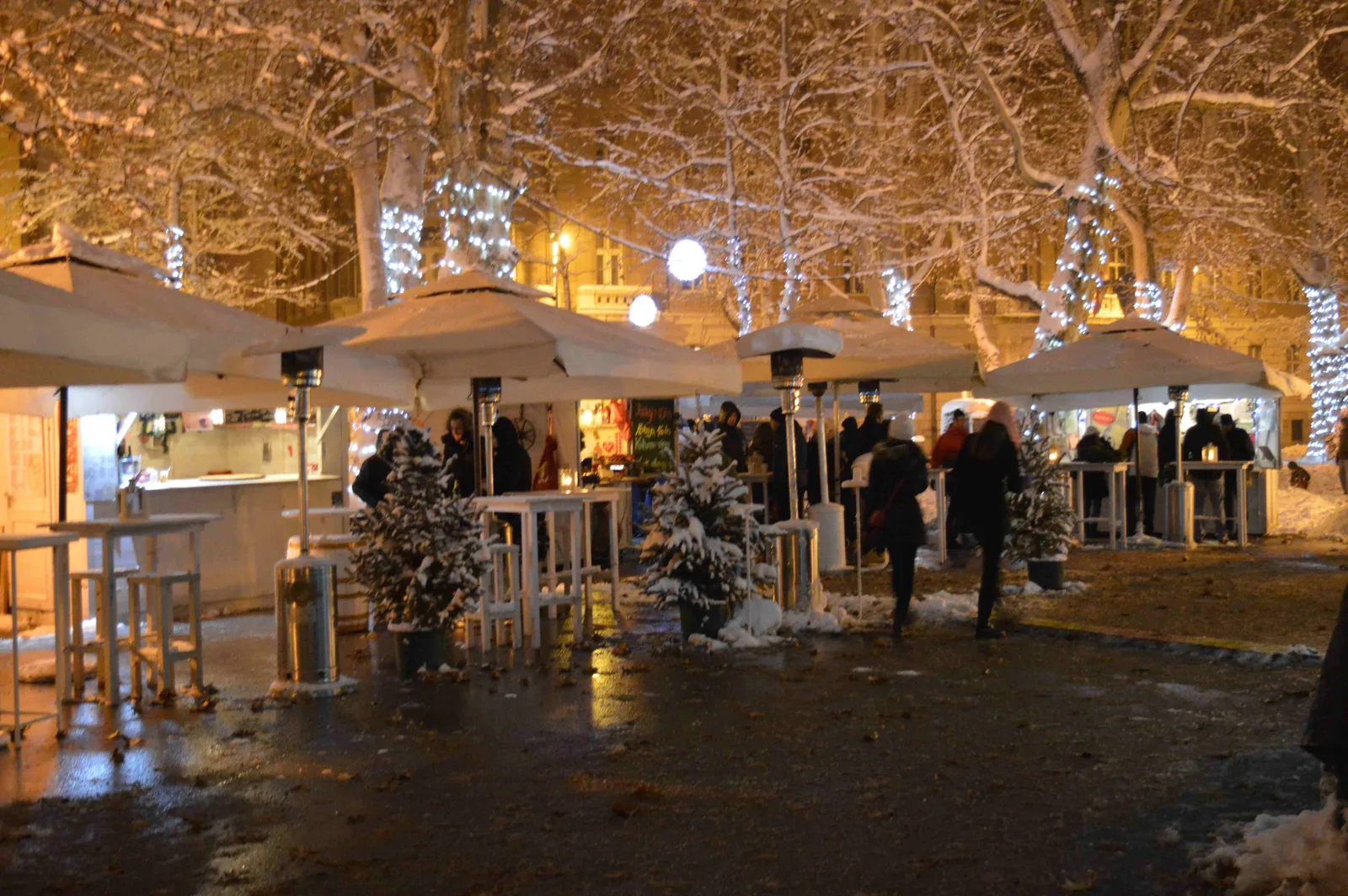
Winter is when Zagreb feels most cinematic: lantern-lit streets, warm cafés, and the city’s famous Advent season turning the center into a walkable festival of lights.
Plan shorter daytime walks, then treat evenings as your main “atmosphere” time.
Advent: the essential planning idea
- Eat early (it gets busy later).
- Do a slow lights loop in the center.
- Warm up in a café mid-walk.
- Finish with a night stroll through the quieter streets.
A perfect winter day (simple template)
- Morning: museum + long coffee.
- Afternoon: Upper Town sights + viewpoints (shorter loop).
- Evening: dinner + Advent lights + night walk.
What to pack (to enjoy it)
- Good shoes: you’ll walk a lot, and Upper Town has stairs.
- Layers: cafés are warm, streets are cold — don’t overheat inside.
- A small umbrella: winter weather changes quickly.
What Zagreb in winter should add to the trip
Winter Zagreb is built around shorter outdoor loops, museums, warm meals, cafés and seasonal atmosphere when current events align. Cold and limited daylight should shape pace from the start.
A route and pace that make Zagreb in winter work
Walk Dolac and Upper Town in the best daylight, use a Lower Town museum in the coldest or wettest hours and keep evening lights near dinner and the hotel.
The choices, trade-offs and common mistake
Choose Advent dates for the programme, or later winter for a quieter cultural break. A mountain outing requires its own live weather and transport assessment.
Ice, wet stone, holiday closures and reduced outdoor hours can affect routes. Seasonal claims and market dates must be verified for the exact year.
Weather, current information and the fallback plan
Keep an indoor cluster, waterproof footwear and a shorter evening plan. A long coffee and one excellent museum can replace a viewpoint without diminishing the day.
First identify which winter Zagreb you are visiting
Advent season, the holiday interval and January or February are different trips. During the official Advent programme, evening lights and events can carry the itinerary while the centre is busier and accommodation demand higher. After the programme ends, Zagreb becomes a quieter museum, café and neighbourhood city with fewer seasonal promises. Build the trip around the phase that actually matches the dates instead of advertising all winter as a continuous Christmas market. The official Advent site is the authority for each edition’s live programme.
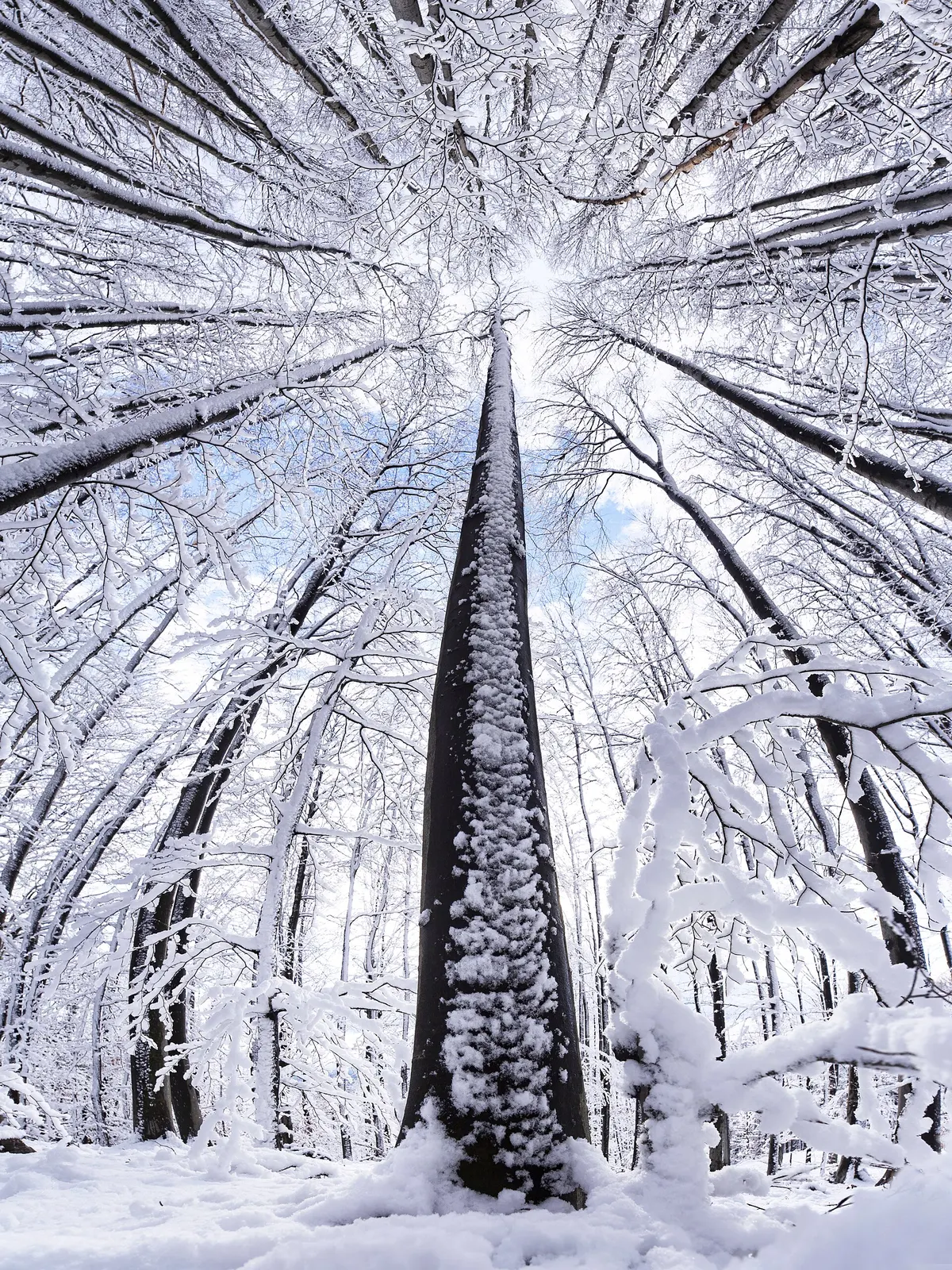
Winter weather is variable rather than a guarantee of snow. Expect a mix of cold clear spells, damp pavement, rain, wind, fog and occasional snow or ice. Check a short-range forecast each morning and compare conditions in the centre with Medvednica before planning the mountain. A snow photograph from one year should not become an expectation for another. The dependable winter pleasures are short urban walks, strong indoor anchors, evening street atmosphere and the ability to change direction without losing the day.
Build the day around usable daylight and dry transitions
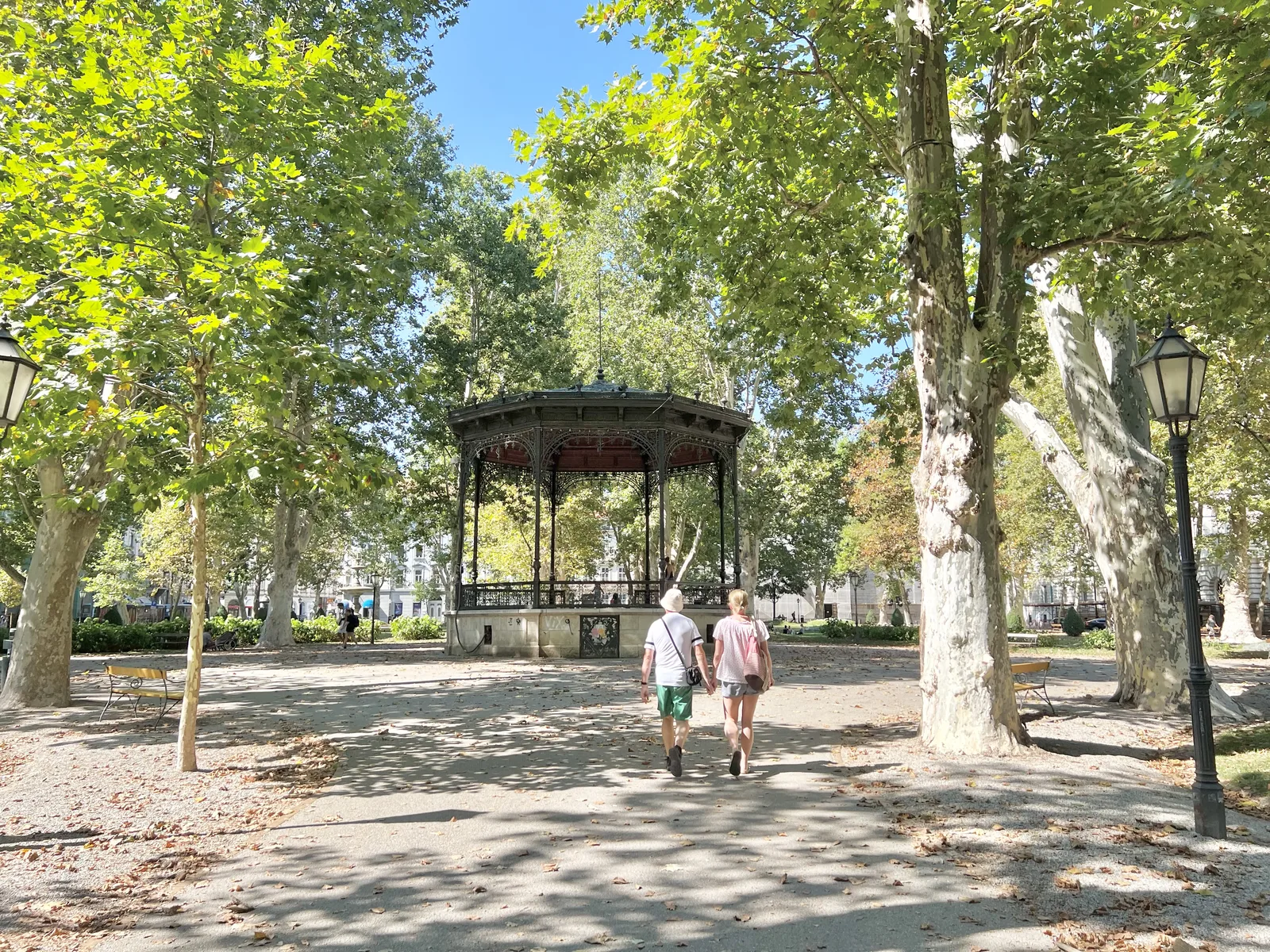
Put the most surface-sensitive outdoor route in the middle of the day. Upper Town is rewarding in low winter light, but cobbles, slopes and steps deserve daylight when wet or icy. Start with a substantial breakfast or coffee, walk one compact historical sequence, and enter a museum before the group becomes cold. Lower Town parks provide a flatter alternative when the hill is uncomfortable, though bare trees and open lawns can feel exposed in wind. Keep the indoor stop close enough that it remains a real option.
After dark, choose one purpose: Advent lights when the programme is running, an illuminated centre walk, dinner or a performance. Stacking all four creates long waits in outdoor clothes and a late return. Check the day’s last museum admission and the performance start from the official venue, then work backwards. A café is an intentional warming interval, not empty itinerary space; choose one near the next chapter so the group does not cross the centre twice merely to sit down.
- Morning: indoor-first coffee, market or museum when the day begins wet.
- Midday: one compact Upper Town or Lower Town walking route.
- Afternoon: confirmed museum, gallery or long lunch.
- Evening: one lights, dinner or performance chapter and a direct return.
Choose indoor anchors by subject and current status
Do not create a winter plan from a generic list of ‘open museums.’ Zagreb’s collections occupy buildings with different schedules, renovation histories and last-admission rules. Pick one subject the group actually wants—city history, relationships and memory, contemporary art, science or archaeology—then verify the official site shortly before the visit. A large museum may carry half a day; a small one can pair with a nearby café and short street route. The quality comes from a coherent pair, not the number of ticket desks reached.
Keep a second indoor option in a different building, but do not prepay unless the conditions justify it. When rain becomes severe, use the rainy-day guide to reduce outdoor transfers rather than commuting between distant attractions. For families, alternate attention-heavy displays with food and movement. For access needs, confirm the entrance, lift, accessible toilet and route through the specific exhibition; the word ‘museum’ proves none of those details in a historic structure.
Treat Sljeme as a separate weather system
Medvednica can provide a genuine winter landscape when conditions align, but it is not an automatic snowy add-on to a city weekend. Check the mountain forecast, cable-car or road status, marked-route conditions and current facility information from official operators. The temperature, wind, visibility and surface at elevation can differ materially from Ban Jelačić Square. Carry footwear and layers for the chosen activity; urban trainers and a photograph of snow are not a mountain plan.
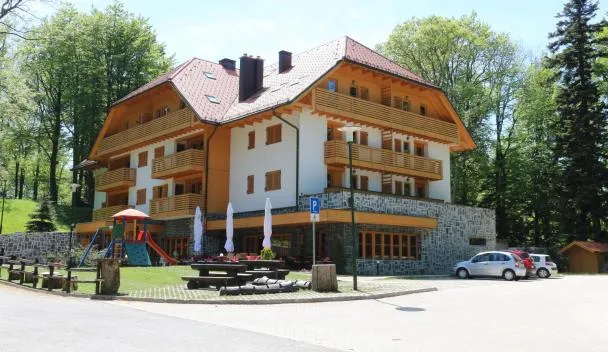
Aparthotel Snježna Kraljica belongs in the accommodation conversation only when staying on Sljeme is itself the purpose. It creates a mountain base, not a convenient substitute for a central Zagreb hotel. For an ordinary city break, visit Medvednica only when the live conditions are attractive and return with daylight margin. If access is uncertain, keep the urban museum-and-café day; postponing the mountain is sound judgement rather than a missed essential.
Pack and book for repeated warm resets
Wear layers that can be removed in overheated interiors, a weather-resistant outer layer, gloves and shoes with wet-surface grip. Carry a small dry bag for electronics and a spare pair of socks on a long day. A heavy coat does not compensate for overheating on a climb and then standing in wind. Check baggage rules before packing crampons, large batteries or other specialist gear; most city visitors need sensible footwear and flexible layers rather than expedition equipment.
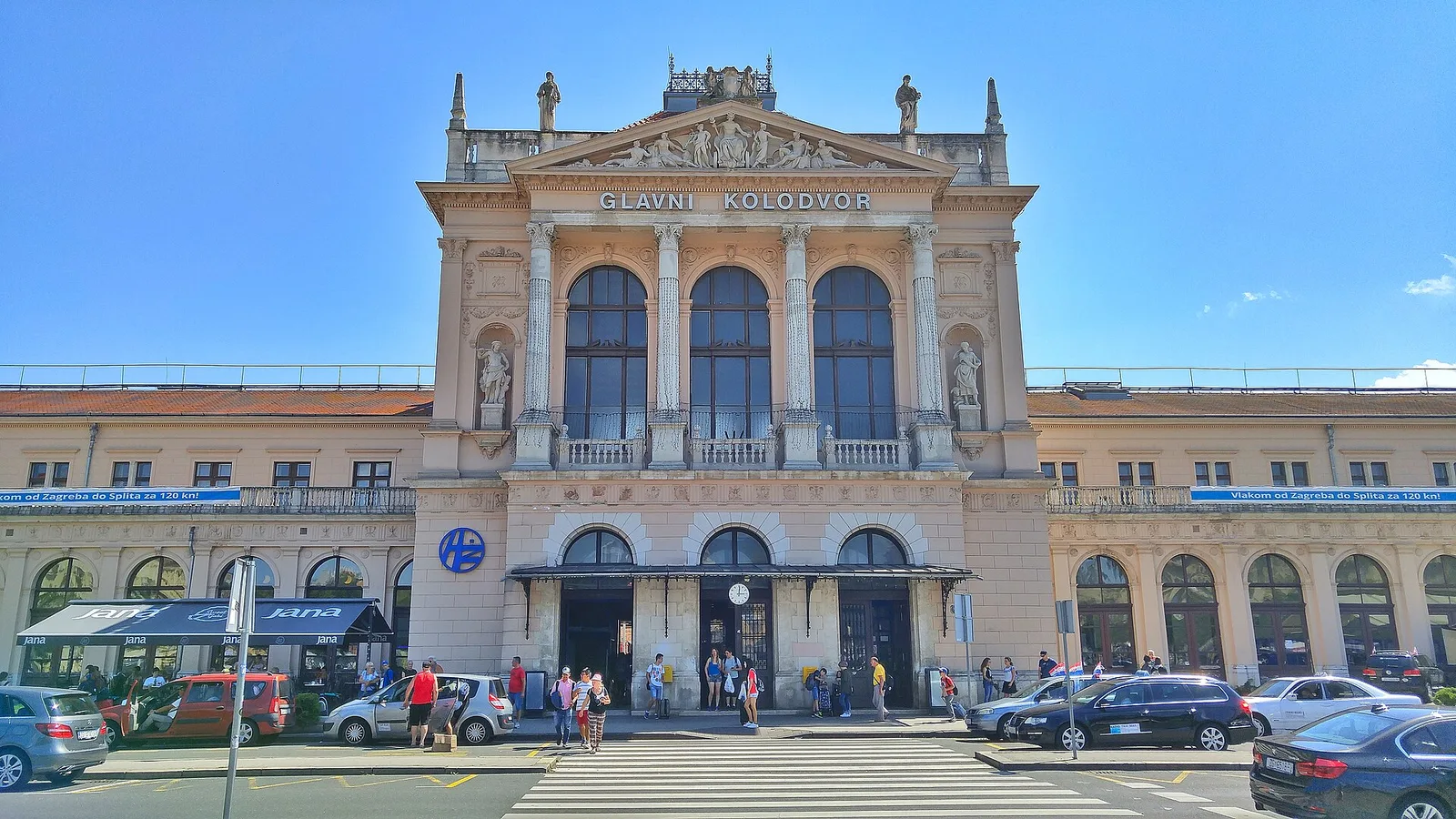
For accommodation, central Lower Town reduces the friction between outdoor loops and indoor resets. Hotel Jägerhorn or Amadria Park Hotel Capital fit a walk-led centre stay; Esplanade makes railway arrival and the Lower Town parks especially coherent; Boutique Hotel HOH suits travellers who choose Upper Town atmosphere and accept the slope. Verify the exact room, heating controls, luggage storage and cancellation terms. A winter hotel earns its value by making the coldest transitions short and predictable.
Keep transport and the departure day weather-proof
Central Zagreb remains walkable in winter, but a current tram plan turns bad weather into a smaller problem. Save the relevant ZET route and ticket method before going out, then watch official disruption notices when snow, road works or a major event affects the centre. At night, wait in a lit, legal place and avoid running across tracks for an approaching vehicle. A taxi or ride-hail is a useful fallback when the group is wet or carrying luggage; compare the live trip and meet only the identified vehicle.
On departure day, bring the station or airport margin forward rather than using every spare minute for one more attraction. Slippery pavements slow luggage, wet weather fills vehicles and low visibility can affect road journeys. Use confirmed hotel storage only when collection leaves a full disruption buffer. Railway travellers can choose an Esplanade-area base for simpler geography, while bus travellers may prioritise a direct tram or taxi line over a prettier final walk. The last winter memory should not be a sprint with a suitcase.