
Why Lauba belongs on a modern Zagreb itinerary
Zagreb’s historic center is the classic story — but the city also has a modern, creative side that’s worth seeing. Lauba (House for People and Art) is a strong way to tap into that: contemporary exhibitions, a gallery atmosphere, and a program that changes.
It’s a great choice when you’ve already done Upper Town, or when rain makes you want an indoor culture plan without the “traditional museum” feel.
Where it is (and what the building is)
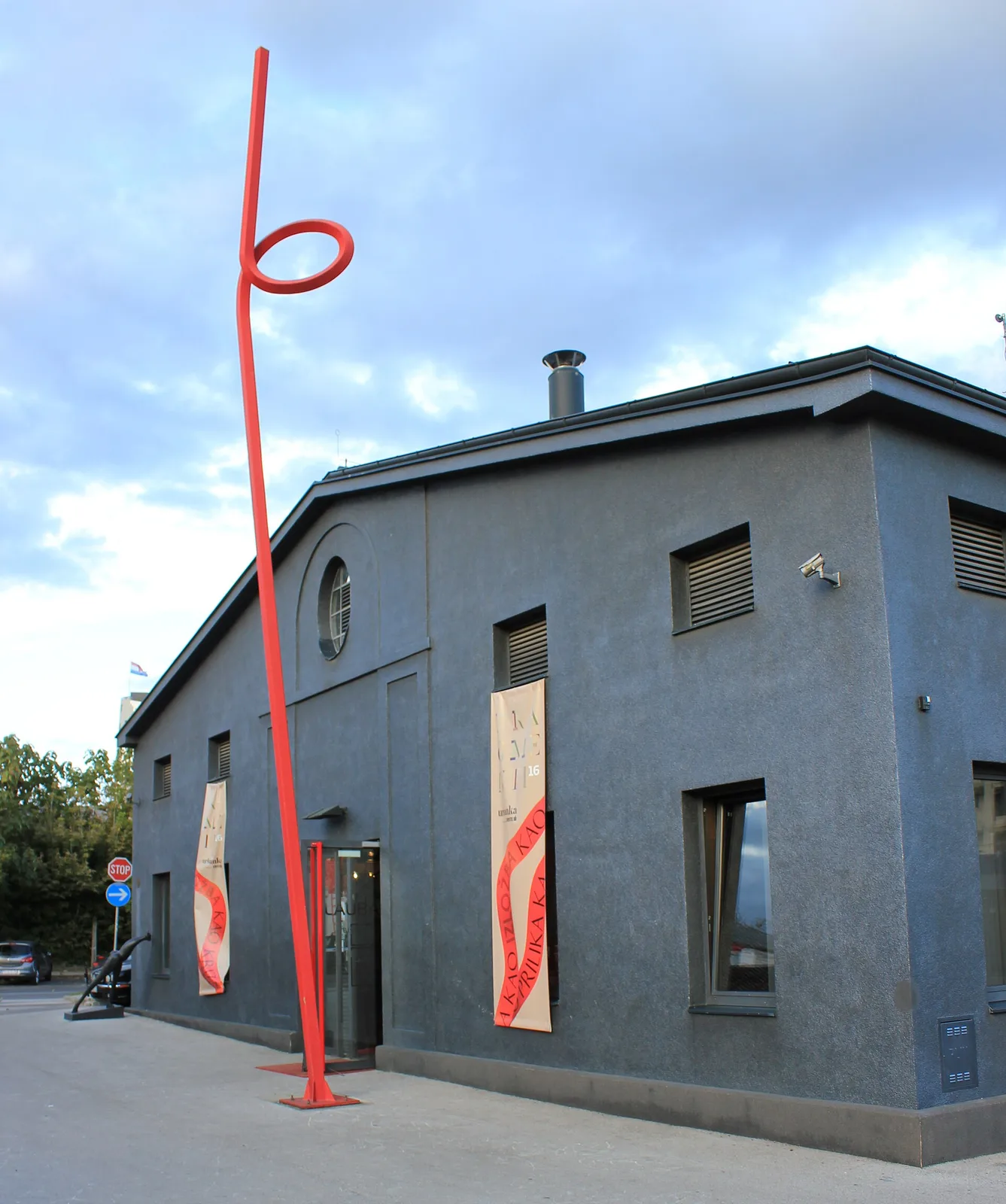
Lauba sits in Zagreb’s western district of Črnomerec, at Prilaz baruna Filipovića 23a — well away from the Upper Town, in the part of the city that was once industrial and military. The building itself is much of the appeal: a 1910 hall originally built as an Austro-Hungarian cavalry riding arena, later repurposed as a textile factory (part of the Zagreb Textile Combine) that ran until 2008, and now a protected cultural monument converted into a single soaring exhibition space.
To get there, head west from the center — it’s a short taxi or ride-hail hop, or reachable by tram toward Črnomerec plus a walk. Because it’s off the usual tourist trail, treat the trip out as part of the plan rather than a quick detour.
What to expect inside
- Rotating contemporary exhibitions, plus performances and screenings, staged in the open former-factory hall rather than a warren of small gallery rooms.
- An all-day bar-café at the entrance (‘Bez naziva’) — so it works as a sit-down stop, not just a walk-through.
- A program that changes often, so check what’s currently on before you go (official links below).
The best way to visit (so it feels effortless)
- Treat it as a single anchor stop, not a full museum day.
- Check the current exhibitions/program on the official site before you go.
- Pair it with a casual meal afterward — modern art is better when you talk about it over food.
Who it’s perfect for
- Art and design travelers who want contemporary culture.
- Repeat visitors who already know the center.
- Anyone building a “culture + food” day without rushing.
Pair Lauba with these guides
Why Lauba belongs in the day
Lauba offers contemporary art in a setting outside Zagreb’s standard historic-centre circuit. The combination of changing exhibitions and an industrial-feeling space makes the visit as much about the city’s present cultural geography as about any permanent list of objects.
Treat Lauba as the anchor of a west-of-centre outing and pair it with one neighbourhood meal, café or Trešnjevka route. Travelling there between two Upper Town landmarks fragments the day. Give the contemporary venue and surrounding city texture their own coherent block.
What to notice and how to decide
Use the current exhibition statement to understand what is actually on view, then notice how scale and architecture influence the work. Contemporary programmes reward openness but not forced enthusiasm; spend time where an idea holds attention and move on honestly where it does not.
Exhibitions, events, hours and visitor access can change between listings. Verify the official programme before making the journey and check transport home if attending an evening event. Accessibility should be confirmed for the current route through the building, not inferred from its open appearance.
Prioritise Lauba for contemporary art, design-minded travellers and repeat visitors ready to leave the old core. First-timers with one cultural slot may learn more from a museum tied directly to Zagreb history. Its distinct location is rewarding when it is part of the reason, not treated as inconvenience.
Choose Lauba for the programme and industrial space
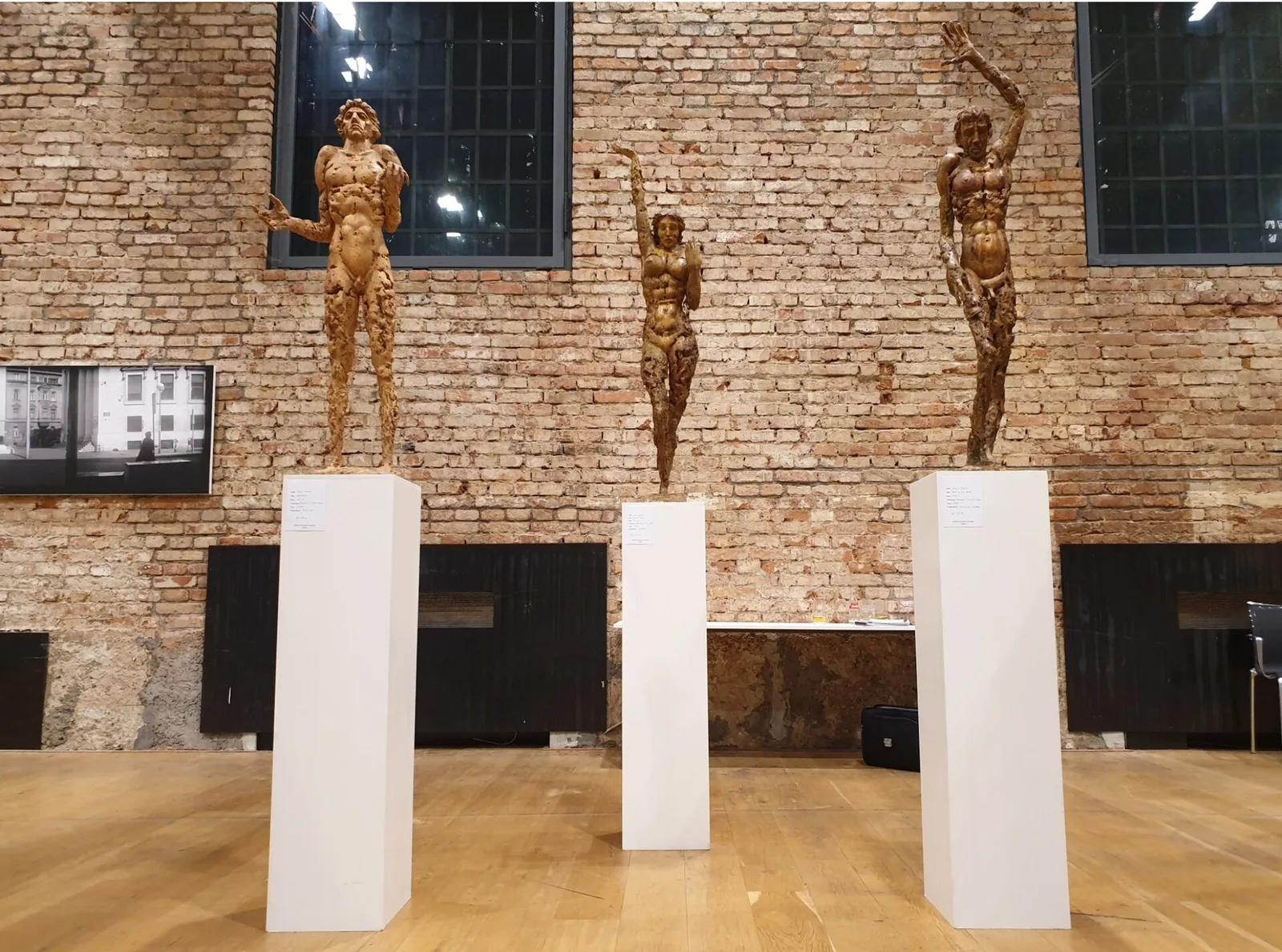
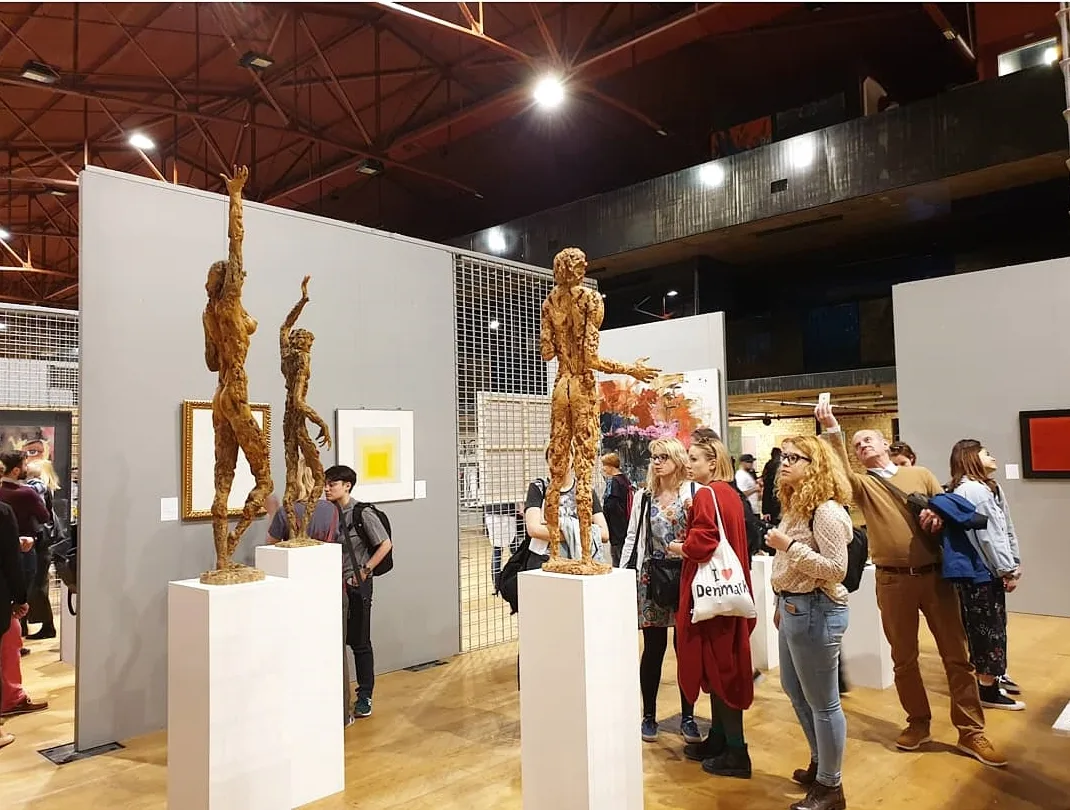
Lauba is most useful when the current exhibition, fair, performance or event benefits from its converted industrial volume. The grey exterior and red marker identify the building, while exposed brick, trusses and a large hall shape the art inside. Check the official programme for the date before travelling. Images of a 2019 art fair show what the space can hold, not what is installed today.
Choose it over a central historic gallery when contemporary work, event energy or adaptive reuse is part of the question. Skip it when the programme is private, between installations or unrelated to the group’s interests. Architecture alone can justify an exterior stop only if the western-city route already passes nearby; it is not a reason for a dedicated cross-city journey to a closed door.
Read adaptive reuse before the white partitions
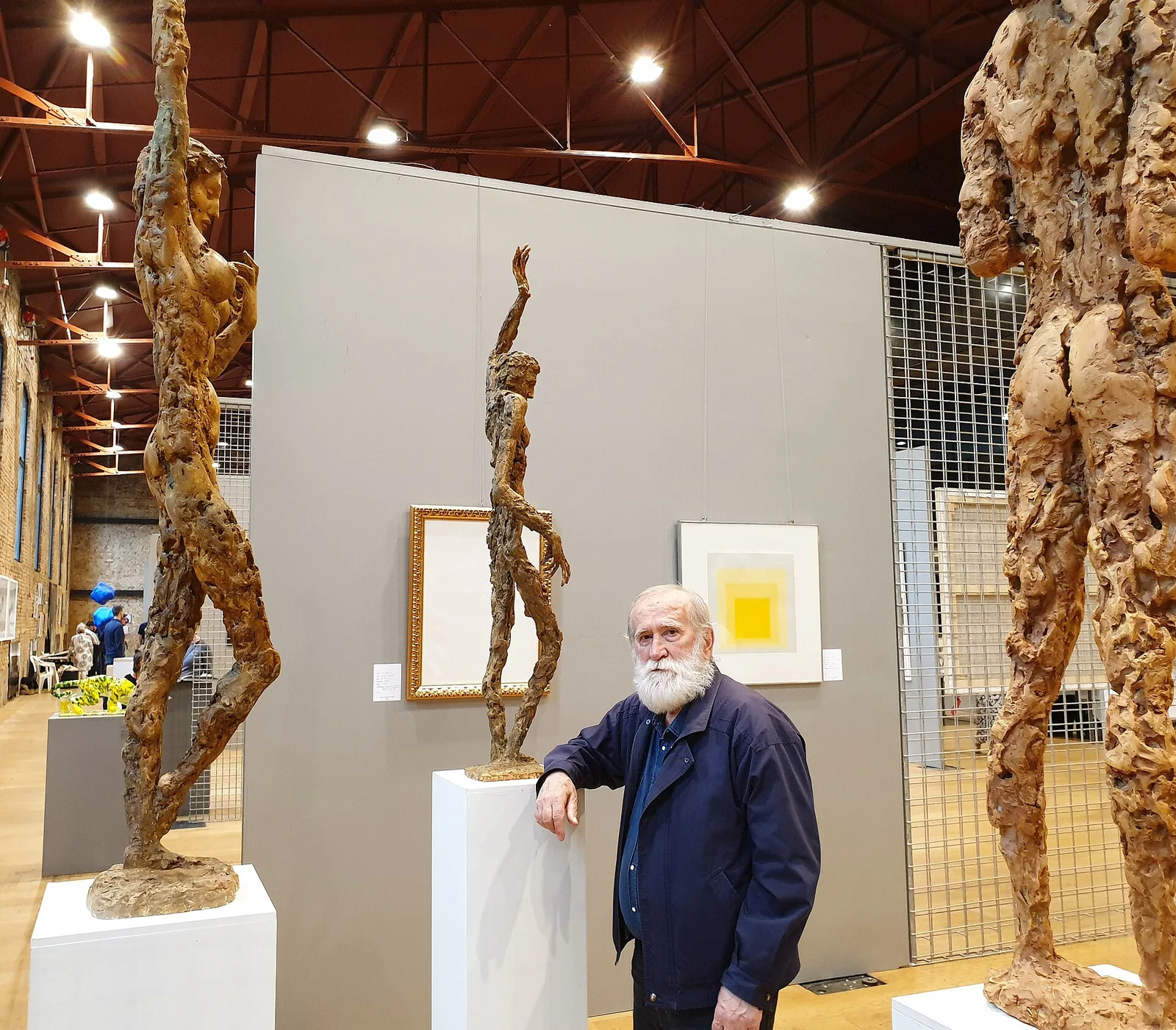
Notice roof structure, brick, height, former industrial surfaces and the way temporary walls sit inside them. Ask which traces of prior use are preserved and how they affect acoustics, light and scale. A fair can subdivide the hall into booths, while a large installation may restore long views. The same shell produces different gallery experiences, so current layout matters more than a generic floor plan.
Keep distance from rough walls, sculpture and equipment. Do not lean bags on plinths or treat industrial texture as indestructible. Large rooms can make sound travel and crowd density hard to judge; lower the voice and leave doors, aisles and emergency paths open. At an opening, allow artists, staff and other visitors to work rather than turning every interaction into content.
Event conditions can replace ordinary gallery conditions
An art fair, concert, private hire or opening can change admission, hours, bag policy, seating, photography, food and accessible circulation. Read the exact event organiser as well as Lauba’s site. Keep the ticket or invitation offline and confirm whether entry is timed or re-entry allowed. Do not assume the normal gallery price covers a special event.
Crowded fair photographs document temporary partitions and people, not guaranteed capacity or quiet. Visitors needing reduced sensory load should ask about a calmer time, seating and exit. Families should check age suitability and keep children beside an adult around freestanding work. Commercial photography, tripods and lighting require permission even when ordinary handheld images are allowed.
Verify access across the whole converted building
Contact the venue about the exact entrance, step-free route, thresholds, toilets, seating and temporary exhibition layout. A large ground-floor hall may be straightforward while a platform, event booth or external approach introduces a barrier. Ask whether a companion, wheelchair space or quiet area must be arranged in advance. An accessibility promise should match the event, not only the base building.
Check cloakroom or bag rules, and keep medicine and necessary assistive items available under the approved process. Wear suitable footwear for the approach and long standing. If the programme includes sound, darkness, haze or flashing light, seek the organiser’s sensory information. Leaving early is a valid decision when conditions differ from what was published.
Make one western-city route instead of bouncing from Upper Town
Research the current tram or bus to the exact entrance and pair Lauba with a small Trešnjevka, Technical Museum or western-city meal chapter. Do not visit Klovicevi Dvori, return to the centre for lunch and then travel west without a reason. One anchor plus a nearby contrast keeps attention and reduces transport uncertainty after an evening event.
Zonar Zagreb is the researched hotel that most clearly supports repeated western-city activity; Hotel Le Premier or art'otel suit central gallery routes better. Choose from the event finish, room, live transport and rest of the stay. A hotel’s own art styling does not guarantee a quiet room or replace checking Lauba’s current programme.
Credit temporary art with dates and context
When photography is permitted, record the artist, title, event and date. A close image of sculpture can hide the fair booth, industrial wall and temporary display system that shaped the encounter. Include context when it explains scale, and avoid claiming that a work belongs to Lauba’s permanent collection unless the official record says so.
Do not photograph identifiable visitors without consent or interrupt a sale, tour or performance. Keep flash off where required, screens dim and circulation clear. A work for sale remains protected by copyright and physical boundaries. The most honest gallery note says what was seen, under which programme and when, then directs future visitors to verify their own date.
Use the industrial hall to test how contemporary art occupies space
Choose one work and observe it from far, middle and close legal distances. From far away, the roof and brick may dominate; at middle distance, partitions and neighbouring works establish a temporary neighbourhood; close up, material and making become visible. Ask which reading the artist or curator appears to rely on. The exercise turns Lauba’s scale into evidence instead of an impressive background.
At a fair, separate the artwork, booth presentation, sales context and social event. Price, popularity or a crowd does not establish quality, while an empty booth does not discredit the artist. Speak to staff when invited, ask specific questions and step aside when a sale or installation task begins. Never handle a work to inspect its reverse or texture.
After the visit, compare Lauba with one historic or purpose-built Zagreb gallery. What did the industrial shell allow, and what did it make harder through sound, light or distance? That comparison helps contemporary art feel connected to urban reuse rather than isolated in a venue brand. Record the current exhibition date so future readers know the building may hold something entirely different.
Questions people actually ask
Do I need to plan ahead?
Usually not — but it’s worth checking the official program/exhibitions so you know what you’re walking into (and so you don’t miss an event night).
Is Lauba good if I’m not a huge art person?
Yes if you’re curious and like modern city culture. If you want classic sights first, do Upper Town and the parks first — then add Lauba as your “modern Zagreb” chapter.