
Why Zagreb works as a base
Zagreb is calm, walkable, and easy to build routines in. It’s a great base if you want a city that doesn’t constantly demand your attention — but rewards you when you explore.
Where to stay (nomad-friendly logic)
- Center / Lower Town: easiest access to cafés, parks, and transit.
- Near Maksimir or Jarun: better morning nature, still connected by tram.
- Novi Zagreb: modern, spacious, and a different pace (great for longer stays).
Workday rhythm (Zagreb-style)
- Morning: short walk + coffee.
- Midday: focused work block.
- Afternoon: park reset (30–60 minutes).
- Evening: dinner + night walk (the best mental reset).
Quick resets (when you need a break)
- Maksimir for calm nature.
- Jarun for a movement reset and sunset.
- A day trip (Samobor / Sljeme) when you want a full reset.
What a digital-nomad stay in Zagreb should add to the trip
Zagreb works as a remote-work base when accommodation, workspace, connectivity and routine are chosen before lifestyle recommendations. The city’s calm parks and café culture then become sustainable resets.
A route and pace that make a digital-nomad stay in Zagreb work
Live near work or a direct tram, use Lower Town or a residential market for daily needs and reserve outer parks or day trips for true days off.
The choices, trade-offs and common mistake
Compare total monthly cost, desk quality, heating or cooling, internet proof, call needs and contract terms. A photogenic studio without a workable chair is not a work base.
Visa, tax, registration, insurance and tenancy rules are high-stakes and time-sensitive. Verify them with official Croatian sources or qualified advice, not lifestyle blogs.
Weather, current information and the fallback plan
Keep a coworking day pass, second data connection and quiet call location available. Test the full work setup before committing to a longer non-refundable stay.
Resolve legal status before choosing a neighbourhood
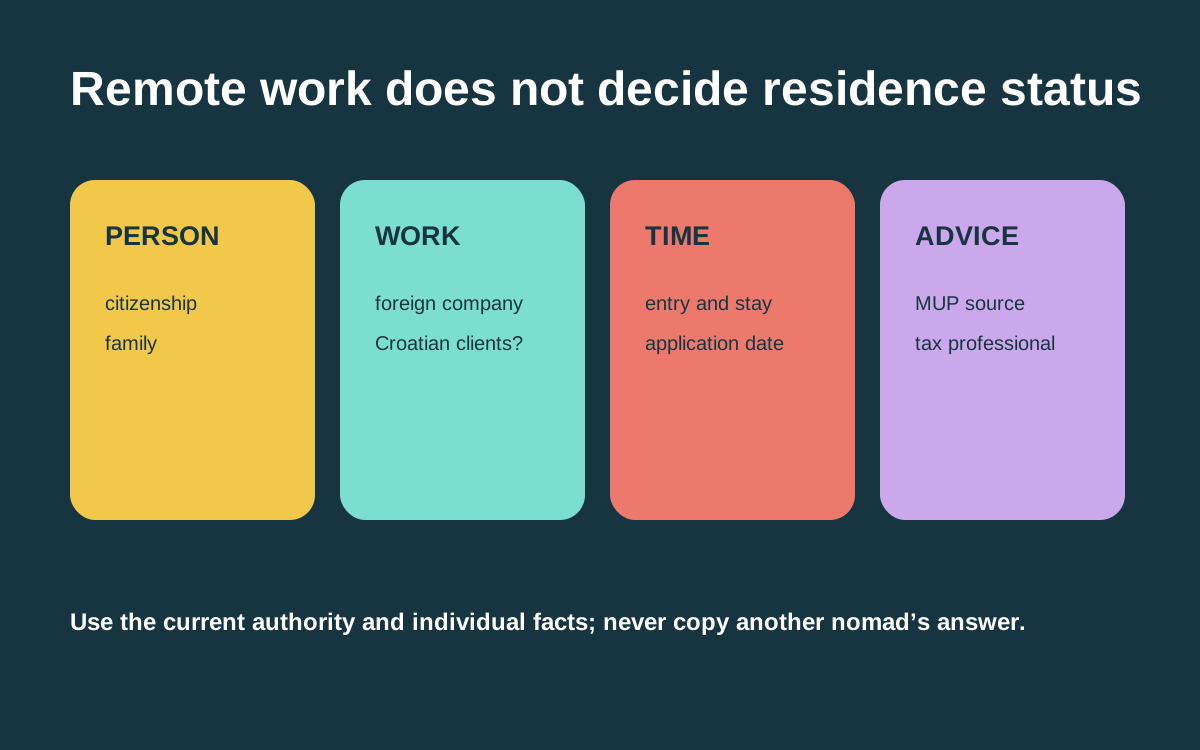
Remote work is a work arrangement, not an immigration status. EU/EEA/Swiss citizens and third-country nationals follow different entry and residence frameworks. Croatia’s Interior Ministry defines a digital nomad as a third-country national working through communications technology for a company or own company not registered in Croatia and not providing services to Croatian employers.
The current MUP page says this temporary stay may be granted for up to eighteen months, possibly less, with specific extension and later-application rules. Those rules can change and individual facts matter. Use the live authority, obtain professional tax and immigration advice where needed, and never copy a stranger’s approval timeline.
Build the application from primary evidence
MUP currently permits an online application routed to the police administration for the intended Croatian address, while visa requirements affect where and how some applicants proceed. Read the full current document list, legalisation, insurance, means, address and background-check requirements. An automatic receipt is not approval.
Keep originals, certified translations where required, copies and expiry dates. Do not make non-refundable housing commitments because a forum estimated processing time. Family reunification has its own sequence; the current MUP guidance says applications submitted before the nomad’s stay is granted will be rejected. Ask the authority about the actual case.
Separate residence, tax, health and work advice
A residence permission does not answer tax residence, social security, permanent establishment, local client work, VAT, employment law or home-country obligations. Map employer, company, clients, days, treaties and family facts with qualified advisers in relevant jurisdictions. A coworking host, landlord or hotel cannot give binding clearance.
Health insurance requirements for an application and practical medical coverage are also separate. Know provider network, claims, prescriptions and emergency process. Carry medication legally and do not assume an EHIC, travel policy or private plan covers every long stay. Call 112 for emergencies.
Test Zagreb as a work system for one week
Before a long lease, test the real weekday: video call, focused block, lunch, grocery, exercise and evening return. Measure internet with permission, mobile backup, noise, chair, desk, light, heat, lift and sleep. A beautiful apartment with a dining stool can be a poor office; a central hotel may simplify the first administrative week.
Use a coworking day pass for confidential calls and reliable power. A café is for a short appropriate session only when welcomed; it is not guaranteed security, ergonomics or silence. Keep VPN, device encryption and multi-factor authentication, and follow employer data-location policy.
Choose the base by work and life geography
Canopy supports the station, Branimir and eastern Lower Town; Hotel Capital gives central access for a short setup stay; Zonar supports western Zagreb and a less tourist-centred rhythm; Pullman can suit Novi Zagreb business; Hotel Sliško supports the Main Bus Station. Compare sleep, desk, laundry, breakfast and transport, not lobby aesthetics.
For longer housing, inspect contract, registration cooperation, utilities, deposit, inventory, repairs, heating, cooling and termination with appropriate advice. Never send deposit through an unsolicited link. The cheapest outer address may cost calls and time if the workspace and social life remain central.



Budget the ordinary month, not a holiday week
List housing, deposit, utilities, tax advice, insurance, workspace, phone, transport, groceries, eating out, fitness, laundry, banking and trips in euros. Add exchange and transfer costs. A promotional day pass or winter room rate does not establish a monthly cost. Keep an emergency and departure reserve outside the daily account.
Use current ZET fares and actual rides, not old kuna posts. Confirm whether a local pass requires a card or eligibility. City resident concessions are not automatically visitor benefits. Recalculate after the trial week and include the value of commute and unreliable internet, not rent alone.
Create community without treating Zagreb as a product
Join recurring professional, language, sport, volunteering or cultural activities and follow organiser rules. Learn basic Croatian courtesies, respect residential quiet and spend beyond one expat corridor. Do not photograph neighbours or publish private courtyards as hidden work spots. A city is not a backdrop for personal branding.
Keep boundaries with clients and new acquaintances, meet initially in public and use ordinary safety practice. Loneliness, burnout and time-zone work need real rest. Protect days off and daylight walks; moving abroad does not turn permanent overwork into travel.
Keep an exit and disruption plan
Save passport, permit, insurance, employer and housing contacts securely; track expiry and travel days. Know what happens if work ends, the application is refused, the apartment fails or illness requires return. Do not let a residence deadline depend on one flight or one office appointment.
Back up devices and work, keep emergency funds and preserve access to authentication when a phone is lost. For power or internet failure, move to the tested workspace. A resilient setup makes Zagreb more livable without pretending bureaucracy or infrastructure can never fail.
Treat address, banking and daily administration as work
Ask the responsible authority how and when the Croatian address must be registered, which proof the case requires and what happens after a move. A hotel booking, landlord statement and lease are not automatically interchangeable. Choose a host who will cooperate lawfully, keep appointment evidence and never ask a property to falsify occupancy.
For banking and payments, compare euro account access, transfer fees, card security, exchange, cash withdrawal and employer reimbursement. A Croatian account may or may not be necessary for the individual setup. Use regulated providers, keep tax residency forms accurate and reject unsolicited account-opening help. Separate personal and business records when the company requires it.
Set a weekly administration block for invoices, receipts, insurance, residence correspondence, housing issues and travel days. Translate official messages accurately and respond by the stated channel and deadline. A community chat can explain vocabulary but cannot amend an authority’s request. Keep sensitive documents out of shared coworking printers and dispose of copies securely.
If the stay includes a partner, children or pets, verify their residence, school, health, housing and transport needs separately. A digital-nomad approval does not automatically solve every household member’s status. Budget time and professional advice before arrival, and do not present Zagreb as effortless simply because one adult can work from a laptop.
Plan the end of the stay as carefully as arrival: authority notifications, housing inspection, utilities, deposits, insurance, banking, tax records and onward immigration all have dates. Keep a departure checklist and proof of every closure. Do not assume leaving the country automatically cancels contracts or resolves an expired permit. If work or family facts change during the stay, ask the competent authority and advisers promptly rather than waiting for renewal. Preserve copies for the retention period your advisers specify, and keep the final travel day inside the lawful stay. Leave a practical buffer before every legal deadline, confirmed appointment, required journey and possible disruption throughout.