
Why Trešnjevka is worth your time
Trešnjevka is where you go when you want Zagreb to feel less like a city break and more like a city you could live in. It’s residential, casual, and full of everyday routines: markets, bakeries, coffee stops, and normal-life energy.
It’s not a “must-see” neighborhood — it’s a “this feels real” neighborhood. Perfect if you’re staying longer than a weekend or you’ve already done the historic center.
A simple half-day in Trešnjevka
- Start with a market morning at Trešnjevka market (Trešnjevački plac).
- Grab a coffee nearby and do a slow neighborhood stroll.
- Choose one easy goal: a casual lunch, a bakery stop, or a park break.
- End the day with a sunset loop at Jarun if you want open sky and movement.
Who should base themselves here
- Travelers who want a quieter base and easy tram access.
- Repeat visitors who already know the center and want something new.
- Anyone who likes “ordinary great” neighborhoods: markets, parks, and casual food.
Small tips (so it feels effortless)
- Markets are best earlier in the day — go hungry.
- Don’t over-plan; Trešnjevka is about wandering and small stops.
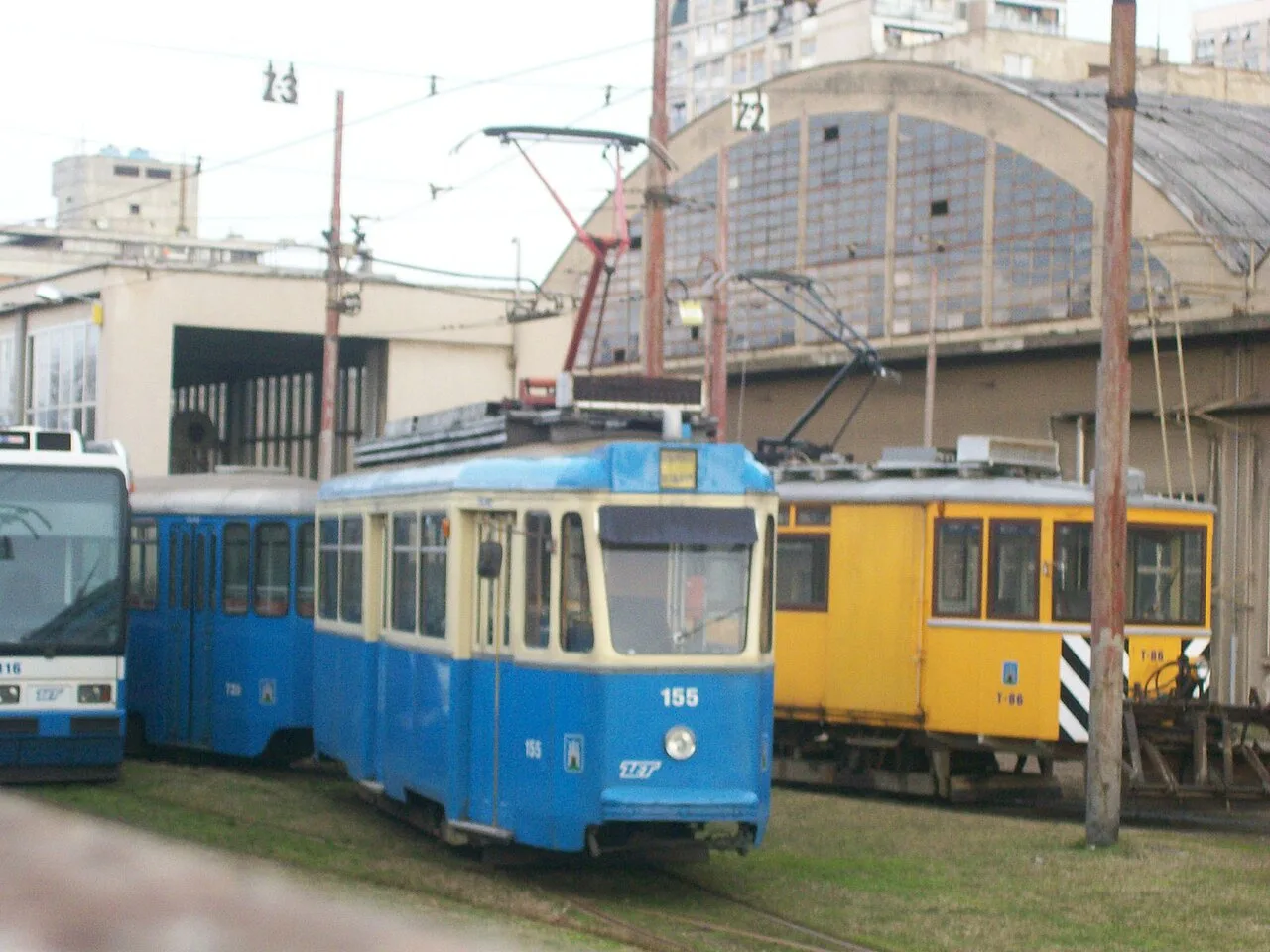
- Use trams for quick hops back to the center when you’re ready for sights.
What a Trešnjevka visit should add to the trip
Trešnjevka offers residential Zagreb through markets, bakeries, trams and ordinary streets. Its value is daily-life texture, not a hidden-monument checklist.
A route and pace that make a Trešnjevka visit work
Anchor the morning at Trešnjevka Market, add coffee or lunch and walk a selected surrounding section. Return by tram before the visit becomes aimless distance.
The choices, trade-offs and common mistake
Prioritise Trešnjevka on a longer stay, for food interest or when a residential base fits the trip. First-time weekends benefit more from central districts.
Exact tram convenience and neighbourhood feel vary by address. Respect homes and commerce, ask before portraits and avoid presenting ordinary life as an exotic discovery.
Weather, current information and the fallback plan
If the market is quiet or weather poor, preserve the meal and use a shorter neighbourhood loop. The nearby tram makes an early return a normal choice.
Read Trešnjevka through the market and the tram
Trešnjevka makes more sense as a set of everyday connections than as a sightseeing district. The market supplies the clearest centre, while Tratinska and Ozaljska carry shops, services, cafés and tram movement west from the inner city. Begin by noticing how people arrive, shop and continue with the day. That pattern explains the neighbourhood more accurately than a hunt for isolated landmarks. The city itself identifies the market and surrounding streets as a centre of Trešnjevka’s urban identity, which is why the plac is the right anchor even when no event is taking place.
This is also why a Trešnjevka visit should have a boundary. Walk one connected area around the market and its approach streets, then decide whether the next chapter is lunch, Jarun or a tram back to the centre. Roaming ever farther through residential streets does not automatically reveal a more authentic Zagreb. A short route with a clear subject is both more respectful and more useful than treating an entire lived-in district as open-ended scenery.
How to use Trešnjevački plac as a visitor
Go while the market is functioning as a market, not simply because the square carries a famous name. Browse the outdoor produce, notice the specialised counters and make a small purchase that fits the day. Morning generally gives the visit a stronger commercial rhythm, but current hours and stall activity should be checked rather than copied from an old article. Seasonal supply, weekday patterns and weather all change what is present. The point is not to compare every stall with Dolac; it is to see how a major neighbourhood market serves the surrounding households.
The City of Zagreb completed work on the northern part of the market square in 2024, retaining trees while renewing paving, drainage, seating details and the fountain. That recent public-space work is useful context for what you see, but it should not turn the visit into an architecture inspection. Keep entrances clear, do not block a vendor’s line of sight for photographs and ask before making a person the subject of an image. Fruit, flowers, hands exchanging change and the wider square can tell the story without turning a normal shift into a performance.
A focused market-to-park walk
For a first visit, arrive along the Tratinska–Ozaljska line, orient at the market and make the plac the slowest part of the route. After browsing, choose one nearby street section for coffee or lunch rather than accumulating stops from a city-wide list. Continue towards Park Stara Trešnjevka only when the group still wants ordinary street texture and a quieter pause. The walk is about the change from a busy transport-and-commerce spine to smaller residential edges, not about reaching a dramatic finish.
- Arrive by the most direct current tram connection and note the return stop before wandering.
- Give the market enough time for one useful purchase rather than a fast photograph.
- Choose coffee or lunch within the same area so commerce remains part of the visit.
- Add Park Stara Trešnjevka or a short residential loop only if weather and energy support it.
- Return by tram before the route loses its subject.
What the streets reveal beyond the postcard centre
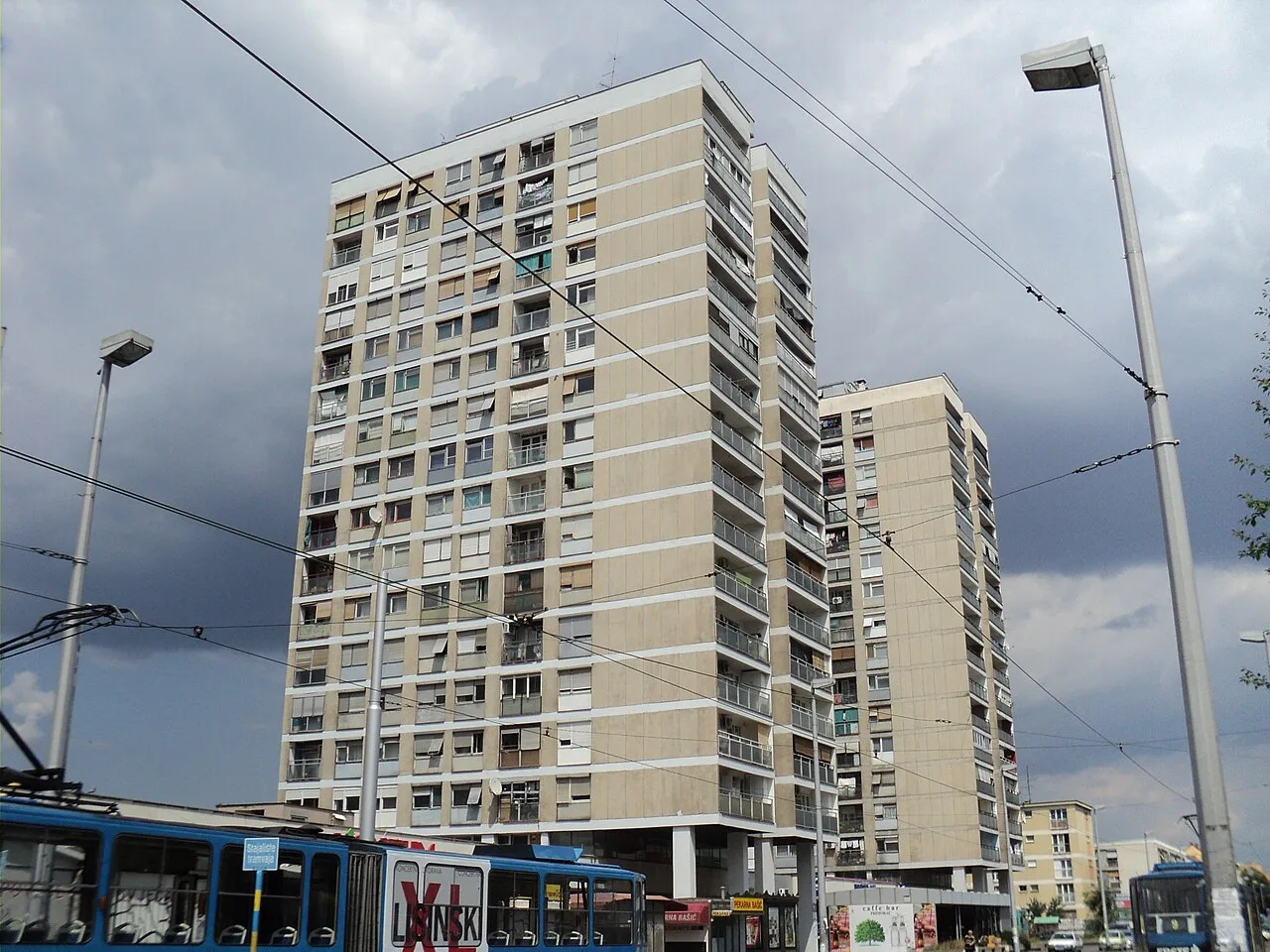
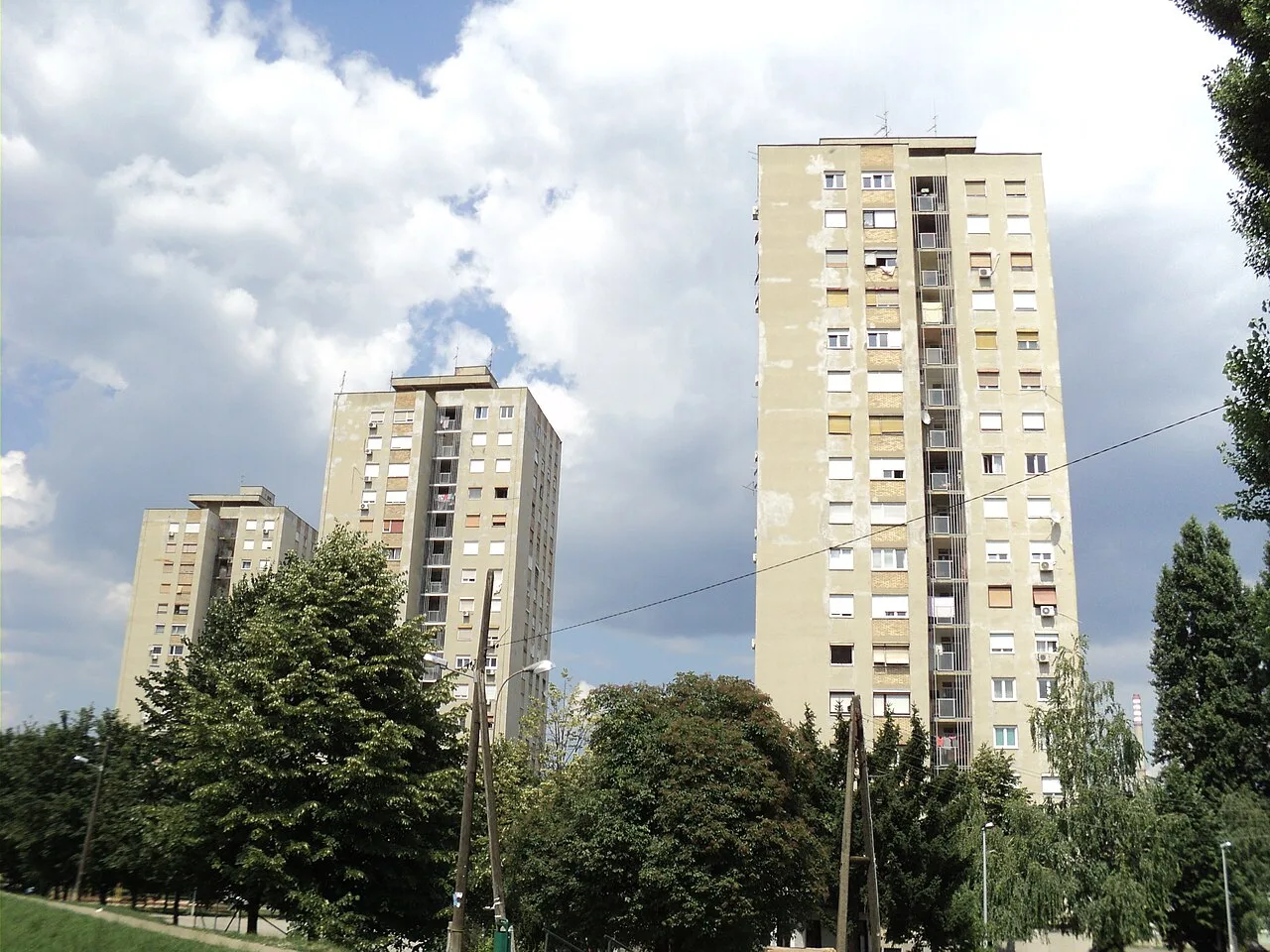
The visual interest lies in mixture rather than monumentality. Low houses, later apartment buildings, small commercial premises, tram infrastructure and pockets of green sit close together. Some streets feel intimate; others are defined by traffic and movement. Read those contrasts as evidence of a district built and changed over time, not as a single preserved style. A visitor expecting Upper Town facades will miss the point, while one interested in how Zagreb expands westward can find a legible urban chapter in a few blocks.
Keep the camera at street scale. A tram approaching through the commercial spine, market signage, a bakery window or the transition into a quieter side street can establish place without photographing through windows or lingering outside a home. The most honest Trešnjevka images often include movement and useful infrastructure rather than empty, beautified streets. If the light or traffic makes photography awkward, put the camera away; the visit does not need a complete visual catalogue to count.
Trešnjevka and Jarun are related, not interchangeable
Jarun belongs to the broader western and southern story, but it creates a different outing. Trešnjevka Market is commerce-led and works best earlier; Jarun is open, recreational and often more rewarding when there is time for a genuine lake loop. Combining them can make sense on a longer warm-weather day, provided the route between them is checked and lunch or a reset separates the chapters. Do not describe a quick market browse followed by a distant waterfront photograph as one seamless neighbourhood walk.
Choose the market-only version when this is a first residential detour, the weather is uncertain or the central itinerary is already full. Add Jarun when outdoor movement is one of the day’s main interests and the group is happy to stay west for the afternoon or evening. Families may value the space; runners and cyclists may want the loop itself; visitors seeking architectural context may gain more by staying near the market streets. The addition should answer an interest, not merely lengthen the route.
Staying in Trešnjevka: test the address, not the label
Trešnjevka can be a sensible base for a longer stay, a value-conscious trip or a traveller who prefers groceries, bakeries and neighbourhood coffee close to the door. The trade-off is that the district name covers a broad area. Two properties described as Trešnjevka can produce very different journeys to Ban Jelačić Square, the railway station or a late dinner. Before booking, trace the exact walk to the stop, the directness of the route and the final return after evening service becomes less frequent.
For a first two-night visit, Lower Town usually remains easier because the main sights, museums and evening choices can be reached on foot. Trešnjevka becomes stronger when the stay is long enough for repeated tram journeys to feel routine, when Jarun or western Zagreb is already in the plan, or when the accommodation itself offers a meaningful advantage. Do not accept ‘local neighbourhood’ as a substitute for transport clarity, quiet sleep and the room features the trip actually needs.
Food, coffee and the value of not making a crawl
A Trešnjevka morning already contains food decisions, so resist turning it into a race among bakeries, cafés and market counters. Buy what can be eaten or carried responsibly, then choose one seated stop according to what is open and appealing on the day. A simple coffee after the plac provides time to understand the rhythm you just walked through. A casual lunch can make the detour feel complete. Five pinned venues create more navigation than insight and risk ageing badly as businesses change.
Check the current menu, opening pattern and payment expectations with the business itself when a specific meal matters. Keep the guide’s recommendation at the level that remains useful: market first, one good pause, no cross-district chase for a supposedly essential dish. Visitors with allergies or strict dietary needs should confirm directly rather than infer from a photo or an old review. The neighbourhood rewards flexible appetite, but flexibility does not replace clear questions about ingredients.
Weather, mobility and a route that can contract
Rain reduces the pleasure of an unstructured street wander and can change the market’s outdoor energy. Keep the plac and a nearby indoor pause, then shorten the residential loop. In summer heat, arrive earlier, carry water and avoid treating the long extension to Jarun as compulsory. Cold weather does not erase the district, but it makes a clear café or lunch endpoint more important. The best fallback is contraction, not replacing the morning with a frantic list of indoor stops elsewhere.
Mobility conditions vary block by block: tram access may be straightforward while kerbs, crossings, market crowds or uneven surfaces create friction. Look at the exact approach and allow extra time rather than promising a universally step-free neighbourhood route. A companion can check the market perimeter and return stop before the group commits to the full loop. When conditions do not work, a view of everyday Zagreb from the commercial spine and a comfortable meal still provides a valid visit.
When to skip Trešnjevka—and when to return
Skip the detour on a first day that has not yet covered Dolac, Kaptol, Upper Town or Lower Town. Trešnjevka should reveal a contrast, and contrast requires some knowledge of the centre. It is also reasonable to skip it when the market timing does not fit, when the group wants a major museum rather than neighbourhood observation, or when weather makes the street-led plan unpleasant. No traveller understands Zagreb better merely by collecting more district names.
Return on a longer stay for a different market season, a purposeful Jarun day or an event whose official programme genuinely appeals. The second visit can start farther along the tram line or focus on a smaller area, because the plac no longer needs to carry the entire introduction. Check city and venue sources shortly before going; events and works are temporary layers, not permanent itinerary promises. A repeat visit should deepen one relationship with the district rather than reproduce the same market photograph.
Questions people actually ask
Is Trešnjevka a tourist area?
Not really — it’s more residential and everyday. That’s why it’s great if you want a break from the most touristed streets.
What’s the one thing I should do in Trešnjevka?
Start with the market. It’s the fastest way to feel the neighborhood’s rhythm, and it pairs well with coffee and a casual lunch.