
Zagreb makes space for quiet romance
Some cities demand a plan. Zagreb invites you to slow down. A coffee becomes an hour. A walk becomes a conversation. A viewpoint becomes a promise to come back.
You’ll remember the small things: a street lamp in Upper Town, the smell of pastries, the softness of parks after rain, and how easy it was to just be together.
Places that feel like memories
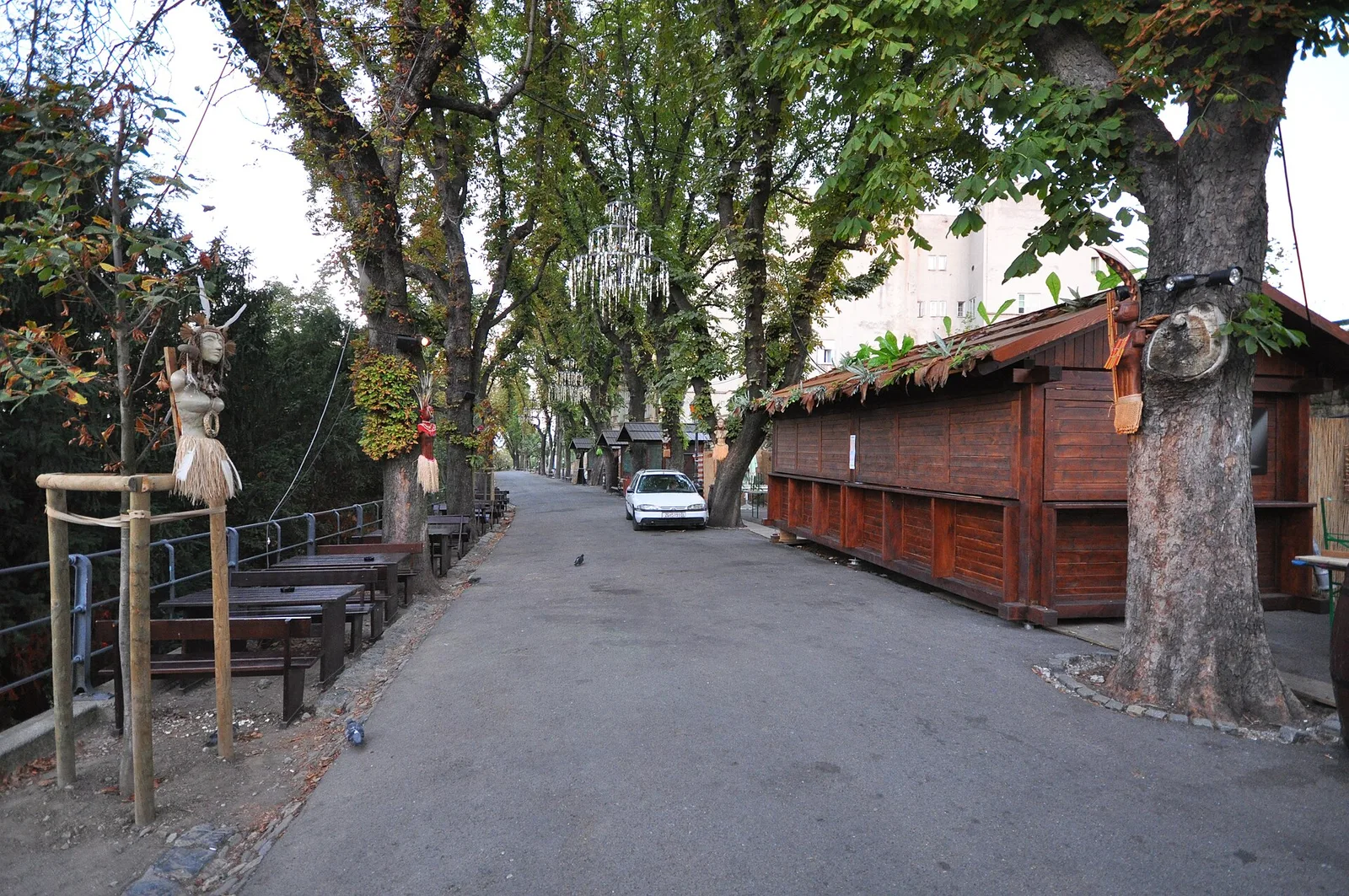
- Upper Town at dusk: lantern light, quieter streets, and views that make you slow down.
- A Lower Town park loop: a long walk with no goal other than calm.
- A market morning: the most “city” version of togetherness — small snacks, small decisions, zero pressure.
- A night walk after dinner: the moment when the trip stops being a checklist.
Three classic Zagreb love-story scenes
- A morning market walk that turns into a lazy brunch.
- An Upper Town sunset where you don’t take a photo — you just watch.
- A winter night under Advent lights, hands warm around a cup, feet moving slowly.
A “two-walk” couples day
- Walk #1 (daylight): parks + cafés + one shared museum story.
- Walk #2 (night): a slow route through the center after dinner — no destination needed.
Build your own
What Zagreb’s love stories should add to the trip
Use stories of relationships, devotion and memory to deepen places already on the route. The Museum of Broken Relationships, Stone Gate traditions and the city’s meeting spaces offer different emotional registers.
A route and pace that make Zagreb’s love stories work
Create an Upper Town story walk with one museum or researched historical thread, then finish at a viewpoint or quiet dinner. Keep factual history distinct from legend and give both clear context.
The choices, trade-offs and common mistake
Choose stories that reveal social history or change how a place is understood, not only tales with a dramatic romantic hook. One well-sourced narrative can carry an entire stop.
Do not present folklore as verified biography or reduce painful personal histories to cute date content. Cite sources, respect living communities and allow ambiguity where the historical record is incomplete.
Weather, current information and the fallback plan
If the museum theme feels emotionally heavy, shift to architecture, a promenade and a shared café ritual. Romance can remain present through pacing and attention without requiring a tragic narrative.
Separate setting from evidence
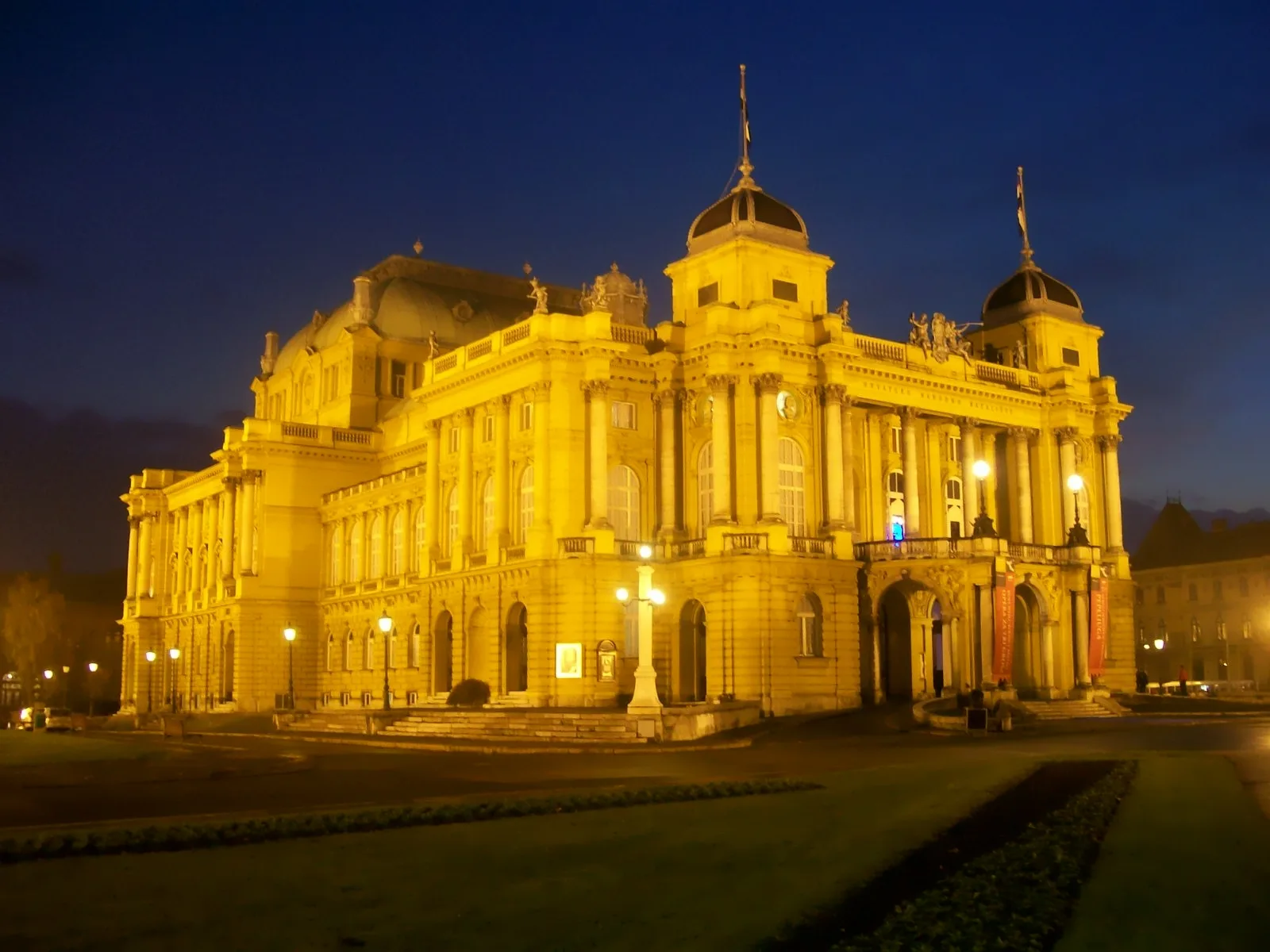
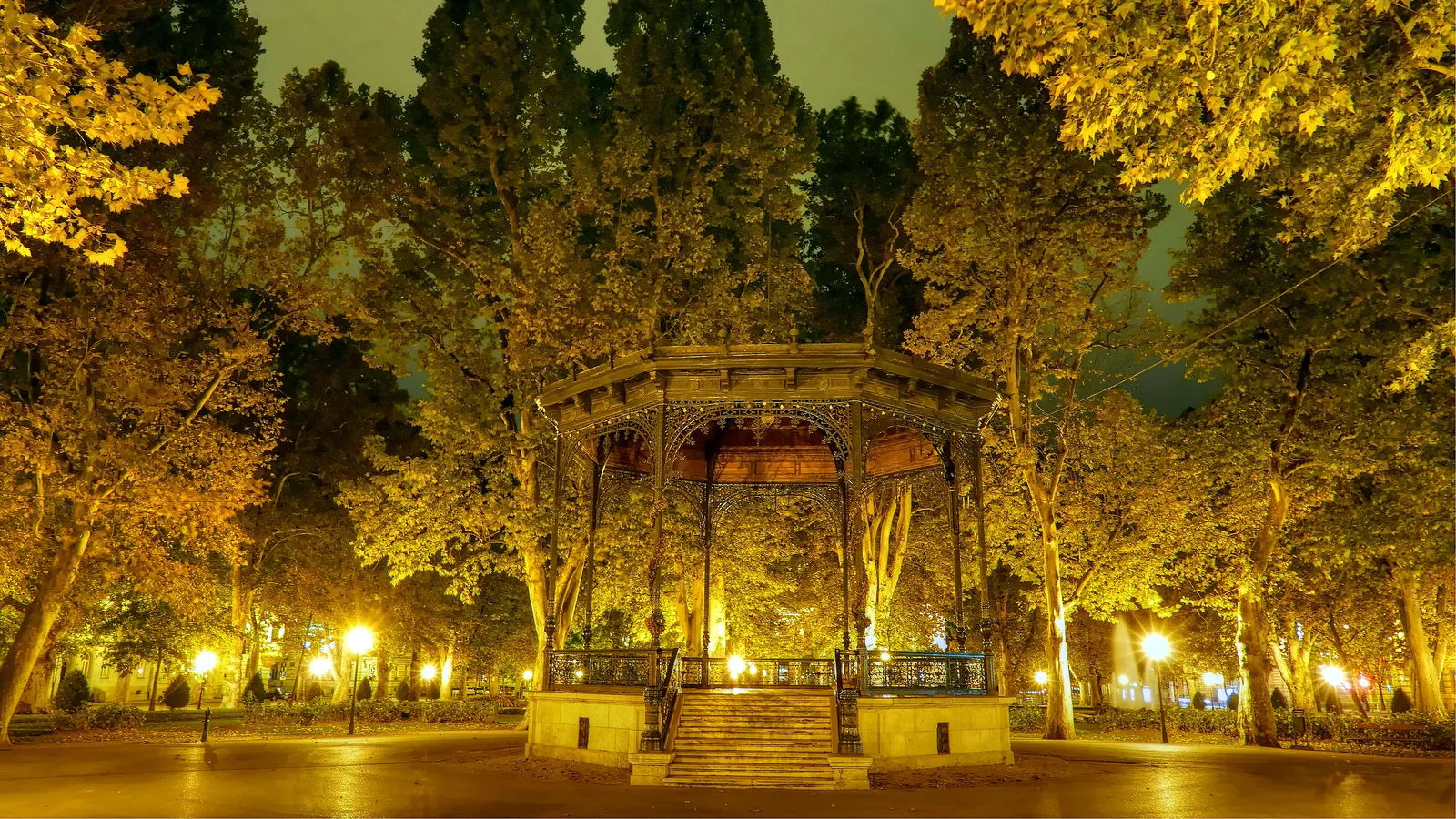
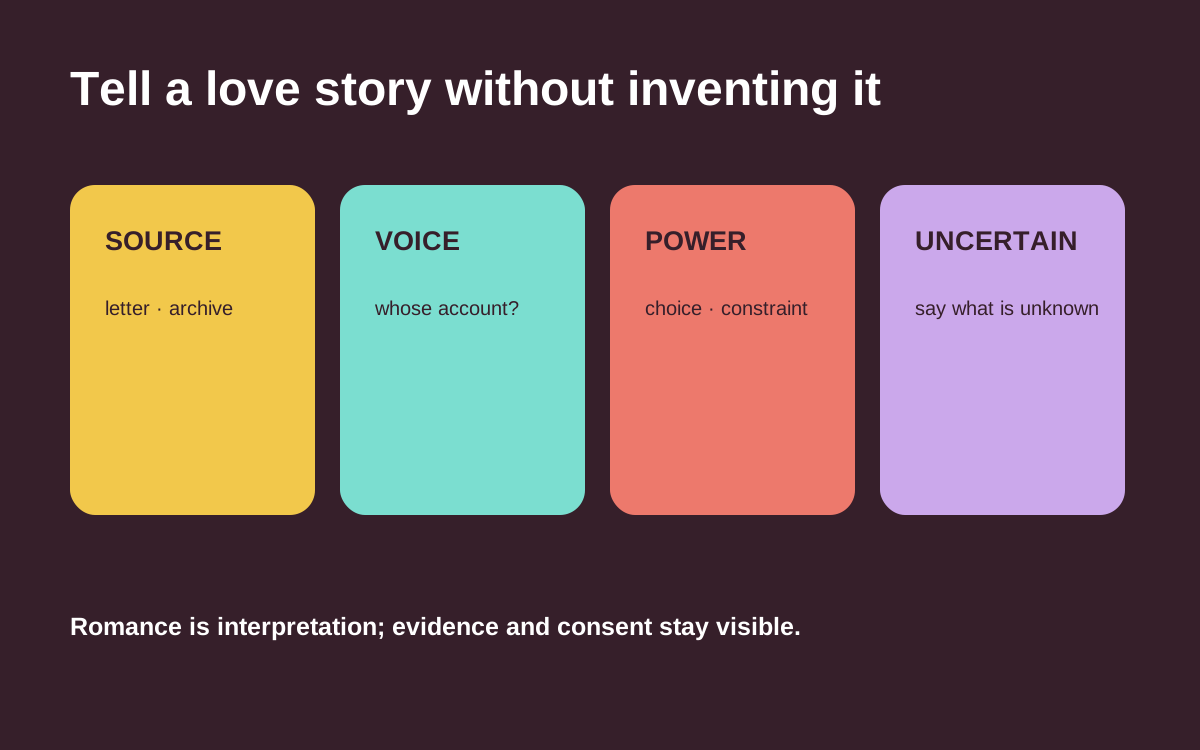
A lit park, promenade or theatre can support a present-day date without proving a historical romance happened there. For every past love story, identify the source: letter, diary, archive, biography, oral history or later retelling. State whose voice survives and what remains unknown.
Do not attach an invented couple to Strossmayer, Zrinjevac or HNK for atmosphere. The city deserves real history, and readers deserve to know when a passage is interpretation rather than fact.
Read power and choice inside romantic narratives
Marriage, courtship, sexuality and public behaviour were shaped by law, class, religion, gender, family and money. A dramatic pursuit is not automatically romantic; silence is not consent; an archive often preserves elite voices and excludes others. Name those limits.
Do not out a historical or living person, diagnose motives or turn abuse into passion. When a source describes coercion, separation or grief, use accurate language and specialist scholarship rather than a happy ending the evidence cannot support.
Use museums and archives through current access
The Museum of Broken Relationships explores objects and personal accounts, but each exhibit carries its own curatorial context. The Croatian State Archives, city institutions and libraries may hold documents under registration, handling, reproduction and closure rules. Verify access and cite catalogue details.
A public exhibition does not grant unrestricted republication of a letter or portrait. Follow copyright, privacy and photography terms. For sensitive living stories, obtain informed consent and allow withdrawal under the agreement.
Create a present-day love walk without scripts
Choose one shared interest: Upper Town views, HNK performance, Zrinjevac parks, a café, a gallery or neighbourhood market. Build time for conversation and an easy return. The romantic quality comes from attention and consent, not flowers, cost or a viral proposal location.
Avoid public proposals that pressure an answer, trespass, drones over crowds or staging on tram rails. Discuss accessibility, budget, alcohol and photography. A partner can decline a route, image or surprise without being cast as unromantic.
Make inclusive stories visible
Zagreb love includes queer, disabled, interracial, interfaith, older, family and friendship bonds, even when archives name them unevenly. Do not add identities to people without evidence, but do not treat heterosexual marriage as the only form of attachment. Explain archival silence rather than filling it with fantasy.
For living contributors, let them choose name, pronouns, image, detail and publication boundary. Pay or credit according to the project. Remove exact homes and safety-sensitive routines. Love-story writing should not make the subject less safe.
Choose the hotel for the shared occasion
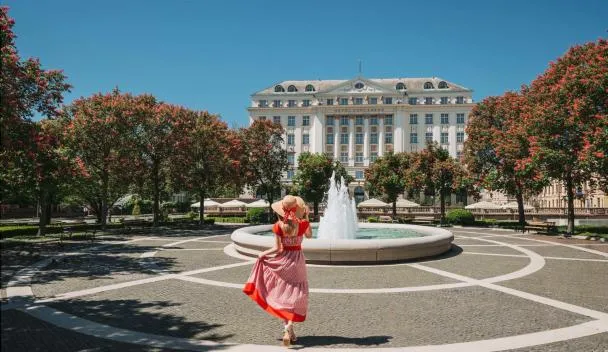
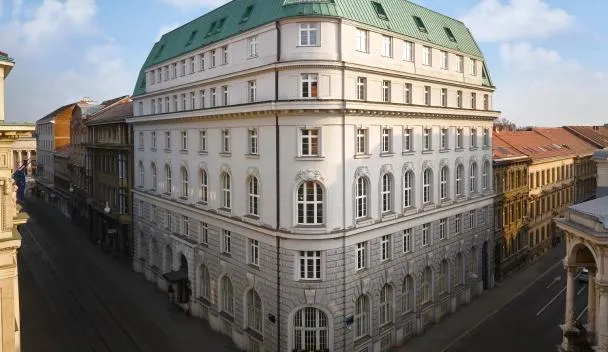
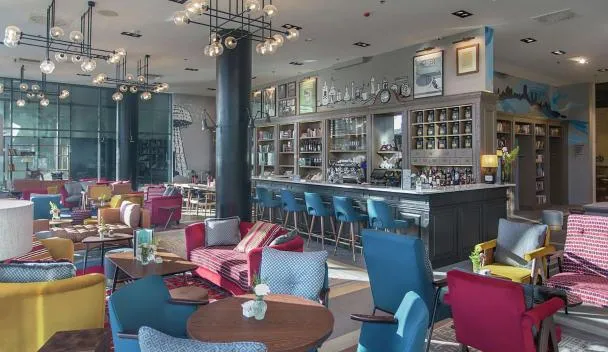
Hotel Jagerhorn supports Upper Town and Ilica walks; Esplanade supports HNK and the Green Horseshoe; Hotel Capital supports a compact central evening; Canopy supports an eastern neighbourhood date; Zonar supports western Zagreb. Choose room, sleep, access and budget before symbolic styling.
Ask about celebration arrangements, accessibility and cancellation directly. Never assume a balcony, view or late checkout. Keep the room number private and obtain consent before posting a partner or hotel interior.

Handle photographs and public memory carefully
Ask before photographing or publishing a partner. A private moment is not campaign material by default. Do not recreate a historical portrait on a grave, memorial or worship space without considering context. Credit archives and disclose staged images.
Keep letters, messages and personal objects private unless their owner and rights allow use. A breakup does not revoke another person’s privacy. Delete or retain images according to the shared agreement, not revenge or audience demand.
Write uncertainty into the final story
Use phrases such as the letter states, the curator interprets, or the date is disputed. Cite edition, archive or operator and distinguish present place from historic event. A plaque may simplify; an old tourism article may repeat folklore. Cross-check before publishing.
When proof ends, stop. A smaller documented account is more moving than an invented secret romance. Zagreb can provide the setting for readers’ own relationships without pretending every bench already belongs to legend.
Research archives and oral history with care
Begin with a name, date range, relationship and place, then search catalogues, newspapers, civil records, correspondence and published scholarship under the archive’s rules. Track every shelf mark or stable link. A digitised snippet can omit the page before and after; read the document in context and distinguish transcription from translation.
Confirm identity before joining two similar names. Historical spelling, titles and married names can mislead. Build a timeline and mark contradictions. Do not resolve a gap because a later memoir makes the better plot. Ask an archivist for finding-aid help without expecting them to prove the thesis for you.
For oral history, explain topic, recording, storage, publication, payment and withdrawal before the interview. Let the narrator choose name or anonymity and skip questions. Memory is evidence of experience and later meaning, not a flawless transcript of dates. Corroborate where possible without humiliating the speaker.
Return the draft or agreed excerpts for factual and safety review when the project promises it. Protect third parties named in an intimate account. Store audio and consent securely, and plan eventual deletion or deposit. The resulting love story should show the source relationship openly, allowing the reader to feel emotion without being deceived about certainty.
When adapting the research into a walking route, distinguish the verified historic address from a symbolic modern setting. Buildings, street names and uses change. Do not imply that an interior is open because a letter was written there, or ask current occupants to perform the past. Use a public exterior, archive reproduction under its licence and a present-day reflection that clearly belongs to the author.
End with a source note that lists archive, collection, item, date, edition, translator and permissions where relevant. Explain disputed claims in the prose rather than hiding them in a footnote. If descendants or living partners contest publication, pause for legal and ethical review. A deadline or romantic theme is never a reason to expose private correspondence carelessly. Keep the editorial record with the published story.
That record should include consent conditions, corrections and the date each operational detail was checked. Review those conditions before translation, syndication or a new edition because wider distribution can change the subject’s risk. Withdraw a detail when the evidentiary or ethical basis no longer holds.