
The short answer
In Zagreb, tap water is generally safe to drink. Most travelers can refill a bottle and move on with their day without thinking about it.
If you have a very sensitive stomach or you’re adjusting to travel, it’s still okay to use bottled water for the first day — but for most visitors, it’s not necessary.
What to do on day one (simple)
- Refill a bottle at your accommodation.
- If you want extra caution, start with bottled water the first day and switch once you feel settled.
- In restaurants and cafés, don’t be shy about asking for water — hydration makes long walks better.
If you’re worried (calm, practical options)
- Use bottled water for a day or two and see how you feel.
- Avoid ‘mystery ice’ anxiety: most central places are fine, but if you want to be strict, skip ice for a day.
- Focus on the real travel risks (sleep, over-walking, missed meals) — those cause more problems than the water for most people.
Tap water in Zagreb: the decision before you leave
For ordinary travel planning, use current public-health and accommodation guidance rather than bottled-water marketing or an old anecdote. Building plumbing, temporary notices and individual medical needs can create exceptions even when a municipal supply is generally considered drinkable.
Pack a refillable bottle and ask the hotel about any building-specific issue on arrival. Travellers with a clinician-directed restriction, compromised immunity or an infant-feeding concern should follow professional advice tailored to them rather than a general city guide.
How to handle tap water in zagreb on the ground
Use a clean bottle, wash it regularly and avoid letting the mouthpiece touch public taps. If water looks, smells or tastes unusual, stop and ask the accommodation or relevant authority instead of trying to diagnose the cause from appearance alone.
Edge cases, current checks and the calm fallback
Maintenance, storms or localised works can lead to temporary advice that changes the normal answer. Restaurants may serve water according to their own practice, so ask clearly what is available instead of assuming that a glass on the table is free tap water.
When uncertain, sealed bottled water is a simple temporary fallback while you verify the situation. Keep the response proportionate: one unclear hotel tap does not establish a city-wide problem, and a general rule does not override a live official notice.
Municipal supply, building plumbing and public fountains are separate checks
Zagreb’s municipal water utility says it monitors the public system daily across abstraction, treatment, storage and distribution and publishes current results by supply zone. For an ordinary central hotel or apartment connected to that network, cold tap water is the sensible default for drinking and bottle refills. Run a tap briefly after it has stood unused, use the cold side for drinking, and ask the host about any temporary building work, tank or internal-plumbing notice that the citywide result cannot reveal.
Do not extend that answer blindly to every property on the city’s outer territory. Zagreb also issues notices for local waterworks and individual systems where sampling can produce a different result. If accommodation is remote, supplied by a well or local system, or displays a notice, follow the host and utility guidance for that exact supply. Cloudiness after plumbing work, unusual smell or an official restriction is a reason to stop and verify—not to rely on the general reputation of Zagreb water.
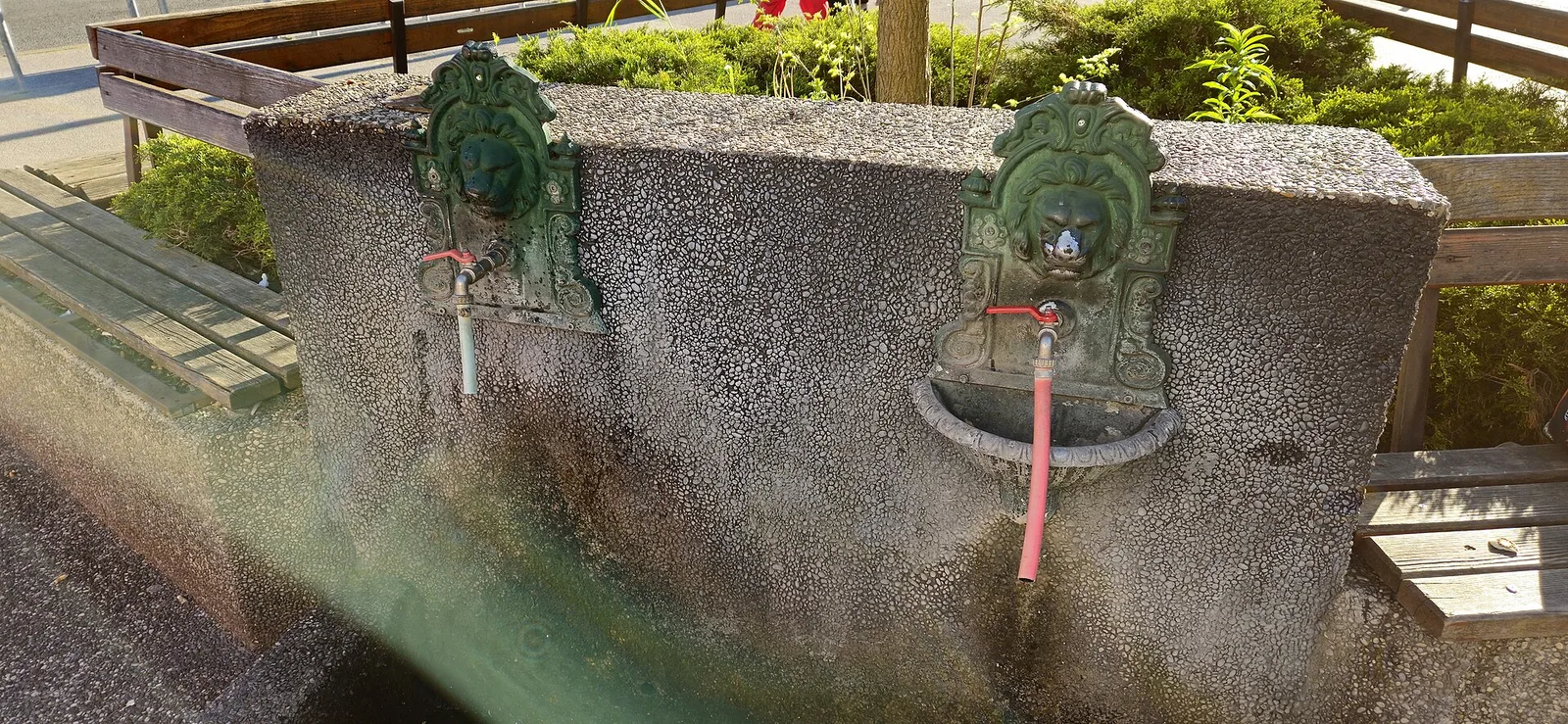
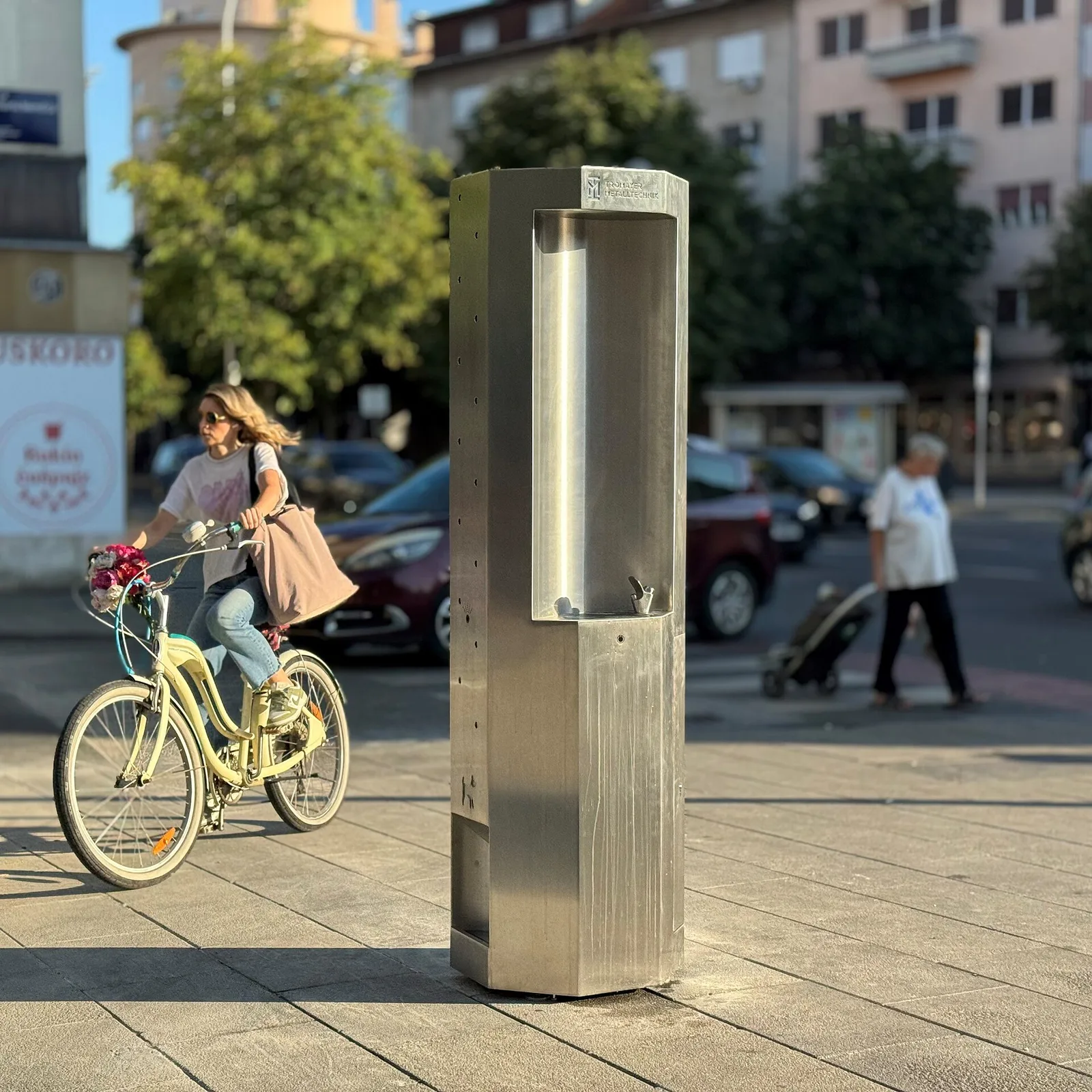
For public drinking fountains, use the City’s live fountain dataset and on-site signage. Choose a fixture clearly intended for drinking, let the water run, keep bottles away from the spout and skip a damaged or visibly contaminated outlet. Decorative fountains such as Manduševac are landmarks, not refill stations.
Questions people actually ask
Can visitors drink tap water in Zagreb?
In general, yes. Tap water is typically safe for visitors.
Should travelers buy bottled water in Zagreb?
You can, but most people don’t need to. A refillable bottle is usually the best approach.
Is tap water safe for kids?
For most families, yes. If your child has sensitivities, start with bottled water for the first day and adjust by comfort.