
What this museum is (and what it isn’t)
Zagreb does quirky museums well, and the Museum of Hangovers (Muzej Mamurluka) is one of the most “only in this city” ideas. It’s humorous, story-driven, and designed to be experienced — not just walked through quietly.
Think of it as a fun, low-pressure stop: the kind that resets your mood and makes the rest of the day feel lighter.
Who should go
- Friends: it’s quick, funny, and naturally conversation-friendly.
- Couples: a playful stop if you’re doing a modern, not-too-serious city break.
- Rainy-day travelers: an easy indoor anchor near the center.
- Anyone tired of “serious” museums: this is the palette cleanser.
Plan your visit
- Location: Vlaška street area (walkable from the center).
- Time: plan ~45–75 minutes, depending on crowds and pace.
- Check the official site for the current address, hours, tickets, and any age guidance.
Make it part of a Zagreb night
- Museum → quick walk → dinner → one bar → night stroll back through the center.
Why the Museum of Hangovers belongs in the day
The Museum of Hangovers belongs to Zagreb’s playful, unconventional museum scene. It uses stories and interactive elements around drinking culture, so the visit is entertainment-led rather than a comprehensive account of the city or a recommendation to build an evening around alcohol.
Place it in a central culture block with a café, meal or walk afterward. It works best as the light museum of the day, not one of several novelty collections visited back-to-back. Let the surrounding route carry more of Zagreb’s architecture and history.
What to notice and how to decide
Engage with the stories and social observations rather than racing only toward interactive photo moments. Groups may experience the humour differently, so give anyone uncomfortable with alcohol-related themes a clear alternative nearby instead of assuming the premise suits every traveller.
Check current opening, age guidance, ticketing and exhibit information directly. Interactive museums can change quickly, and older reviews may describe elements no longer present. The theme may not suit families, people in recovery or visitors seeking a quiet cultural experience.
Prioritise it for friends, novelty-museum fans and a deliberately light hour. Skip it when museum time is limited and Zagreb history, art or contemporary culture matters more. The museum should match the group’s humour, not appear as a compulsory stop because the title is memorable.
Read the ticket terms before buying the joke
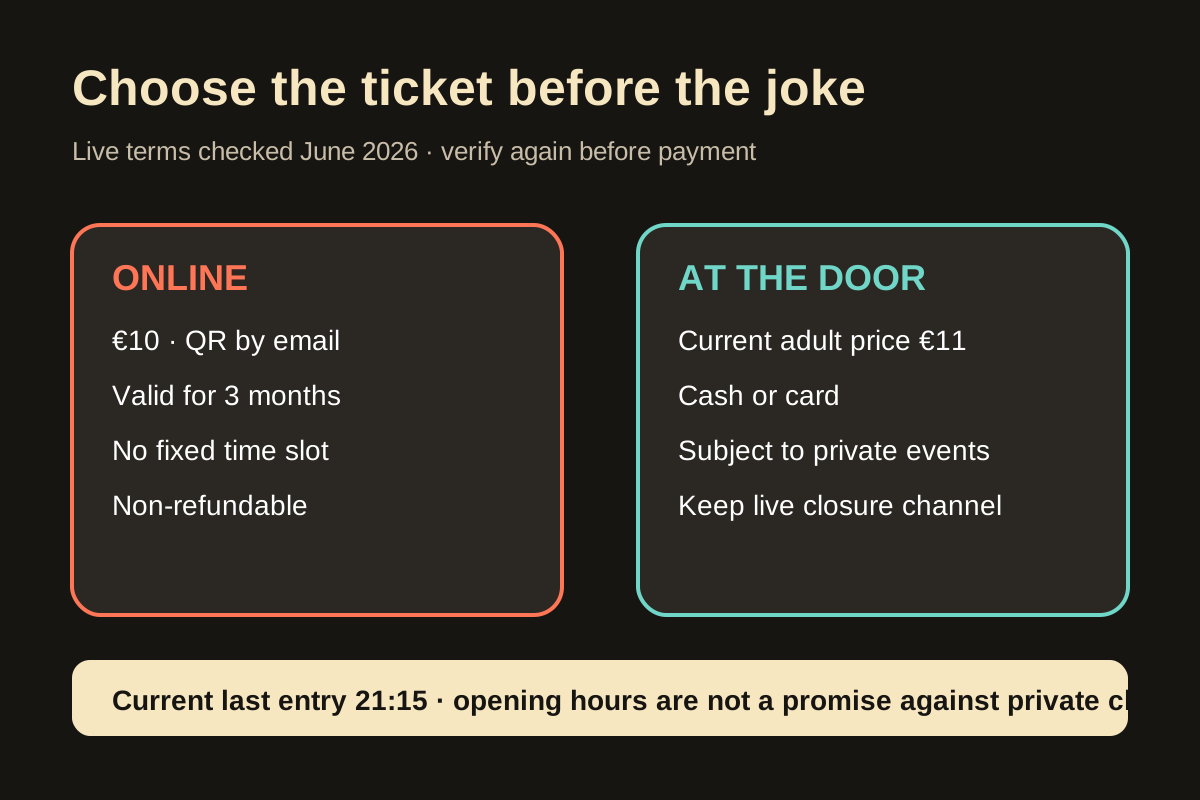
The operator’s June 2026 terms list a €10 online ticket delivered by QR code, valid for three months, transferable and non-refundable. Door prices differ. There are no fixed time slots, but that flexibility does not override expiry, private-event closure or the live entrance condition. Save the QR code offline and check current hours before travelling.
The museum currently lists daily 09:00–22:00 with last entry 21:15 and specified annual holiday closures. It may also close for private events. Verify the operator’s live site or current business update on the day. Do not buy from a screenshot or unofficial reseller; use the official path and keep payment confirmation.
Separate alcohol education from alcohol promotion
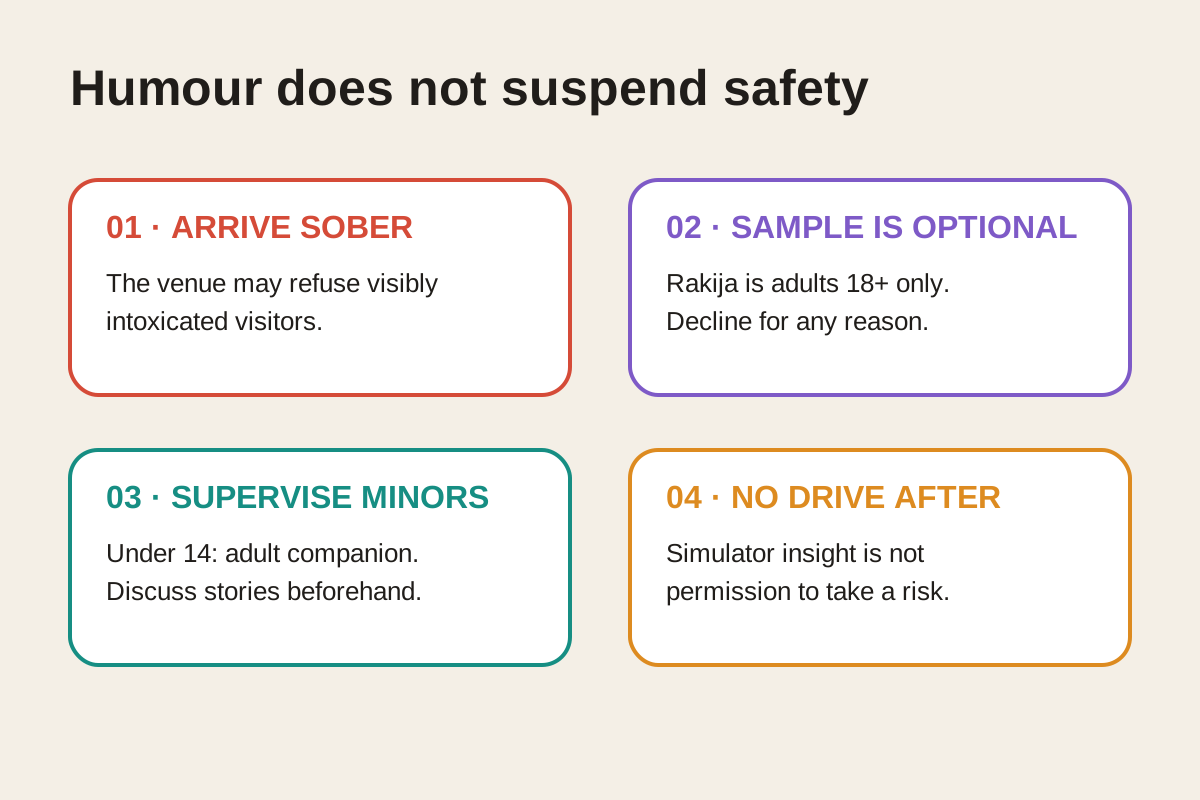
The theme uses real hangover stories, games, an impaired-driving simulator and an optional rakija sample. The operator restricts alcohol to adults 18+ and may refuse visibly intoxicated visitors. Arrive sober. Declining a sample needs no explanation, whether for health, religion, pregnancy, recovery, medication, driving or preference.
A simulator illustrates impairment; it does not measure whether someone is safe to drive. Plan a tram, walk with a sober group or licensed taxi and never encourage drinking for a better museum experience. If the content triggers concern about alcohol use, step out and seek an appropriate health resource rather than treating distress as entertainment.
Decide whether the stories suit children and the group
Visitors under 18 are allowed, and the current terms say children under 14 should have an adult companion. Suitability still depends on the child and the stories, which can involve memory loss, vomiting, risky behaviour, sex, injury or shame. Adults should review the theme and set boundaries before entry rather than relying only on an age price.
School and private groups require supervision and written booking terms. Bachelor parties or team events can change noise, drinking and social pressure. Ask about the expected time and shared spaces when that matters. No participant should be pushed to tell a personal story, drink, pose or complete a balance interaction.
Treat interactive rooms as shared physical space
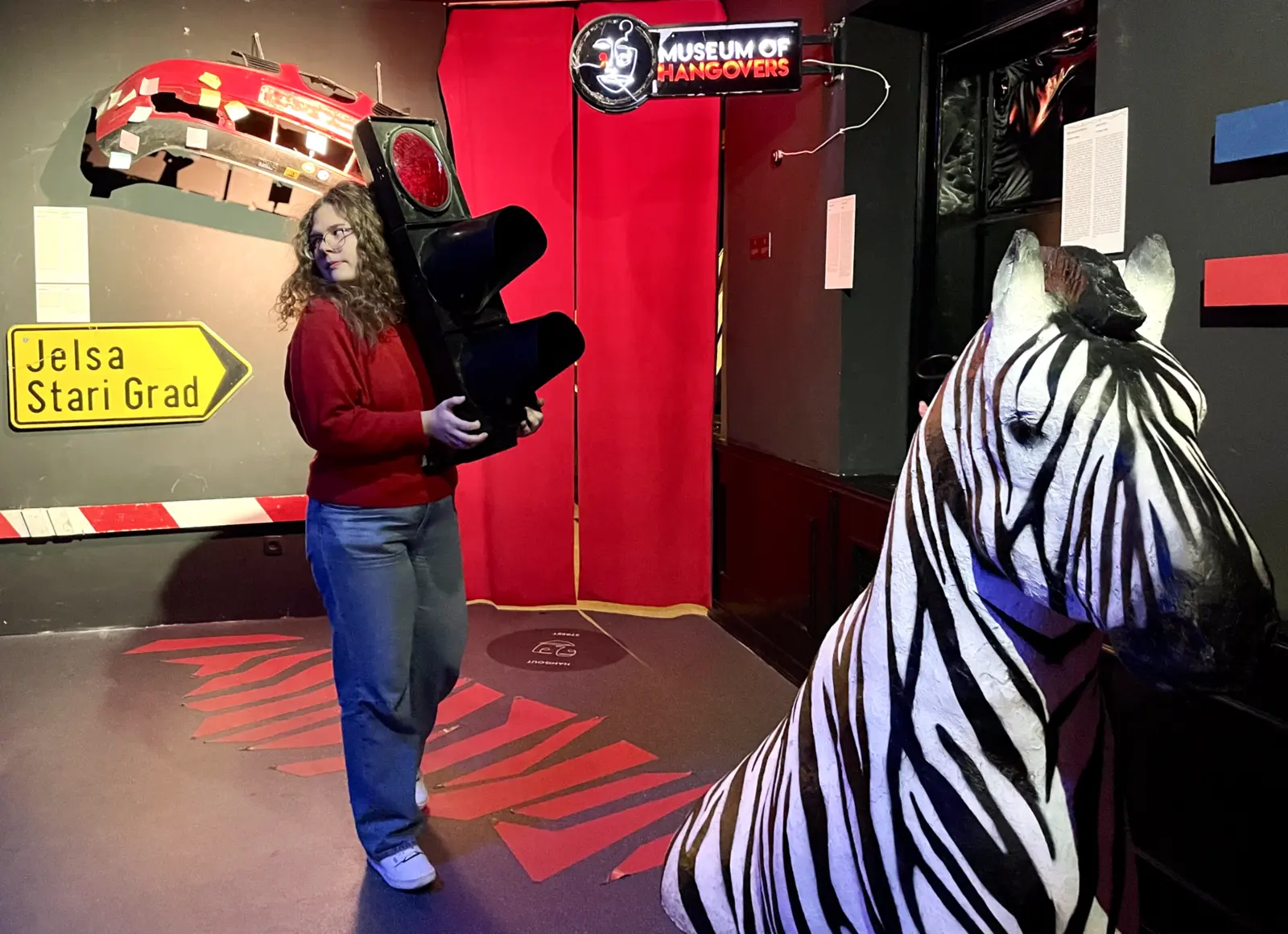
The licensed interior image shows tilted, theatrical and photo-oriented displays. Move slowly, use handholds only where intended and follow staff instructions. Balance effects can worsen vertigo, migraine or nausea. Keep bags compact, do not run, and let another visitor finish an interaction before entering their space.
Personal photography is currently welcomed, but consent still matters. Do not capture another visitor in an embarrassing pose, story recording or alcohol interaction without permission. Commercial shoots and group content follow separate terms. If an exhibit is damaged or feels unsafe, stop and tell staff instead of testing it again for video.
Check access before purchase, not at the stairs
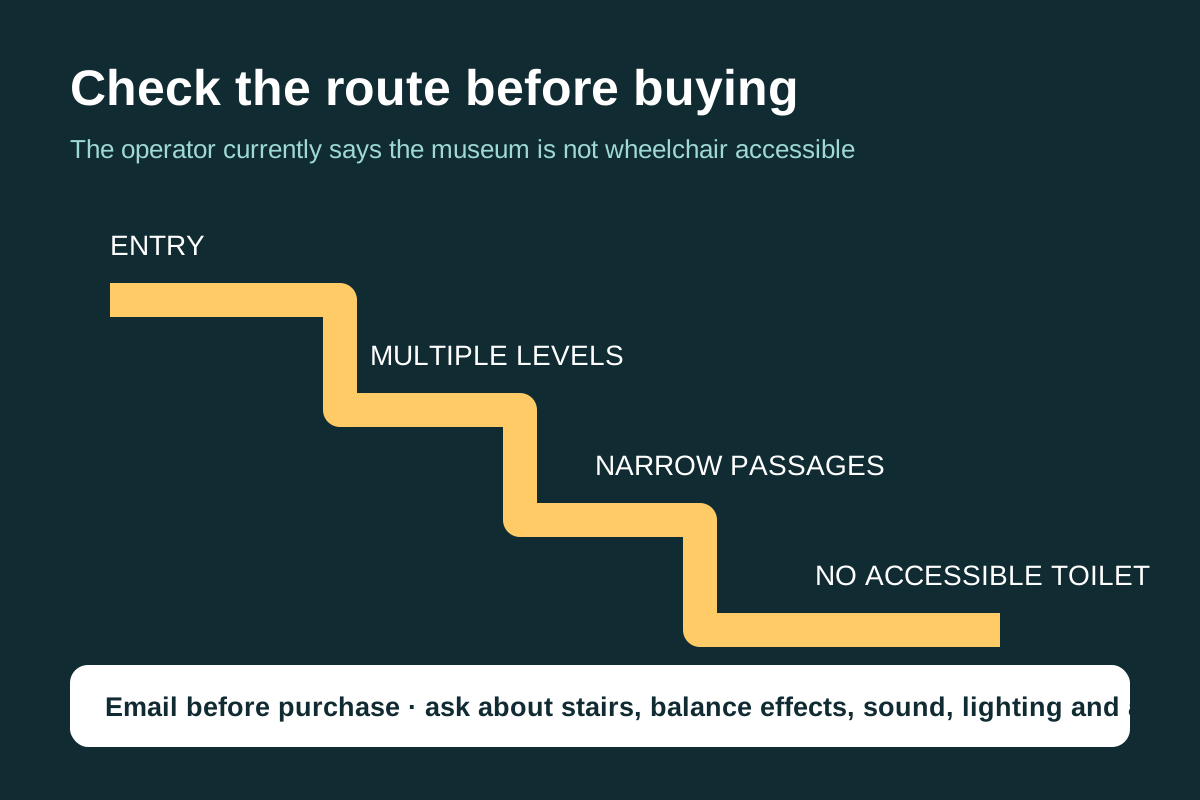
The museum currently states that it is not wheelchair accessible: it has multiple levels, narrow passages and no wheelchair-accessible toilet. Email before buying if those conditions or another mobility need matter. Do not assume staff can lift a person or chair, and do not treat a three-month non-refundable ticket as a reason to accept an unsafe route.
Ask about exact stairs, seating, lighting, sound, tilted floors, toilet and a suitable partial or alternative experience. Visitors with claustrophobia, photosensitivity, balance disorders or sensory sensitivity should decide from the actual room conditions. A companion is support, not a substitute for accessible infrastructure.
Use story collection with privacy and dignity
The museum invites visitors to submit or record hangover stories. Share only your own experience and remove names, workplaces, locations or details that identify someone else without consent. A funny retelling can expose assault, coercion, addiction or medical emergency. Do not publish another person’s vulnerability as travel content.
Ask how recordings may be stored, edited and displayed before submitting. The operator says its collection is refreshed periodically, but contribution does not guarantee inclusion. If you later regret a submission, use the venue’s privacy or contact channel; do not assume deleting a social post removes a museum copy.
Choose a central-east base and a safe return
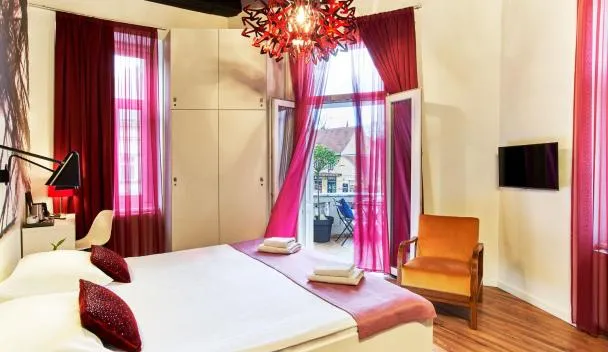
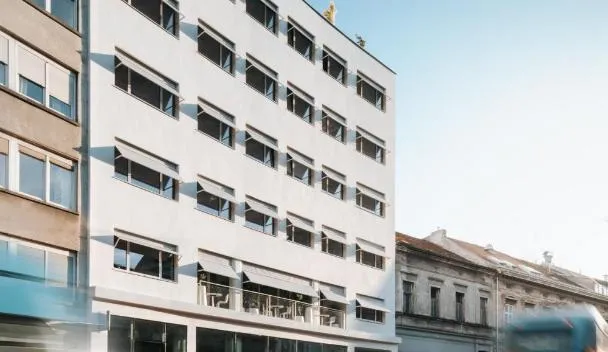
Art Hotel Like and Stellar Boutique Modules sit on the Vlaška side; Hotel Capital and Manda Heritage Hotel support broader central-east routes. Choose by room, sleep, noise and the whole itinerary. Confirm the exact entrance at Vlaška 55 and current tram service rather than trusting the venue’s generic walk time.
Pair the museum with a meal, Ribnjak or one light central activity. If anyone drinks, preserve the sober return plan. No hotel recommendation implies endorsement of alcohol or guarantees early check-in after a late visit; the route advantage is simply fewer unnecessary crossings.
Know when the theme becomes a medical or emergency issue
The museum is entertainment and education, not medical assessment. Severe confusion, inability to wake, slow or irregular breathing, seizure, repeated vomiting, blue or pale skin, injury or suspected drink spiking needs emergency help, not coffee, a simulator or a funny photograph. Call Croatia’s emergency number 112 and follow the dispatcher. Do not leave an impaired person alone or make them walk to ‘sober up’.
For ordinary discomfort, follow personal medical advice and avoid unverified cures marketed through anecdotes. The venue’s stories are not evidence that a remedy is safe with medication, pregnancy or a health condition. Group organisers should name a sober responsible person, confirm transport, retain emergency contacts and understand the written alcohol and cancellation terms before collecting money. A transferable QR code should be shared through a controlled channel so it is not scanned twice or exposed publicly. If a participant opts out of alcohol-related content, offer an easy alternative without teasing or financial pressure. Responsible planning makes the humour safer for everyone.
Verify the final choice on the visit day
Recheck opening, private-event status, QR validity and the sober return immediately before departure. Save the venue contact offline.
Questions people actually ask
Is this museum appropriate for kids?
It’s themed around hangovers and adult nights out, so it’s best to check the official site for current guidance before visiting with children.
How long does it take?
Most visitors are happy with about an hour. Treat it as a fun add-on, not a full-day activity.