
Croatia plug type (Zagreb)
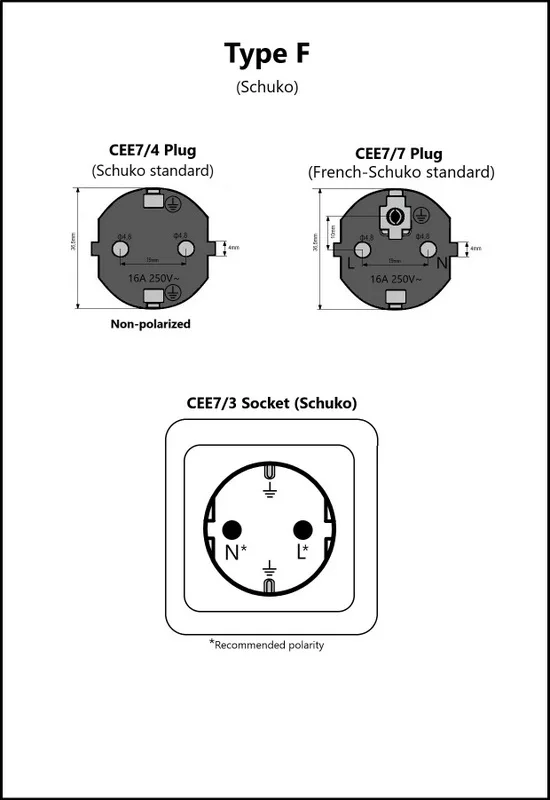
Croatia uses the common European plug types: Type C and Type F. Voltage is 230V and frequency is 50Hz.
Adapter vs converter (simple explanation)
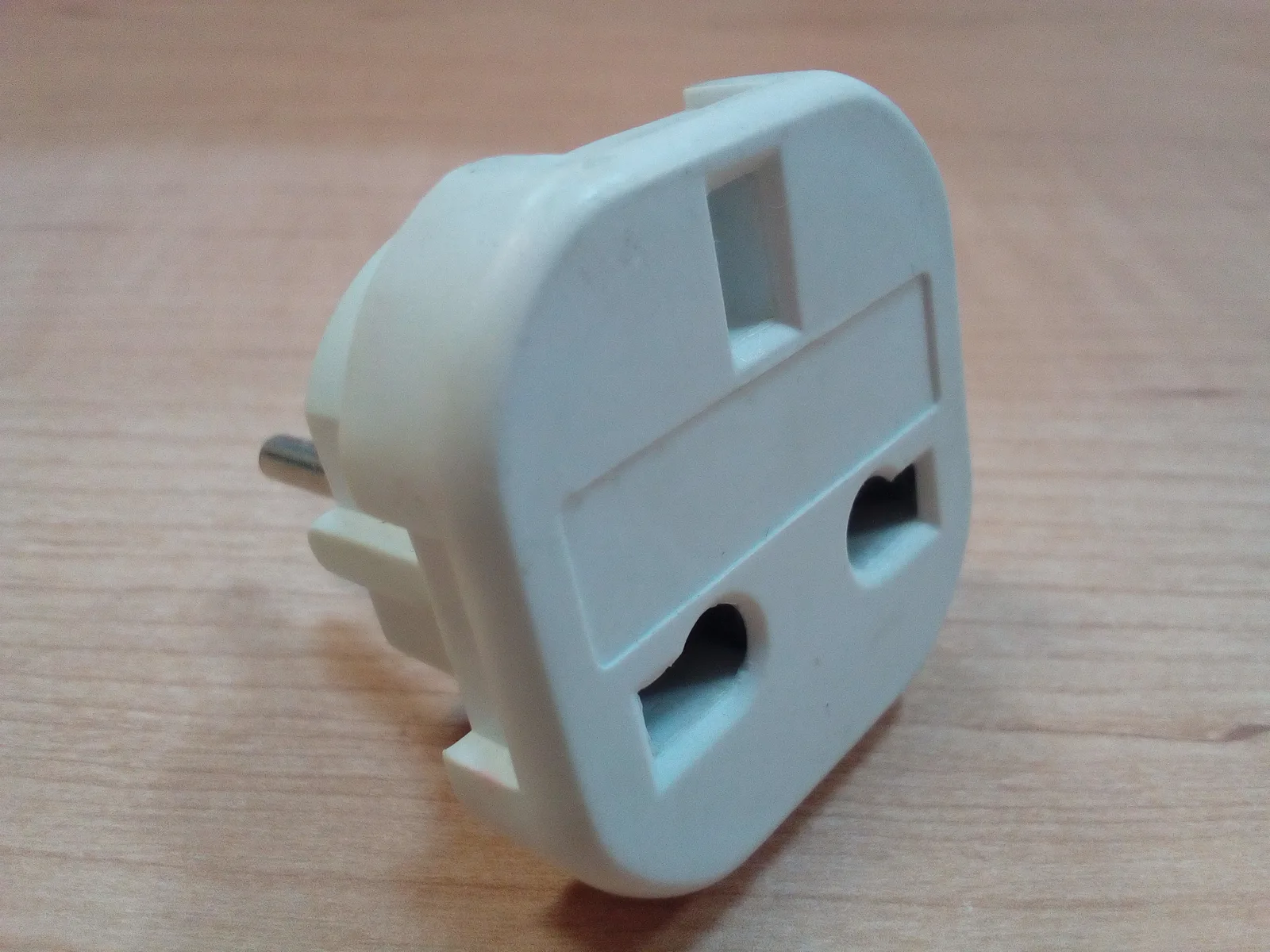
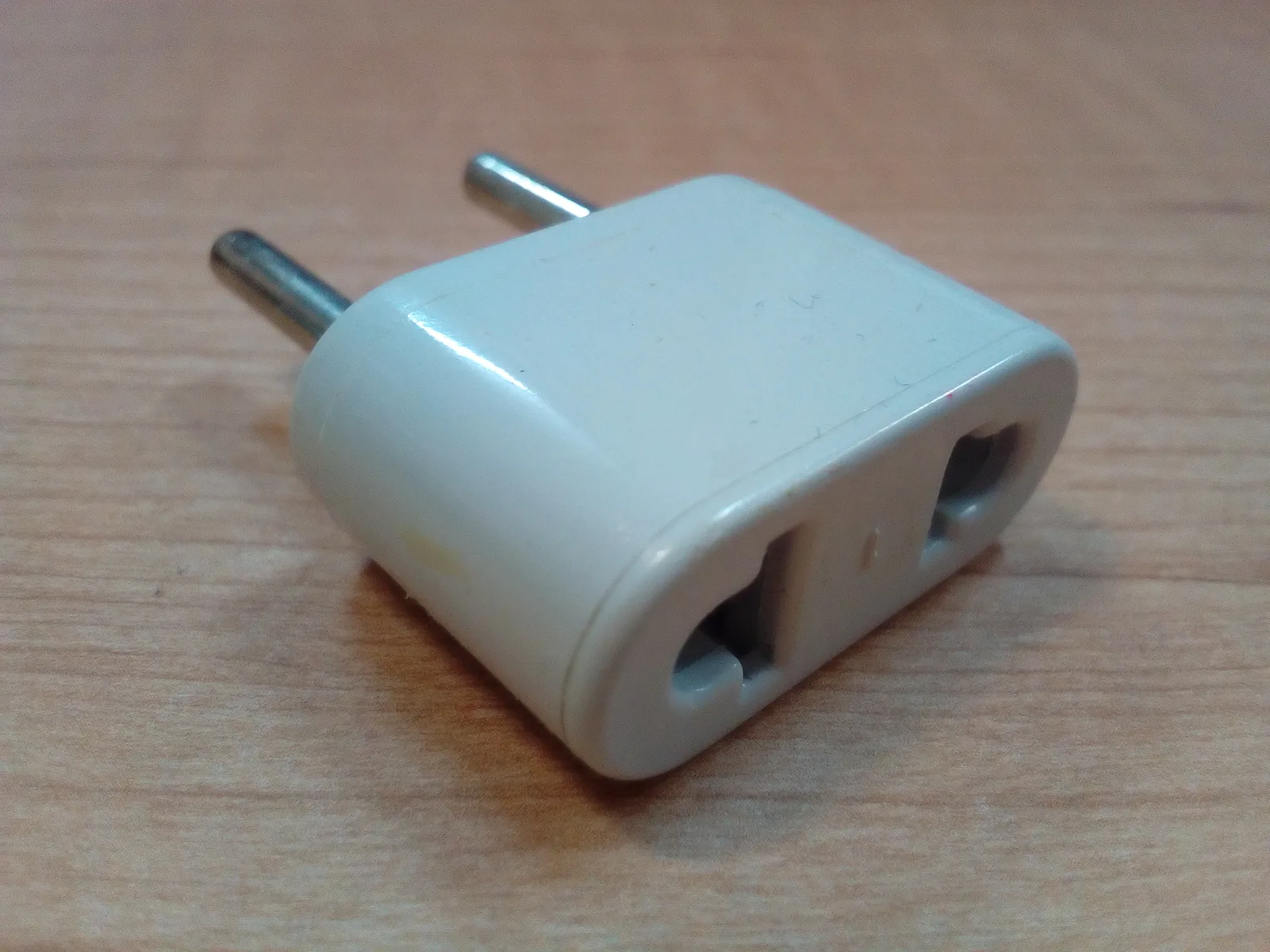
- Adapter: changes the plug shape so you can plug in.
- Converter: changes the voltage (only needed for devices that can’t handle 230V).
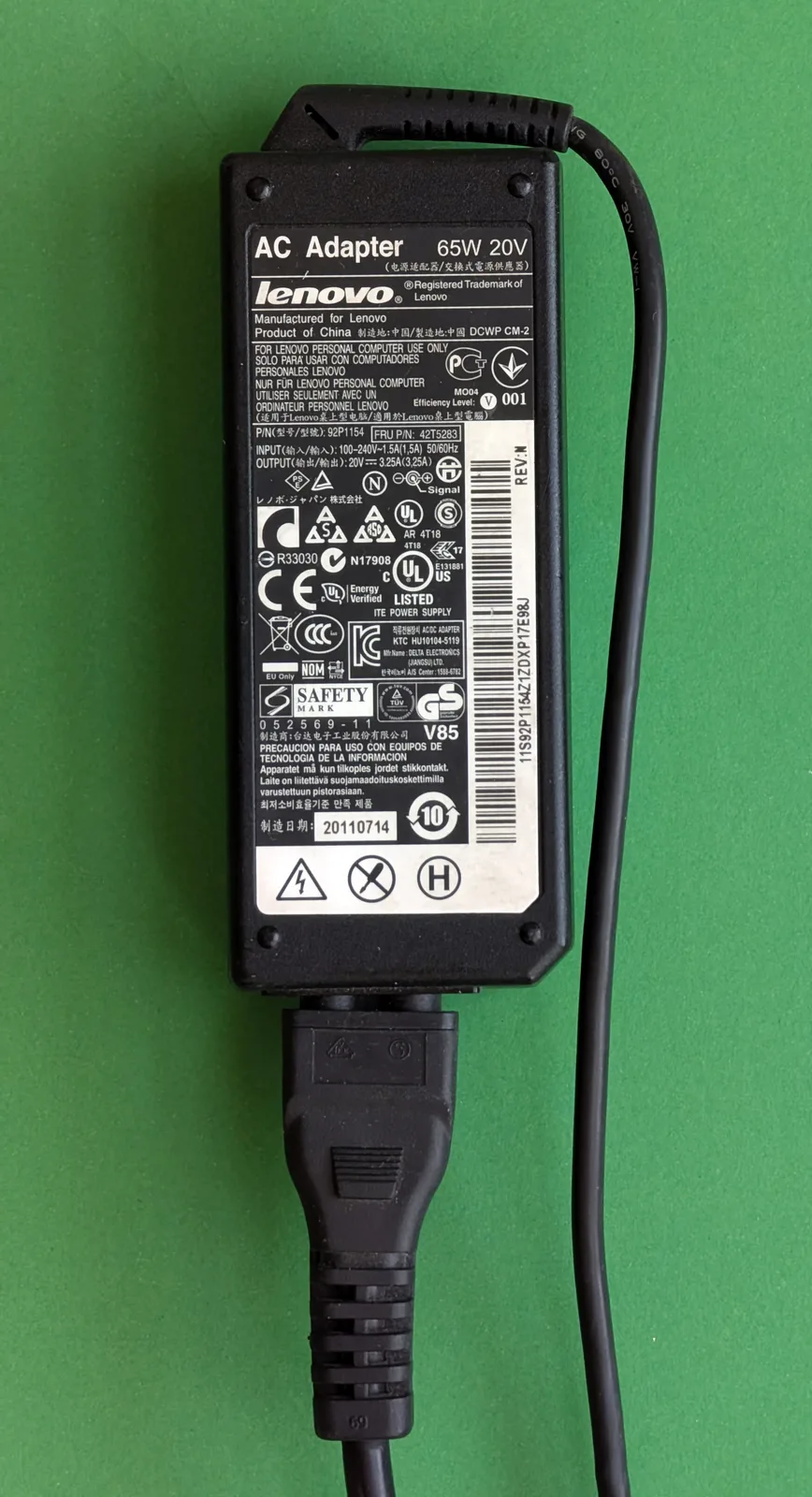
Most modern chargers for phones, laptops, cameras, and power banks support 100–240V — check the label to confirm.
The best packing move (charging setup)
- Bring one good adapter and a small multi-USB charger.
- Carry a power bank for long walking days and day trips.
- If you have multiple devices: one multi-port charger often beats multiple adapters.
Power and plug adapters: the decision before you leave
Zagreb follows Croatia’s electrical standard, so the relevant question is whether each device’s plug shape and voltage rating match what the accommodation supplies. Inspect the tiny input label on chargers rather than assuming that a physical adapter also converts voltage; those are different functions.
Bring one reliable adapter for each charging bottleneck or a quality multi-port charger that supports your equipment. Keep critical medical-device requirements separate from ordinary phone charging, and confirm directly with the hotel when uninterrupted power or a particular outlet arrangement is essential.
How to handle power and plug adapters on the ground
Do not overload a loose socket with a chain of heavy adapters. Place devices where cables will not create a trip hazard, especially in older rooms with limited outlets. Charge a power bank during the first evening so navigation and ticket access are not dependent on one bedside socket.
Edge cases, current checks and the calm fallback
High-power appliances such as hair tools deserve particular voltage scrutiny. A plug that fits through an adapter can still be unsafe when the appliance is not dual-voltage. Use hotel-provided equipment or a properly rated converter only when the manufacturer’s specifications support it.
If the adapter is missing or unsuitable, ask the accommodation before buying the first airport option; reception may lend one or direct you to a nearby electronics shop. Never improvise exposed contacts or force a plug into an outlet. When replacing a charger, match its output and supported charging protocol to the device as well as the wall standard. A reputable, correctly rated unit is worth the small detour because overheating or damaged electronics cost far more than a quiet evening of slower charging. Unplug equipment that becomes unusually hot, smells wrong or makes the socket unstable, then ask the accommodation to inspect the outlet before using it again.
Check voltage before solving plug shape
Croatia uses Type C and Type F sockets with a 230-volt, 50-hertz supply. A plug adapter changes only the physical connection; it does not convert voltage or frequency. Read the input label on every charger or appliance. A phone or laptop power supply marked with a range that includes 230 V and 50 Hz normally needs only a suitable adapter, while a single-voltage 120 V hair tool may need a properly rated converter or should stay at home. Never guess from the detachable cable alone.
High-wattage heat appliances create the greatest risk because many small travel converters and multi-adapters are not rated for them. Compare the device wattage with the converter or adapter limit and follow the manufacturer’s instructions. Do not stack loose adapters, overload a hotel socket or use a damaged universal block. When accommodation supplies a hairdryer or kettle, using that local appliance is usually safer and lighter than transporting a converter for one task.
- Pack one reputable grounded adapter when the device requires grounding.
- Put charging cables and a small power bank in hand luggage, observing airline battery rules.
- Ask the hotel about bedside sockets or USB ports, but do not make them essential to the plan.
- Unplug a warm, buzzing or unstable adapter immediately and replace it.
- Test essential medical equipment with its manufacturer or qualified supplier before travel; a hotel adapter is not a compatibility guarantee.
Questions people actually ask
What plug type is used in Croatia?
Type C and Type F are standard in Croatia, including Zagreb.
What voltage is used in Zagreb?
230V, 50Hz.
Do I need a voltage converter?
Usually not for phones/laptops if the charger is dual-voltage (100–240V). Check your device label to be sure.