
The Zagreb souvenir philosophy
The best souvenirs from Zagreb aren’t the loudest or the most ‘touristy.’ They’re small, useful, and tied to the city’s actual rhythm: coffee culture, markets, design streets, and museums with personality.
A great rule is to buy something you’ll use — and let the memory come back naturally (instead of buying something that sits on a shelf forever).
Zagreb-specific souvenirs (the best ‘only here’ picks)
- Licitar heart (licitarsko srce): the red, icing-decorated honey-dough heart that’s a symbol of Zagreb — the gingerbread craft of Northern Croatia is on UNESCO’s intangible-heritage list. Sold as a decorative keepsake (they keep for years) or as an edible version.
- A Croatian cravat (kravata): the necktie traces its name and origin to 17th-century Croatian soldiers, so it’s a genuinely ‘made-here’ gift — the Croata brand revived the tradition and has boutiques in the center (look around Ilica and the Oktogon passage).
- A Museum of Broken Relationships shop find: its tongue-in-cheek, story-driven objects make some of the most distinctly ‘Zagreb’ gifts in the city.
- Local design items: prints, notebooks, small ceramics, and objects that feel ‘city’ rather than ‘country.’
Croatian classics that are easy to buy in Zagreb
- Kraš chocolate — especially Bajadera (a layered almond-and-hazelnut nougat) and the Griotte cherry pralines. Kraš is Zagreb’s own confectioner (founded 1911) and the boxes pack and travel well.
- Croatian food gifts: olive oil, truffle products, honey, or a rakija/pelinkovac miniature — look for small, sealed, suitcase-safe jars and bottles.
- A ‘coffee ritual’ gift: beans from a coffee-first shop or a small café-themed souvenir.
Where to shop (without turning the day into errands)
- Museum shops: perfect as a ‘souvenir moment’ that fits your sightseeing.
- Design streets: pair shopping with coffee and a walking route.
- Markets: browse in the morning, then choose one or two small items — don’t overbuy.
A simple ‘souvenir walk’ (1–2 hours)
- Start central → do one museum shop stop → coffee → design street wander → finish with a market browse (if timing fits).
This route keeps shopping inside a real Zagreb day: walking, coffee, and one or two intentional purchases — nothing more.
What not to buy (if you want a better souvenir)
- Bulky items you don’t actually want to carry.
- Fragile items without proper packaging.
- Anything you’re only buying because you feel like you ‘should.’
What souvenir shopping in Zagreb should add to the trip
A good Zagreb souvenir should carry a real connection to the trip, survive the journey and suit the recipient. Food, design, craft and books can all work when origin and usefulness are clearer than the branding.
A route and pace that make souvenir shopping in Zagreb work
Browse early enough to compare, but buy near the final day so fragile or perishable items are not carried through every walk. Connect shopping with Ilica, a market or a design-street route instead of creating a mall-only day.

The choices, trade-offs and common mistake
Ask where an item was made, what material it uses and whether the story is documented. Choose one considered object over several generic city-logo products whose only Zagreb connection is the checkout location.
Check airline, customs and destination restrictions for food, liquids, plants, antiques or cultural property. A purchase that cannot travel legally or safely is not improved by being locally made.
Weather, current information and the fallback plan
When nothing feels right, buy a small edible item for immediate sharing, a postcard or nothing at all. Photographs, a return café and money spent with a local maker can be enough memory.
Buy a story that can be verified
Ask who made the object, where, from what, under which brand or institution, and why it connects to Zagreb. A generic magnet becomes no more local because it sits near the main square. Maker, material, place and receipt are stronger than a red-and-white motif alone.
Choose one useful or meaningful object after experiencing its context. Museum design, market food, a local book or a documented craft can work. Do not buy from obligation or a checklist of national symbols.

Use museum shops after checking the museum
Museum of Broken Relationships, MSU, Zagreb 80s and other institutions may offer collection-linked products, but current shop access, admission and stock vary. Old tourism articles from 2011 or 2012 are archive leads, not live inventories. Check the institution today.
A museum purchase is strongest when it relates to an object or exhibition actually seen. Read designer, rights and production information. A replica or inspired product is not the original artwork, and its maker deserves correct credit.
Consider inclusive local production
The tourist board’s 2023 article documents URIHO’s ‘I read by touch’ Zagreb line, developed with tactile Braille prints and disability expertise. Verify current URIHO shop or web availability before recommending. Inclusion claims should come from the producer and current product, not appearance.
Ask size, material, care and who will use the item. Do not describe tactile decoration as accessible for every blind person without evidence. A socially valuable producer still deserves normal questions about fit and provenance.
Use markets for food with safety and origin checks
At Dolac or neighbourhood markets, ask origin, producer, ingredients, weight, storage and whether the food can cross the destination border. Keep labels and receipt. Fresh cheese, meat, honey, plants and alcohol can face transport or customs limits and require temperature control.
Do not handle products without permission or assume handmade means Zagreb-made. Eat fragile food locally. A shelf-stable item from a named producer is usually a better journey souvenir than an unlabeled perishable bought for colour.
Treat cravat, licitar and design claims precisely
Cravat stories connect Croatia with the tie’s name and seventeenth-century military history, but a tie sold in Zagreb may be manufactured elsewhere. Check maker and material. Licitar hearts carry regional craft associations; ask whether the object is decorative or food and what ingredients and care apply.
Martićeva and design shops can offer contemporary Croatian work, but a decade-old design-festival article does not prove today’s tenant. Verify the current shop and named designer. Contemporary design need not imitate folklore to be a meaningful city souvenir.
Match the shopping route to the hotel
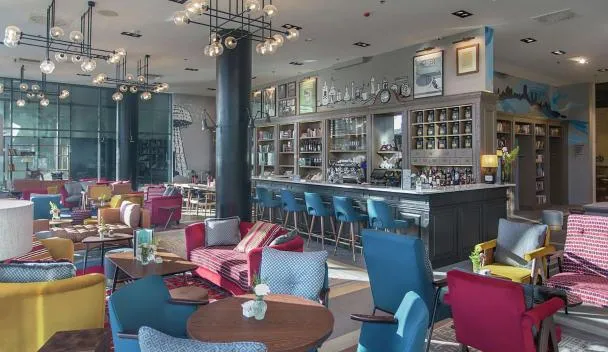
Hotel Capital supports Dolac and central museum shops; Jagerhorn supports Ilica, Tomićeva and Upper Town; Canopy supports Martićeva; Pullman supports MSU; Zonar supports western markets. Shop near the existing route and return fragile purchases to the room.
Ask the hotel about package receipt, refrigeration and safe storage before ordering. Do not have alcohol or food delivered to reception without agreement. Keep valuable purchases and receipts secure and do not publish the room or absence in real time.



Pack, declare and gift responsibly
Check airline liquids, battery, sharp-object, weight and fragile-item rules plus destination customs and agriculture restrictions. Keep original packaging and receipt. Do not conceal food, alcohol, plant or animal material. Shipping requires written price, tax, insurance and breakage terms.
Know the recipient’s allergies, ethics, size and taste. An unlabeled edible or scented product can burden them. A postcard, book or story told well may be the better gift than a large object chosen only because luggage had space.
Recognise counterfeit and pressure
Walk away from false authenticity certificates, aggressive urgency, off-platform payment or a price that changes after packaging. Confirm total and currency before tapping. For antiques, cultural property or valuable art, seek provenance and export guidance; a market table is not automatic legal clearance.
If uncertain, photograph the maker information with permission and decide later. A missed purchase is cheaper than counterfeit, unsafe food or an object that cannot travel. The strongest souvenir decision survives outside the shop’s sales pressure.
Check return, repair and lifetime cost
Ask whether a defective item can be returned from abroad, who pays shipping, and whether repair or replacement is possible. Keep receipt, maker contact and care instructions. A low price can hide fragile construction or an impossible return; a durable object from a traceable maker may carry better long-term value.
Inspect seams, closures, print, glaze, food seal and packaging before leaving. Photograph existing damage with staff consent. For gifts, include the maker’s story and care instead of removing every label for presentation. Provenance is part of the souvenir, not clutter to discard. Buy only after the object passes this practical check completely.
Questions people actually ask
What’s the best souvenir to bring home from Zagreb?
For something distinctly local, a licitar heart (Zagreb’s UNESCO-listed gingerbread craft) or a box of Kraš Bajadera is hard to beat; a Croatian cravat or a Museum of Broken Relationships shop item makes a more design-led gift.
Where should travelers shop for souvenirs in Zagreb?
Museum shops, Dolac Market mornings, and design streets (like Martićeva) are the best places to find things that feel local.
When should I buy souvenirs?
Day two or three is best. After you’ve walked the city, you’ll choose better and buy less.