
Why Martićeva is a good Zagreb detour
If you want a Zagreb moment that feels more “local everyday cool” than “tourist checklist,” head to Martićeva. It’s the kind of street you browse slowly: design storefronts, small independent places, and a coffee stop that turns into an hour.
It’s especially good when you’ve done the historic center and want something contemporary — without going far.
The best way to do Martićeva (a simple mini-itinerary)
- Arrive late morning or early afternoon and start with coffee.
- Stroll the street slowly — pop into whatever looks interesting (that’s the point).
- Walk toward Kvatrić for a market snack if you want a more everyday Zagreb vibe.
- Finish with a park loop or dinner back toward the center.
Who Martićeva is perfect for
- Design lovers who want shops and studio energy (without a full museum day).
- Couples looking for a relaxed date stroll that isn’t overcrowded.
- Visitors staying longer than a weekend who want “real neighborhood life.”
Small tips that make it better
- Go on a weekday if you want a calmer vibe; weekends can be livelier.
- Treat it as browsing time — don’t over-plan specific stops.
- Pair it with a market or a park so the day feels balanced.
Why Martićeva Street belongs in the day
Martićeva is a useful route into Zagreb’s design-minded, café-led and residential side east of the immediate centre. Its appeal is cumulative: shops, street details and nearby daily life create a neighbourhood walk rather than one landmark demanding a photograph.
Begin near central Lower Town and follow the street toward Kvatrić, choosing one café or shop as an anchor. Return by tram or a parallel route. This turns Martićeva into a purposeful transition and avoids walking the same corridor twice merely to claim completion.
What to notice and how to decide
Notice storefront scale, graphic details, side streets and the change from central institutions to everyday blocks. Current businesses are part of the experience but should be checked directly; the street’s deeper value is how it reveals contemporary urban texture between specific recommendations.
Traffic, construction and business turnover can affect the walk, while the best café or retail moments depend on current hours. Check any must-visit venue, then let the rest remain exploratory. Pavement conditions and crossing points should be considered for accessibility needs.
Prioritise Martićeva on a second or third day, for design interest, coffee and a neighbourhood contrast. A one-day visitor should keep the historic and Green Horseshoe routes. Go because ordinary contemporary Zagreb interests you, not because the street is marketed as a secret attraction.
Do not mistake a 2016 festival story for a permanent district
The tourist board’s widely repeated Design District article describes a four-day festival in June 2016 and the creative regeneration then emerging around Marticeva. It is valuable historical context, not a current event calendar or guarantee that every named shop survives. Check the date on any design-district claim, then verify today’s venue or programme directly. The neighbourhood exists between festivals.
Choose Marticeva for a contemporary eastern-centre walk only when its mix of architecture, small businesses, culture and everyday residential life fits. Do not expect a themed attraction at every address. A good route observes several layers and visits one confirmed place. When a storefront has closed or changed, record the turnover instead of calling the street disappointing.
Read interwar, residential and contemporary layers
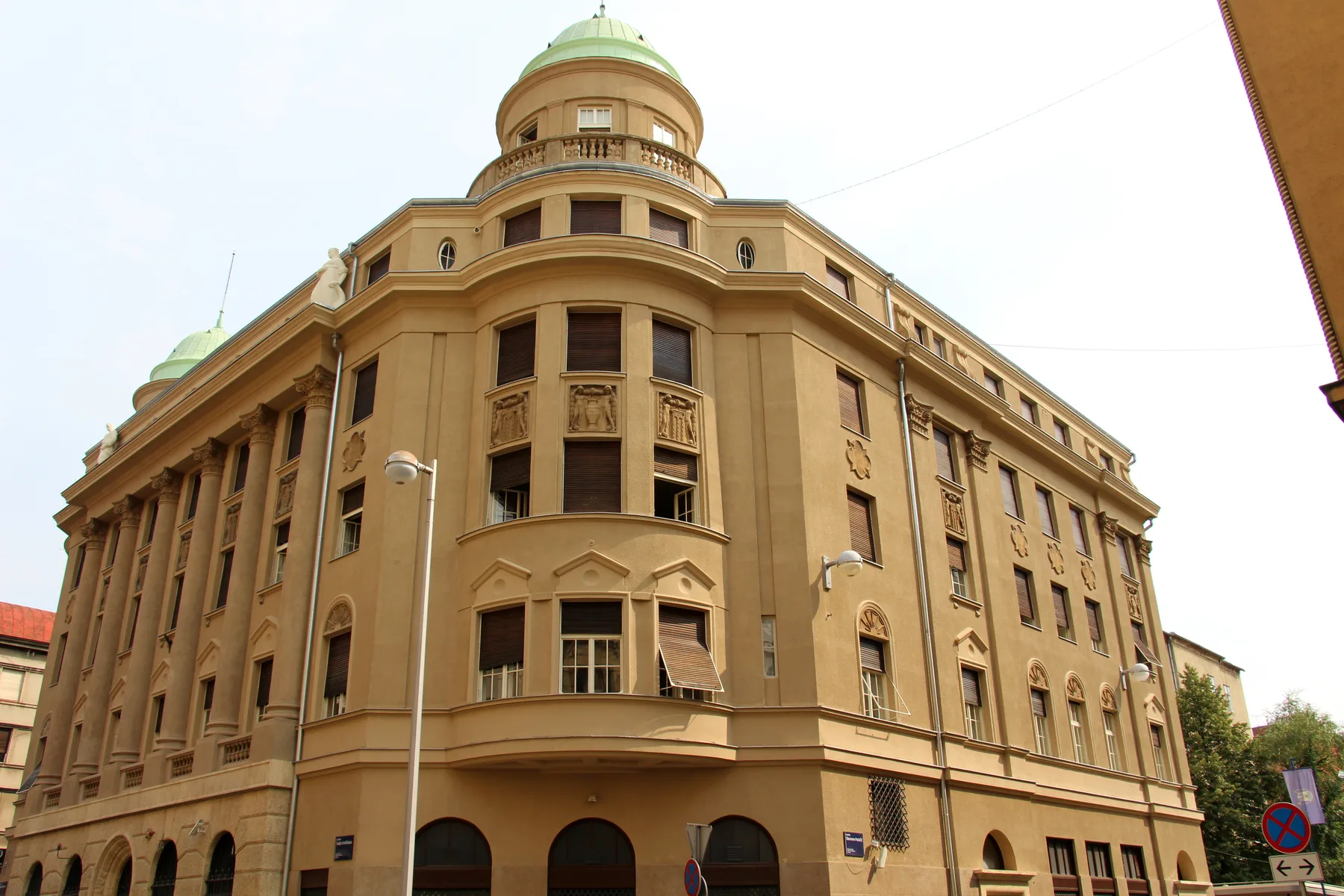
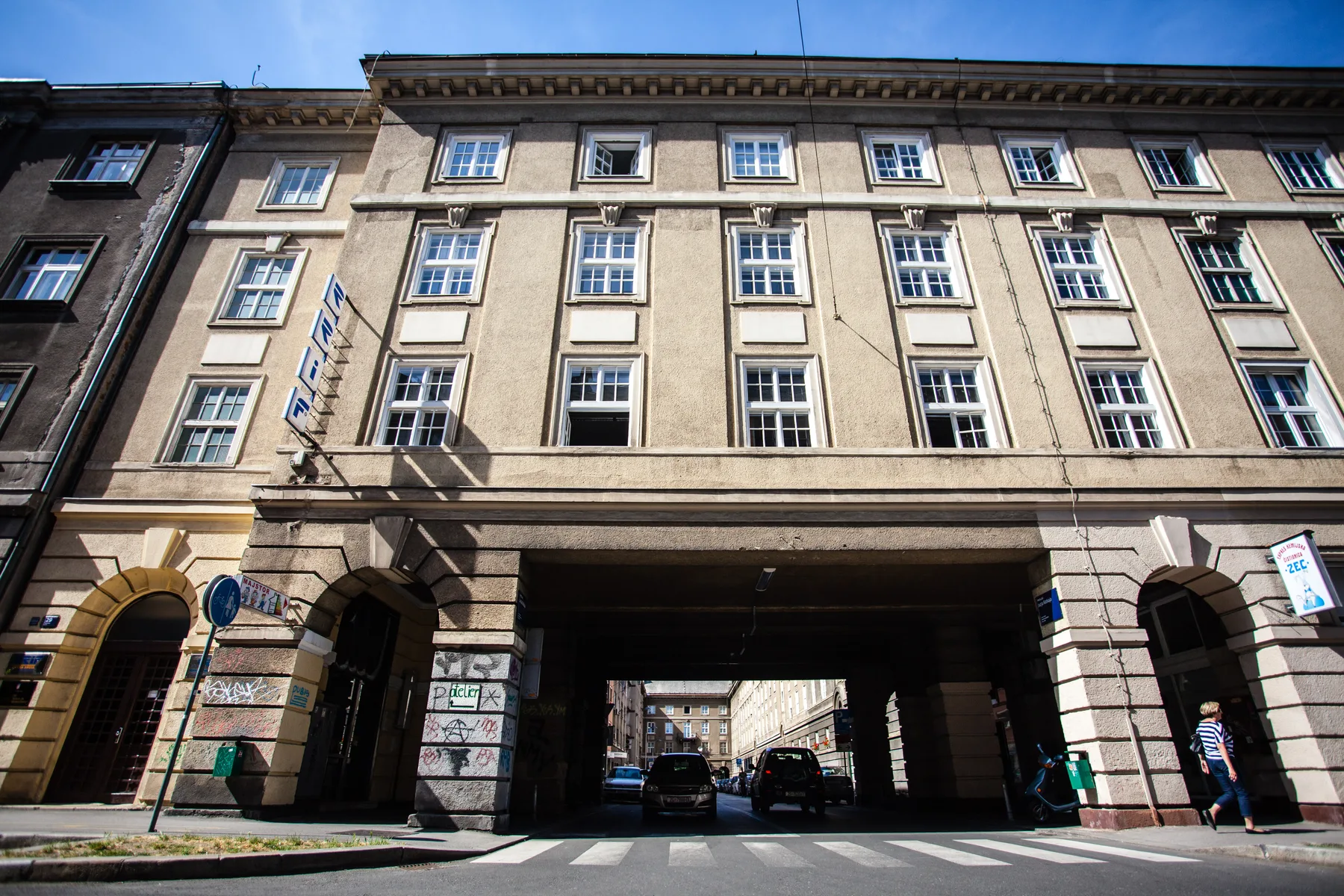
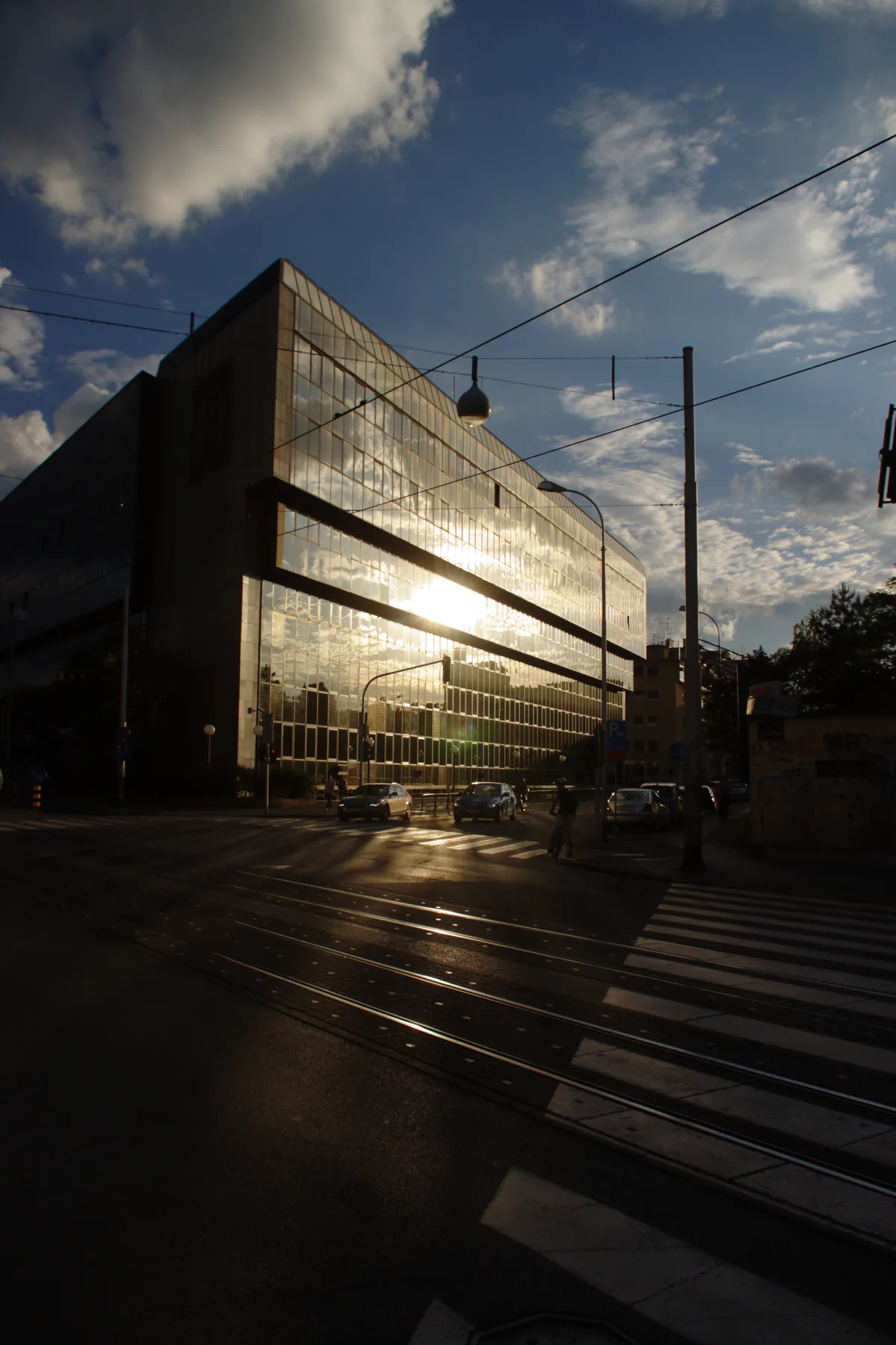
The former Croatian Agricultural Bank building, Marticeva 29 passage and modern gallery provide three different architectural questions: commercial monumentality, housing-and-access structure and contemporary cultural insertion. Look at corners, entrances, materials and relation to tram or pavement. Do not label every building modernist or assign an architect from appearance; use a reliable heritage record for specific attribution.
The large passage at number 29 remains a working threshold for residents and vehicles. Observe from public space and enter only where signs clearly permit. Never block it for a symmetrical photograph or follow a resident through a secured route. Marticeva’s value depends on recognising private life and service access alongside public-facing creative businesses.
Verify every shop, gallery and café on the day
Independent opening hours change with exhibitions, staff, holidays and commercial turnover. Use the venue’s current official channel, confirm whether an appointment or ticket is needed and keep a second option within the same geography. A gallery exterior does not prove an exhibition is installed, while a design-store feature from several years ago is not inventory evidence.
At a café, read the live menu, table conditions, payment and smoking exposure before sitting. At a shop, ask before photographing products and respect return or export conditions. Do not occupy a small business for content without buying or genuine engagement. One well-chosen stop plus the street walk is enough; a forced crawl turns local places into a checklist.
Use Grgo Martic Park as a pause with neighbour etiquette
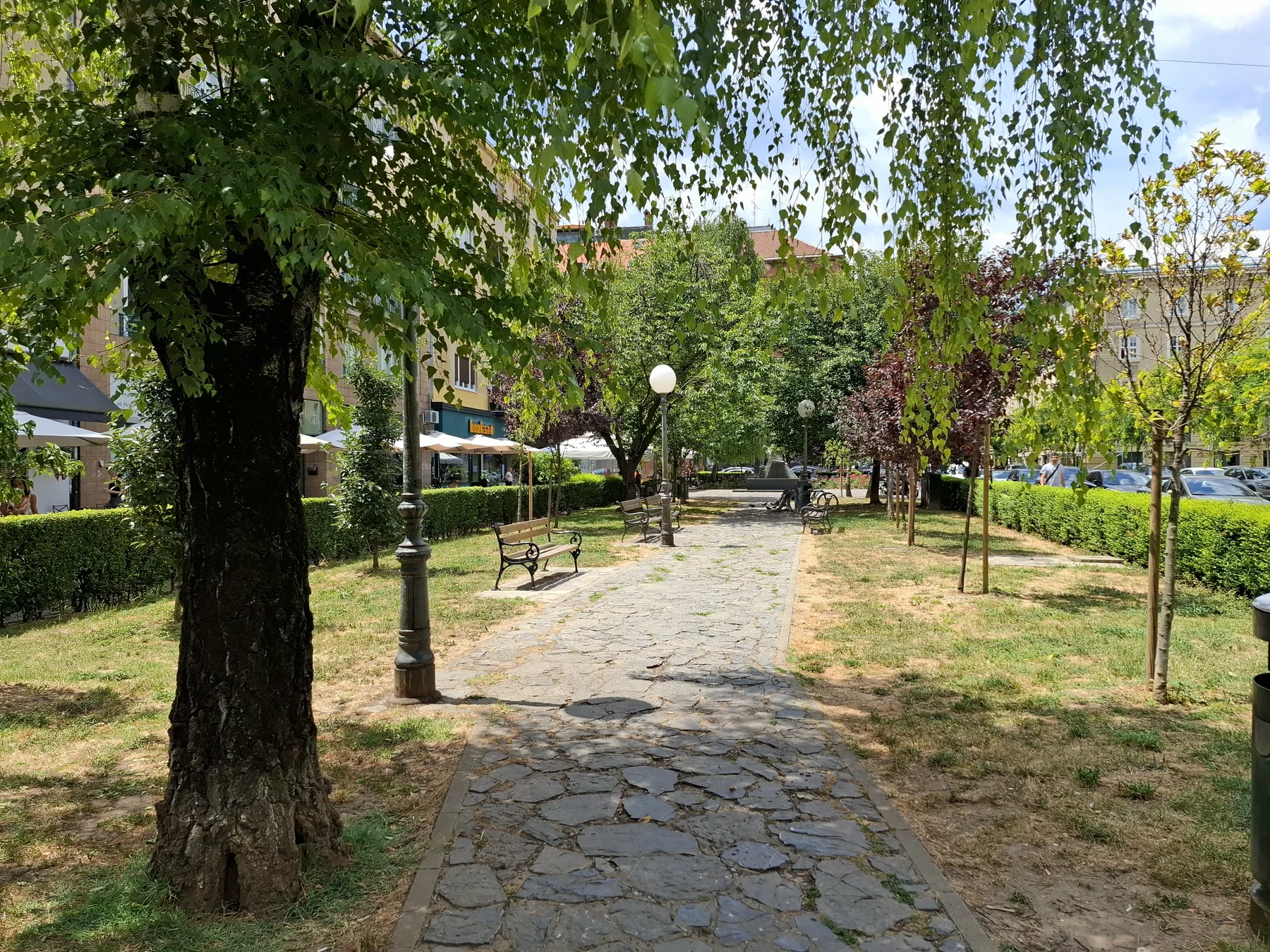
Grgo Martic Park offers trees, benches and a clear endpoint within the wider neighbourhood. The 2025 sourced image records a recent ordinary condition rather than a festival installation. Use the park for a short rest, keep paths clear and carry rubbish away. Do not treat planting, playground activity or people on benches as a styled background.
Sound carries into nearby homes. Keep speakers off, supervise children and respect posted rules for dogs, cycling and events. During heat, trees provide partial shade but not a substitute for water; during lightning or strong wind, leave rather than shelter under branches. A busy event can change seating and circulation, so keep an alternative rest point.
Plan tram, traffic and continuous access
Marticeva is a working traffic and transit corridor, not a fully pedestrian design promenade. Cross at intended points, look for trams and bicycles and keep photo equipment off rails. Deliveries can occupy kerbs or passages. Use live ZET information for the exact stop and direction. If a favourite venue is closed, do not cross traffic repeatedly searching both sides without a safe plan.
Wheelchair users and travellers with mobility aids should check pavement width, kerbs, gallery thresholds, toilets and park surfaces along the actual section. A modern-looking cultural building does not prove full access. Ask the venue, choose the easier side of the street and save a step-free return. Wet rails and paving add risk after rain.
Photograph urban change without turning residents into branding
Use a sequence of public architecture, an invited cultural exterior and the park rather than pointing a camera through residential windows or studio doors. Ask before photographing staff, customers or products. Keep tripods and companions away from tram rails, driveways and passage entrances. Commercial shoots require the relevant property and public-space permissions even when the street appears informal.
Date murals, signs, exhibitions and construction. A temporary creative intervention should be credited to the artist and programme when known, not absorbed into a vague ‘cool neighbourhood’ aesthetic. Likewise, graffiti, closed premises and worn facades are parts of real property and municipal conditions, not proof that the district is undiscovered. Specific observation protects both accuracy and dignity.
The strongest Marticeva note explains contrast: how a bank corner, residential passage, contemporary gallery and small park coexist along a transit street. That evidence remains useful after a café closes. It also gives visitors a reason to walk one defined section instead of searching private courtyards for a promised creative scene. End before attention drops, then record the endpoint for future route updates.
Make one eastern-centre route and hotel decision
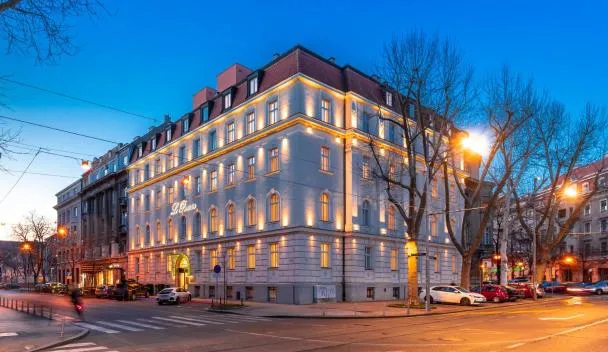
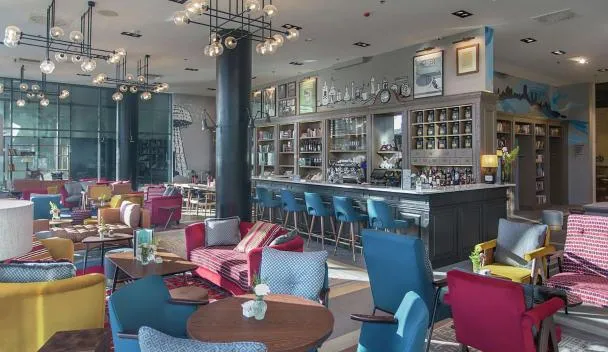
Connect Marticeva with one current gallery, Grgo Martic Park and Kvatric only when the market condition fits, or return west through Vlaska to the centre. Do not add Kaptol, Upper Town and the Horseshoe to the same afternoon without a clear reason. Hotel Le Premier supports an eastern arts-and-design route; Canopy by Hilton suits the station and Branimirova side; Hotel Capital remains more central.
Verify room, tram noise, exact approach and the evening return. A ‘creative district’ hotel claim should describe access to several confirmed interests, not imply a formal district boundary or partnership. Choose the base from the whole stay. Marticeva then becomes a coherent local chapter rather than a vague promise that the neighbourhood is automatically cooler than the historic centre.
Questions people actually ask
Is Martićeva close to the city center?
Yes — it’s an easy detour from the central area, and it pairs well with Kvatrić and Lower Town walks.
Is Martićeva more about food or shopping?
Both — but the main point is the vibe: independent storefronts, design energy, and coffee stops that feel local.