
Why Ljubljana works as a day trip
Ljubljana is compact, walkable, and scenic — the kind of city that rewards a simple plan. If you want an international day without a long logistics day, Ljubljana is one of the cleanest options from Zagreb.
Before you go (the important practical check)
- Bring your passport/ID for border crossing (requirements depend on your citizenship).
- Start early so the day feels spacious, not tight.
- Check same-day return times before you commit to a late lunch.
How to get there (train vs bus)
- Train: comfortable and relaxed, but always confirm schedules and potential changes.
- Bus: often frequent and straightforward; good if train times don’t fit your day.
A simple Ljubljana day plan (that actually fits a day trip)
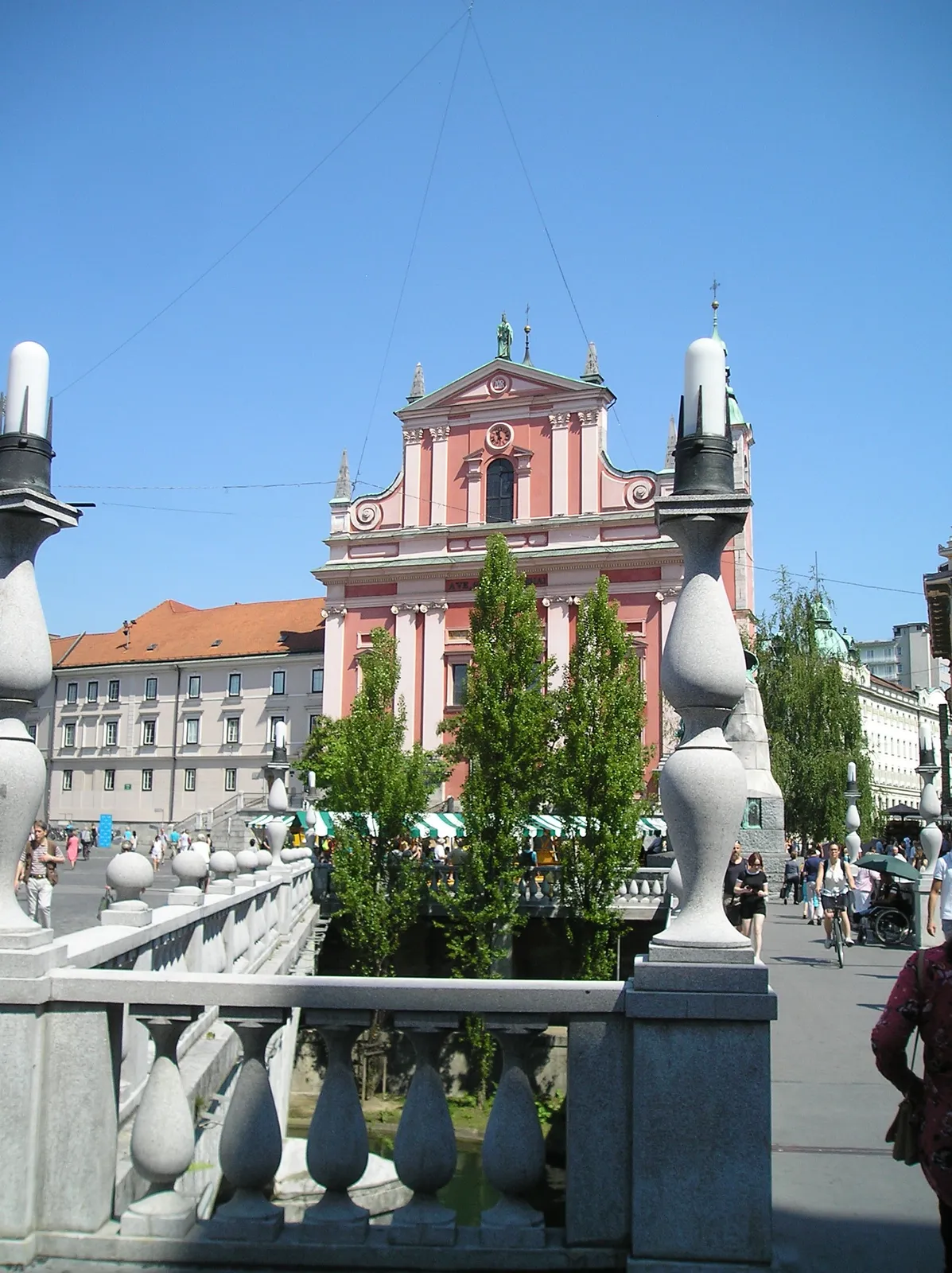
- Arrive → river walk + old town wander (slow pace).
- Coffee stop (make it a real sit, not a grab-and-go).
- Ljubljana Castle area (choose: walk up or use the funicular).
- Lunch in the center (keep it relaxed).
- One more riverside loop → return to Zagreb for an easy evening.
How to pair it with your Zagreb itinerary
- If you have 3+ days: Ljubljana can replace one of the longer Croatia day trips for variety.
- If you have a short weekend: prioritize Zagreb’s core and skip the international day.
- If you’re moving between countries: Ljubljana day trip can double as a ‘preview’ before a longer Slovenia leg.
What a Ljubljana day trip should add to the trip
Ljubljana can provide an international river-and-old-centre contrast, but the border-crossing journey deserves more scrutiny than a nearby Croatian excursion. The city itself should remain simple once reached.
A route and pace that make a Ljubljana day trip work
Use one direct-feeling transport option, walk the river centre, choose one castle or cultural anchor and return with a substantial buffer. Carry the travel documents required for every passenger.
The choices, trade-offs and common mistake
Choose Ljubljana when the international contrast matters and the group accepts the longer day. A short Zagreb stay usually gains more from Samobor or another local layer.
Transport, border requirements and delays are time-sensitive. Verify official operator details and legal entry requirements; do not rely on an itinerary written for a different nationality or year.
Weather, current information and the fallback plan
Keep a full Zagreb city day ready before departure. Once in Ljubljana, shorten the attraction list rather than risking the planned return for one more viewpoint.
Who should choose another capital over a Croatian day trip
Ljubljana suits travellers who specifically want the contrast of another country’s capital and are comfortable accepting more variables than a domestic excursion. Cross-border documents, an international timetable, station works and a firm return must all be managed before the river walk begins. Choose it when comparison—urban scale, architecture, language and public space—is part of the interest, not simply because the map makes two capitals look close.
It is a poor choice with unresolved entry-document questions, very young children who need a predictable return, or a Zagreb stay so short that the city itself is still being rushed. Samobor and Varaždin offer lower-friction contrast inside Croatia. Ljubljana earns the extra planning when the official transport creates enough useful city time for river, market, Plečnik and an optional castle chapter without placing the whole afternoon under a countdown.
Documents, transport and return are one decision chain
Start with documents. EU nationals should carry a valid passport or national identity card under official EU guidance, and temporary internal-border controls can still require presentation. Non-EU travellers must check official rules for their nationality, residence status and travel documents rather than borrowing advice from another passenger. Schengen participation does not mean ‘bring nothing’, and this guide cannot decide an individual entry or visa case.
Only then compare the exact date’s train, bus and road options, with the return checked before the outbound purchase. Save a second viable way home and the latest cut-off for abandoning optional sights. If no robust return remains after a delay, the itinerary is not a day trip yet. Cross-border disruption can turn a missed service into an unplanned night, so flexibility must be planned rather than hoped for.
Train, bus or car—and a station under construction
HŽ Passenger Transport currently publishes Zagreb–Ljubljana services, prices and change notices, but the schedule must be searched for the exact date. Slovenian Railways also warns of temporary-platform and access arrangements during major Ljubljana station works. Check the train number, arrival track and pedestrian route shortly before travel; do not assume the main station hall or the platform shown in an old guide will be the way into the city.
A bus can avoid railway works but has its own operator, stop, traffic and cancellation conditions. A car controls the return while adding motorway, vignette or toll research, possible temporary border checks and parking outside a pedestrian centre. Choose by the whole chain from Zagreb accommodation to Prešeren Square and back—not only the fastest advertised line. The best option is the one with a confirmed return and an arrival that the group can navigate.
Use the Ljubljanica as the orientation spine
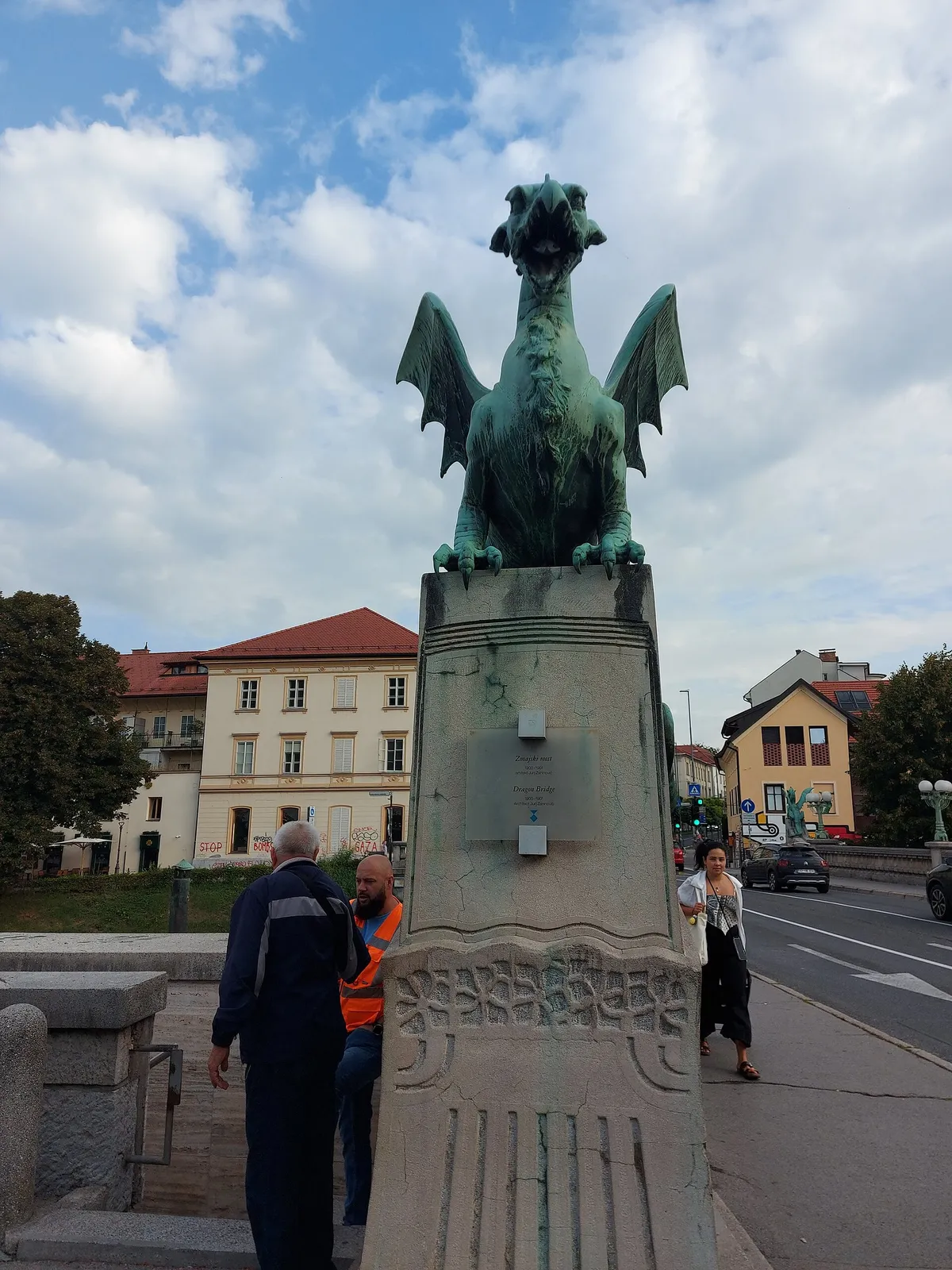
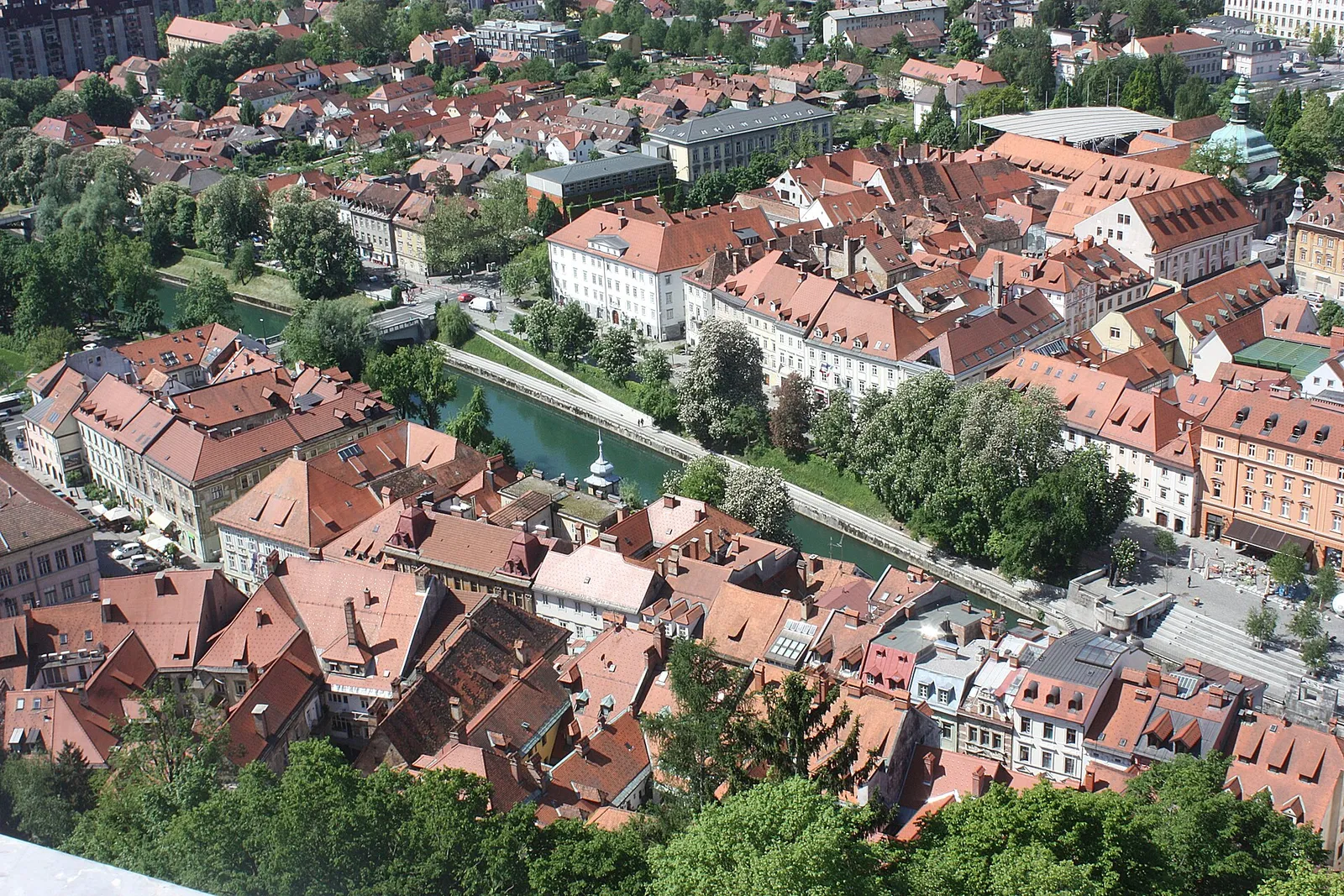
Ljubljana’s first-time core is easier to understand as a river sequence than a collection of isolated pins. Prešeren Square and Triple Bridge establish the crossing; the embankments lead towards Plečnik’s market arcades and Central Market; Dragon Bridge extends the line; old-town streets sit below Castle Hill. Keep returning to the water and the day remains legible even when a square, stall or street encourages a detour.
The river also sets the correct pace. Bridges, arcades, trees, terraces and street movement are not filler between attractions; they are the capital’s designed public realm. Walk one bank, cross deliberately and use the other for the return rather than marching back along the same pavement. When the train arrives late, preserve this central sequence and remove the hill—not the other way around.
A precise first walking sequence
- Begin at Prešeren Square and orient before crossing.
- Use Triple Bridge to read the relationship between square, river and old town.
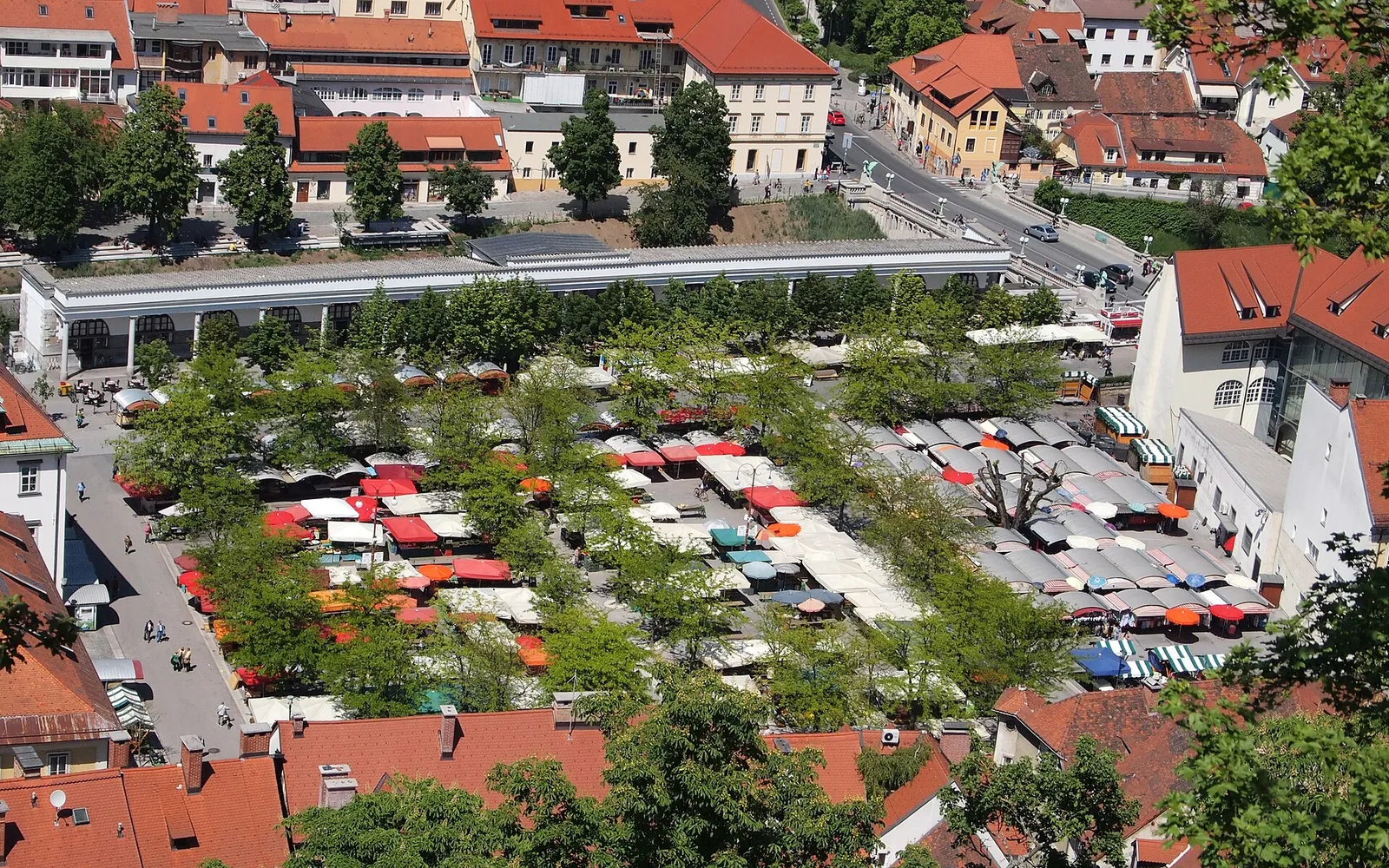
- Follow the riverside towards Plečnik’s arcades and the current Central Market activity.
- Continue to Dragon Bridge, then return through old-town streets rather than repeating the bank.
- Choose Castle Hill only after checking time, access and the journey back to the station.
This order links the city’s best-known landmarks without creating a zig-zag. It also keeps food and toilets close to the central route while the return remains obvious. Do not attach Tivoli, a distant cultural quarter and a river cruise simply because each fits on a city map. A cross-border day needs one coherent centre; further neighbourhoods belong to an overnight or a future visit.
Castle Hill is the optional chapter
The Castle gives a different scale: rooftops, river and the city beyond the old-town facades. It also consumes ascent, queue, ticket and descent time, whether reached on foot or by funicular. Confirm the funicular and castle operation rather than assuming either is available. Decide the latest safe start before arriving at the lower station; if that time has passed, keep the river loop and return without turning the hill into a race.
Cut the Castle on a short winter day, after a late arrival, with uncertain weather or whenever station access is still unfamiliar. Keep it when the return is protected and the view or castle programme genuinely matters. A same-day visitor does not fail Ljubljana by staying below. The old town was designed to be read from the river as well as from the hill, and Plečnik’s work is clearest at walking height.
Plečnik and market timing provide the detail
Jože Plečnik’s bridges, market colonnade and embankment elements turn the route into one architectural thread. Notice how movement is divided and recombined at Triple Bridge, how the arcades mediate between market and water, and how lamps, stairs, columns and paving organise ordinary use. The value is not completing a Plečnik checklist; it is seeing one designer shape the way a capital crosses, shops and pauses.
The official Central Market comprises open-air areas at Vodnikov and Pogačar Squares, a covered market and food shops along the river colonnade. Actual stall presence and trading vary by day and current operation. Check if food shopping is a priority, arrive ready to browse without blocking residents and accept that a quiet market can still make the architecture legible. Do not make one vendor responsible for the entire food chapter.
Families, couples, solo travellers and access
Families should let the bridges, market and dragon provide the narrative, with the Castle only if current funicular access, queues and the child’s energy all support it. Couples can use spare time for one long riverside meal instead of another attraction. Solo travellers gain flexibility but need a particularly firm return, offline tickets and a known station approach; having no group to wait for does not reduce the consequence of a missed international service.
Accessibility is the complete chain: Zagreb departure, international vehicle, temporary or permanent Ljubljana platform, route into the centre, historic surfaces, bridges, toilets, hill or funicular and the return. Confirm each relevant link with operators and venues while station works continue. A compact old town is not automatically step-free, and a functioning funicular does not prove the full castle visit or platform transfer meets an individual need.
Phone, money and respectful cross-border habits
Croatia and Slovenia both use the euro, but that does not settle card acceptance, bank fees or cash needs at every market stall. Ask before ordering when payment matters, and check the card issuer’s terms. Mobile roaming depends on the traveller’s carrier and plan; EU regulation does not create the same retail arrangement for every non-EU SIM or specialist tariff. Save tickets, documents, maps and the return offline before crossing.
Ljubljana is a working capital rather than scenery imported for Zagreb visitors. Keep bridge circulation clear, ask before photographing a vendor or recognisable person, use a few Slovenian courtesies and follow local rules on terraces, bikes and pedestrian areas. Cross-border comparison should remain curious rather than reductive: Ljubljana and Zagreb differ in scale and design, but neither exists to confirm a tourist’s ranking after six hours.
Weather, overnight value and return discipline
Rain can compress the river experience and place more pressure on covered arcades, cafés and museums; heat makes shade and a slower hill decision important; winter shortens the useful window between a late arrival and return. Keep one indoor stop ready but do not rebuild the day around distant venues when conditions change. When the forecast removes the walking reason for going, use a Zagreb indoor plan and move the international day.
Overnight is wiser when the desired day includes Castle Hill, neighbourhoods, an evening event or a relaxed dinner as well as the core river route. For the same-day version, set a city-centre cut-off and leave before it. Allow for the walk to the current platform or stop, document checks if applied and a changed departure track. Skip a final coffee before shrinking that buffer; the return is the fixed attraction that makes everything else possible.
- Verify personal travel documents with an official source.
- Confirm exact outbound and return services plus current Ljubljana platform access.
- Preserve the river–bridges–market sequence and keep the Castle optional.
- Check funicular and market operation only when either is essential.
- Set a firm cut-off and carry offline tickets, map and fallback.
Further reading
Questions people actually ask
Can you do Ljubljana as a day trip from Zagreb?
Yes. It’s a realistic day trip if you start early, choose one transport option, and keep your plan simple (river + old town + castle area).
Do you need a passport for a day trip to Slovenia?
Bring your passport/ID. Requirements depend on your citizenship, but having correct documents avoids a bad surprise at the border.
Is train or bus better?
Both can work. Choose based on schedule fit: the best option is the one that gives you an easy morning departure and an easy return.