
The fastest strategy (when you need one now)
- Best first choice: big shopping centers and transport hubs.
- Second choice: museums, large cafés, and well-trafficked venues (ask politely).
- Keep a small amount of cash/coins as a backup — some facilities use small fees or attendants.
Reliable places to check (in the real world)
- Shopping centers (very reliable): go before a long walk or after lunch.
- Museums and major attractions: usually have facilities for visitors.
- Transport hubs: useful on arrival/departure days.
- Parks: some have facilities, but don’t assume — plan a backup.
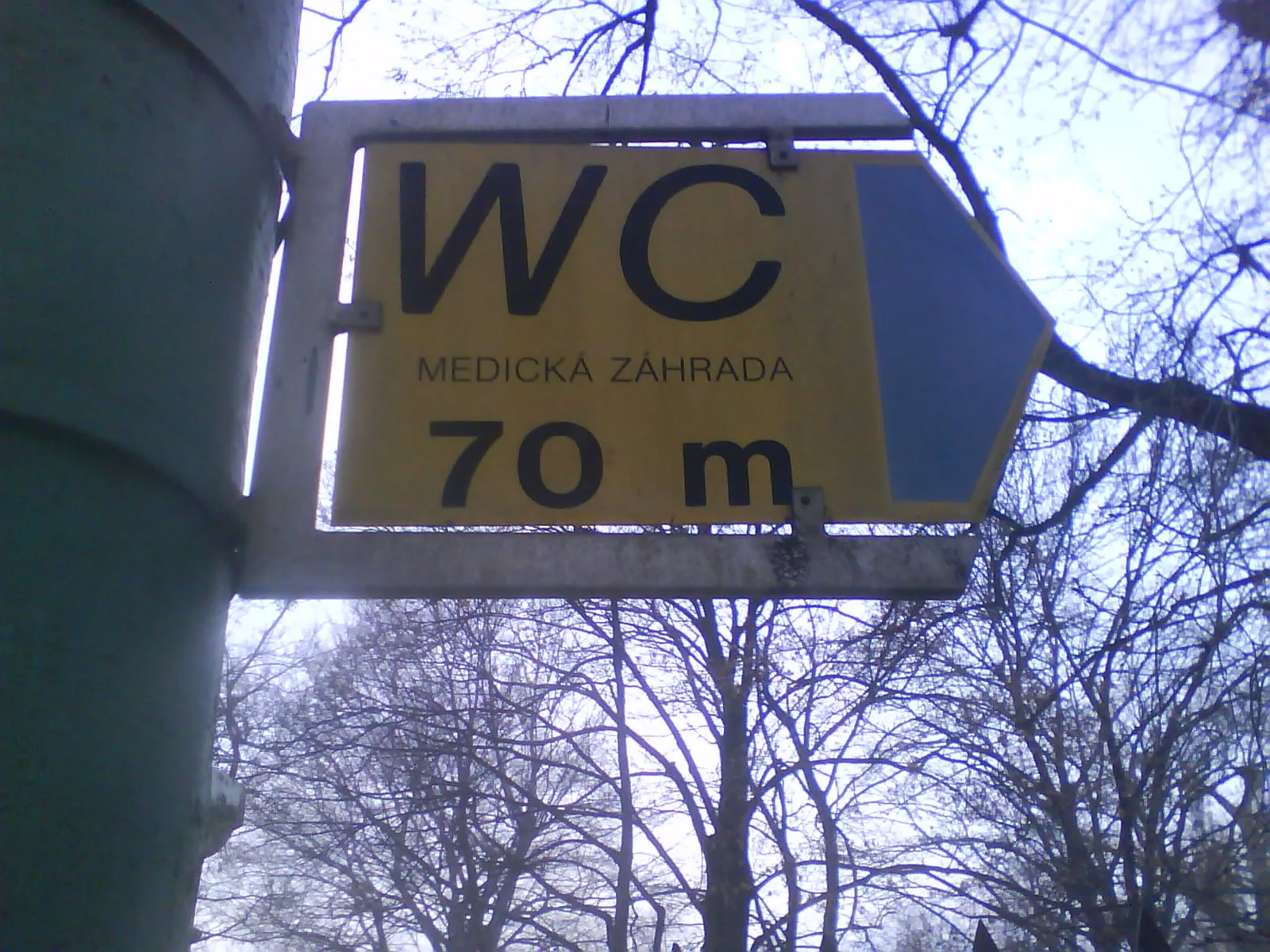
A simple walking-day habit (that prevents emergencies)
- Start your day with a market/coffee anchor (and use facilities while you’re there).
- Before you go up to Upper Town, do a quick ‘reset’ stop.
- Before a long museum visit, do a quick check-in stop.
- Before dinner, do one more quick reset so the evening feels effortless.
Families and accessibility (practical notes)
- With kids: shopping centers and museums are usually the calmest options.
- If accessibility matters: plan facilities stops around flatter routes in the Lower Town, not stair-heavy Upper Town loops.
- If you’re doing a day trip: use facilities before departure and right after arrival back in the city.
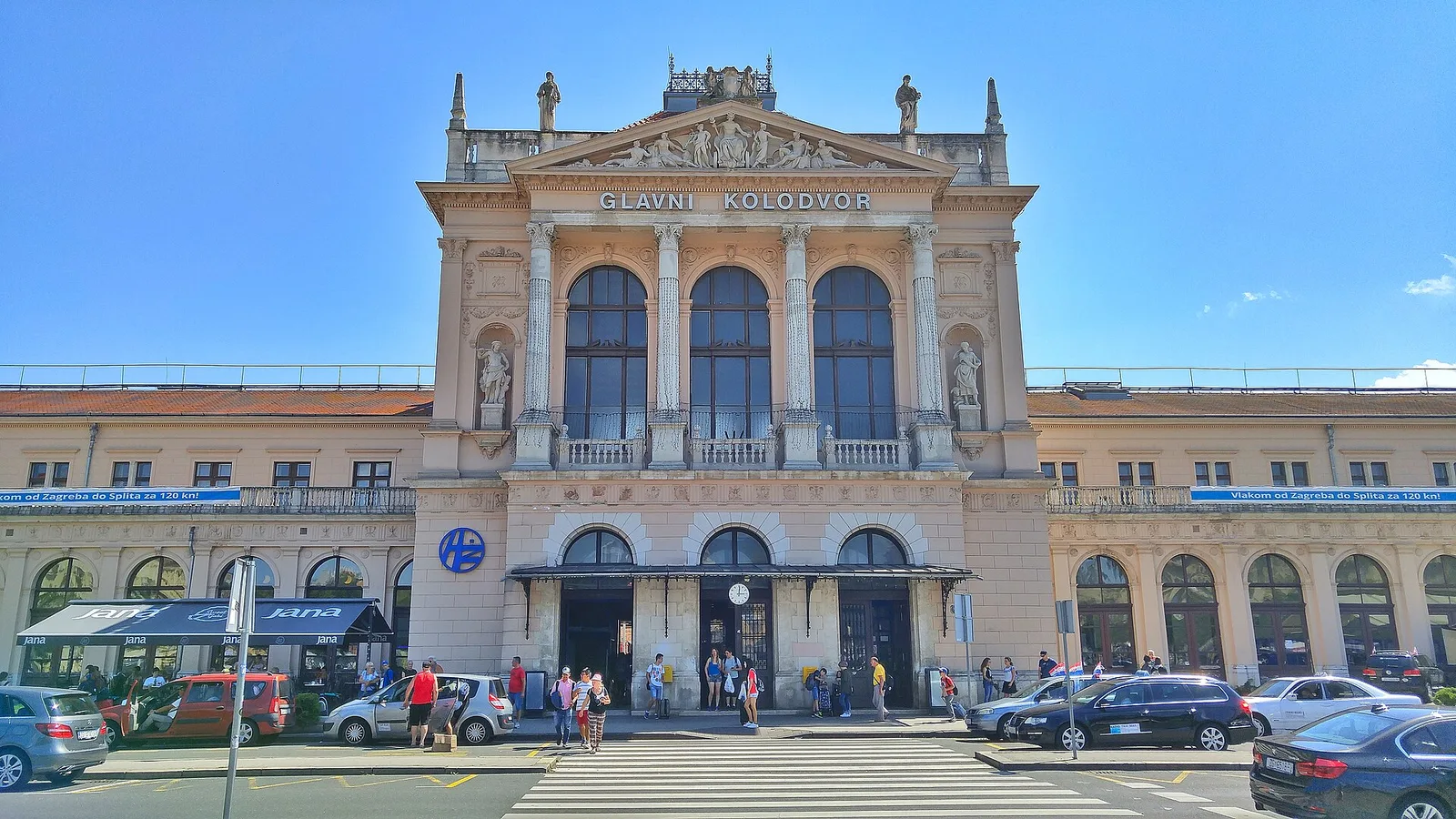
Public toilets: the decision before you leave
Zagreb toilet planning is easiest when facilities are attached to places already in the day: the hotel, a café meal, a museum, a transport hub or a managed attraction. Standalone public facilities can be useful, but their exact hours, payment and condition are more likely to vary.
Use the hotel before leaving, carry a small payment backup and save one facility near the longest outdoor section. Families, pregnant travellers and people with medical urgency should plan shorter gaps and confirm accessible toilets directly with major venues rather than relying on a generic map icon.
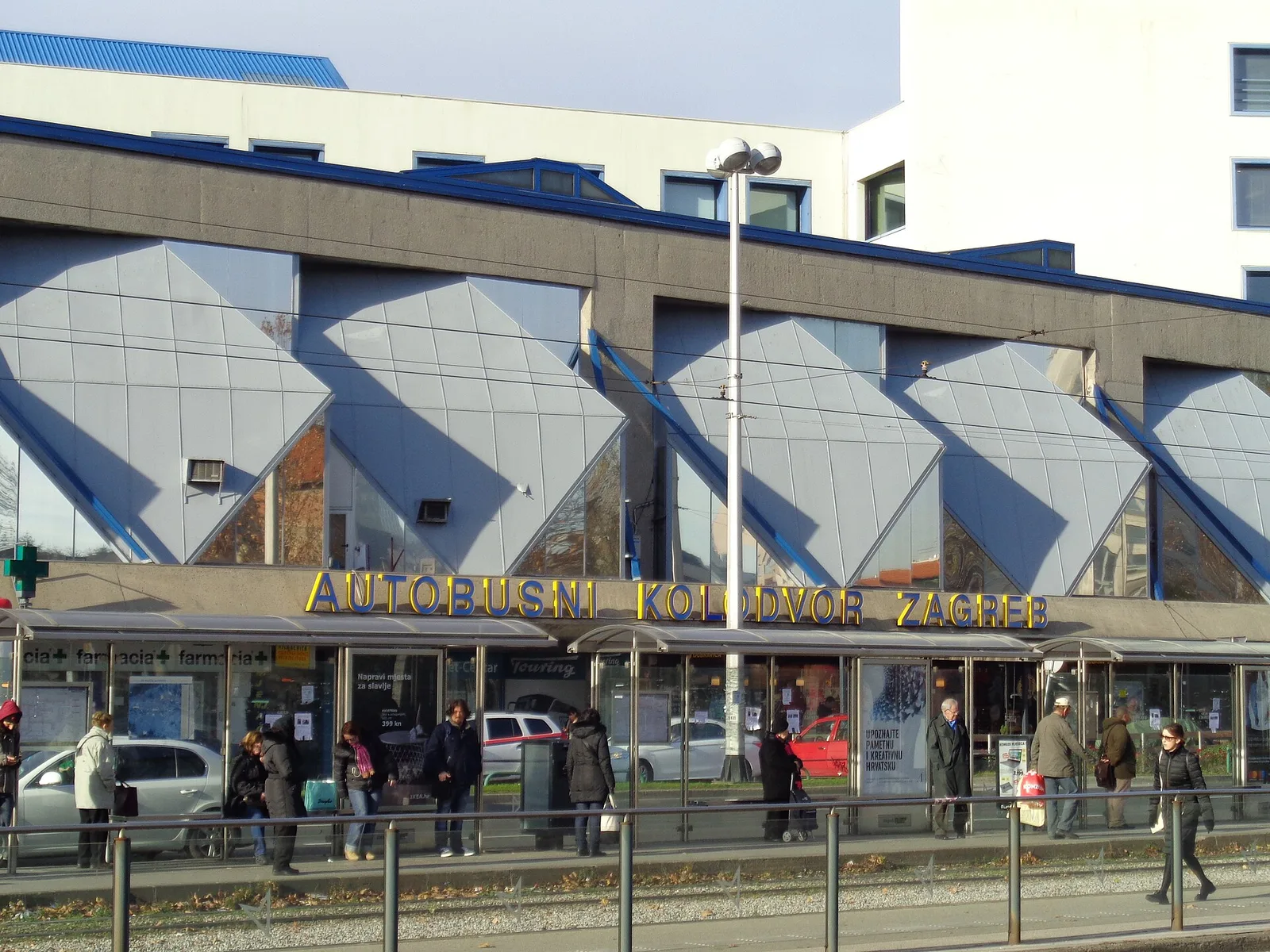
How to handle public toilets on the ground
Ask staff politely when using a café or museum facility and make a purchase where that is the expected arrangement. Keep tissues and sanitiser as a backup, supervise children in unfamiliar layouts and never assume that an unstaffed door will accept the same payment as another facility.
Edge cases, current checks and the calm fallback
Opening hours may follow the venue rather than the public square, while accessible cubicles can be locked, occupied or reached by a separate route. Large events change demand dramatically. A five-minute margin is more useful than waiting until the need becomes urgent.
If the saved facility is closed, move to a staffed hotel, museum, shopping centre or café where someone can give a clear answer. Explain an urgent access need plainly. Wandering between unverified map pins is slower than asking one nearby staffed place for the best current option.
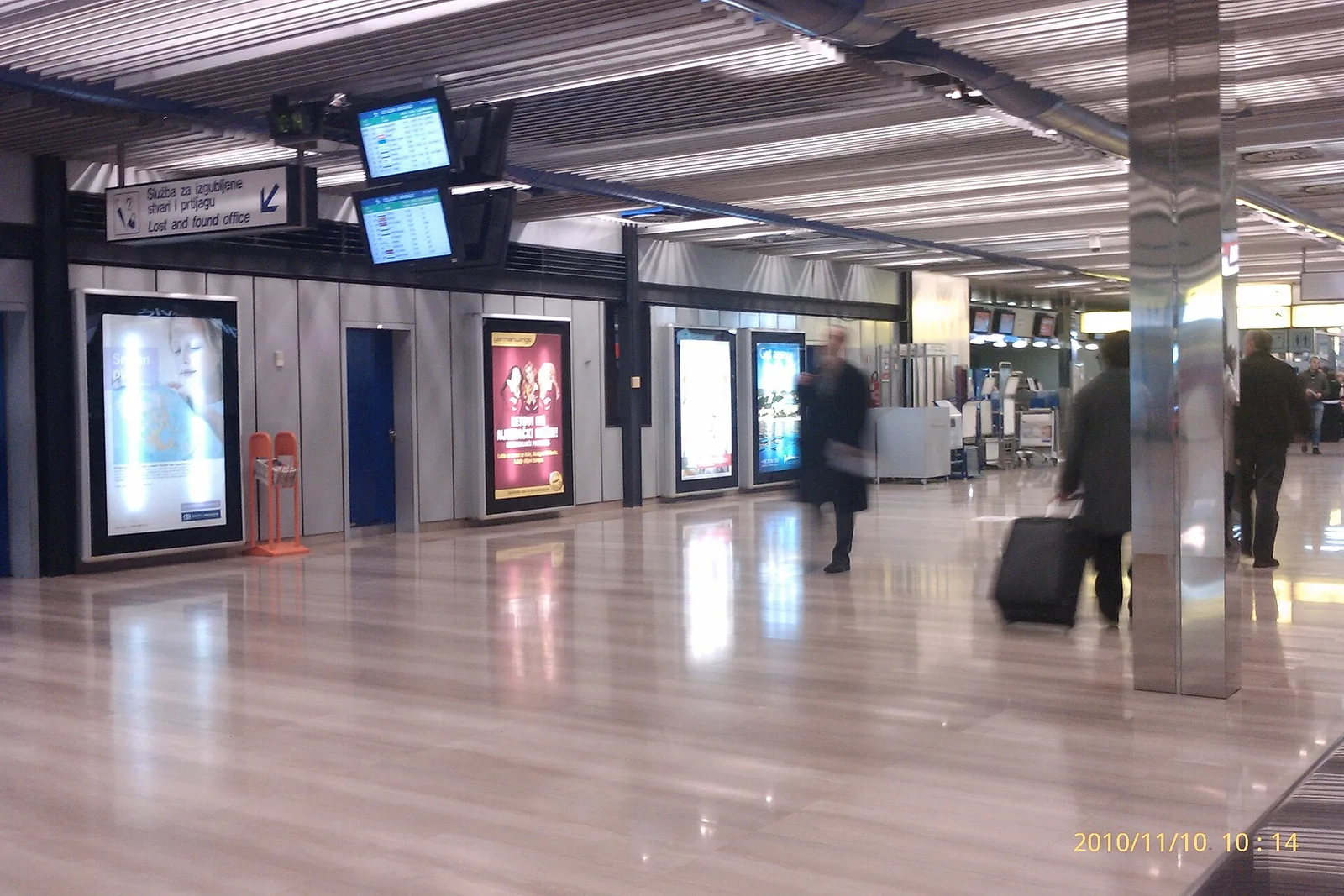
Plan a reliable fallback chain
The City of Zagreb publishes a public-toilet dataset with locations and fields such as address and charging status. Use it as the planning layer, not a guarantee that a particular door is open at the exact minute you arrive. Maintenance, events and seasonal hours can intervene. On a walking day, identify one municipal facility near the route and one staffed fallback such as a museum, station, shopping centre or café where you are already a customer. Do not wait until the need is urgent before checking the next option.
Carry a small euro coin reserve, tissues and hand sanitiser without assuming every facility needs or lacks any of them. Accessible-toilet symbols should be treated as a starting point: confirm the route, threshold, key or staff access and transfer space when those details matter. Families should change or feed a child only in a suitable facility, not on a monument edge or park bench chosen because the map was vague. Ask venue staff directly; a simple request is more efficient than searching an entire building.
Further reading
Questions people actually ask
Do you need cash for public toilets in Zagreb?
Sometimes. Many places are free (shopping centers, museums, cafés), but it’s smart to keep small cash/coins as backup.
What’s the easiest ‘always works’ option?
Shopping centers and major transport hubs tend to be the most reliable.
Is it easy to find toilets in the city center?
Usually yes if you use a strategy: combine cafés, museums, and shopping centers with your walking route.