
Why Trakošćan is a perfect ‘wow’ day
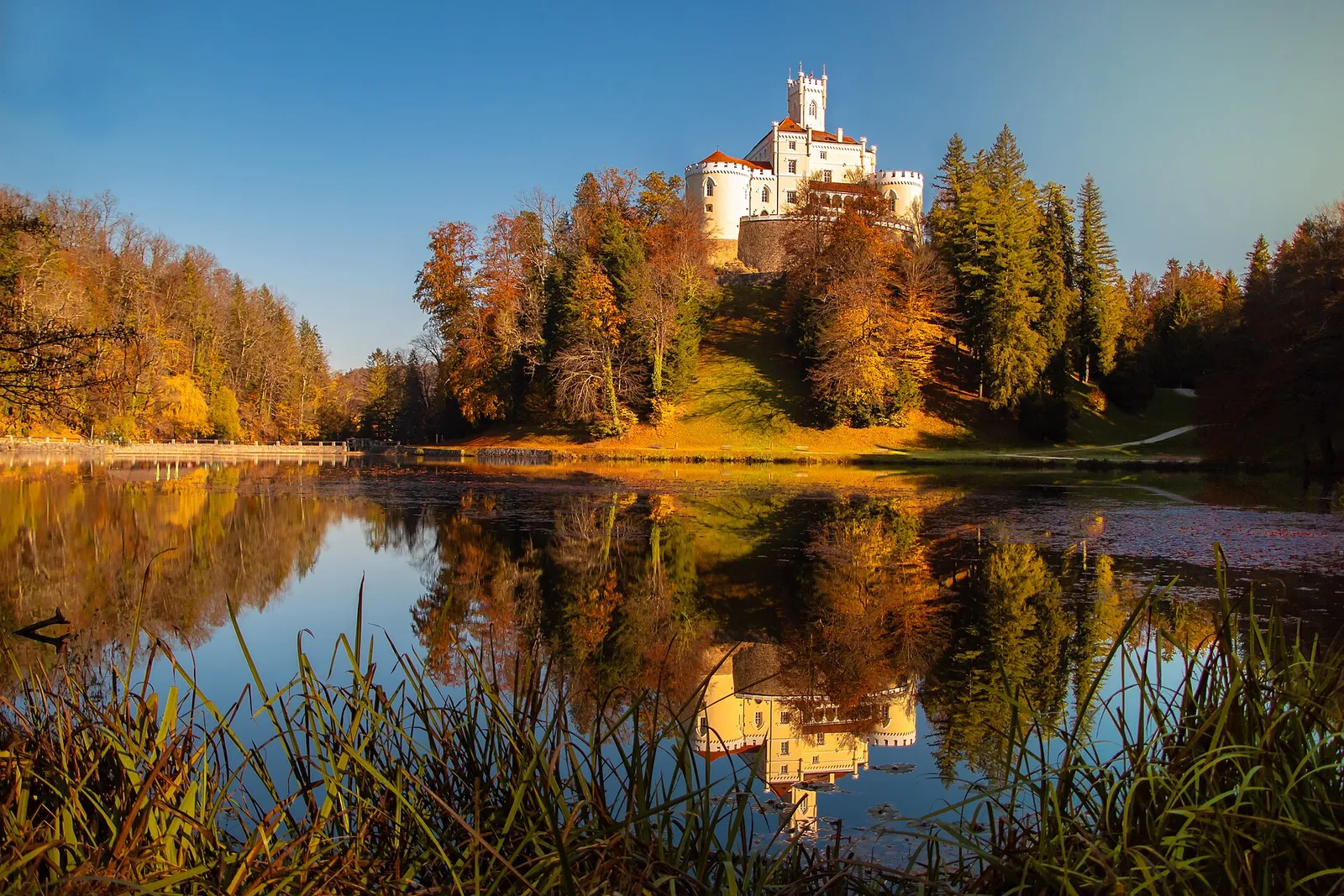
If you want a day that feels like a fairytale postcard, Trakošćan delivers: castle energy, nature, and an easy sense of escape from the city.
How to plan it
- Start earlier for a calmer experience.
- Treat the day as one big anchor (don’t add too many other stops).
- Return to Zagreb for dinner + a final night walk.
What the day feels like
- A scenic approach → a “wow” moment when the castle comes into view.
- A slower pace than a city day: more walking, more nature, less time pressure.
- A great photo day that still leaves you energy for a Zagreb evening.
Pair it with a romantic Zagreb evening
What a Trakošćan Castle day should add to the trip
Trakošćan is a castle-and-landscape outing where the setting is as important as the interior. It suits travellers who want one visually focused destination rather than a town full of independent stops.
A route and pace that make a Trakošćan Castle day work
Confirm transport or drive directly, allow time for both the current castle experience and surrounding walk, then return without attaching a second distant attraction by default.
The choices, trade-offs and common mistake
Choose Trakošćan for castles, photography and regional landscape. A car or organised option often makes more sense when public connections would leave an awkwardly short visit.
Opening, restoration, parking, path and weather conditions change. Verify official access and do not assume every lakeside or interior route is available or accessible.
Weather, current information and the fallback plan
If castle access is limited, decide before travel whether the grounds alone justify the day. Varaždin can provide an urban cultural alternative; Zagreb museums remove the transport risk.
Who Trakošćan actually suits
Trakošćan is a strong choice when one coherent estate sounds better than a town to wander. Castle, museum rooms, forest park and lake form a protected historical and natural complex, allowing the day to remain in one landscape while changing from interior to architecture to walking. It suits travellers who can enjoy a slower single-site rhythm: understand the rooms, step back for the hilltop form, follow the open park route and leave without adding another attraction for proof of value.
It is a weaker fit without time for transfer logistics, when old stairs or gravel exclude the main interests, or when poor weather removes the park and lake. Varaždin offers civic streets, cafés and multiple museum choices; Trakošćan offers a concentrated estate. Choose the latter when the relationship between collection, castle and designed landscape is the subject—not merely when a photograph of the facade looks appealing.
Read it as one estate with four layers
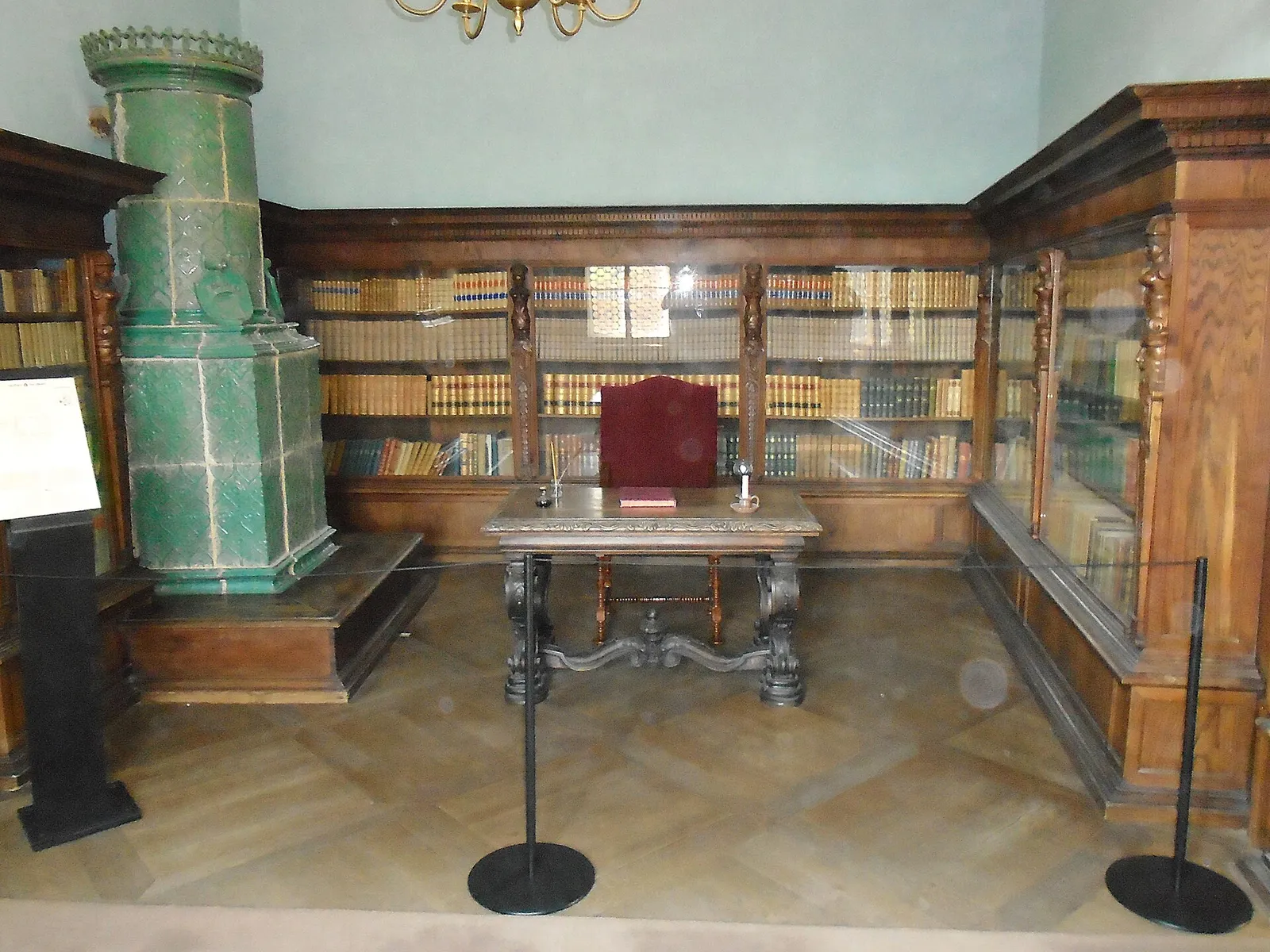
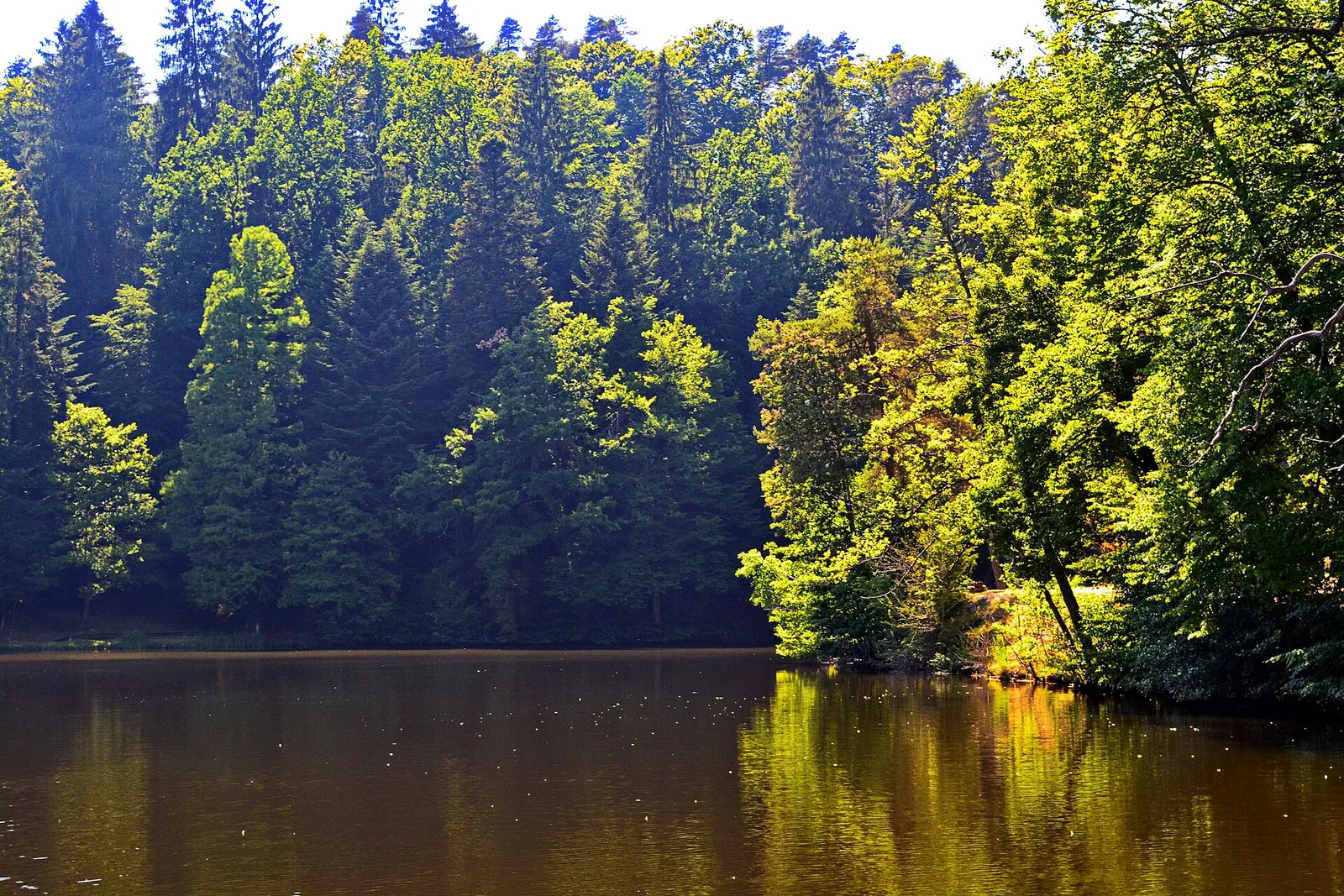
The first layer is the castle’s hilltop exterior: silhouette, walls and the long view back from the lake. The second is the museum, whose official account describes fifteenth- to nineteenth-century material across five levels and rooms retaining the building’s historic layout. The third is the immediate park setting around the approach. The fourth is the forest and lake landscape shaped in the nineteenth century as part of a romantic design that deliberately appears natural.
That sequence explains why neither an interior-only nor a lake-photo-only visit feels complete. Museum furniture, portraits, weapons, books and photography belong to the estate history; the designed water and woodland show how that history was presented outdoors. Give each open layer enough attention to make the relationship visible, while accepting that a live closure can change the proportions. The protected complex is the attraction, not a list of four independent tickets.
Castle first or park first
Start with the museum when its current access is confirmed, the group has energy for old staircases and the outdoor weather is likely to remain stable. The rooms provide the historical vocabulary before the estate is seen at landscape scale. Afterwards, the lake view and forest park allow the visit to widen gradually. Do not rush the display because the path feels like the more photogenic half; room-by-room attention is the reason to buy an interior ticket.
Start outdoors when the best weather window is early, when photography is the main interest or when the museum status remains uncertain on arrival. Follow only the currently open signed route and return for the interior if access and energy still support it. In either order, set a latest museum entry and a transport departure before beginning. A beautiful lakeside pause can otherwise consume the one fixed part of the day.
- Confirm museum and park notices before leaving Zagreb.
- Choose the weather-sensitive chapter for the best reliable window.
- Give the museum or park a proper first block instead of switching constantly.
- Reassess after the first chapter and shorten rather than rush the second.
- Return to the transport point with a real buffer.
Live notices override the standard plan
Trakošćan is an actively managed museum and protected landscape. Conservation, fumigation, events, safety work and weather can change access even when a standard opening-hours page looks stable. At editorial review, the official homepage carried a time-limited museum closure for 6–15 July 2026. The enduring lesson is not that particular date; it is that the homepage must be checked after reading the general hours and before committing to the journey.
A closure does not automatically erase the exterior and park, but it changes the value calculation—especially for a traveller using public transport with a transfer. Decide in advance whether an estate-without-interior day would still be worthwhile. When the answer is no, move the trip rather than arriving to negotiate with a locked door. When the answer is yes, confirm that the park itself has no notice that removes the intended walk.
The landslide changes the lake walk
The official forest-park page currently warns that an activated landslide has closed part of the pedestrian path around the lake. Walking remains possible on the remaining section, with visitors asked to follow the posted signage. That means an uninterrupted full circuit cannot be promised. Plan an out-and-back or altered route, then let the on-site closure determine the exact distance rather than following an old track through a restricted section.
The change does not remove the designed-landscape story. Lake, wooded edges and castle viewpoints can still be read from legal open ground, and repeating part of a path produces different angles in each direction. Do not search for an unofficial bypass: the safety problem and the protected status of the park both outrank completing a loop. Photograph the closure only if useful, keep out of workers’ space and accept the route the estate can safely support now.
Car or public transport with a transfer
The official directions state that there is no direct bus from Zagreb to Trakošćan and describe a journey through Varaždin. For a car-free visitor, the trip is therefore a full transport plan rather than a casual outbound ride: confirm both legs in each direction, the location of the transfer, the margin between services and the final practical return. A timetable that makes the castle reachable but leaves no robust journey home is not a usable itinerary.
Driving is simpler for most groups and makes the Varaždin pairing more realistic, but it still requires current road, toll, parking and arrival research. Use designated parking and leave the car while visiting the estate. Do not let vehicle flexibility justify a late start or a third distant stop. The castle has fixed access decisions and the park has weather and daylight; a car changes connections, not those constraints.
Stairs, gravel and the access boundary
The museum’s own visitor information says the castle is not equipped with disabled access and that a visit involves gravel paths plus old staircases and steps protected as part of the monument. That is a clear limitation, not a detail to soften. Travellers for whom stairs are a barrier should contact the museum about what can be reached now and decide whether the exterior and park alone justify the journey. Do not assume staff can create an alternative route through historic levels.
The forest-park project has included work intended to improve movement for visitors with mobility impairments, but that does not establish a continuous universally accessible visit—especially while a landslide affects the path. Confirm the exact open surface, gradient and facilities with the institution. For everyone, wear shoes with reliable grip. Gravel, old stone, leaf cover and wet paths deserve more than smooth city soles.
Families, couples and solo visitors
Families can let the castle silhouette and lake provide the outdoor narrative, adding the museum only when the children’s age and patience suit multiple levels of rooms. A stroller does not resolve old steps or every path surface, so ask about the exact route instead of relying on the broad word ‘park’. Carry snacks, agree on a shorter turnaround and let a viewpoint count as the destination when the whole planned walk is not comfortable.
Couples may prefer the slower castle-then-lake sequence with no regional pairing, while solo visitors can change the proportions quickly when a notice or weather shifts. Solo flexibility is not permission to enter closed woodland or linger beyond the reliable return. Every version benefits from one shared rule: choose which part would make the trip worthwhile before departure, so a partial closure produces a decision rather than disappointment and improvisation.
Food, season and protected-landscape photography
Carry water and a useful snack without making an assumed on-site restaurant responsible for the day. Confirm any current food option separately, and place the substantial meal in Varaždin when combining the two destinations. Do not picnic in a way that leaves crumbs, packaging or disturbance in the protected park. A simple provision plan protects both the schedule and the landscape when opening patterns or queues differ from expectation.
Spring growth, summer shade, autumn colour and winter structure each change the relationship between white castle, dark forest and water. Recent rain and the current path notice matter more than the season’s marketing image. In sustained bad weather, the castle can still be worthwhile only when the museum is confirmed open and the transfer cost remains sensible; otherwise keep a Zagreb indoor day ready and return in conditions that preserve the estate experience.
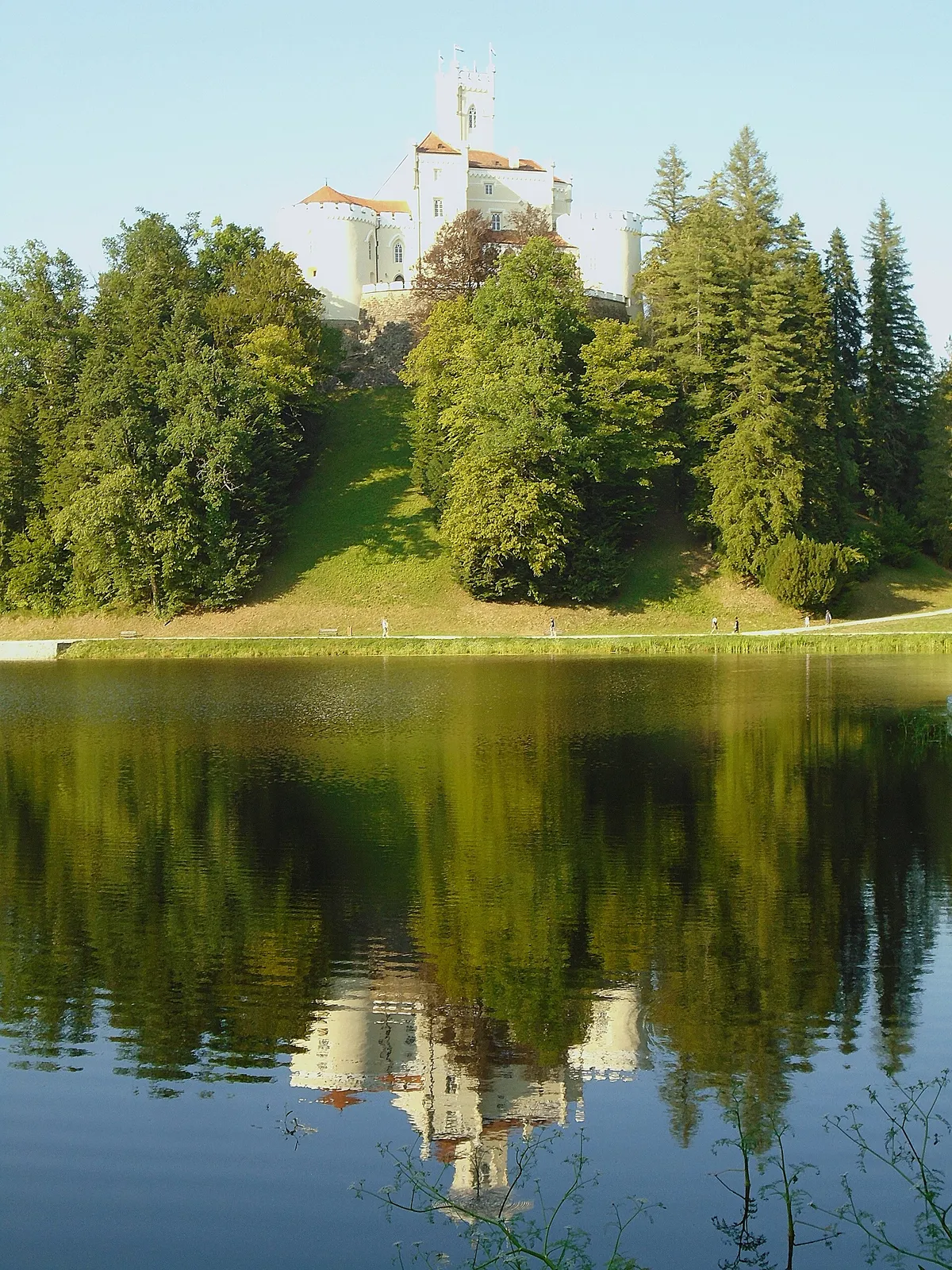
The classic reflection view requires no barrier crossing. Use marked open ground, keep tripods out of paths and never enter the landslide-affected section for a cleaner angle. Inside, follow the museum’s current photography rules and protect other visitors’ quiet view of small rooms. Commercial, wedding or organised photography has separate official arrangements; an ordinary admission should not be assumed to authorise a production.
Pairing Varaždin and planning the return
The pairing works best by car when museum access is confirmed, daylight is generous and the group accepts a focused version of each place. Put the site with the firmer admission first. In Varaždin, keep Stari grad exterior, Korzo and a meal rather than adding the cemetery and several museum departments. At Trakošćan, choose the museum plus a legal lake section rather than trying to complete every path before the drive.
By public transport, the official route already passes through Varaždin, but that does not mean the connection leaves enough useful time to tour both. Calculate from the exact date’s services and preserve the last robust return to Zagreb. Leave Trakošćan with more margin than a city museum would require: a changed path, slow staircase, transfer or walk back to the stop can all absorb the minutes that looked spare on paper.
- Read the live museum closure notice and the separate lake-path notice.
- Confirm four transport legs when travelling through Varaždin without a car.
- Plan around old stairs and gravel, not around a generic castle icon.
- Carry food and water without assuming an on-site venue.
- Follow the open route and let the protected estate set the boundary.