
Why Varaždin is worth it
Varaždin is often described as elegant and architecture-forward — a great choice if you want a cultural day trip that feels relaxed and walkable.
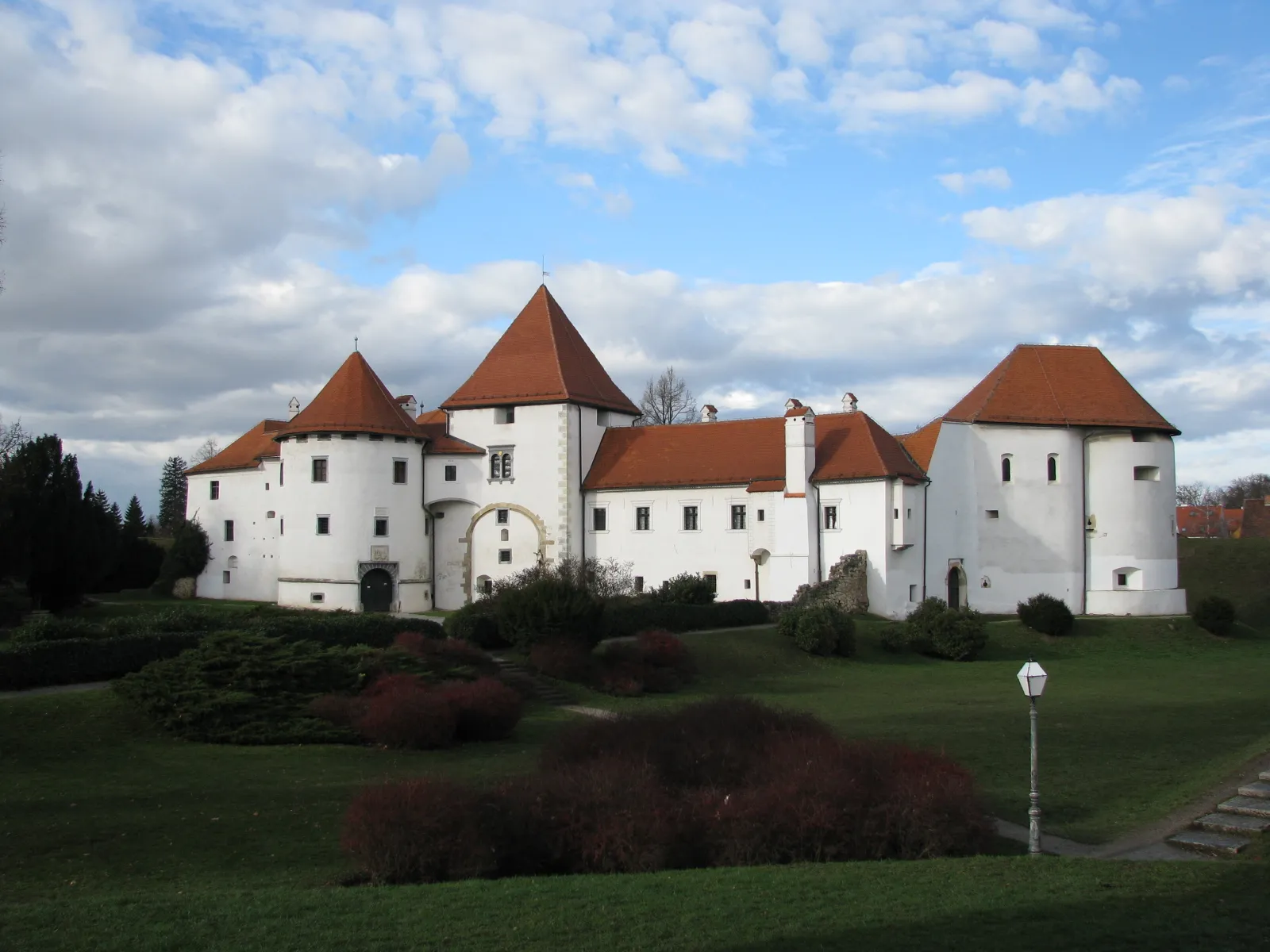
The draw is Croatia’s best-preserved baroque town center: pastel palaces and churches packed into a compact, walkable core, anchored by the Stari grad (Old Castle) — a medieval-to-baroque fortress ringed by grassy former bastions that has housed the Varaždin City Museum since the 1920s. (The castle interior has had renovation closures — check current opening before you count on going inside; the walls, watchtower, and surrounding park are worth the walk regardless.)
A simple Varaždin day
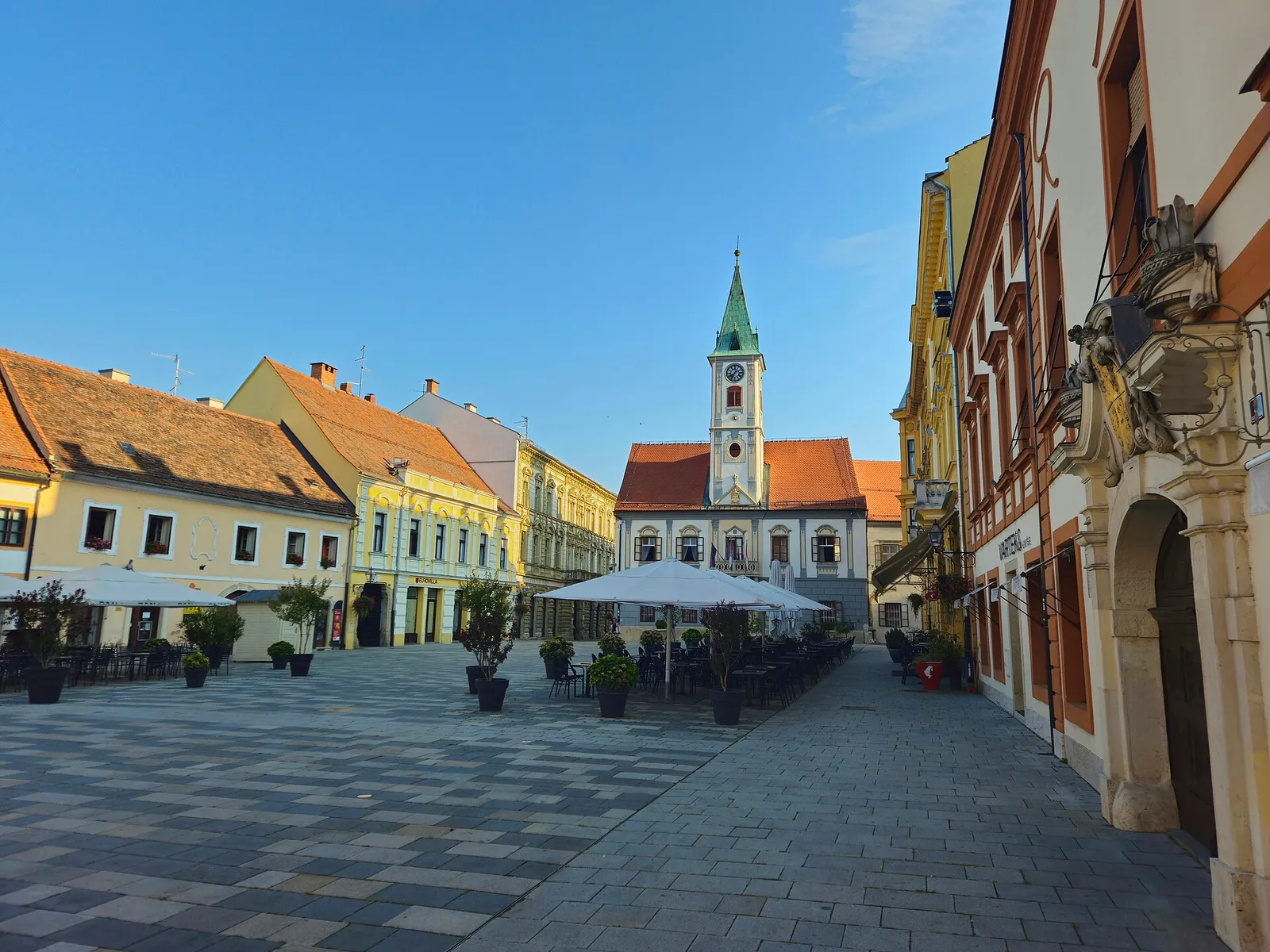
- Arrive and walk into the baroque Old Town — the pedestrian core around Trg kralja Tomislava.
- Loop the Stari grad (Old Castle): the fortress walls, watchtower, and the grassy bastion park around it.
- Long lunch, then coffee on the café terraces of Miljenka Stančića Square.
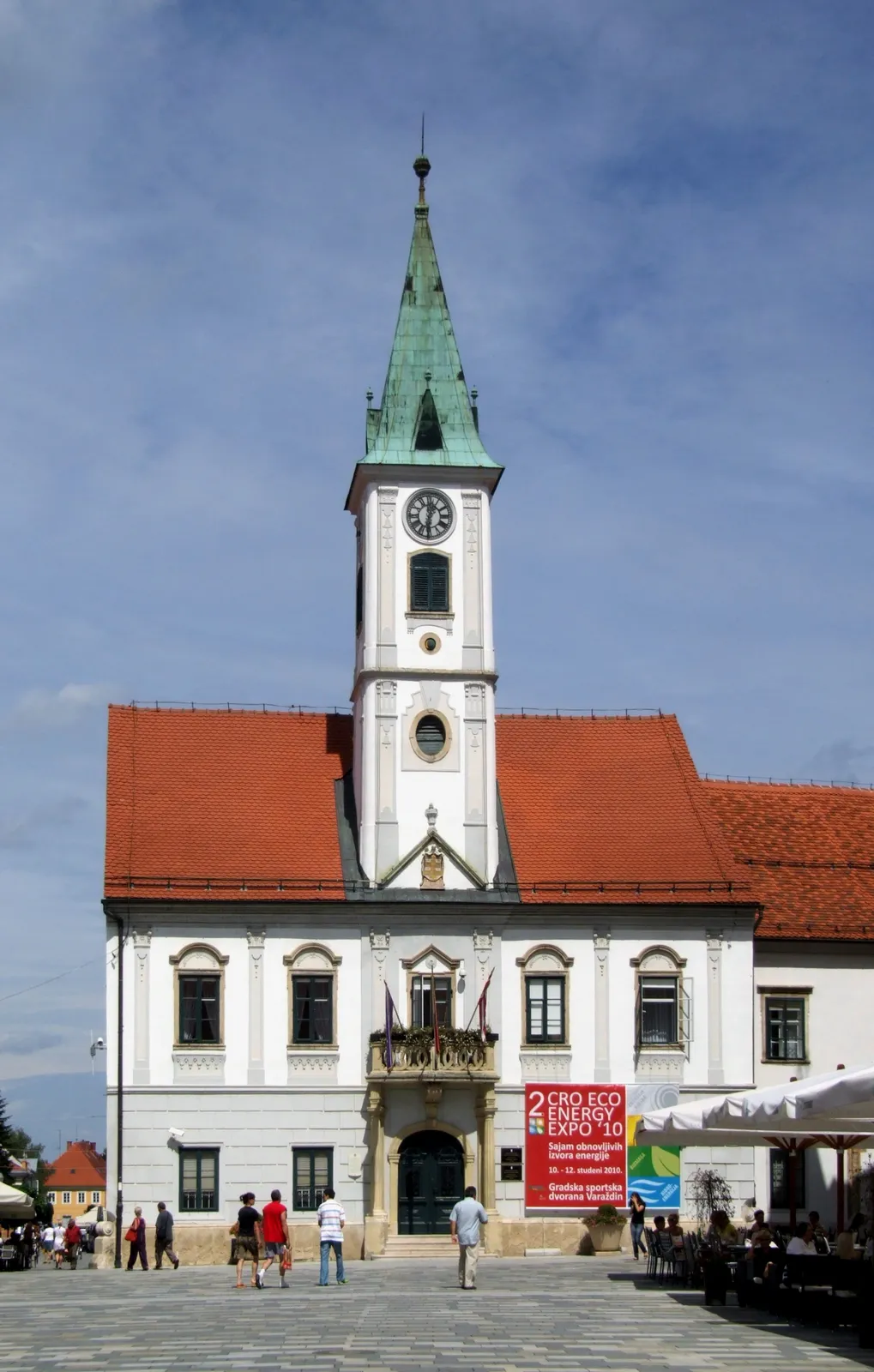
- One more architectural wander (palaces, churches, the town hall) → return to Zagreb for dinner.
Who this trip is perfect for
- You want a calm day with beautiful streets and architecture.
- You want a day trip that isn’t hiking-heavy.
- You want a slower rhythm than the capital for a day.
If you can time it: Špancirfest
Varaždin is especially fun during Špancirfest, a major street festival that takes over the city with performances and a festive walking vibe.
What a Varaždin day trip should add to the trip
Varaždin offers an elegant, architecture-led city day with a slower scale than Zagreb. Streets, squares and café time should carry the visit, with one cultural interior chosen by interest.
A route and pace that make a Varaždin day trip work
Arrive with the return fixed, make one coherent old-centre loop, pause for lunch and use the afternoon for a museum, castle context or second walk rather than scattered taxis.
The choices, trade-offs and common mistake
Choose Varaždin for urban beauty and cultural pace, not for hiking or a quick nearby escape. It earns the longer journey when architecture is the group’s real interest.
Festival dates can transform crowds, prices and transport. Verify the current Špancirfest programme rather than assuming the event improves every traveller’s desired experience.
Weather, current information and the fallback plan
In poor weather, prioritise one confirmed indoor venue and a shorter centre loop. If transport creates too little time, choose Samobor or remain in Zagreb.
Who Varaždin actually suits
Varaždin rewards travellers who want a compact historic city rather than a day dominated by one admission. Its appeal is distributed among the Stari grad fortress, pedestrian squares, Baroque facades, civic buildings, museum departments and café life. Choose it when reading a streetscape and letting lunch interrupt the walk sounds better than following a rigid attraction sequence. The city is substantial enough for a day but compact enough that no transport is needed between the central chapters.
It is a weaker choice when a guaranteed major interior is the only reason to travel. Stari grad access has changed during recent works, and museum departments operate in different buildings. Trakošćan creates the stronger single-castle day; Samobor is the gentler small-town reset. Varaždin wins for visitors who want fortification, urban architecture and ordinary public space to carry equal weight—even if one door is closed.
Walk from fortification into civic city
Begin at the exterior of Stari grad and the green space around its defensive form, then move into the pedestrian centre rather than approaching the fortress only after lunch. The order makes the urban change legible: earthworks, walls and a building set apart give way to close facades, squares and commercial streets. Varaždin’s value lies partly in that short transition from military edge to civic interior, so keep the camera and attention active between the named stops.
Continue towards the Korzo and King Tomislav Square, then make one loop through adjacent Baroque streets before choosing an interior. Do not pin every church, palace and decorative detail in advance. A selective loop allows the architecture to accumulate without turning each facade into a separate errand. End the central chapter near the square for food or coffee, which keeps the return to a museum department or the station simple.
- Stari grad exterior and the public approach, within current boundaries.
- The short transition into the pedestrian centre.
- Korzo and King Tomislav Square for civic orientation.
- One Baroque side-street loop and one confirmed interior by interest.
- Lunch or coffee before deciding on the cemetery or the return.
Why Stari grad still matters when the interior is unavailable
The Varaždin City Museum describes Stari grad as the city’s most important cultural monument, a Gothic-Renaissance fortress built and rebuilt from the fourteenth to nineteenth centuries. That long architectural history remains visible in its massing, towers, walls and relationship with the surrounding ground. The exterior therefore supplies more than a consolation photograph. It establishes the defensive chapter that makes the gentler pedestrian city beside it easier to understand.
Access must still be treated as live information. The museum reported completion of an energy-renovation project in June 2026, while its current homepage continued to warn that the Old Town interior was temporarily closed. Completion of construction is not the same as a confirmed public reopening. Check the homepage immediately before travel and follow every barrier on site; do not promise a courtyard, museum room or internal route until the institution does.
Choose one museum department by subject
Varaždin City Museum is distributed across Stari grad, Herzer Palace and Sermage Palace rather than contained in one building. Its official department list places cultural-historical and ethnographic material at Stari grad, natural-history, historical and archaeological departments at Herzer, and the art gallery at Sermage. Those labels are a starting point, not a guarantee that every permanent display is available on the chosen day. Confirm the active exhibition and entrance at the exact building.
Choose Herzer when the confirmed programme matches science, archaeology or the World of Insects interest; choose Sermage when the active art display is the draw. If neither subject appeals, keep the visit outdoors rather than paying for an interior simply to fill the itinerary. One meaningful collection deepens the historic walk. Two rushed buildings usually cost the café and street time that makes Varaždin different from a museum day in Zagreb.
Departments may not share identical hours or closure patterns, and a headline museum schedule can obscure building-specific changes. Use the official contact page to resolve uncertainty before departure. Save the address of the chosen department and check the last admission; a general map pin for ‘Varaždin City Museum’ is not sufficiently precise when the collection is spread across town.
Give the Korzo and Baroque streets enough time
The pedestrian centre is not a corridor between fortress and lunch. Pastel facades, civic architecture, church fronts, ironwork and the proportions of the squares create a cumulative urban scene. Walk one side of the Korzo slowly, cross the square and return through a different street so the view changes rather than simply reversing. Look above the active ground floors; upper-storey windows, rooflines and ornament often carry the clearest Baroque and later layers.
Market activity and café seating make this a used centre rather than a preserved set. When the market is functioning, observe or purchase without blocking transactions. When it is quiet, do not manufacture atmosphere by photographing residents at close range. The absence of a scheduled spectacle can be useful: it leaves enough attention for the town hall, a palace frontage and the way public life fills the space between them.
The cemetery is a specialist extension
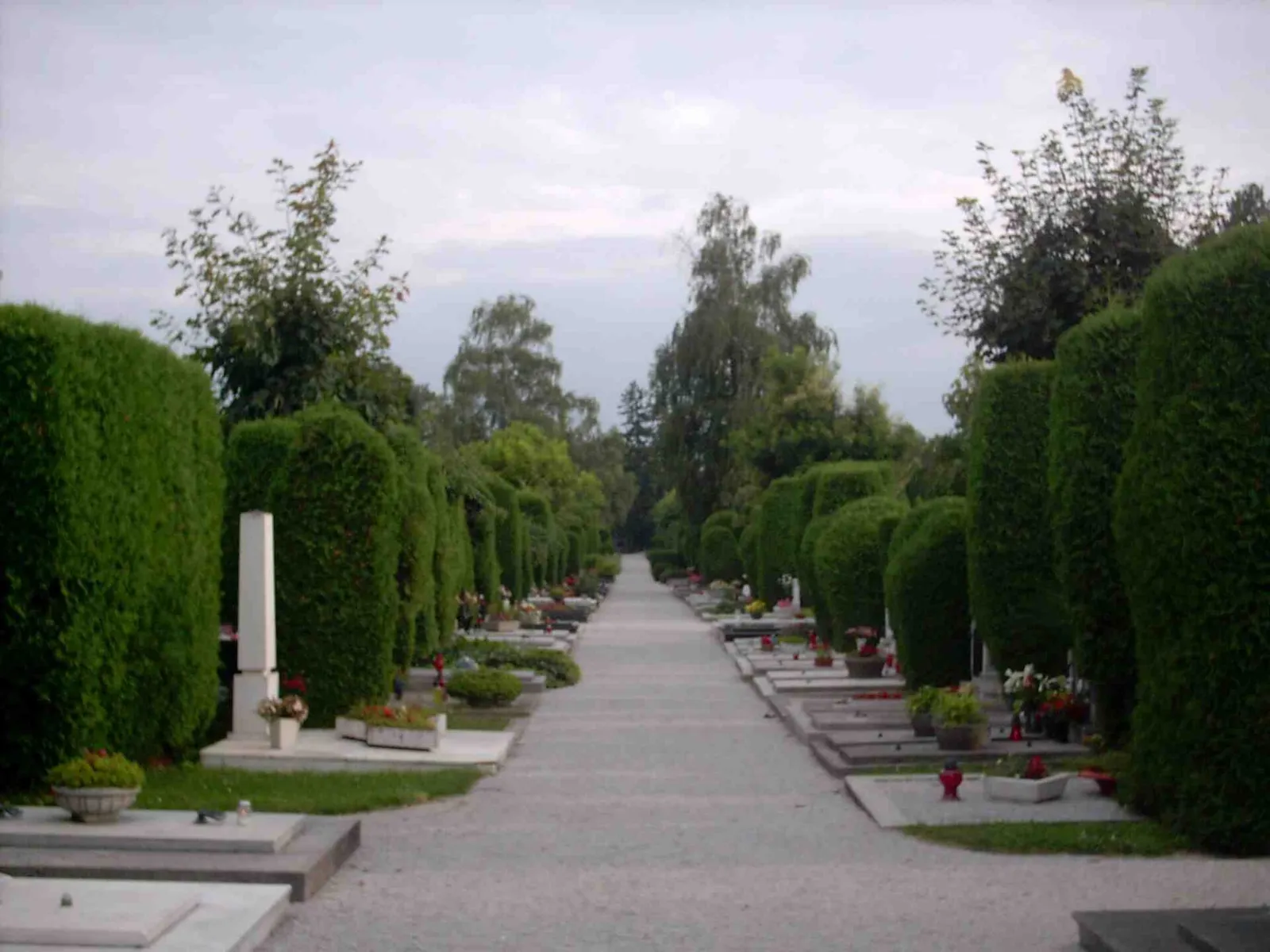
Varaždin Cemetery belongs in the day when landscape design, horticulture or funerary architecture is a genuine interest. Its clipped green structures and long sightlines create a disciplined park landscape unlike the civic centre. Visit as a place of remembrance first: keep voices low, step away from ceremonies and mourners, and avoid close photographs of names or recent graves unless there is a clear historical reason and no intrusion.
The cemetery sits outside the fortress-to-Korzo arc and therefore needs a deliberate extension. Add it on a Varaždin-only day when weather and walking energy remain good. Cut it when pairing Trakošćan, when transport timing is tight or when a museum already absorbed the spare hours. The wrong reason to go is a list calling it unmissable; the right reason is wanting to understand the garden as part of the city’s design culture.
Bus, train or car changes what can be paired
Bus and rail can both make a Varaždin-only day possible, while a car makes the regional pairing with Trakošćan more flexible. Timetables, journey patterns and operators can change, so search the exact date in official or carrier information and confirm the return before buying the outward leg. Compare the station-to-centre walk as well as the headline journey time. A slightly longer connection can still be preferable if it arrives in a place that simplifies the day.
Driving removes the fixed return but introduces parking around a pedestrian core. Choose a legitimate space outside the central streets and complete the historic route on foot. Do not move the car from the fortress to lunch or a museum a few blocks away. For the Trakošćan combination, verify road conditions, admissions and daylight before assuming the car automatically makes both visits comfortable; flexibility can just as easily become an overfilled schedule.
Food, families and old-surface access
Use the pedestrian centre for one unhurried meal or coffee rather than chasing a supposedly definitive address. Hospitality changes faster than architecture, so verify a specific menu, opening and dietary requirement directly. The best location is often the one that keeps the next decision simple: near the square before an optional museum, or near the return route after the cemetery. Café time is part of Varaždin’s public-life chapter, not a failure to sightsee.
Families can let the fortress shapes, open green areas and short pedestrian distances structure the visit, with one indoor collection only if the subject suits the children. Old paving, kerbs, gravel, grass and historic thresholds mean a compact route is not automatically step-free. Travellers using wheels or mobility aids should confirm the exact approach and facilities at the selected museum, and keep an out-and-back street option when a continuous circuit is uncertain.
Solo visitors and couples can give the central loop more open time, but the same access and transport checks apply. Do not interpret the small scale as permission to arrive without a return plan. The value of an unhurried town is being able to linger knowingly, not discovering late that the final practical connection has already left.
Špancirfest creates a different city day
Špancirfest and other major events can fill the same pedestrian streets with performance, stages, stalls and larger crowds. That is not a busier version of the ordinary itinerary; it is a different product. Choose the event date because the programme appeals, then let the official schedule determine the route. Expect transport, parking, meals and photography to require more patience, and do not assume the quiet architectural loop described here will be available in the same form.
If architecture and café life are the priority, consult the official events calendar and choose a calmer date. If the festival is the priority, remove the cemetery and perhaps the museum rather than forcing every evergreen recommendation around a live programme. Current event information belongs to Visit Varaždin; an article should explain the trade-off, not preserve dates or stage times that will expire.
Weather, Trakošćan and the return decision
Rain shortens the fortress grounds and street-photography chapters but can strengthen a confirmed palace exhibition and a long meal. It does not justify assuming Stari grad will provide shelter. Heat calls for an earlier outdoor loop and a museum or lunch during the least comfortable period. In winter, short daylight should decide whether the cemetery or a regional pairing remains sensible before seasonal atmosphere encourages one more stop.
Pairing Trakošćan works best when a car, confirmed castle access and enough daylight are already present. Put the firmer admission first and accept that Varaždin may become a focused fortress-to-Korzo walk rather than a full museum-and-cemetery day. Without a car, treat both as separate trips unless current transport research proves a comfortable connection for the exact date. The map distance alone does not describe waiting, transfers or the final return to Zagreb.
- Check the City Museum homepage for live Stari grad access.
- Confirm the exact department, exhibition and address for the chosen interior.
- Verify both intercity legs before leaving Zagreb.
- Check Visit Varaždin for events that change the centre’s atmosphere.
- Choose either the cemetery or Trakošćan when the day cannot hold both well.