
Why Medvedgrad is worth the climb
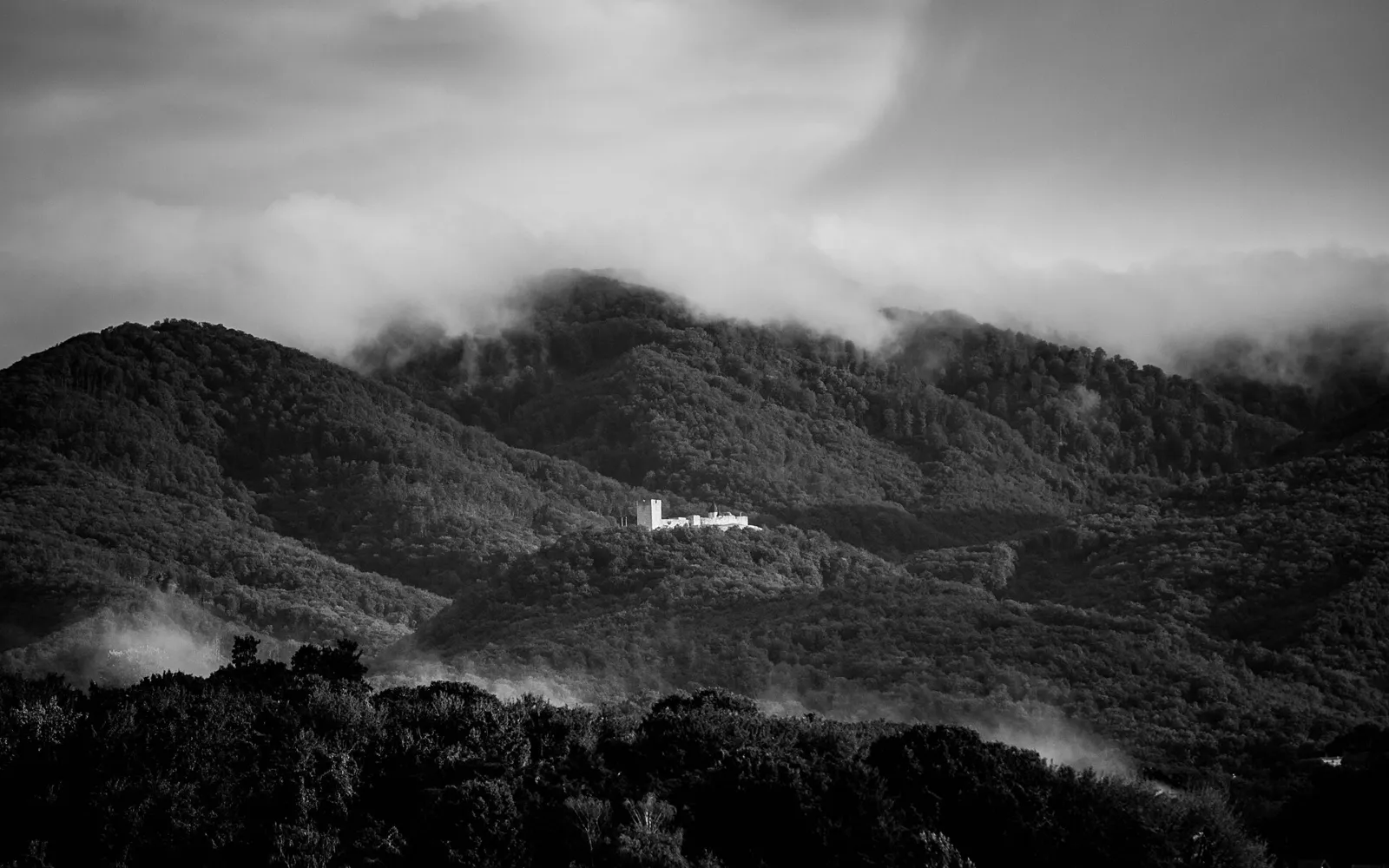
Medvedgrad is a medieval fortress on the slopes above Zagreb — close enough to feel like a quick escape, but different enough that it changes your whole trip mood.
You come for the views, the “castle in the woods” feeling, and the satisfaction of doing something that’s more than just city center wandering.
How to do Medvedgrad as a half-day trip
- On foot (most atmospheric): the classic approach is from Šestine — take a ZET bus toward Šestine (the 102 line runs from Britanski trg via Mihaljevac) to the Šestine church, then follow the marked forest trail up to the fortress, roughly an hour’s walk. The Bliznec valley, off the Sljeme road, is the other common starting point.
- By car (quicker if you’re tight on time): drive up the Medvednica/Sljeme road, park at one of the marked lots, and walk the shorter final stretch to the gate.
- Aim for clear weather if you want the best views.
- Plan a food stop afterward — you’ll enjoy Zagreb more when you’re not hungry-tired.
Make it a full Medvednica day (if you have energy)
- Combine Medvedgrad with a broader Medvednica / Sljeme day for mountain air and longer walking routes.
- Keep one “soft landing” plan for the evening: dinner back in the center and an easy night walk.
Practical tips (so it stays fun)
- Wear shoes with grip — it’s a hill/mountain setting.
- Bring water, especially in summer.
- If the weather turns, swap to an indoor culture day (museums + café).
What a Medvedgrad Fortress outing should add to the trip
Medvedgrad combines fortress history, mountain setting and views in a shorter thematic outing than a full Sljeme day. The experience still depends on current site and access conditions.
A route and pace that make a Medvedgrad Fortress outing work
Choose the approach in advance, make the fortress the anchor and add only a trail section suited to footwear, daylight and transport. Return before the mountain outing becomes a night-navigation problem.
The choices, trade-offs and common mistake
Prioritise Medvedgrad for fortifications, views and visitors who want Medvednica context without a long summit hike. A central Upper Town day is easier for limited time or mobility.
Road, trail, visitor-centre, ticket and weather conditions can change. Verify official information and do not treat an urban taxi drop as a guaranteed mountain return.
Weather, current information and the fallback plan
When access or visibility is poor, use Zagreb City Museum, Upper Town viewpoints or Maksimir. The historical theme can survive without forcing unsafe or unrewarding mountain conditions.
Who should choose Medvedgrad over Sljeme
Medvedgrad suits a traveller who wants a focused historical site on Medvednica’s southern slope rather than a summit or long ridge day. The reward is one sequence—forest or road approach, city outlook, conserved fortress fabric and a visitor centre within the walls. It asks for less mountain time than a full Sljeme outing while still requiring real decisions about access, weather and return. Choose it when medieval defence and Zagreb’s geography are the subject.
Choose Sljeme when elevation, forest trails or the upper mountain matter more than a single monument. Choose a city museum when rain, mobility or limited time makes the approach a poor trade. Medvedgrad should not be tacked onto a first afternoon simply because it is administratively in Zagreb. It needs enough daylight and margin for the journey to feel like part of the interpretation rather than transport stolen from the site.
Read the visit as approach, outlook, walls and exhibitions
The approach explains the site’s position before an exhibit does. Medvedgrad stands on Mali Plazur above Zagreb, and the movement uphill makes its defensive logic physical. When trees or bends reveal the city below, pause before entering. The relationship between fortification, slope and the settlements it overlooked is the historical argument. Arriving by car shortens that experience but does not remove it; walk the final legal approach with attention instead of treating parking as the entrance.
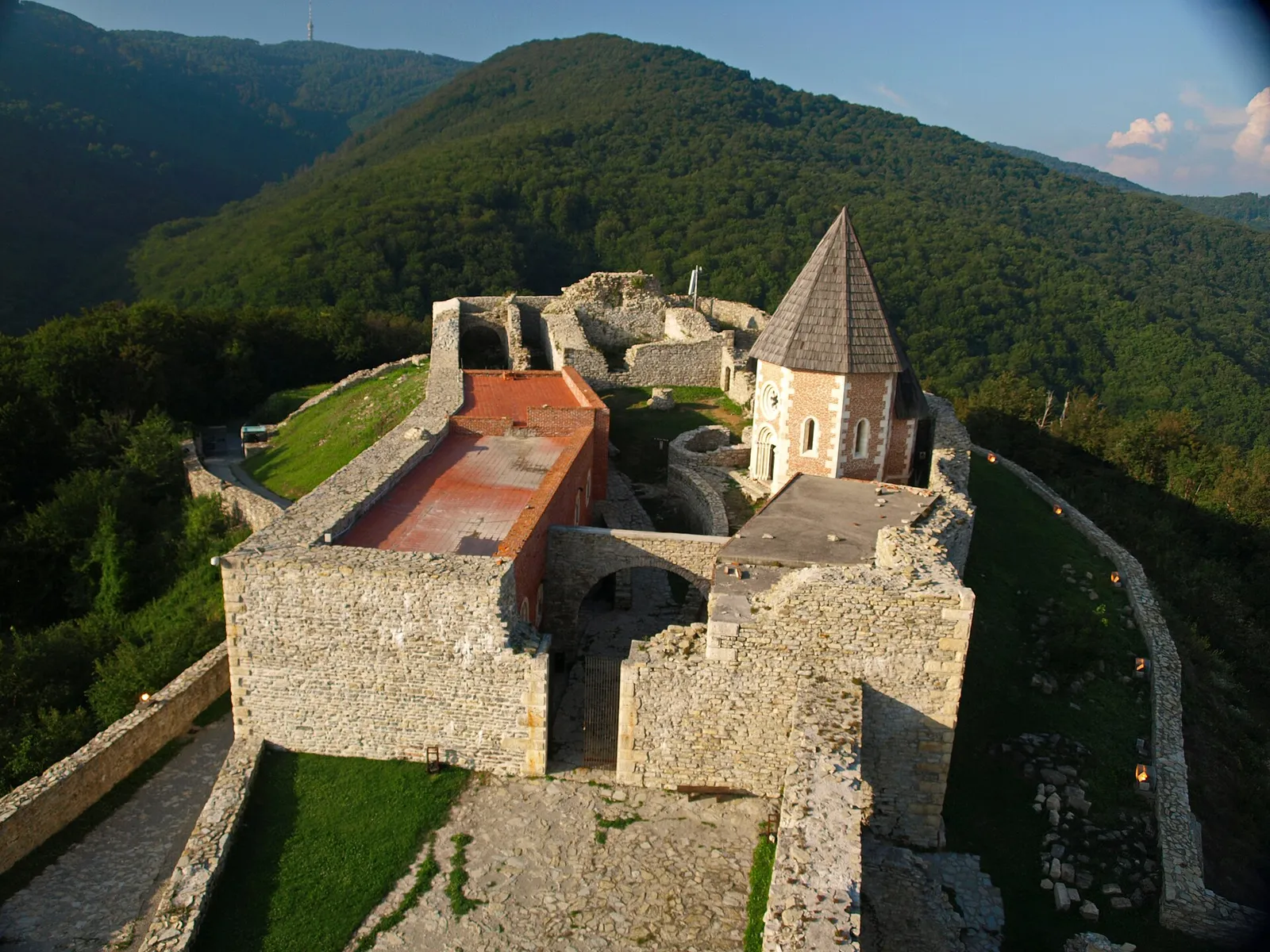
Inside, read the perimeter and reconstructed volumes before concentrating on the broad view. The visitor centre says three exhibitions interpret Medvednica’s natural value and Medvedgrad’s history within the medieval walls. Use them after the exterior has raised questions: why the hill, what was conserved, how the mountain supplied and protected Zagreb, and how a ruin became a public visitor site. The exhibitions are the explanatory layer, not a decorative add-on.
- Notice the final approach and the changing view.
- Orient at the public outlook without blocking circulation.
- Walk the legal fortress route and identify the major conserved features.
- Use the confirmed open exhibitions to test what the exterior suggested.
- Begin the descent or drive with daylight and transport margin.
Conserved and reconstructed does not mean intact
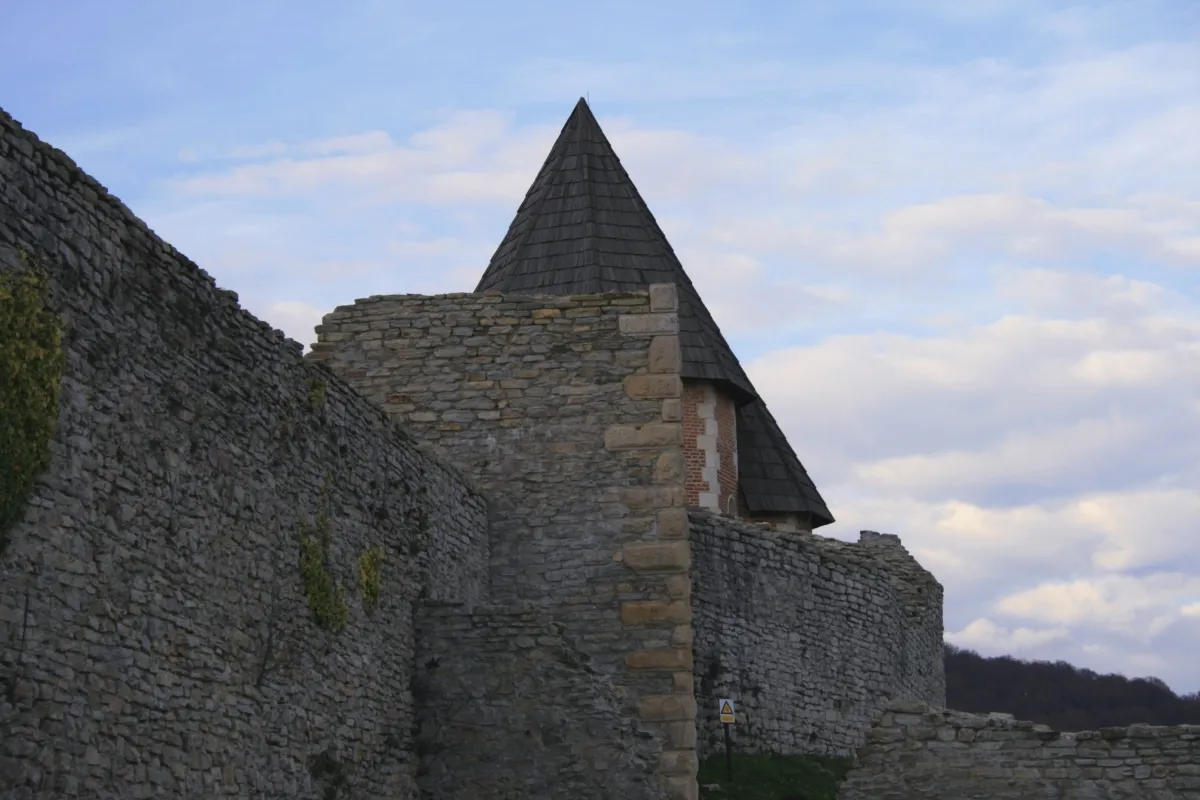
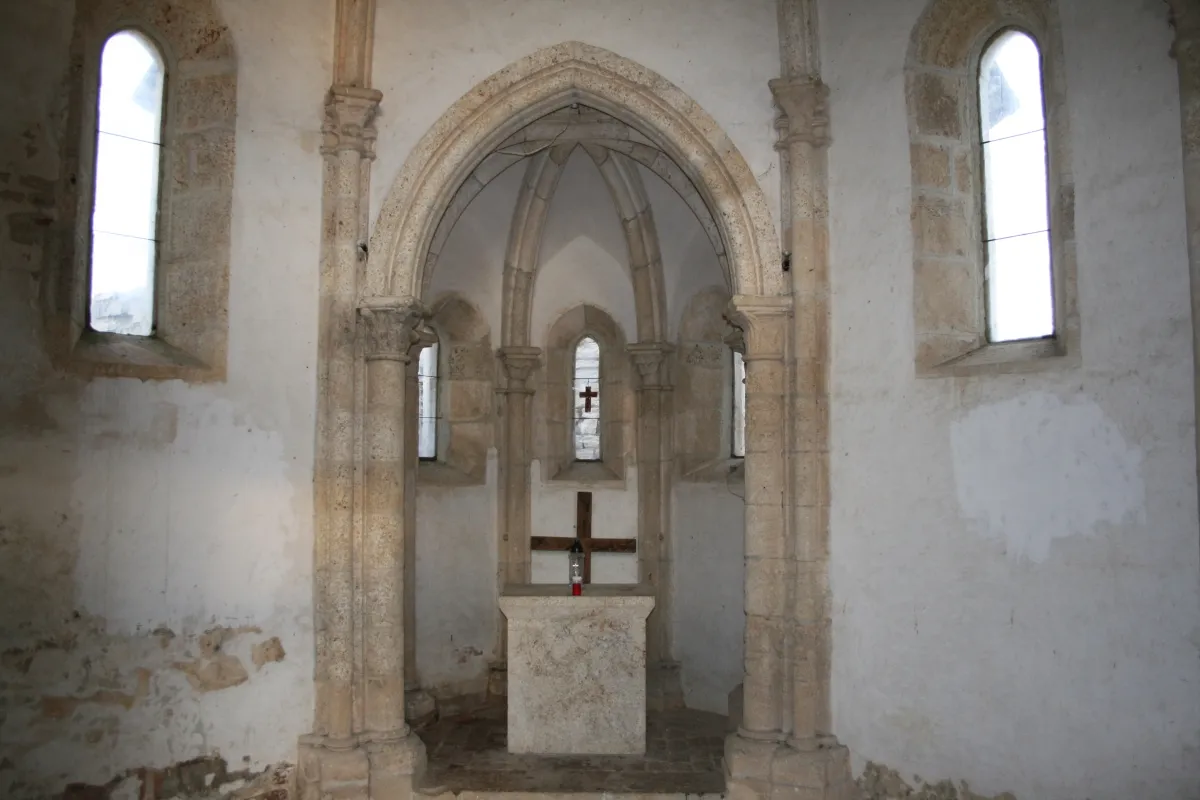
Medvedgrad is not an untouched castle surviving in the form of 1254. The official park history explains that systematic archaeological work began in 1979, after which walls were conserved and parts reconstructed. It identifies the octagonal chapel of St Philip and Jacob, south defensive tower, residential palace and other elements among the features made legible again. A crisp wall line may therefore express modern conservation decisions as well as medieval fabric.
This makes the visit more interesting when the distinction is kept visible. Ask what evidence allowed a feature to be reconstructed, what remains ruinous and what interpretation has been added for safe public use. The site’s value is not reduced by later work; it shifts from the fantasy of an intact stronghold towards an honest reading of layout, sightlines, material and heritage management. Follow labels and barriers rather than guessing from how old a stone looks.
Car or public transport plus a real walk
Official park directions describe public-transport approaches followed by roughly an hour on foot from the stated stops and routes. Treat that as a hike component, not a final urban stroll. Confirm the current bus, trail or paved-road approach, elevation, weather and return connection for the exact date. Carry an offline map and a light when the available daylight could become marginal; a scheduled bus at the base is useful only if the group can reach it comfortably.
Driving reduces the walking but adds a specific navigation issue: the official guidance warns that paved roads to and from Medvedgrad are one-way, using different directions for arrival and return. Verify the current routing and obey on-site signs rather than asking a navigation app to reverse the inbound road. Use designated parking and keep the vehicle parked throughout the visit. A short mountain drive still requires attention to conditions and other road users.
Where the access boundary can appear
Do not describe Medvedgrad as universally accessible from a map or a photograph of the courtyard. The public-transport versions involve a sustained approach, forest or hillside surfaces can change with weather, and a medieval fortress contains slopes, thresholds and historic fabric. Driving may remove much of the ascent without proving a continuous step-free route through every exhibition and viewpoint. Contact the visitor centre about the exact chain from parking to entrance, toilets, displays and outlook.
Families should choose the approach according to the youngest walker rather than the strongest adult. A stroller requires direct current confirmation. Older children may enjoy the defensive layout and exhibitions, while a long climb plus dense interpretation may be too much for a rushed half day. Mixed-mobility groups should not split without a fixed meeting point and independent return plan; the site is compact, but the approach is not interchangeable for every participant.
Water, food and the self-contained outing
Carry enough water for the chosen approach, visit and return, plus a useful snack. Do not make an assumed café or vending option responsible for the plan; protected-land facilities and special events can change what is available. Eat a substantial meal before climbing or after returning to the city when that suits the schedule. If current visitor information confirms a service on site, treat it as a convenience rather than the reason the group can complete the outing.
This is also why Medvedgrad works best as a self-contained half-day rather than one stop in a hurried mountain chain. Water, layers, footwear and transport can be chosen for a single fortress sequence. Adding Sljeme, a cave or a mine changes distances, tickets and equipment. Combine only when most of a day is available and every live opening aligns; otherwise let one well-read place be enough.
Weather changes the view and the surfaces
A clear view over Zagreb is never guaranteed. Check a Medvednica-specific forecast and plan for the possibility that cloud, haze, rain or wind removes the long outlook. The fortress and exhibitions can still justify the trip only when access remains safe and the history is a real interest. When the view is the sole reason, postpone rather than forcing a wet climb to discover that the city has disappeared below cloud.
Heat makes water and an earlier or later outdoor window important; rain can turn roots, stone and slopes slippery; winter may create snow or ice absent from the centre. Carry layers for the exposed sections and shorten the route when conditions deteriorate. Do not use walls, reconstructed masonry or closed areas as shelter. The visitor centre’s open status and the outdoor route’s suitability are separate checks.
Protected-park behaviour and viewpoint etiquette
Medvedgrad sits within Medvednica Nature Park, so reach it on marked routes, use designated parking, carry rubbish out and leave vegetation, wildlife and stonework undisturbed. Dogs should follow the park’s current leash rules. Do not light fires, camp outside permitted places or create a shortcut between bends. A heavily visited site beside a capital needs more discipline, not less, because small impacts repeat across many outings.
At the viewpoint, take the broad frame and then make space for others. Keep tripods and bags out of narrow circulation, avoid placing people on fragile or restricted walls and follow the site’s photography rules inside exhibitions. Drone, commercial and wedding photography have their own permissions and fees in park information; ordinary visitor access should never be assumed to cover them. Photograph reconstruction honestly rather than cropping context to imply untouched medieval survival.
Live hours, events and the final checklist
Medvedgrad combines a heritage visitor centre with a nature-park approach. Hours, ticketing, guided visits, events, staffing and access notices can therefore change for different reasons. Check the Medvedgrad homepage and the park’s current Medvedgrad and price pages shortly before leaving. Organised groups require advance coordination under current official guidance. An event can be a reason to go, but it can also change ordinary entry and transport conditions.
Set the latest departure from the fortress before starting the exhibitions. Public-transport users need enough time for the descent and connection; drivers need daylight and the correct one-way return. If pairing Sljeme, make that a separate route plan with its own confirmed status rather than drawing a straight line between map pins. The safe conclusion to a historical site is an unhurried return, not testing how much mountain can fit after the last admission.
- Confirm visitor-centre hours, current notices and any event.
- Choose car or public transport plus walk and research the exact return.
- Verify one-way road routing when driving.
- Carry water, snack, grip and layers without assuming site services.
- Ask about the full accessible sequence when mobility matters.
Questions people actually ask
Do I need to be a serious hiker for Medvedgrad?
No — you can keep it gentle. The key is choosing a pace and route that fits your day, then planning a relaxed food stop afterward.
How much time should I plan?
A half day is realistic for a simple visit. Turn it into a full day if you pair it with a longer Medvednica / Sljeme walk.