Why autumn works so well
Autumn is Zagreb at its most comfortable: long walks, golden parks, and a calmer pace that makes the city feel more local.
It’s also the easiest season for “classic Zagreb rhythm”: walking routes that don’t feel hot, cafés that feel extra cozy, and evenings that naturally slow down.
Autumn highlights
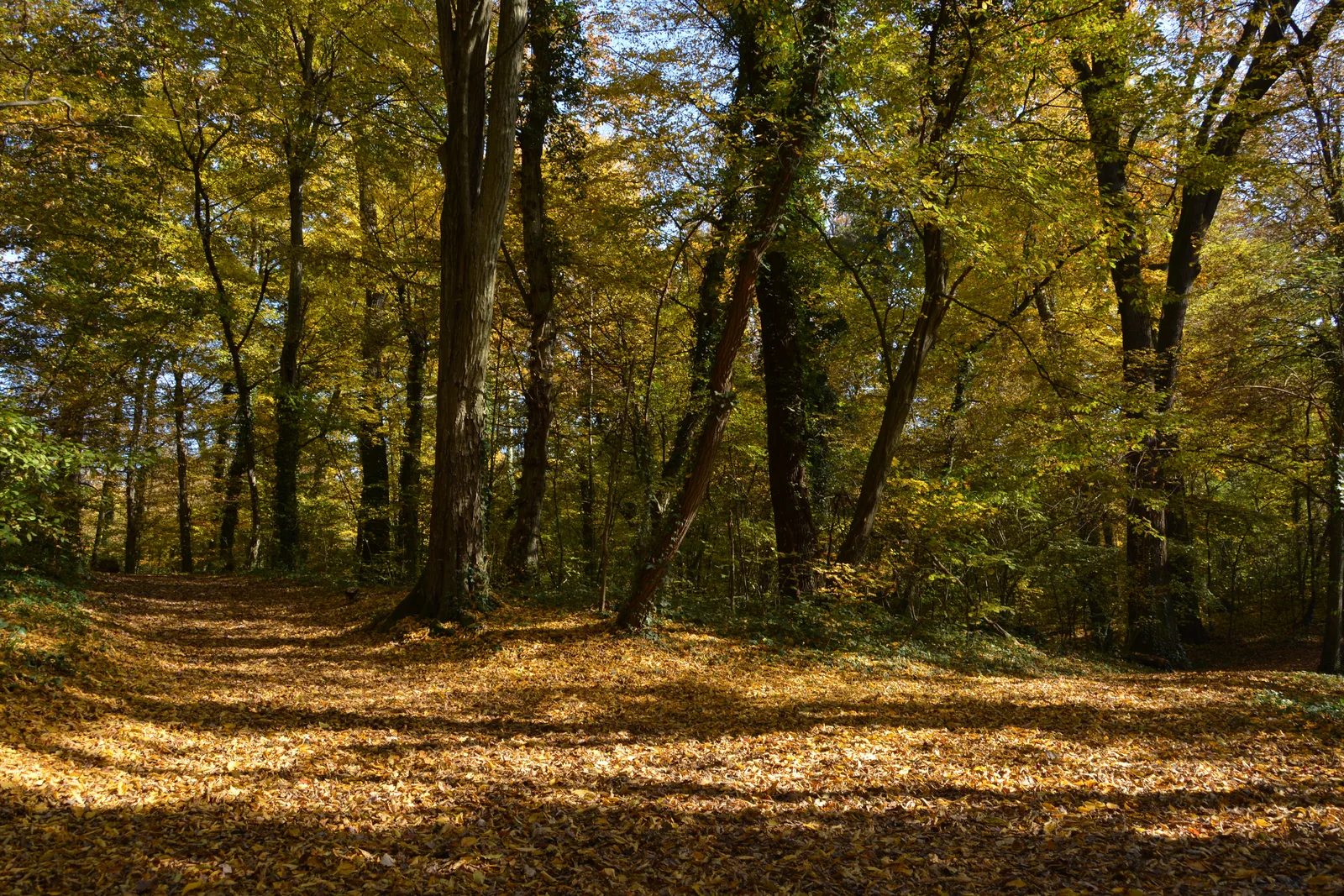
- Maksimir for color + long walks.
- Upper Town evenings (soft light, quiet streets).
- Museum + café days when the weather turns.
Autumn planning notes (simple but important)
- Do your longest walk earlier in the day, then treat evenings as atmosphere time.
- Pick one park anchor (Maksimir is the classic) and build the rest around it.
- If you’re photographing: aim for soft light and the contrast between parks and stone streets.
A perfect autumn day
- Morning: coffee + Upper Town loop.
- Afternoon: museum + parks reset.
- Evening: dinner + night walk.
What to pack (so you enjoy the walks)
- Comfortable shoes with good grip (stone streets and stairs).
- A light jacket/layer for evenings.
- A compact umbrella for changeable days.
What Zagreb in autumn should add to the trip
Autumn gives Zagreb a strong mix of park colour, cultural season and food-led evenings, with increasing rain and shorter daylight requiring more deliberate timing.
A route and pace that make Zagreb in autumn work
Use Maksimir or the Green Horseshoe during the clearest daylight, then move into a museum, café and traditional dinner. Keep Upper Town before surfaces become dark and wet.
The choices, trade-offs and common mistake
Choose autumn for walking temperatures and cultural rhythm, but distinguish early warm weeks from later cold, damp conditions when comparing advice.
Fallen leaves, rain and rapidly changing forecasts affect paths and visibility. Event programmes and seasonal menus need current confirmation rather than general autumn promises.
Weather, current information and the fallback plan
Pack layers and waterproof footwear, with one central cultural cluster ready. A short park loop can still provide colour between showers without committing to a full outer excursion.
Early and late autumn create different Zagreb trips
September can retain summer heat and long terrace evenings, while November may bring short daylight, bare trees, fog, rain and a winter-like need for indoor anchors. Leaf colour is neither fixed to a date nor citywide at the same moment. Check the DHMZ forecast for the exact stay and treat foliage photographs as examples of what the parks can become, not a guarantee. The reliable autumn advantage is the ability to pair a substantial walk with museums, markets and cafés.
Put the most light-dependent route in the middle of the day as the season advances. A 16:00 park start can be generous in early autumn and poorly judged later. Wet leaves conceal roots and reduce grip on slopes, cobbles and painted crossings; slow down even after the rain stops. Wear adjustable layers, a weather-resistant shell and shoes that tolerate mud or damp stone. Keep gloves and a light available by late autumn rather than packing only for the forecast maximum.
Give Maksimir its own half-day
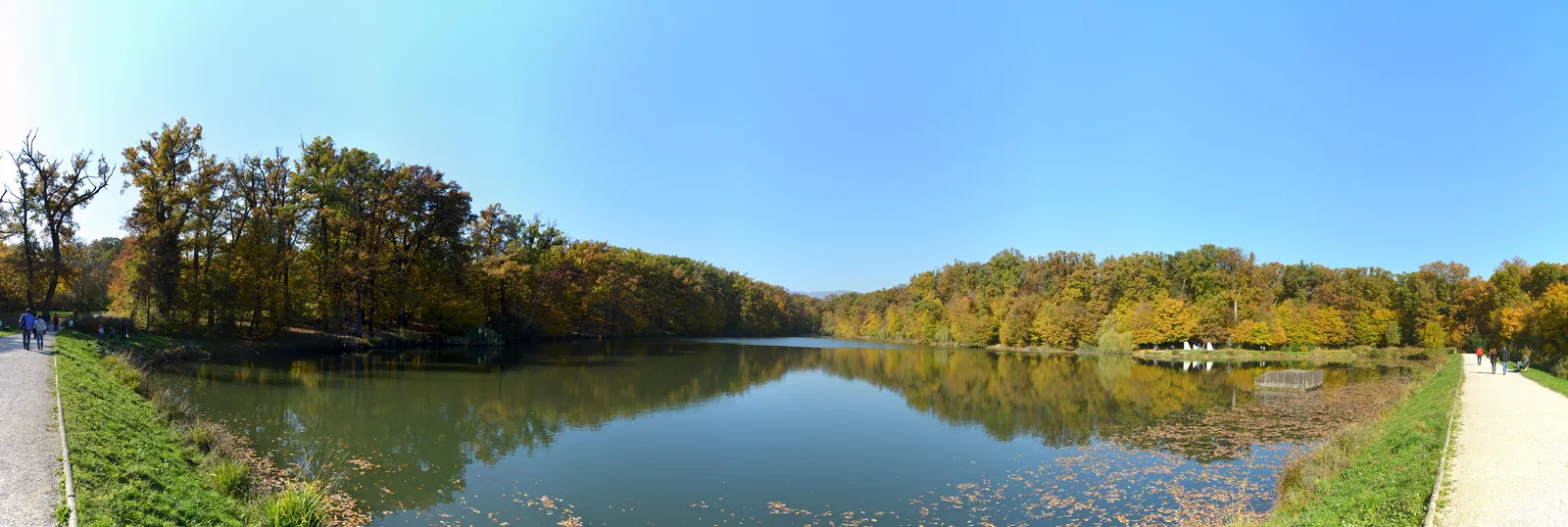
Maksimir’s woodland, open ground and lakes make it the strongest large-scale autumn park choice, but its value comes from time inside the landscape. Choose a limited loop or an out-and-back that matches daylight and the group’s energy. Save the entrance and return tram stop offline, then follow current signs where maintenance, fallen branches or saturated paths alter the plan. A wide lake panorama is a reason to pause; it is not a reason to force a complete circuit after the turnaround time.
The park authority states that wildlife should not be fed. Keep distance, leave plants and fallen material in place, control dogs under current rules and carry rubbish out to a suitable bin. Do not release pets or disturb the lake edge for a reflection photograph. Families should choose between a focused park walk and the zoo rather than assuming both fit a short, cold afternoon; the zoo has its own live hours, ticket and welfare context.
Use markets for daily rhythm, not seasonal fantasy
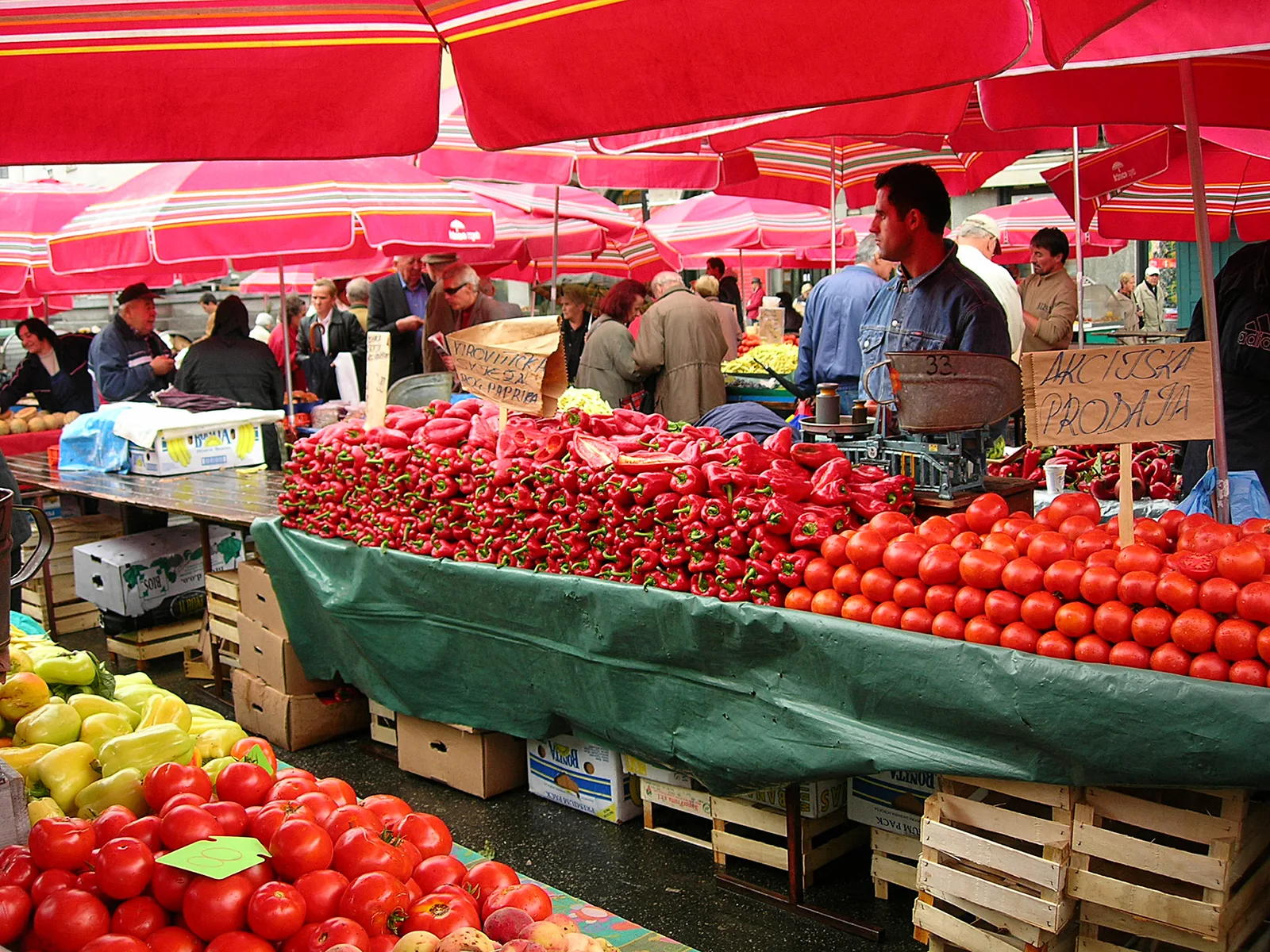
Dolac can anchor a central morning with colour, produce and ordinary shopping, but the available fruit, vegetables and prepared food change through the season and by vendor. Arrive while the market is active, ask the displayed or agreed price and buy only what can be stored safely. Do not claim that one named product will be present on every autumn date. A market is more meaningful when linked to a later picnic, breakfast or meal than when treated as a backdrop.
Rain and wind can change the outdoor atmosphere quickly. Keep a short Kaptol or Lower Town continuation and an indoor food stop so the morning can contract. Ask before taking a close portrait of a seller, keep bags out of the working aisle and avoid touching produce that is not self-service. For dietary restrictions, request ingredients directly and recognise that a busy stall may not be able to control cross-contact. A supermarket provides clearer labels when certainty matters more than market theatre.
Photograph colour without leaving the path
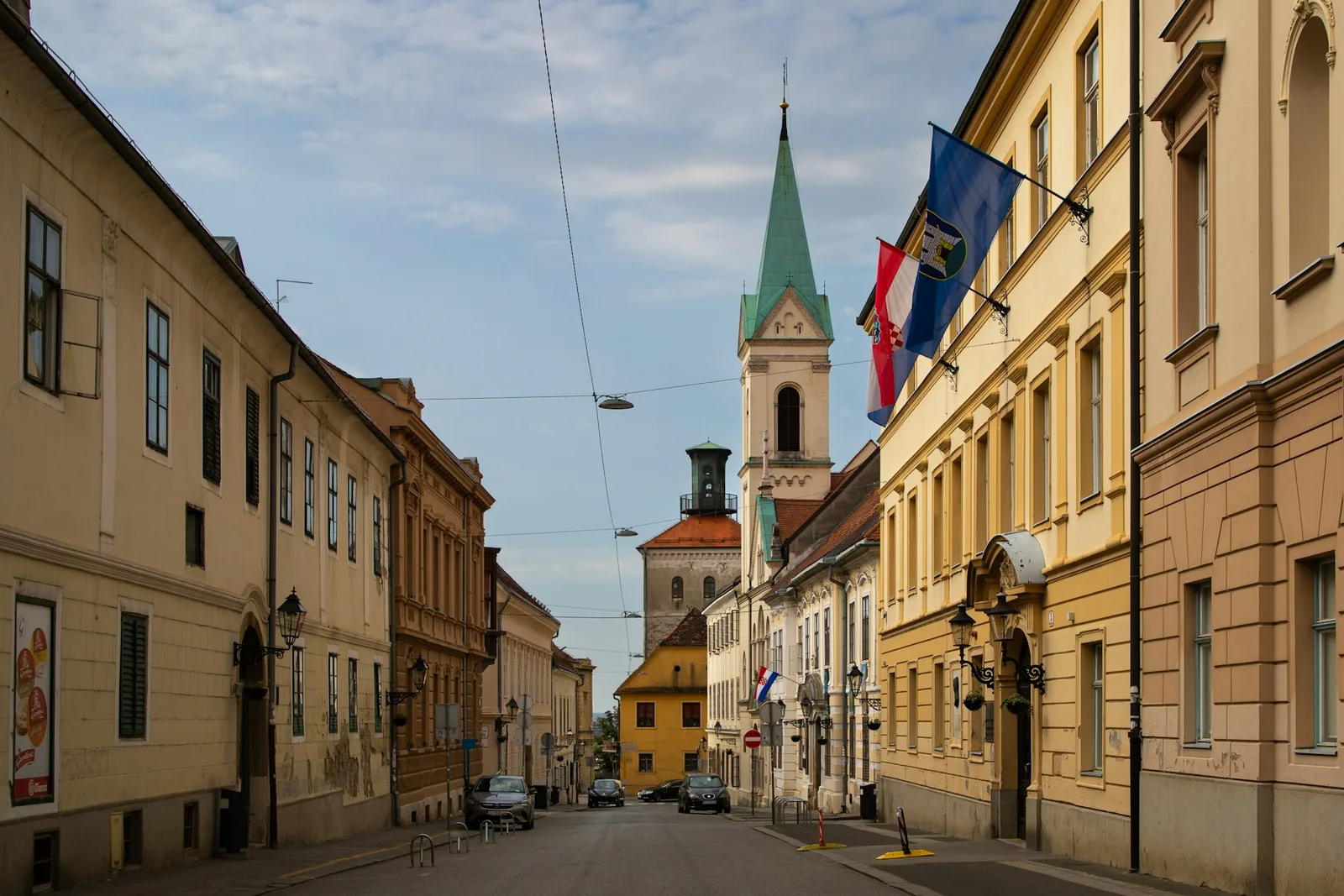
Autumn light is lower and changes faster, making the direction of the route more important than a list of viewpoints. In Maksimir, use lake edges and legal paths for reflections and layered woodland. In Upper Town, allow warm stone and painted facades to contrast with smaller trees and courtyards. Expose for the highlights, make one clean frame and continue; waiting for an empty public park can waste the best light and encourage other visitors to walk around the photographer.
A tripod must not block a path, tram platform or narrow old-street circulation. Drones, commercial sessions and extensive equipment can require permission even when ordinary handheld photography does not. Never climb a wet wall, cross a barrier or stand on leaf-covered roadway for angle. Ask before photographing identifiable people at close range. Fog, rain and bare branches remain honest autumn subjects; forcing saturation or describing every image as peak colour makes the guide less useful.
Pair one museum with one neighbourhood
Autumn weather makes the museum-and-walk pair especially effective. Choose the museum by subject and live opening status, then build a small surrounding route instead of crossing the city after each shower. A city-history visit can lead into Upper Town; contemporary art can open a Novi Zagreb chapter; a Lower Town collection can pair with the park sequence and a café. The indoor stop explains or contrasts with the streets rather than serving only as rain shelter.
Check last admission, temporary exhibitions, renovation notices and the exact entrance. Historic buildings may have thresholds, stairs or a different accessible route; contact the venue when mobility details matter. Keep the second museum optional and nearby. A long coffee or early dinner is often the better use of a dark wet hour than another ticket bought to keep the schedule looking full. If the weather clears, the remaining daylight belongs to the street route.
Choose the base around park or centre priorities
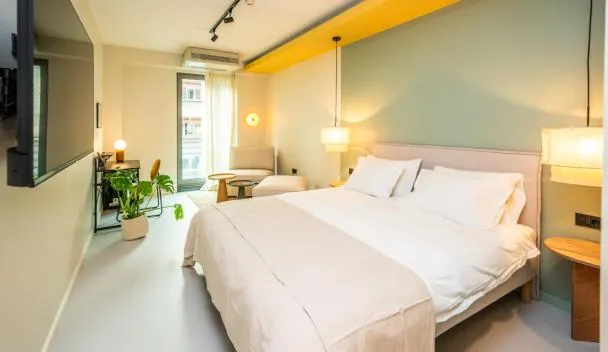
For a classic central autumn trip, Hotel Jägerhorn supports the Lower-to-Upper Town transition and a tucked-away historic atmosphere. Esplanade ties railway arrival to the Lower Town park sequence. Rooms 23 – FLOK Petrova creates a quieter residential option east of the centre when a little more transit is acceptable. No hotel can promise foliage, terrace weather or silence; these are researched route matches whose exact room and current conditions still need checking.
Verify heating or climate control, luggage storage, step-free access, room orientation and the cancellation deadline. A central base earns value by allowing the group to wait out a shower and restart nearby. For Maksimir, a direct current tram route is more useful than moving hotels. On the departure day, retrieve bags early enough for wet-leaf pavements, traffic and reduced daylight to slow the journey without threatening the train, bus or flight.