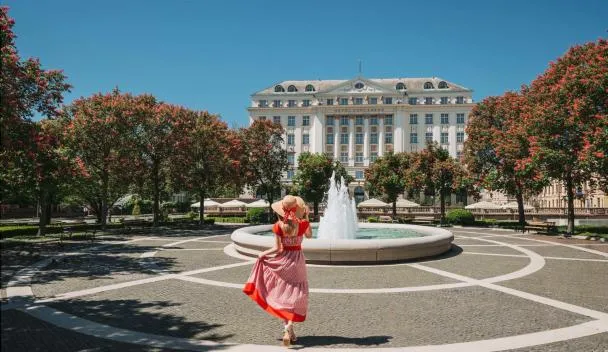
Why spring is a sweet spot
Spring is one of the easiest times to visit Zagreb: comfortable walking days, lively terraces, and parks that make the city feel extra green.
If you want a trip that’s mostly walking routes and café time — without summer heat or winter chill — spring is hard to beat.
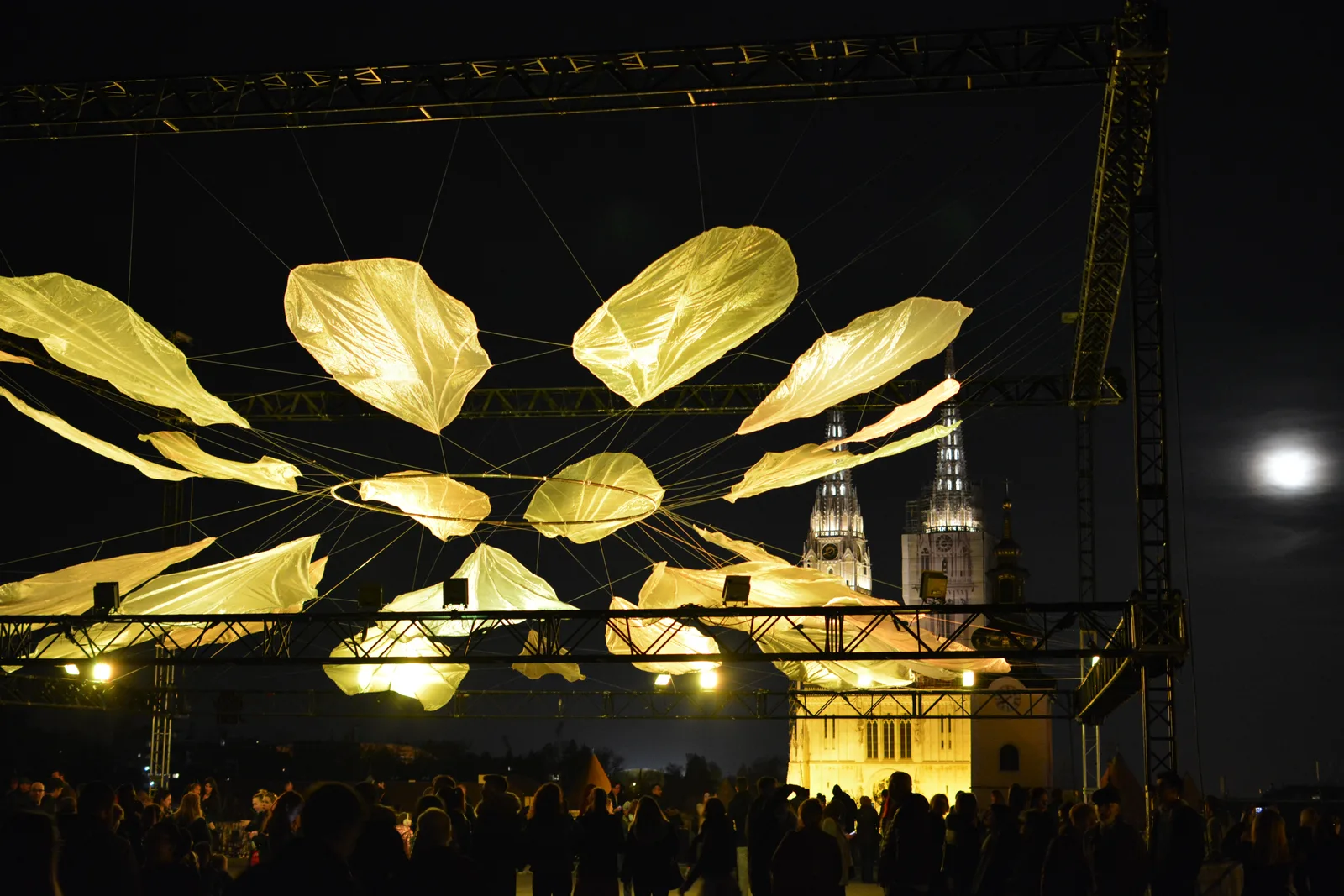
Festival of Lights (plan your evenings)
If your dates align, the Festival of Lights is an ideal “evening plan”: walk, pause, take photos, and finish with a long dinner.
Spring highlights (what to prioritize)
- Long walks through parks and boulevards (the city feels ‘fresh’).
- Upper Town at golden hour (best light, calmer pace).
- One museum day if the weather turns — then return to terraces when it clears.
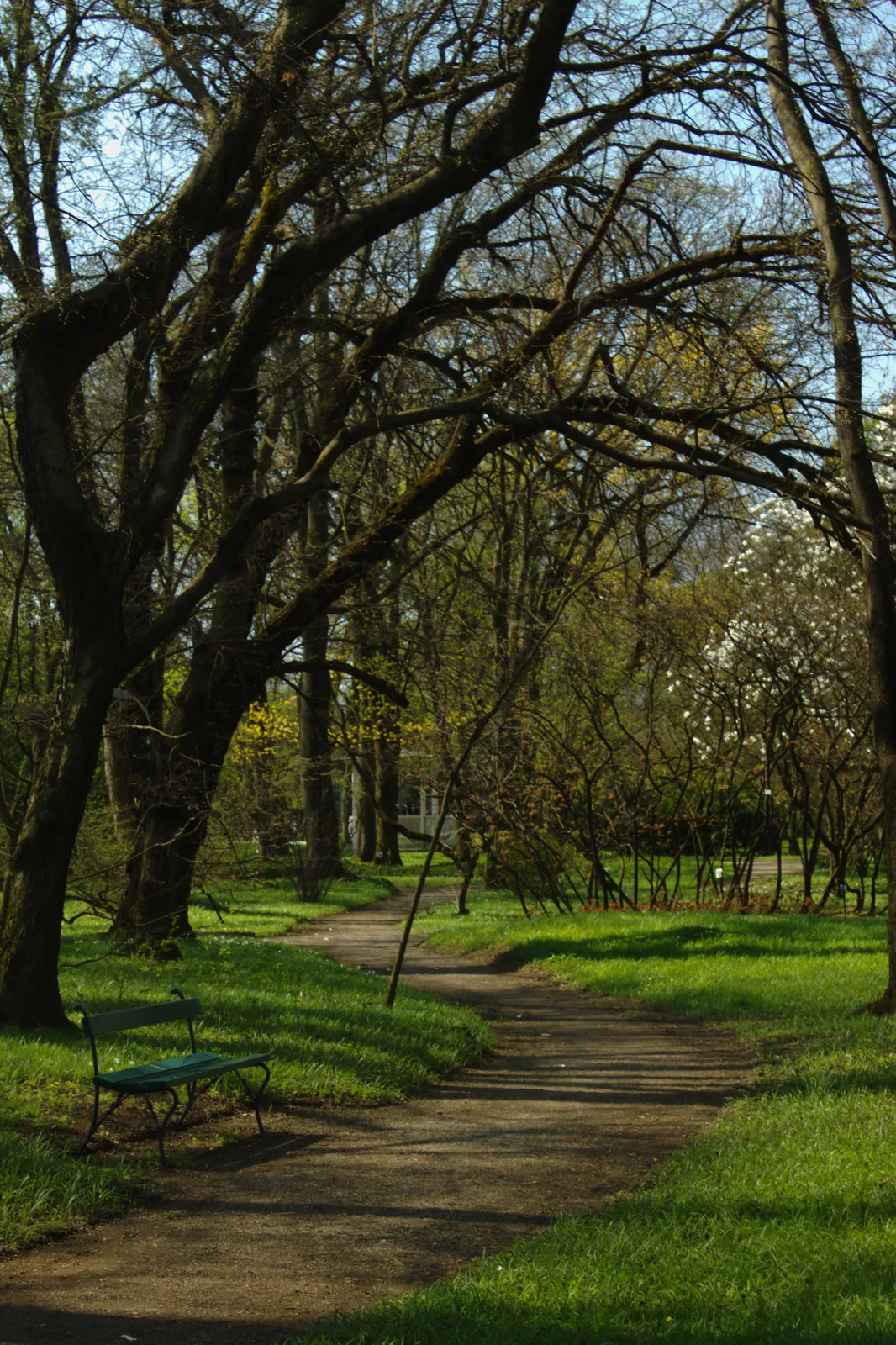
A perfect spring day (template)
- Morning: parks loop + coffee terrace.
- Afternoon: museum + relaxed lunch.
- Evening: Upper Town dusk walk + festival lights (when available).
What to pack (so the day stays comfortable)
- Comfortable walking shoes (Upper Town stones and stairs add up).
- A light layer you can add/remove easily.
- A compact umbrella — spring can be changeable.
What Zagreb in spring should add to the trip
Spring rewards flexible park and café time, but variable rain means the itinerary should move between outdoor colour and nearby culture without long exposed transfers.
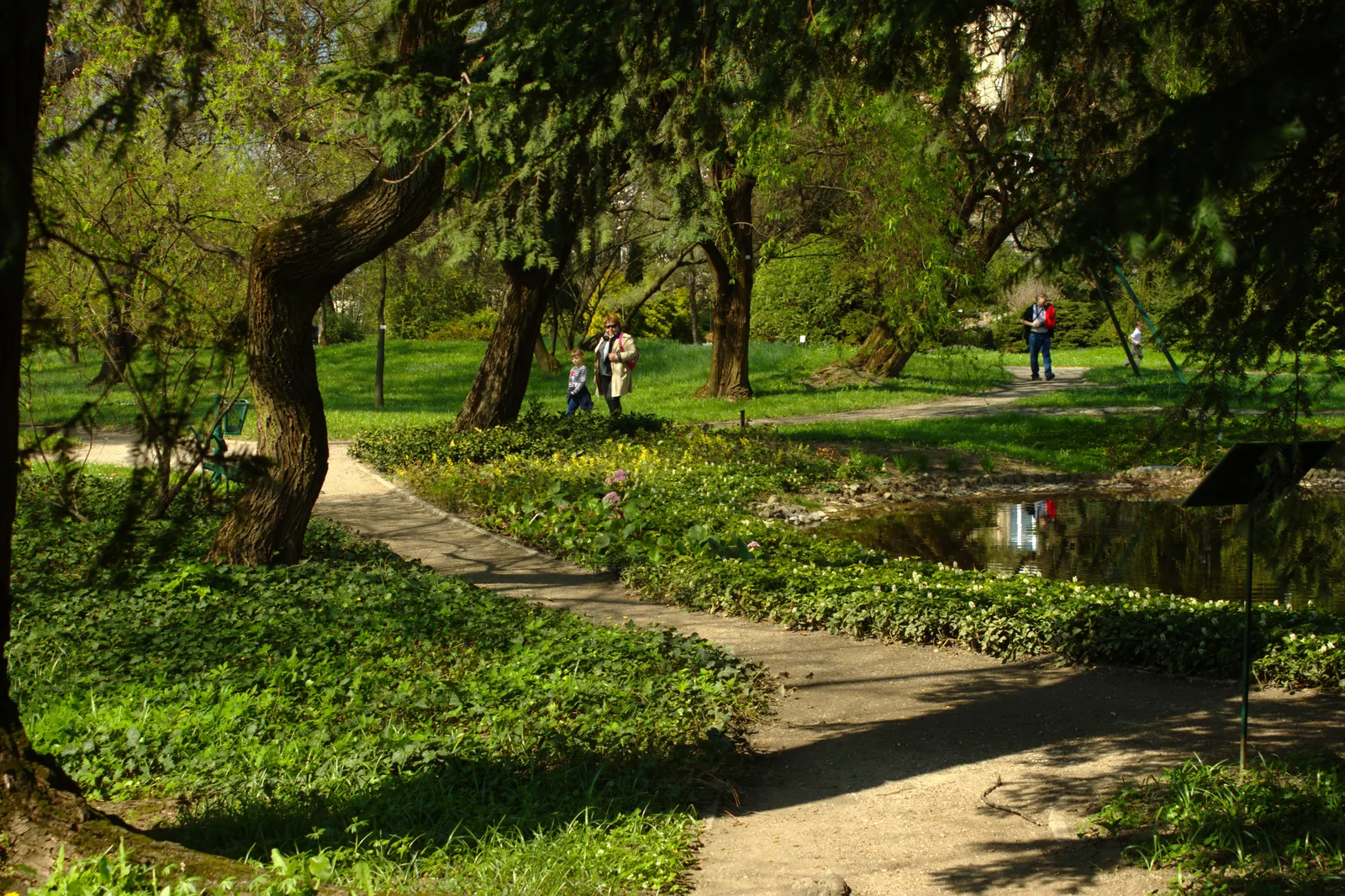
A route and pace that make Zagreb in spring work
Use the Green Horseshoe and Botanical Garden in the best weather window, then pair them with a Lower Town museum. Keep Maksimir for the clearest half day.
The choices, trade-offs and common mistake
Choose spring for greenery, longer walks and a city-break balance before summer heat, while accepting that blossoms and temperatures do not follow fixed travel dates.
Check garden access, event dates and the live forecast. Warm midday sun can coexist with cold evenings and rain, so single-season packing is unreliable.
Weather, current information and the fallback plan
Carry a light waterproof layer and keep museum options in the same district as each park. Move the outer green trip, not the entire itinerary, when showers persist.
Spring is a sequence, not one reliable weather type
A March visit and a late-May visit can feel like different seasons. Early spring may bring cold mornings, rain and bare or only emerging planting; later spring can produce warm afternoons, heavy showers and busier public space. Check the short-range DHMZ forecast and warnings rather than packing for a generic mild average. The advantage is flexibility: museums, cafés, gardens, parks and illuminated evenings sit close enough that the route can change without abandoning the day.
Use layers that tolerate a large temperature swing, a waterproof outer shell and shoes with grip on wet stone. Carry sun protection as well as rain protection; a clear afternoon after a cool morning can still create meaningful exposure. Pollen-sensitive travellers should check a current local forecast and follow their clinician’s plan. A blooming photograph cannot prove what will be flowering during the visit because timing responds to the actual winter and spring conditions.
Make the Botanical Garden a verified seasonal stop
The University of Zagreb Botanical Garden belongs to the southern part of the Lower Town park system, making it a natural chapter between the station area and the Green Horseshoe. It is also a managed scientific collection with seasonal opening, last-entry times, admission, rules, maintenance and occasional closures. Check the official visiting page on the day rather than approaching it as an always-open public park. The Garden’s 2026 season opening was itself delayed by poor weather, a useful reminder that safety overrides the calendar.
Walk slowly enough to notice labels, plant form and the change between collection areas. Early-season groundcover and structure can be interesting without a peak floral display. Stay on paths, do not pick or touch specimens, and follow the published rules on dogs, bicycles, picnics and photography. A bench is for observing the collection, not spreading a meal across a protected garden. Ask staff about a current guided tour or workshop only when the official service page confirms it.
Festival of Lights is one date-specific spring chapter
Festival of Lights Zagreb can transform Upper and Lower Town with temporary installations, projection and performance, but it does not define every spring trip. Dates, works, locations and opening windows change by edition. Use the official festival map for the trip year and treat photographs from 2019 or 2025 as examples of media and crowd conditions only. If the dates do not align, keep the evening as dinner plus an ordinary illuminated-centre walk rather than searching for installations that have been removed.
When dates do align, choose a Lower Town or Upper Town emphasis according to terrain, then add only a few nearby works. Spring rain, cable ramps, darkness and crowds change the accessibility of a familiar route. Read the artist and title, avoid touching equipment and leave sightlines open. A daytime pass can reveal installation scale, but the official open window and barriers still control access. Recheck City and ZET notices for temporary traffic changes before the return.
Build two routes that can swap with the rain
Prepare one outdoor half-day and one indoor half-day, then decide their order in the morning. The outdoor version can combine the Botanical Garden with nearby Lower Town parks, or place Upper Town and its viewpoints in a dry window. The indoor version should centre on one museum that matches the group’s real interests, plus a nearby meal or café. Do not scatter backup venues across the city; a storm is easier when the route contracts around one district.
After rain, cobbles, tram rails, painted crossings and garden paths can remain slippery after the sky clears. Slow down and let wet surfaces—not optimism—set the pace. Thunder changes the decision completely: move into a substantial building and follow official warnings rather than sheltering beneath a tree or garden pavilion. If a timed ticket blocks the best dry window, decide whether the ticket or the walk is the priority instead of racing between both.
- Dry morning: garden or Upper Town, followed by a museum after lunch.
- Wet morning: museum first, then reassess paths and warnings before walking.
- Unstable evening: dinner near accommodation with the light festival or viewpoint kept optional.
Choose parks by scale and seasonal evidence
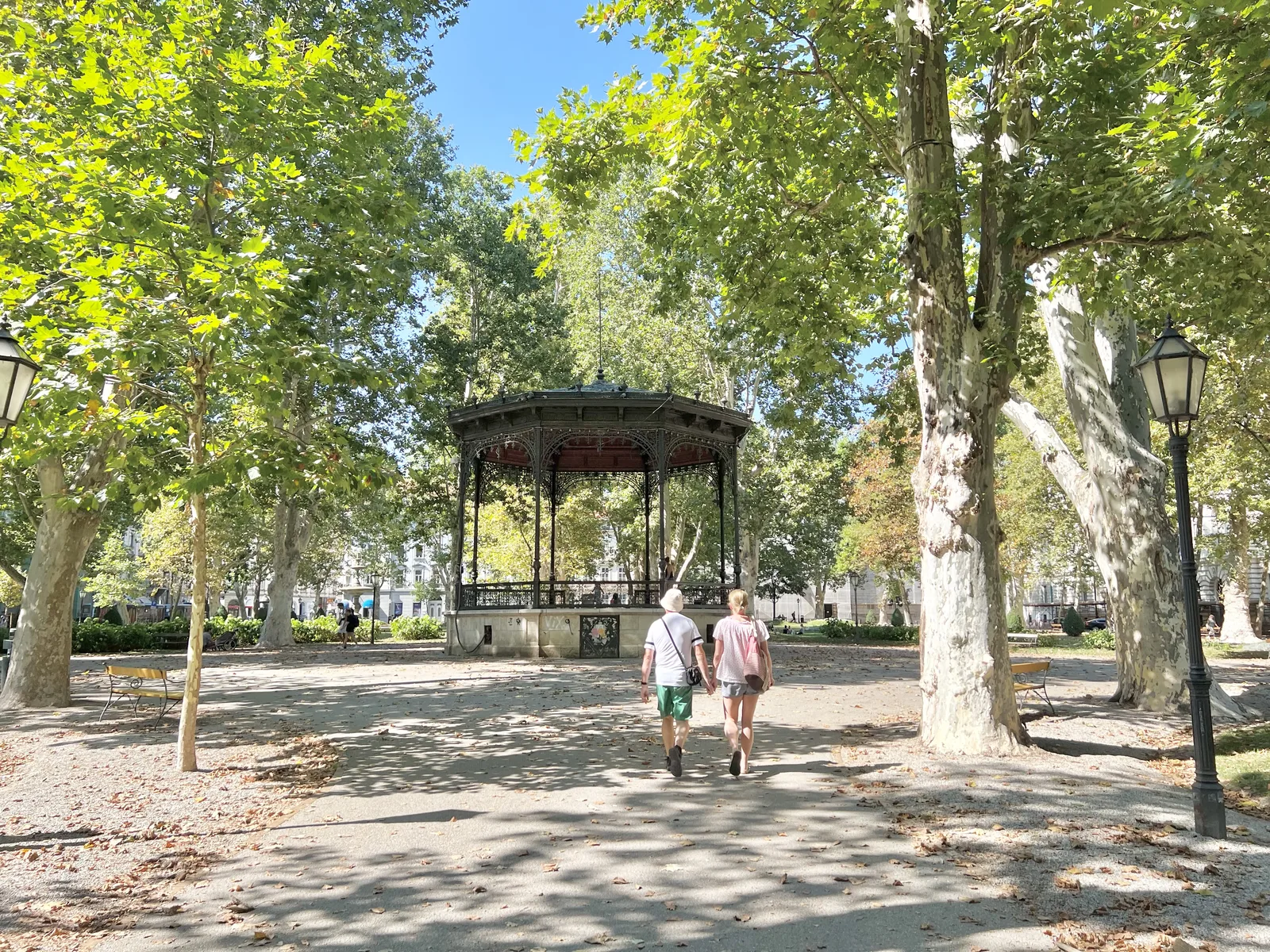
Zrinjevac and the central park sequence work for a compact city day with frequent exits. Maksimir is the larger landscape commitment, better when several hours, suitable footwear and a clear return are available. Bundek or Jarun creates a different open-water and recreation chapter rather than a historic-garden substitute. Choose one major green space according to the available time and surface conditions. Collecting three parks in one day mostly collects transit.
Wildlife and planting need distance. Stay on legal paths, keep dogs under the current rules, do not feed birds and never step into a bed for a blossom photograph. Spring maintenance or storm damage can close a path that appears on an old map. Use signs and current park information. For families, choose the route around toilets, rest and the youngest walker’s return energy; a long park works only when the final tram or walk remains comfortable.
Stay near the route that needs the most flexibility
Esplanade makes the railway station, Botanical Garden and Lower Town parks a coherent arrival geography. Canopy by Hilton Zagreb City Centre suits an eastern Lower Town base with central walking access, while Boutique Hotel HOH supports an Upper Town emphasis when slope and old-street atmosphere are deliberate choices. A spring hotel should make it easy to swap the outdoor and indoor halves, not merely place a famous square at the smallest map distance.
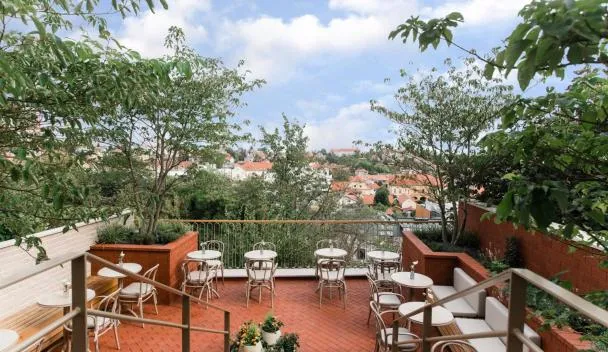
Check the exact room, climate control, luggage storage, access path and cancellation terms. A terrace or garden may remain weather-dependent and should not carry the booking decision. Save the hotel route offline and ask about the closest step-free entrance if needed. On departure day, wet weather can slow luggage and traffic, so retrieve stored bags with a full disruption margin rather than turning the final dry hour into an extra cross-city attraction. Keep dry socks accessible for the journey.